With the AAG mobile app, users can view everything in the program in addition to easily creating a digital calendar of events; browsing sessions by specialty group sponsorship, date, time, and presentation type; receive up to the minute notifications on schedule changes or coffee breaks; and see a list of people who are attending the annual meeting. Whether you are brand new to the AAG mobile app or you are looking for more information on how to use the app, this guide will offer detailed instructions.
Getting Started — Download and update your app
 The AAG mobile app is currently available for all major smartphone brands such as Apple iPhone, Samsung, Google Pixel, and LG. To download the app for your smartphone, visit your app store and search for “AAG Meetings” or follow this link from your phone. For tablet devices, either visit the app store and search for “AAG Meetings” or visit the same link as you would for downloading the app to a smartphone. If you do not have a smartphone, have a Windows phone or table, or prefer to use a laptop, the AAG mobile app can also be used on a Windows phone/tablet or any laptop with this link: https://app.core-apps.com/aagam2026. Bookmark the link to easily return to the app on your laptop!
Once you have downloaded the app, open it to see the list of AAG Meetings and click on the meeting to open the program of your choice. The latest is listed first.
You will need to log in to access the program. All annual meeting registrants receive an email with instructions. PLEASE NOTE: you will NOT use your own AAG password to access the mobile app, but one that AAG has chosen and shared in the instructional email. If you are registered for the annual meeting and didn’t get an email or are having trouble logging in, please contact meeting@aag.org.
If you have previously installed the app and you want, you may need to click on the button that reads “Exit to Meeting List” from the home screen of an old program to reach the list of all programs installed within the app. Once you are on the screen that shows the list of AAG Meetings, click the circular arrow button in the top right hand corner to update your app (this arrow button should be RED in color if it is not yet updated). After the app has been updated, click on the program you wish to browse.
Install the program by clicking the install button, then click the blue Open button to open the program.
Note: The first time you open the program, it may need to download updates. This could take a few minutes. Please install the app before attending the meeting and when you are connected to Wi-Fi to ensure the fastest initial download time. Upon opening the app for the first time, you will also be given helpful tips about where to find information in the app. Click Next after reading these tips. There will also be a button available to click if you no longer wish to receive these types of tips.
The Program is Installed! Now what? (The Basics of the App)
Basic features of the AAG app include the ability to set up an electronic calendar of the sessions you plan to attend, browse the program and schedule of events, search for a specific participant or event, and view the maps of the conference venues. If at any time the circular arrow button in the top right corner of the app (under the magnifying glass) turns red, this means that there is an update to the app! Click on the circular arrow to install the updates.
The Home screen of the AAG app is the first screen that will open when the app is launched. Along the top of the app, you will find the quick keys. These are shortcut buttons to take you to the frequently used features of the app. The button shaped like the House will return you to the main app screen. Use this button if you want to return to the main screen at any time. The next button to the right, shaped like a ticket window, is the list of exhibitors who will have a booth in the exhibition hall during the annual meeting. Continuing to the right, the button shaped like an easel, is the list of sessions during the meeting. The fourth button from the left on the top, with the number 19 on it, is your personal calendar. The button that looks like a page is the list of presentation abstracts. Finally the magnifying glass is the search button.
Below the advertisements on the Home screen Yellow bars will appear when you have a new message or when there is an upcoming event on your calendar. Clicking on the Yellow bar with the Caution symbol brings you to your recent messages. These are alerts that might contain useful information such as room changes or coffee breaks. The number next to the Caution symbol tells you how many unread messages you have. The Yellow bar with the calendar icon shows any upcoming events that you have added to your calendar (more below). Click on this bar to see the event.
Below the Yellow announcement bars are a variety of icon buttons that bring you to different features of the app. The basic features of the app will be explained below and include the Calendar, the Sessions, the Search, and the Maps.
The Calendar (My Schedule) button can be found both at the top of the screen and further down the screen. It looks like a flip calendar and has the number 19 on it. This feature allows users to create their own personal schedule of events from the sessions that they are browsing in the app. When you first open the app, the calendar will have nothing on it. As you browse sessions, click on the star icon next to any session you think looks interesting and would like to attend. These sessions are then automatically added to your calendar. It is also possible to add your own events to the calendar. To do this, click the + icon in the top right. From here, add a title, location, date, time, and duration of the event you would like to add to your calendar then select ‘Done’ in the top right. Events that you add to your calendar will be colored in blue while events that are added from the AAG Program are colored in purple. To browse your calendar, click on the date you would like to see at the top of the screen, then scroll down through the times to see all of your scheduled events. For a list view of your events, click on the icon that has the three dots and three lines. The alarm clock icon takes users to a list of all of the events that are currently happening at the annual meeting at the time of clicking on the icon.
To browse sessions in the AAG Annual Meeting program and to add them to your calendar, click on the Sessions button. This button looks like an easel and can be found both at the center top of the screen as well as further down the screen on the left hand side. Once you click on the sessions button, a screen will appear asking how you would like to browse the session. Browsing by Day allows you to look at all the sessions occurring on a particular day that you choose from the dates listed at the top of the screen. These sessions are organized by time and are alphabetical. Browsing by Session Type allows you to look through sessions based on the type of session it is: Illustrated Paper, Interactive Short Paper, Meeting, Panel, Paper, Plenary, Poster, or Special Event. These are then organized by date (select the date you would like to browse at the top of the screen), time, and alphabetical. To browse a session by specialty group sponsors, select Browse by Sponsor Group. This will produce a list of all of the specialty groups and sponsors. Select which sponsor you would like to browse, then select if you would like to browse those sponsored sessions by day or by session type. Lastly, you can browse by Theme to see sessions related to the three AAG Annual Meeting Themes. Browsing by Theme also allows you to browse by day, session type, and sponsor group after selecting your theme of choice. Click on any session while browsing to learn more about the session, including the session description, organizers, and presenters, and presentation titles. To automatically add a session to your calendar, click on the Star on the left. To learn more about the presenter and read their presentation abstracts, click on any presentation in the session agenda. You can also save individual presentations to your calendar instead of entire sessions by looking at the presentation abstract and selecting the Star icon on the left.
The Magnifying Glass shaped icon lets you Search for anything throughout the entire AAG Program. Simply search for the last name of a presenter, a keyword, or an event title in the search box after clicking on the Magnifying Glass. The search results will be displayed below the search bar. Click on any of the results for more information.
Lastly, the Maps icon (this looks like a small 9×9 grid of squares and can be found in the middle of your screen) contains floor plans of the conference hotels as well as a walking map of the main street routes between the AAG meeting hotels. For the hotel floorplans, any of the rooms that are highlighted in orange are rooms being used for the AAG Annual Meeting. If you click on any orange colored room in the floor plan, it will take you to a list of all of the sessions that will be taking place in that room during the conference, organized by date and time.
The above information explains the basic functions of the AAG Mobile App. Using these basic functions will give you everything that the printed program provided, in a faster and more convenient way. It also gives you the ability to easily make a digital calendar of events to attend and find your way through the hotels using the floorplan maps. For more advanced features of the app, continue reading.
Basics, schmasics. I want to know more! (Advanced App Features)
For those app users who want to explore every inch of what the AAG Mobile App has to offer, this section includes additional features of the app beyond the basics. In this section, learn how to create a personal profile and add friends, use multiple devices, read the front matter of the AAG Program and other essentials, read conference abstracts, see lists of presenters and attendees, take notes, read daily Geograms, find your current location, browse a list of exhibitors, and view social media feeds.
It is possible on the AAG Mobile App to create a personal profile such as what you might find on LinkedIN or Facebook. This profile can then be made publicly available to everyone using the AAG Mobile App or used to connect to friends and colleagues. There are multiple ways to set up your personal profile. Either click on the three diagonal lines on the upper left side of the app to open the Message Center and then click at the top to set up a profile or click on the gear icon on the upper right hand side of the app to open the settings and select “MyProfile.” Once in your profile, add your name and any other information you wish. If it is easier, the icon with the arrow in a circle in the top right allows you to import a profile from another site such as LinkedIN. If you would like your profile to be publicly available to others using the AAG Mobile App, make sure that the box is checked next to the phrase: “Tap here to publish your profile to the Attendees list to engage with others users of the app.”
To see who else has created a profile in the AAG Mobile App, select the icon on the Home screen labeled Attendees that has a picture of the two human profiles. This gives you an option to browse all the attendees who have made a profile or to browse attendees by type of attendee (First Timer, Session Chair, Session Organizer, or Student). Connect with people by selecting their name and hitting the “Request Friend” button. After the person you requested to be your friend approves your request, you can send them a message, share your calendar, share notes, or request a meeting all through the app! Simply hit the three diagonal lines in the upper left corner of the app Home screen to open the Message Center and view your list of friends. Click on a friend to open their profile and view the options at the left: envelope (send message), paper and pencil (share notes), calendar (see their schedule after it has been shared with you), ID card (add to address book), trash can (delete friend), hand shake (invite to a meeting), or question mark (help screen).
If you do not want to publicly make your profile available or you know someone who does not have a public profile, you can still add them as a friend on the AAG Mobile App using a friend code. When you click the three diagonal lines from your Home screen to open the Message Center, there will be an icon labeled “+ Add a Friend.” After you click this, you have the option of entering a code that your friend gave you or finding out what your friend code is to give to a friend. The friend code option is only necessary for those app users who do not have a public profile.
To use the AAG Mobile App on multiple devices and be sure that all of your information syncs to each device, Multi Device Sync must be set up. To set this up, first go to Settings on your primary device by clicking the gear icon in the upper right. Scroll down to Multi Device Sync and select First Device. Enter in your email address and a password. On your additional devices, open the settings by selecting the gear icon in the upper right. Scroll down to Multi Device Sync and select Additional Device. Enter the same email address and password that was used for the First Device. After this step is complete be sure to update your app on all your devices by clicking on the circular arrows in the upper right of the Home screen. Your devices should now all be synced to each other and any information added to one device will appear on all of your devices. If for some reason you do not see information being synced, double check that you are logged in on the Multi Device Sync screen in the Settings. Once you have checked that you are logged in, update the app on all devices.
The remaining buttons on the AAG Mobile App access additional information useful for the AAG Annual Meeting. The Abstracts button is similar to the Sessions button, but allows users to search through all of the abstracts submitted for the Annual Meeting. The Presenters button provides a list of everyone who will be doing a presentation at the Annual Meeting. The Presenters button is different than the Attendees button because the Attendees button only contains those who have created a personal profile on the AAG Mobile App and made their profile public whereas the Presenters button is anyone who is presenting at the conference. The Essentials button contains files of useful information typically found in the front matter of the printed program such as information about the Jobs and Careers Center, the Newcomers Guide, Session Chairs instructions, Student Networking Happy Hour, and other information. The Exhibitors button provides a list of those who will have a booth in the Exhibition Hall. Exhibitors can be starred similar to individuals or sessions and saved under the My Favorites button with anything else you have starred in the app. The Social Media button shows you the current X and Instragram feeds, the AAG Facebook page and the AAG YouTube channel. The Membership button navigates to the AAG website that contains more information about renewing and benefits of an AAG membership. The Locate Me button helps you find your way if you are lost. Type in a room that you are standing next to and the app will show you where you are on the hotel floor plans. Lastly, the Notes button lets you see any notes you may have taken about a session. It also allows you to add a note to save for later.



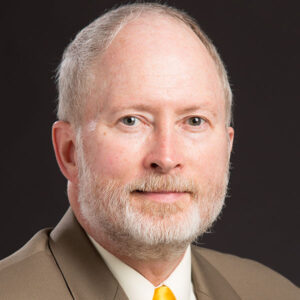 Distinguished Professor Mark D. Schwartz, of the University of Wisconsin–Milwaukee, is internationally recognized for founding the subdiscipline of phenoclimatology—the integrative study of relationships between seasonal biological activity and climate. Over four decades, his pioneering work has transformed understanding of vegetation phenology and its central role in assessing and predicting global environmental change. A prolific and influential scholar, Dr. Schwartz has authored more than one hundred peer-reviewed publications, edited three landmark editions of Phenology: An Integrative Environmental Science, and sustained continuous support from the National Science Foundation. His development of the “Spring Indices” revolutionized how scientists and agencies track the onset of the growing season, establishing indicators now used by the U.S. Global Change Research Program, the Environmental Protection Agency, and the USA National Phenology Network, which he co-founded. Through visionary research, mentorship, and leadership, Dr. Schwartz has elevated phenology from a niche topic to a core dimension of climate science. His work exemplifies geography’s power to bridge disciplines and connect data-driven inquiry with environmental understanding.
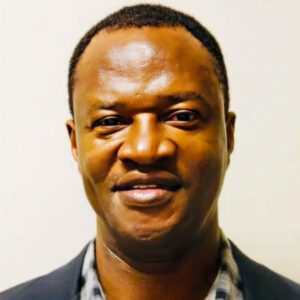 Dr. Seth Appiah-Opoku is honored with the AAG Distinguished Teaching Award for his exceptional contributions to geographic education over nearly three decades. A professor at the University of Alabama since 2002, he has demonstrated a deep commitment to student learning, curriculum innovation, and mentorship. His teaching blends interdisciplinary perspectives with experiential learning, including international field programs in Ghana.
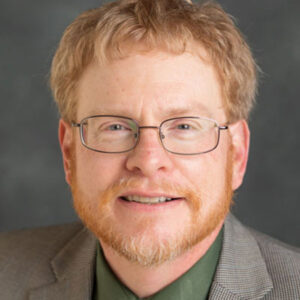 Dr. Derek H. Alderman, Chancellor’s Professor of Geography at the University of Tennessee, has received this year’s Gilbert F. White Distinguished Public Service Award. Dr. Alderman has three decades of experience advancing the field of social and cultural geography through public engagement and transformative leadership. He is a Fellow and former President (2017-18) of the AAG, having used his presidency to advocate for outreach, media engagement, and community partnerships as core professional responsibilities. He is equally dedicated to geographic education, earning the George J. Miller Award for Distinguished Service to Geographic Education (2023) and the Susan Hardwick Excellence in Mentoring Award (2024) for his extraordinary work mentoring graduate students and supporting K–12 teachers.
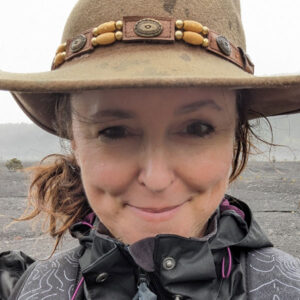 Dr. Karen Barton, Professor of Geography, GIS, and Sustainability at the University of Northern Colorado, is the inaugural awardee of the Public and Engaged Scholarship Honors. Given her outstanding community engagements, Professor Barton exemplifies the qualities celebrated by this honor—collaborative knowledge production; the integration of research, teaching, and service; and long-standing relationships with community partners around the world. Her community-engaged research is rooted in and extends the values shared by geographers and humanitarian scholars, cultivating environmental sustainability with community partners in places as varied as Senegal, Nepal, Nicaragua, and Norway. Whether teaching or engaged in community-based research and practice, Karen Barton embodies the ideals of Public and Engaged Scholarship. Her collaborative, inclusive, and responsive approach to research and teaching is exemplary of how geographers can create knowledge with, not merely about, communities. For more than two decades, Dr. Barton’s research on humanitarian disasters, environmental issues, and social challenges has earned international recognition and the deep respect of those with whom she works. Through numerous grants, including twelve Fulbright awards, she ensures that research translates into tangible, lasting benefits for the communities, students, and colleagues involved. This combination of initiative and stewardship has propelled innovation in her own teaching and spurred the purposeful evolution of the Geography, GIS, and Sustainability program at the University of Northern Colorado.
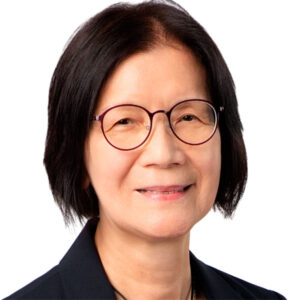 Dr. Nina Siu-Ngan Lam is the E. L. Abraham Distinguished Professor at Louisiana State University, and Wei Lun Professor at the Chinese University of Hong Kong. She has made transformative and enduring contributions to the field of geography for over four decades. As pioneering scholar in Geographic Information Science, spatial analysis, and environmental studies, Dr. Lam’s seminal research on spatial interpolation, scale, and fractal analysis established foundational principles that continue to shape contemporary GIScience and spatial modeling. Her innovative applications of these methods to topics of environmental health, disaster resilience, and sustainability have significantly advanced the understanding of human–environment systems. Notably, her Resilience Inference Measurement (RIM) framework provides a rigorous, data-driven approach for assessing community resilience to natural hazards.
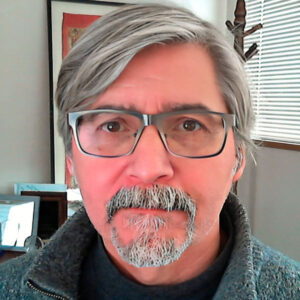 Dr. Paul Robbins has profoundly shaped geography through his transformative scholarship, exceptional academic leadership, and sustained public engagement. His pioneering work in political ecology has redefined how geographers understand human–environment relationships. His book Political Ecology: A Critical Introduction remains a foundational text in geography and beyond—spanning wildlife ecology, urban planning, and sustainability science—with more than 6,700 citations. His Lawn People—a highly original and witty exploration of the everyday political ecology of suburban landscapes—was honored with the AAG James Blaut Award and cited nearly 1,000 times.
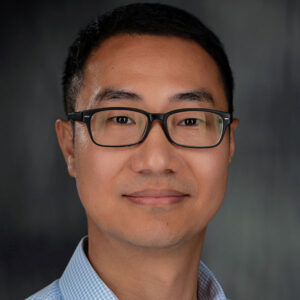 Dr. He Yin, Associate Professor of Geography at Kent State University, is honored with the AAG Media Achievement Award for his impactful and globally reaching research on the environmental consequences of armed conflicts and land abandonment. Dr. He Yin successfully translated sophisticated geospatial analysis into actionable insights that guide both humanitarian response and financial decision making.
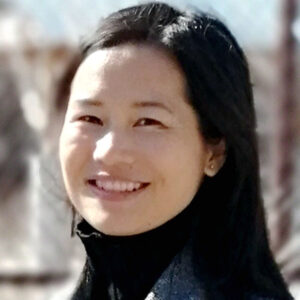 Dr. Qunying Huang is known for exceptional scholarship, exemplary dedication to training the next generation of geographers, significant contributions to the field of geography, and a strong commitment to diversity, equity, and inclusion. She leads an internationally recognized research program on geospatial big data and GeoAI at the University of Wisconsin-Madison and has established herself as a leading scholar in geocomputation and big-data sensing techniques for real-time emergency response and Earth observation. Dr. Huang is committed to high-quality teaching and mentorship, as evidenced by her recognition as a Madison Teaching and Learning Excellence Faculty Fellow at the University of Wisconsin, where she has made her courses accessible to over 700 students annually from diverse academic and cultural backgrounds. She is a sought-after advisor and has shepherded dozens of master’s and doctoral graduate students who have gone on to academia, government, and industry. She has served in various capacities for the AAG, including multiple roles within the AAG Cyberinfrastructure Specialty Group (CISG), and has organized and chaired numerous sessions at the AAG annual meeting. Her scholarly work has been dedicated to revealing and addressing social issues of underrepresented and marginalized groups, exploring access inequality, and developing evidence-based strategies for increasing equity and inclusion.
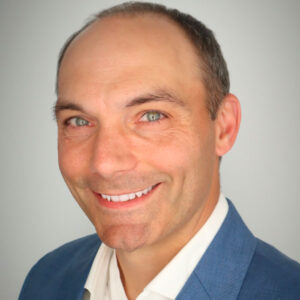 Dr. Peter Kedron is a leading geographer whose work advances fundamental understanding of spatial processes, innovation diffusion, and the dynamics of human-environment systems. As a faculty member at the University of California Santa Barbara, he is recognized for his methodological rigor and theoretical contributions to spatial data science and economic geography. Dr. Kedron’s research integrates spatial econometrics, geographic information science, and various forms of geospatial analytics to examine how ideas, technologies, and policies evolve across space and time. His pioneering studies on replication and reproducibility in geographic research have elevated the discipline’s commitment to scientific transparency and open scholarship. An active leader in the American Association of Geographers (AAG), Dr. Kedron has strengthened the link between geographic theory and data-driven policy solutions. His scholarship exemplifies the fusion of spatial thinking, computational innovation, and interdisciplinary collaboration that defines geography’s expanding role in addressing complex societal challenges.
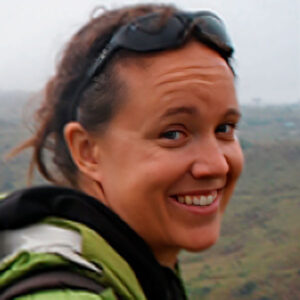 Dr. Abigail H. Neely is associate professor of geography at Dartmouth College, where she is recognized for her scholarship in political ecology, health, and social justice in sub-Saharan Africa. Her award-winning book Reimagining Social Medicine from the South (Duke University Press, 2021) reframes social medicine through ethnographic and archival work in rural South Africa, examining how human and more-than-human forces shape health and inequality. She has published widely in leading journals such as Social Science & Medicine and Progress in Human Geography, with research supported by major NSF and Yale fellowships. Dr. Neely has also played a key role in disciplinary service, including editorial work for Environment and Planning E and leadership of the AAG Working Group on Research Partnerships for Targeted Mentoring Networks. At Dartmouth, she advances socially engaged scholarship as the School House Professor, leading one of Dartmouth’s six house communities, as a former Senior Fellow in the Society of Fellows and as a committed mentor to students and early career scholars.
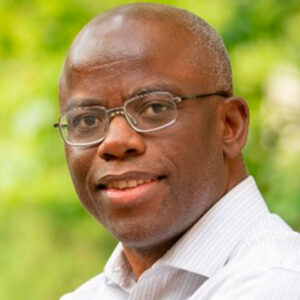 Dr. Godwin Arku has made significant contributions to the discipline of geography and to the AAG community through impactful scholarship, dedicated mentoring, and wide-ranging service. As professor and Western Faculty Scholar at Western University in Canada, he works in the field of urban geography, including examining the planning and management of cities, and assessing the lived experiences of urban residents, consistently foregrounding equity, institutional accountability, and the need for context-sensitive planning. Dr. Arku is deeply committed to mentorship and capacity building, having supervised many doctoral students who now hold academic and professional positions around the globe. Dr. Arku has made sustained contributions in foregrounding marginalized voices, including work on informal urban communities in Africa and racialized essential workers in Canada, and has been recognized with the Robbins-Ollivier Excellence in Equity Award. Dr. Arku served as the Chief Editor of the African Geographical Review, an official journal of the AAG published on behalf of its Africa Specialty Group. He has served the AAG in multiple other capacities, including as vice chair of the Africa Specialty Group, member of the Government Data and Employment Committee, and current member of the AAG Honors Committee.
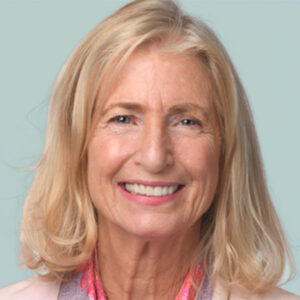 Dr. Marilyn A. Brown is a leading geographer and energy policy expert whose work has shaped national and global approaches to sustainable energy and climate solutions. A Regents’ Professor at the Georgia Institute of Technology’s School of Public Policy, she integrates geographic analysis with technology and policy research to advance understanding of energy transitions, innovation, and environmental equity. Previously at Oak Ridge National Laboratory, Dr. Brown led pioneering studies on renewable energy, efficiency, and the spatial dynamics of technological change. Her service on National Academies’ committees and contributions to the Intergovernmental Panel on Climate Change (IPCC) highlight her leadership in linking geography, science, and policy. Elected to the National Academy of Engineering (NAE) and the National Academies of Science, Engineering and Medicine (NASEM), and a Fellow of the American Academy of Arts and Sciences, Dr. Brown’s research continues to inform pathways toward a low-carbon, resilient, and equitable energy future.
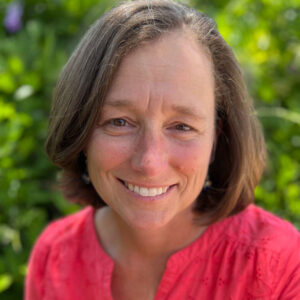 Dr. K. Maria D. Lane is a professor of Geography and Environmental Studies and Dean of Graduate Studies at the University of New Mexico, where she has advanced the discipline through innovative scholarship, institutional leadership, and community engagement. An internationally recognized historical geographer, she is the author of Geographies of Mars: Seeing and Knowing the Red Planet (2011) and Fluid Geographies: Water, Science, and Settler Colonialism in New Mexico (2024), both with the University of Chicago Press. These books illuminate how scientific and cartographic practices shape environmental knowledge and power. As department chair from 2014 to 2019, Dr. Lane launched the state’s first joint PhD in Geography, founded the R.H. Mallory Center for Community Geography, expanded faculty ranks, and redesigned the undergraduate curriculum. Her leadership in securing major NSF funding has strengthened graduate education, supported community-engaged research, and advanced climate change and geovisualization initiatives. She has also served as editor of both Historical Geography and the Journal of Historical Geography and continues to lead public scholarship projects such as the Indigenous Cartographies Symposium and the Native Trails geovisualization collaboration with the National Park Service.
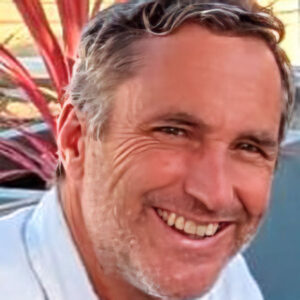 Dr. David López-Carr has conducted ground-breaking research on the intersecting issues of poverty, hunger, deforestation, and health in the Americas. A professor at University of California Santa Barbara, López-Carr’s pioneering work in land change science has deepened our understanding of the relationships between population dynamics and tropical deforestation, and the complicating influences of gender, local economics and remittances, and climate-driven impacts. International agencies and community organizations have benefited from his work documenting place-based ecological and socioeconomic drivers of environmental injustices faced by diverse communities across the globe. An inspiring teacher and visionary leader, Dr. López-Carr has mentored underrepresented scholars, advocated for equitable hiring, and shaped institutional practice by improving representation, recruitment, and retention.
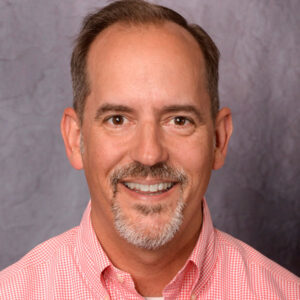 Dr. Jerry Mitchell, department chair and professor at the University of South Carolina, is a renowned expert in, and advocate for, geographic education. His extensive leadership, community outreach, and scholarly contributions combine a rigorous understanding of what geographic learning and teaching should aim for with creativity and entrepreneurial spirit to promote that intellectual vision. Through his two decade-long coordination of the South Carolina Geographic Alliance (SCGA), more than 40,000 teachers have received training, networking opportunities, and pedagogical support, making SCGA one of the most successful and innovative alliances in the U.S. As editor of the Journal of Geography, and president of the National Council for Geographic Education, he spearheaded efforts to strengthen and diversify geographic education scholarship; to increase involvement of early-career scholars; and to advance inclusion within the discipline. His many honors and awards, including the AAG’s Gilbert H. Grosvenor Honors in Geographic Education, are a testament to his transformative efforts to advance geographic education at all levels and to shape its future nationally and internationally.
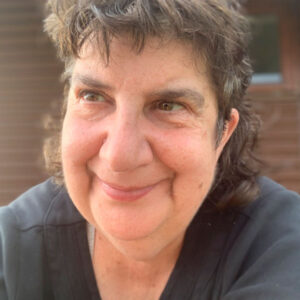 Dr. Joann Mossa is a highly productive fluvial geomorphologist who researches physical geography through a lens of human environment dynamics. Dr. Mossa has produced influential studies that examine coastal plain river systems as sources of water and assess the geomorphic consequences of mining, hydropower, floodplain alterations, and dredging. This work provides not only a scientific understanding of these processes but also a framework for evaluating their social and environmental tradeoffs. As an award-winning teacher and mentor at the University of Florida, her unwavering commitment to advancing discipline and mentoring the next generation of geographers is truly exemplary. She has been active in the AAG, SEDAAG, her state, university, and department, including service as president of SEDAAG and the Florida Society of Geographers. Dr. Mossa has received the AAG Geomorphology Specialty Group’s Mel Marcus Distinguished Career Award, the Richard J. Russell Award from the AAG’s Coastal and Marine Geography Specialty Group, SEDAAG’s Lifetime Achievement Award, SEDAAG Research Honors in 2022, and the inaugural Lifetime Achievement Award from the UF Geography department. The AAG is honored to recognize Dr. Joann Mossa as a Fellow.
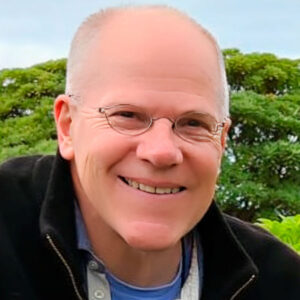 Dr. Michael Pretes, University of North Alabama, has balanced heavy teaching and mentoring responsibilities with impactful scholarship, extensive service to AAG and the profession, and meaningful public outreach, while still actively publishing research across a broad range of topics. He has taught more than fifty different courses covering human geography, physical geography, regional geography, and geographical methods. He has demonstrated a sustained commitment to advance justice, diversity, equity, and inclusion in the discipline, including recruiting colleagues and supporting students from varied backgrounds. Dr. Pretes has received numerous major teaching, advising, service, and scholarship honors including those from AAG, SEDAAG, APCG, NCGE, and his home university, and he served as the Distinguished Visiting Professor of Geosciences at the United States Air Force Academy in 2024-25. He has demonstrated exemplary service to the AAG, actively participating in the leadership of both SEDAAG in the region where he currently teaches, and APCG, his original home region, where he is serving as their Regional Councilor to AAG and has contributed as President, Awards Committee Chair, Archivist, and Chair of the Latina/o/e American Travel Scholarship Committee. With his incredible creativity and unwavering commitment to teaching, research, and service, the AAG proudly recognizes Dr. Michael Pretes as a Fellow.
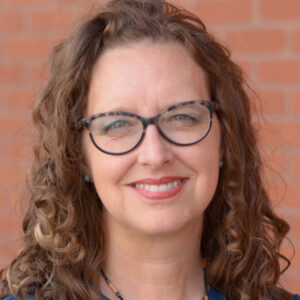 Dr. Patricia Solís is an influential geographer whose career bridges research, education, and global collaboration to advance the applied and socially engaged dimensions of geography. As research professor in the School of Geographical Sciences and Urban Planning and executive director of the Knowledge Exchange for Resilience (KER) at Arizona State University and co-founder of Youth Mappers, she has created innovative platforms connecting geographic scholarship with community resilience, open data, and youth empowerment worldwide. Dr. Solís’s work exemplifies how geospatial technologies and participatory mapping can address pressing challenges such as disaster preparedness, migration, sustainability, and social equity. Through leadership in the AAG and international initiatives, she has expanded opportunities for geographic learning and global engagement. A recognized advocate for inclusive and transformative geography, Dr. Solís has inspired a new generation of geographers to apply spatial thinking for social good—making geography a vital force for resilience, justice, and collective problem-solving in communities around the world.
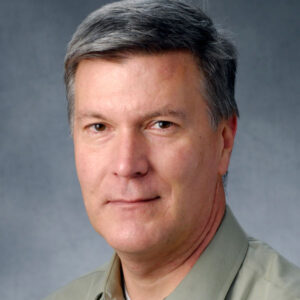 Dr. Barney Warf is a prolific scholar whose work probes and reveals the dynamic forces of change in political and economic geographies. His many books and articles have expanded the field to instill geographic insights into social and economic dimensions of modern life, including the transformative impacts of digital technologies and media, and the emergence of cosmopolitanism and post-truth geographies. A professor at the University of Kansas, Dr. Warf’s diverse contributions, including a prize-winning encyclopedia, have made geographical concepts and research findings accessible to academic and policy audiences, while increasing participation of early-career scholars who have benefited from his mentorship and editorial skills. In editorial positions at the Professional Geographer, GeoJournal, and other leading publications, and through longstanding AAG committee service, Dr. Warf has shaped the future of our discipline by expanding participation of diverse scholars, advancing a steadfast commitment to academic freedom and freedom of speech, and highlighting the responsibility that geographers bear in the public sphere.
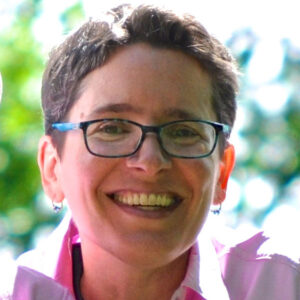 This award is presented in recognition of Sarah Elwood’s outstanding and sustained scholarly contributions, specifically her work on participatory, collaborative, and community-based GIS, relational poverty, and the broader dedication of her research and scholarship to social justice in the contemporary world. She is professor and chair of Geography at the University of Washington, doing research that focuses on digital technologies, urban geographies, and creative politics forged by structurally disadvantaged peoples fighting for equity, self-determination, and everyday thriving. Dr. Elwood has studied the use of geographic information systems (GIS) by neighborhood groups fighting gentrification and racial dispossession, interactive online mapping by children whose spatial knowledge and agency often go unseen, digital apps used in low-barrier employment by unsheltered people living and working in public space, and visual poverty politics advanced by unsheltered people and their allies. Works published from these lines of research have opened theoretical and methodological horizons in urban and digital geographies, relational poverty studies, critical and qualitative GIS, visual politics and mixed methods.
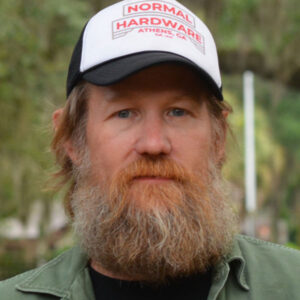 Nik Heynen has earned the Presidential Achievement Award in recognition of his work on urban social justice, ecological restoration, and his collaborative work with the Geechee community on Sapelo Island in Georgia, all of which reflect the broader dedication of his research and scholarship to social justice in the contemporary world. He is a Distinguished Research Professor in the Department of Geography at the University of Georgia, a visiting scholar in Food Studies at Spelman College, and the director of education for the Athens-based nonprofit organization Shell to Shore. His research interests sit at the intersection of economic, environmental, climate, and racial justice. For just over a decade, he has been working with members of the Saltwater Geechee in the Hogg Hummock community on Sapelo Island on the restoration of traditional agricultural practices and flood mitigation made necessary as a result of descendants losing their land to development pressure and increasing sea-level rise leading to more frequent flooding. Through this work he co-directs UGA’s Cornelia Walker Bailey Program on Land, Sea and Agriculture with Maurice Bailey.
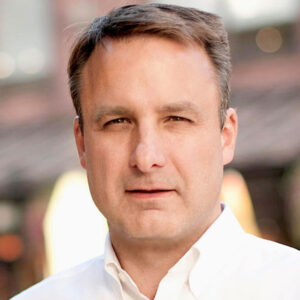 Dr. Jonathan (Jon) Foley is the Executive Director of Project Drawdown, and independent and internationally trusted organization that provides science-based guidance to climate solutions and strategies. A world-renowned environmental scientist, sustainability expert, and public speaker, Foley focuses on understanding our changing planet and finding new solutions to sustain the climate, ecosystems, and natural resources we all depend on.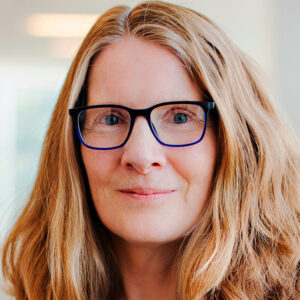

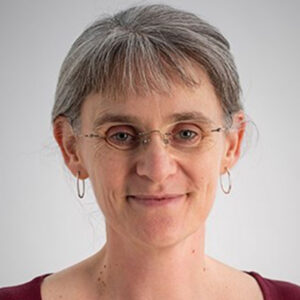 The American Association of Geographers recognizes Professor Sarah Holloway with the Susan Hardwick Excellence in Mentoring Award for her longstanding commitment to supporting students and colleagues, and her role in fostering a positive, inclusive academic environment. Over more than 30 years at Loughborough University, she has contributed to meaningful improvements in departmental and institutional culture through her teaching, mentorship, and dedication to equitable practices.
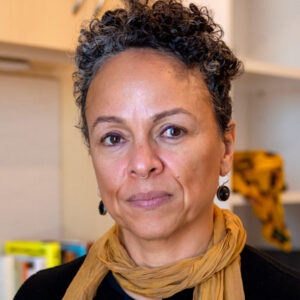 Dr. Rachel Goffe is a human geographer whose work sits at the intersection of social reproduction, carceral geographies, Caribbean Studies and Black Geographies. In a time when these issues are absolutely vital, Dr. Goffe is concerned with the state regulation of dispossession from life and land. While her work is situated in her native Jamaica, the work applies to us all, particularly via the global ramifications of considering racial capitalism, gentrification, placemaking, boundary writing, and how policy and the state help shape claims to the idea of home. Dr. Goffe also has a strong record of community engagement and service both in and out of the academy, including organizing writing circles for graduate students from conflict zones and supporting grassroots organizations that fight for Justice in Jamaica. As someone emphasizing the effects of today’s inequities and fighting to lessen them, Dr. Rachel Goffe should be recognized for continuing the legacy of Dr. Glenda Laws and her exemplary commitment to social justice and social policy.
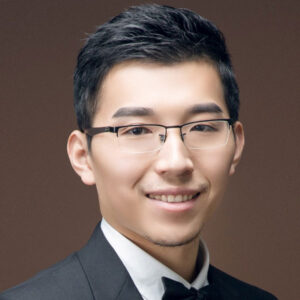 Dr. Xiao Huang is a data and environmental scientist who combines these two interests into work on disaster mitigation, human-environment interactions, disaster remote sensing, urban studies, and other areas. Rather than study data for data’s sake, he wants to put data to work studying and solving human problems. He shows that research, public service, and community engagement are not mutually exclusive endeavors. His research dossier advocates that “computational urban science needs to go beyond computational”: he considers how human mobility affects people’s lives how we can map floods in real time with social media, heat risk assessment in urban areas, and much more. His work has been featured in the popular media, showing the public how important geography is for solving social problems. Dr. Huang also has an extensive record of leadership in and service to the discipline. A true public scholar, Dr. Xiao Huang should be recognized for continuing the legacy of Dr. Glenda Laws’s exemplary commitment to social justice and social policy.
 Dr. Jayajit Chakraborty is a Professor and Mellichamp Chair in Racial Environmental Justice at the Bren School of Environmental Science and Management in the University of California, Santa Barbara, whose research has analyzed spatial and social inequalities associated with environmental hazards and disasters, as well as informed public policies that address environmental injustices. His extensive body of scholarly work, which includes many co-authored publications with graduate students, is well-cited both within and outside the academy. He has contributed to science research, writing, and advocacy, often as the only geographer, as a member of multiple US Environmental Protection Agency advisory committees. Dr. Chakraborty was recently included in the Stanford-Elsevier ranking of the world’s most cited researchers who are in the top 2% in their academic subfield (geography). He has mentored dozens of graduate and undergraduate students (including first-generation and minority students), taught undergraduate and graduate courses across various geographic subfields, served on the editorial boards of several Geography and Environmental Science journals, and chaired AAG committees.
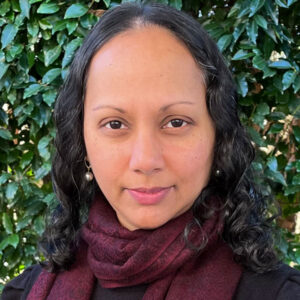 Dr. CindyAnn Rose-Redwood, Teaching Professor of Geography at the University of Victoria, is recognized for her exceptional dedication to teaching excellence, inclusive pedagogy, and student mentorship. Widely recognized as an inspiring instructor and innovative educational researcher, she has received prestigious awards from the Canadian Association of Geographers, the University of Victoria, and the American Association of Geographers, as well as several teaching and learning grants. Dr. Rose-Redwood’s pedagogical creativity is evident through her course design and leadership in integrating anti-racism and social justice into geography curricula, advancing the discipline’s capacity to engage urgent contemporary issues. Beyond the classroom, she has been a transformative mentor to undergraduate and graduate students, serving as a dedicated faculty advisor for student organizations and creating empowering environments for international and first-generation students. Her mentorship has nurtured the next generation of geographers, activists, and community leaders. Also significant are her scholarly contributions to understanding international student experiences. In addition to several refereed articles, her two widely recognized co-edited books reposition international students as critical social actors in shaping higher education, migration, and cultural politics.
 Dissertation: “From adaptation to entrapment: Evidence of aquaculture-induced salinity feedback in coastal India”
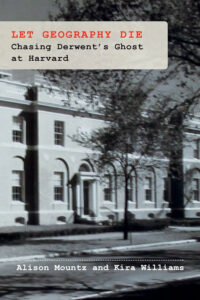 Alison Mountz and Kira Williams offer a dramatic and important reworking of the disciplinary history of geography itself with Let Geography Die: Chasing Derwent’s Ghost at Harvard (MIT Press, 2025). Not only does this important book re-examine a crucial story in the discipline’s institutional trajectory within the U.S. academy, it also offers a creative and compelling model for blending together scholarly history with the reflexive practices of contemporary disciplinary critique. Combining a new reading of archival sources with new questions about queer identity and academic politics, Let Geography Die isn’t just an exhumation of a particular painful moment in geography’s past, but also an inquiry into the discipline’s present and future. It makes compelling reading for any geographers who wish to reflect on how scholarly effort and personal longing fit into the broader systems of disciplines and institutions.
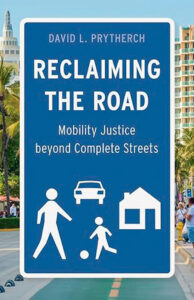 What would our streets, cities, and neighborhoods look like if urban plans took geographers and their studies seriously? With Reclaiming the Road (University of Minnesota Press), David Prytherch shows us the promise of communities planned, designed, and built for humans, rather than solely cars. Through rich case studies, extensive historical-geographical contexts, and delightful prose, the book offers an indispensable guide for re-engineering urban space through best practices, human-centered designs and policies, and abiding attention to intersectional concepts of equity and justice. In-depth interviews with transportation advocates, city planners, and community leaders across nine U.S. cities meld with interdisciplinary yet accessible theoretical discussions to ground the analysis in both lived experience and insightful scholarship. Immersed in dialogues linking practice, advocacy, and scholarship, Reclaiming the Road wields the powers of geography to ask more of urban design and to reimagine our communities as spaces of mobility and justice.
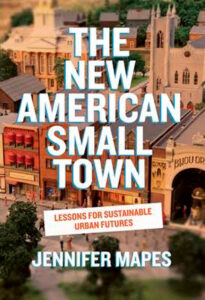 Jennifer Mapes is the recipient of this year’s John Brinckerhoff Jackson Prize from the AAG. Mapes is an astute reader of the cultural landscape, deploying her skills in reading and interpreting the American small town and its evolution. Attentive to the social and political forces that shape places and landscapes, The New American Small Town (West Virginia University Press) challenges stereotypical perceptions and offers a new interpretation by highlighting the diversity among American towns, based in part on the lived experience of their residents. Mapes introduces a typology to show differences among small towns and discusses images ranging from the nostalgic ideal of the “real” America to stale and declining places to towns struggling to respond to rapid growth. With approachable and engaging writing, the book should be interesting to a wide range of readers, equally appealing for a graduate seminar and a general audience. The New American Small Town addresses a big theme in American geography and will encourage readers to think about these places in new ways.

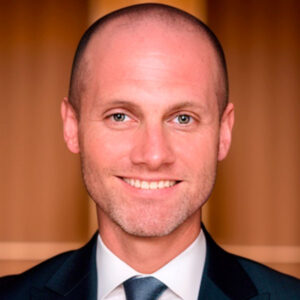 Anthony Howell is the new Geographic Methods editor for the Annals of the American Association of Geographers. He is an associate professor, director of the Center on Technology, Data, and Society (CTDS), and senior sustainability scientist at Arizona State University. Howell brings to the editorship at Annals a background in computational, geospatial and quantitative social science methods. He currently serves as an associate editor for two journals (Progress in Economic Geography and Urban Governance) as well as having served as a guest co-editor for Economic Modeling. He works across several subspecialties in geography, including economic geography, industrial geography, development geography, and population geography, as well as the broader social sciences.
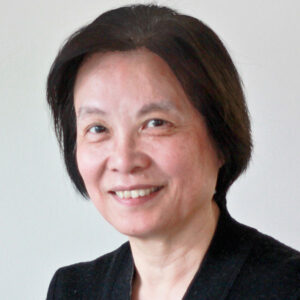 We thank longtime, outgoing editor Dr. Ling Bian, an AAG Fellow and professor in the Department of Geography at the University at Buffalo. Dr. Bian has been the Geographic Methods editor of the Annals since 2018, and also serves or has served on the editorial boards of numerous geography and GIScience journals, as well as on review panels for the National Science Foundation and the National Institutes of Health. Her current research interests include conceptual and analytical frameworks for the representation of dynamic geographic phenomena, individual-based and spatially explicit modeling of health behaviors, and spatial networks. During her tenure as an Annals editor, Dr. Bian has dedicated her efforts to advancing the geography discipline by promoting intellectually in-depth and socially relevant research outcomes.