The Geographies of New York Seltzer
To discover the joys and journeys of one of the world’s most iconic effervescent drinks, you first need to walk through the modern Jewish diaspora. Starting in the mineral spa town of Selters in German’s Rhineland, the naturally carbonated waters gave the drink its name sometime in the 18th century. Rich in sodium bicarbonate, calcium, magnesium and potassium, the waters of Selters were known for their restorative properties. The town is also in the Rhine River watershed, near the cities of Speyer, Worms, and Mainz, known as ShUM (שו”ם ), “the cradle of Ashkenazic Judaism,” when the drink first became popular. Selters provides one connection to the traditional Jewish involvement with seltzer as a health drink, and later a drink of celebration and merriment.
Early claims that seltzer is antibacterial are not untrue: the carbonic acid in fizzy water does lower pH and can kill some bacteria. The health benefits of naturally bubbly mineral springs such as Selters prompted scientists to perfect a human-made version by forcing gaseous carbon dioxide into water. The first to do this was Englishman Joseph Priestley in 1767. By 1783, enthusiasm for seltzer inspired watchmaker Johann Jacob Schweppe to found his company of the same name (yes, that Schweppe’s) in Geneva, Switzerland. He invented a revolutionary, crank-operated compression pump, perfected later by French inventors as the soda siphon, which works by being pressed instead of cranked.
A Carbonated Diaspora
Home to the largest single Jewish population in the world, just under 3 million regionwide, New York City long attracted Jewish migration, including the large population of Sephardic Jews from Brazil in in the 1650s during the Portuguese Inquisition. Mass in-migration accelerated from the 1830s to the late 19th century, especially after Czar Alexander II was assassinated in Russia, setting off a wave of pogroms (targeted ethnic violence against Jews) across Europe. That exodus is the one largely responsible for the Jewish food and food businesses that make New York famous now for its bagels, pickles, creamed herring, and other delights, including seltzer.
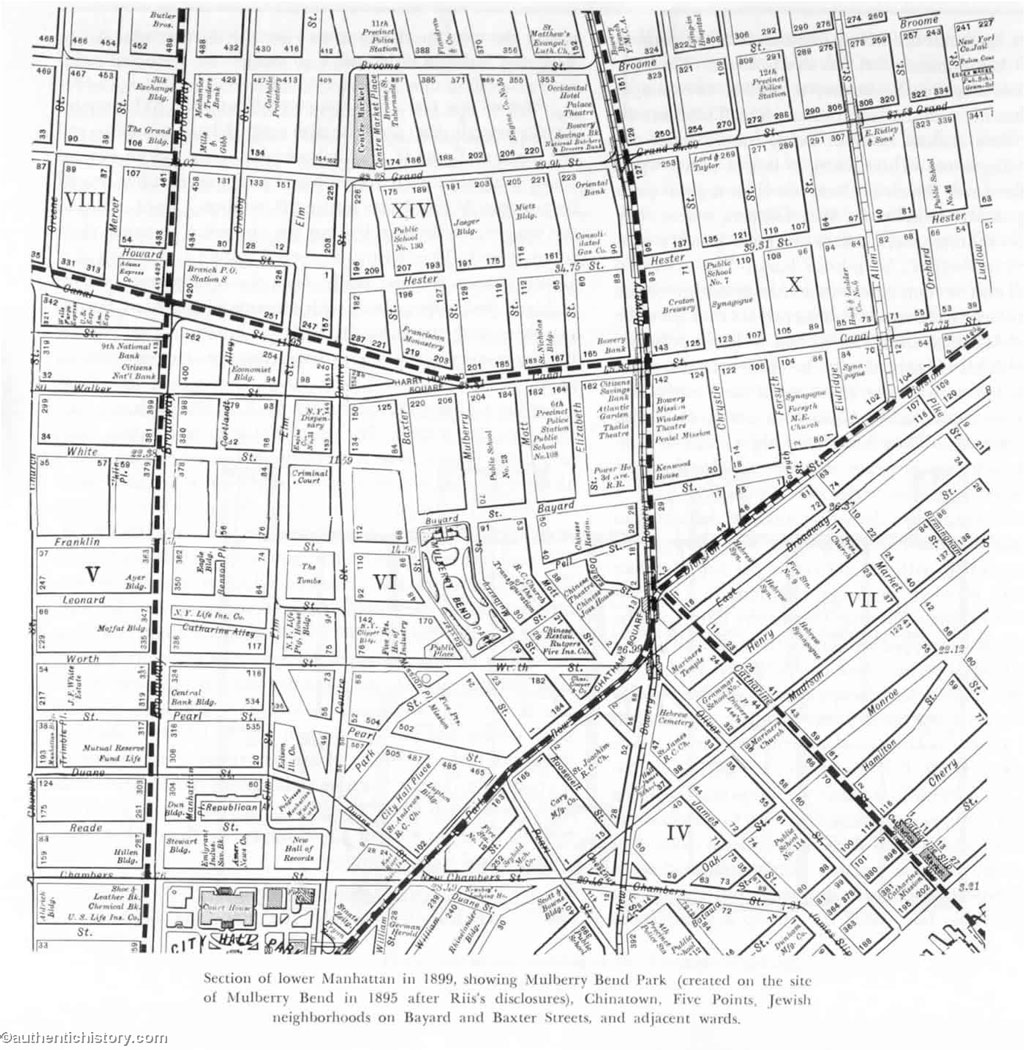
Sometimes affectionately called Jewish Champagne, seltzer wasn’t just a luxury item. As the tenement districts grew overcrowded in the late 19th century, poverty and health hazards increased. Seltzer became an important way to avoid contaminated drinking water, and to have something elegant on a budget. The birth of the New York Egg Cream is attributed to Jewish candystore owner Louis Auster, probably in Brooklyn. Despite its name, there are no eggs or cream in it, just milk, chocolate syrup, and seltzer.
Anita Garlick recalls her childhood and the sought-after treat of the egg cream in the Jewish community of Brownsville, Brooklyn in the 1930s:
By the 1920s, all of New York had discovered seltzer, and kept the deliverymen busy dropping off crates of the stuff for use in soda fountains and cocktails. At one point, there were hundreds of routes and thousands of destinations throughout the five boroughs, particularly in the Lower East Side and downtown areas spanning from Canal Street up to 30th Street. Many bottling companies were in Brooklyn in neighborhoods like Williamsburg, Bedford-Stuyvesant, Canarsie, and Cypress Hills. But formal maps of the routes don’t exist, because “seltzer men” or syphoners operated independently, memorizing their routes or keeping them in private logbooks.
Seltzer delivery was a tough job, especially in buildings with no doormen or elevators. Manufacturing hubs were small-scale, trucks were initially horsedrawn, and some deliveries might even be made by bicycle for the tightest street grids.
Wise guy, eh?
New York seltzer took on a cultural life of its own. During Prohibition, many bars opened nonalcoholic soda fountains to survive. Even after repeal in 1933, seltzer reigned supreme, as the tricks and craft of the underground surfaced in new cocktail innovations.
In Hollywood, the spraying seltzer bottle became a recurring gag in movies, rivaling the classic cream pie in the face for screentime. Popularized by comedy acts like The Marx Brothers and the Three Stooges (incidentally, all of them Jewish immigrants or first-generation Jewish Americans), the lowly seltzer bottle because a sturdy weapon of mirth.
But by the 1940s the seltzer trade was waning, By the 1970s, it was nearly extinct. Hand-delivered seltzer from pressurized bottles disappeared for a variety of reasons, at least one of them surprising: The world’s seltzer bottle manufacturers were primarily in Czechoslovakia, and their factories were destroyed during World War II. The pressure to produce war materials effectively shut down American bottle production. The death blow was the widescale production of flavored sodas for soda fountains and bottled seltzer for groceries stores that left the industry flat.
The Last Seltzer Company in New York
In 2017, Eli Miller, one of New York’s last seltzer man, passed his route on to Alex Gomberg, a third-generation member of a seltzer family in Brooklyn. Gomburg’s Brooklyn Seltzer Boys has taken over the remnants of this once thriving business. Gomberg also cofounded the Brooklyn Seltzer Museum with co-curator Barry Joseph; the two sponsor festivals, virtual tours, and egg cream parties.
New York seltzer is made with New York tap water (some of the world’s best municipal water), from the Catskill and Delaware watersheds. Filtered through charcoal, sand, and paper, the water is then chilled to 42 degrees and mixed in a carbonator where liquid CO2 is introduced.
“We dial the gas up to 60 pounds of pressure; that’s a lot of pressure,” Gomberg told an interviewer from The Tablet. “You need a thick bottle.” Gomburg’s business, which was founded by his great-grandfather Moe in 1953, still uses the same 26-ounce bottles in blue, green, and clear glass, many decades old and hand-blown in Czechoslovakia. The metal siphons that cap the bottles are scarce, and Gomburg often resorts to piecing together two imperfect sets to make a new one. Although this creates a—forgive me—bottleneck in serving new customers, there are no shortcuts possible to the real thing.
“Good seltzer should hurt — it should be carbonated enough that it kind of stings the back of your throat,” says Gomburg. And there’s only one way to make it that way: with an old-fashioned siphon in an old glass seltzer bottle.
New Life in Old Places
The region where seltzer was born is making a comeback. In 2021, the ShUM area of the Rhineland was placed on the UNESCO World Heritage List for its Jewish history and culture. Although the Jewish population of these small cities is less than 50% what it was before the Holocaust, there is hope that additional attention and resources can help restore and preserve vital Jewish cultural resources and culture, notably the still-active synagogues in the region, including the world-famous synagogue of Worms, destroyed by the Nazis in 1938 and since magnificently restored.
The perfection and export of seltzer in the Jewish Diaspora is a very small part of the 1,000-year history of ShUM, a region better known for scholarship, religion, and culture than it is for bubbly water. But so much of culture is carried in food, in celebration, and in the day-to-day pleasures that bring us hope and connection. What better place to find hope than the effervescence of a cool drink?