Richard R. Randall

Dick Randall, geographer, cartographer, and former executive secretary of the US Board on Geographic Names, passed away on March 14, 2015, at the age of 89.

Richard Rainier Randall was born on July 21, 1925, in Toledo, Ohio, into a family of surveyors and cartographers. His middle name came from his relative Admiral Peter Rainier, after whom Mount Rainier was named. Several decades later Richard found himself on the map too.

His father, Robert H. Randall Sr., initially worked as a surveyor with the US Geological Survey in Ohio. Then in 1917 he founded a geodetic and topographic surveying company and his contracts resulted in the first large-scale topographic maps of about 35 cities in the US that were to prove invaluable for local city-planning programs.

In 1936, Robert moved his family to Washington, DC, and joined the US National Resources Board as an adviser in natural resources and cartography. He was then appointed as Coordinator of Maps with the Bureau of the Budget, responsible for liaising with different federal agencies to coordinate cartographic programs and reduce the duplication of map and chart production. He was also instrumental in creating the American Congress of Surveying and Mapping in 1941, a national body for professional surveyors and mappers, and was its first president.

Robert’s career had a significant impact on his three sons. The eldest, Robert H. Randall Jr., received a degree in civil engineering and became an ensign with the US Coast and Geodetic Survey. He served on ships surveying US coastal and undersea areas to produce or revise maritime charts. He later joined the US Navy Hydrographic Office. The middle son, William E. Randall, also studied civil engineering then worked with the US Coast and Geodetic Survey from 1943 to 1974. He spent many years on survey ships in the Atlantic, Pacific and Caribbean, as well as doing aerial photogrammetric mapping in Alaska. The youngest son, Richard R. Randall, was to follow in a similar vein.

During the summer of 1943, 18-year old Richard was employed by the Alaska Branch of the US Geological Survey in Washington. Its mission was to work with aerial photographs and stereoscopic instruments to plot principal points as the basis for detailed topographic maps.

This was followed by a stint in the US Army, serving with the 94th Infantry Division in Europe during the Second World War. He was awarded the Combat Infantryman badge, the Bronze Star, and four Battle Stars.

After the war, Randall entered George Washington University and followed in his brothers’ footsteps to study civil engineering, but soon changed his major to geography. He received his bachelor’s degree in 1948 and master’s degree in 1949. After working for a year as a geographer with the Army Map Service, he entered Clark University Graduate School of Geography. His period of studies included a Fulbright Scholarship to Austria (1953-54) which shaped his doctoral thesis on The Political Geography of the Klagenfurt Plebiscite Area.

After gaining his PhD in 1955, Randall worked with the Central Intelligence Agency for the next six years, first specializing in editorial work in its Geography Division and later developing studies of Eastern European countries from a geographical perspective.

In 1961 he became the Washington representative for publishers Rand McNally and Company. He was responsible for collecting maps and related geographical data from federal and foreign sources to support the company’s extensive program of producing maps, atlases, globes, textbooks and other products.

One of Rand McNally’s flagship products was the Cosmopolitan World Atlas. In 1969 Randall developed the first series of maps showing the world’s oceans and water bodies for inclusion in the atlas. He secured the collaboration of William Menard, a leading academic expert in oceanography, to identify sea-bottom features, while he obtained photographs of deep-sea creatures and other features, and wrote descriptions of them.

After eleven years with Rand McNally, Randall moved back into government service. In 1973 he became the geographer of the Defense Mapping Agency (now the National Geospatial-Intelligence Agency) and the executive secretary of the US Board on Geographic Names (BGN).

The BGN is the arbiter of the nation’s nearly four million place names and of the federally-accepted version of the uncounted millions of foreign names, including the labels for topographic features on sea-beds and on extraterrestrial bodies. Its mandate extends from the smallest crossroads hamlet to the far side of distant planets, and its decisions affect legal, political, economic, academic, and military matters.

In these positions, Randall worked with representatives of many foreign countries and international bodies such as the United Nations.

His interest in oceanography continued while at the BGN. One of the programs that he administered related to naming undersea features. This required work with the United Nations Working Group on Undersea and Maritime Feature Names and the International Hydrographic Organization. He was active in formulating definitions of features being revealed by US sea-bottom surveys and establishing the conventions for naming them.


The latter period of his time at the BGN saw particularly dramatic boundary and mapping issues relating to the break-up of the Soviet Union, to which Randall made a significant contribution.

After 20 years at the helm of the BGN, Randall retired in 1993. A year later, the Advisory Committee on Antarctic Names named a 3,000-meter mountain in Antarctica as Mount Randall in recognition of his contributions to geographic nomenclature.

In retirement, he wrote a book entitled Place Names: How they Define the World – and More (Scarecrow Press, 2001). Drawing from his life’s experience, he explored how place names influence many aspects of people’s lives and shape the way people view the world around them. He demonstrated how place names have become essential elements of our everyday vocabulary, and are ingredients of music and literature. He explored the political importance of place names in military and diplomatic matters and described various disputed and controversial location names. There was also space in the book to share some of his work on the importance of identifying and naming undersea features.

Randall was a member of American Congress on Surveying and Mapping and established its first press relations program in 1966. He joined the Association of American Geographers in 1956, and was also a member of the American Geographical Society, the American Names Society, the Cosmos Club, and the Explorers Club.

During his retirement years in Washington, DC, Randall remained occupied with various professional and civic organizations. This included contributing to the AAG’s Careers in Geography program. He held his own career up as an example of how to be a practical geographer outside of academia and teaching.

In recognition of his contributions to geographic naming, Randall was inducted into the Hall of Fame of the NGA in 2008. Further honor came in 2009 when the BGN named a group of four seamounts located southeast of the Marshall Islands in the Pacific Ocean as the Randall Seamount Group after a father and his three sons who made such a distinguished contribution to surveying, cartography and geographical nomenclature.

Randall was fascinated by the world and the people in it. He relished meeting new people, learning about their lives, sharing his experience, and exchanging ideas.

He was also actively engaged in his local community, both the Cleveland Park neighborhood in Washington, DC, where he and his wife lived since 1966, and the West Virginia farmlands where they owned a family retreat. He absorbed all he could about history, points of interest, and local issues.

Dick leaves behind his wife of 52 years, Patricia; their children, Allison, Susan and Richard Rainier Jr.; and grandchildren Lily, Felix, Hazel, Kumari and Truman.


    Share

Theme and Events Planned Around the Launch of AAG’s New ‘GeoHumanities’ Journal

GeoHumanities, the AAG’s new interdisciplinary scholarly journal, co-edited by Tim Cresswell (History and International Affairs, Northeastern University) and Deborah Dixon (Geography, University of Glasgow) will begin publication in fall 2015. GeoHumanitites seeks to publish peer-reviewed articles that span conceptual and methodological debates in geography and the humanities; critical reflections on analog and digital artistic productions; and new scholarly interactions occurring at the intersections of geography and multiple humanities disciplines.

GeoHumanities will include full length scholarly articles of around 8,000 words in the GeoHumanities Articles section and shorter creative pieces of around 2,000-40,000 words that cross over between the academy and creative practice in the Practices and Curations section.

Submissions to GeoHumanities will undergo the same double-blind peer review process as other AAG journals on a dedicated ScholarOne Manuscript Central site. The AAG will begin accepting papers for review in the coming weeks. The call for papers will be announced online at www.aag.org.

Several sessions have been organized around the theme of “GeoHumanities” and the launch of the new AAG journal.

Learn More

Launch of GeoHumanities Journal

Thursday, April 23, 2015
1:20 p.m.-3:00 p.m.
Location: Gold Coast Room, Hyatt Regency, Chicago

The AAG will launch its new journal, GeoHumanities, at the AAG Annual Meeting in Chicago during this special panel session. The co-editors will discuss their visions for the journal.

Chair: Douglas Richardson, Association of American Geographers

Panelists:

  • Douglas Richardson, Association of American Geographers
  • J Nicholas Entrikin, University of Notre Dame
  • Tim Cresswell, Northeastern University
  • Deborah Dixon, University of Glasgow
  • Peter Bol, Harvard University

GeoHumanities Journal Reception

Routledge will host a special reception following the panel session to commemorate and celebrate the launch of the new GeoHumanities journal. Look for more details soon.

    Share

Newsletter – March 2015

PRESIDENT’S COLUMN

ec189f98-c150-48ab-8081-6d219da7af06
Domosh

Curating the AAG

By Mona Domosh

Even more accurate than the first daffodil as a mark of spring’s approach is the onset of my recurring anxiety dream. It goes like this: I’m walking quickly through endless corridors, becoming more and more filled with dread as I just can’t seem to find the room in which I am about to present a paper. It is my “AAG” nightmare. About 15 years ago or so it replaced my “exam” nightmare, the one in which I’m in a room about to take an exam and realize that I know nothing about the subject. I’ve been told these types of anxiety dreams are common and “normal” and, at least for me, as our annual conference approaches, they are always tempered by the anticipation of connecting with old friends and the excitement of encountering new ideas. And Chicago 2015 promises to fulfill those expectations in spades. Continue Reading

Recent columns from the President

Theme and Events Planned Around the Launch of AAG’s New ‘GeoHumanities’ Journal

The AAG has organized a panel session at its annual meeting to launch its new journal, GeoHumanities, which will be published by Routledge. GeoHumanities will draw on and further explore the multifaceted scholarly conversations between geography and the humanities that have been evolving over the past decade, and it will serve as a home for critical and creative interdisciplinary works. The session begins at 1:20 p.m. on April 23, 2015, at the Hyatt Regency Chicago. Panelists will include the journal’s editors, who will discuss their visions for the journal. A reception hosted by Routledge will follow. Learn More.

ANNUAL MEETING

Tiede_Hans-Joerg_400px-150x150-1
Hans-Joerg Tiede

AAG Announces Centennial Celebration for Professors’ Association (AAUP)

The AAG is pleased to announce a special session at the 2015 AAG Annual Meeting in celebration of the American Association of University Professors (AAUP) Centennial.

Hans-Joerg Tiede, Professor of Computer Science at Illinois Wesleyan University, will address the principles of academic freedom: what academic freedom is, why it matters, and how it is safeguarded. The presentation will include a discussion of relevant AAUP policies for protecting academic freedom. Learn More.

FOCUS ON CHICAGO

1808_S_Morgan_03_28_2014A-300x225-1Pilsen – The Gentrification Frontier

By Euan Hague

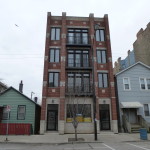
On the night of January 22-23, 2015, the windows of Bow Truss Coffee at 1641 West 18th Street on Chicago’s Lower West Side were covered with handwritten posters declaring “Wake up and smell the gentrification … ¿Sabes dondes estas? ¡La raza vive aqui! … Sugar with your gentrification?” An artisanal coffee roaster that has two other locations in the city, Bow Truss had opened on 18th Street a few months previously in summer 2014. To many residents of this Pilsen neighborhood, the arrival of Bow Truss and its gourmet coffee, priced at more than double that sold at Dunkin Donuts on the same block, symbolized what had long been feared: gentrification was fundamentally changing their community, remaking it into a place where they could no longer afford to live. Continue Reading.

14308433463_5f2562761d_z-300x199-1What’s in a Nickname? In the case of Chiraq, a Whole Lot
By Derek Alderman and Janna Caspersen

Chicago goes by many nicknames—from the widely recognized “Windy City” and “Second City” to more obscure and seemingly puzzling associations, such as “Paris on the Prairie” and “The Smelly Onion.” Nicknames are important branding strategies used by civic boosters, and Chicago’s namesakes are frequently employed to market the city and its surrounding region as “The Jewel of the Midwest” and “Heart of America.” At the same time, urban monikers can arise from the wider public and they have sometimes been used to draw attention to negative qualities of Chicago life. With the help of a NWS meteorologist and social media, the city was rechristened “Chi-beria” during the record-breaking cold weather of 2013-14. The Wall Street Journal identified Chicago as “Beirut by the Lake” when reporting on the intense political infighting on the city council in the early- and mid-1980s. Continue Reading.

[Focus on Chicago is an on-going series curated by the Local Arrangements Committee to provide insight on and understanding of the geographies of Chicago]

About Featured Themes

Each year, the AAG identifies a few themes for its Annual Meeting to help focus discussion and provide a fresh and engaging structure to the conference program. Current themes include:

Learn More.

NEWS

NGEF-NCRGE-Alliance-300x200-1AAG Receives Grant for New Research with Geographic Alliances
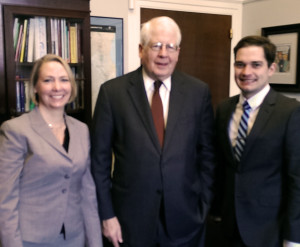
The National Geographic Society’s Education Foundation has awarded the AAG a grant to involve several Geographic Alliances in the work of the National Center for Research in Geography Education, a research consortium led by the AAG and Texas State University.

Last month, the Coordinators of the Alabama, California, Iowa, and Kansas Geographic Alliances met over two days with the NCRGE Co-Directors, Michael Solem and Richard Boehm, and several researchers associated with two current NCRGE research initiatives funded by the National Science Foundation: GeoProgressions, a capacity-buidling project for learning progressions research, and GeoSTEM (GeoSpatial Teaching Enrichment Modules), a pilot project that is supporting the Esri-ConnectED initiative by creating ArcGIS Online-based resources, materials and tools for STEM teacher education programs. Read More.

FUNDING OPPORTUNITIES

Charles Redd Center for Western Studies Offers Multiple Awards for 2015

The Charles Redd Center for Western Studies has announced multiple awards for 2015 that are available for scholars conducting research related to Arizona, Colorado, Idaho, Montana, Nevada, New Mexico, Utah, or/and Wyoming. Follow the link to https://reddcenter.byu.edu/Pages/Apply-for-an-Award.aspx for further information and application instructions. Applications for 2015 are due by 11:59 p.m. MST on March 15. Learn More.

Call For Submissions: 2015 IPSG Graduate Student Paper Competition

The Indigenous Peoples Specialty Group (IPSG) invites submissions for its annual Graduate Student Paper Competition, in conjunction with the 2015 AAG general meeting. We invite graduate student papers addressing indigenous critical cartography, geographic research, education, methodologies, and/or theory. Learn More.

MEMBER & DEPARTMENT NEWS

Dale Quattrochi Receives Helmut Landsberg Award for Research in Urban Heat Island Effect

Dale A. Quattrochi, a geographer and senior research scientist at the NASA Marshall Space Flight Center in Huntsville, AL, is the recipient of The Helmut Landsberg Award given by the American Meteorological Society (AMS) at the society’s annual meeting held in Phoenix, AZ, on January 4-8, 2015. Read More.

Susan Hanson to Serve on National Academy of Sciences Governing Council

Susan Hanson, Distinguished University Professor Emerita in the School of Geography at Clark University, has been elected by the members of the National Academy of Sciences to serve a three-year term on its governing council. Hanson currently serves as Chair of the Transportation Research Board’s (TRB) Subcommittee for National Research Council Oversight (NRC) and is a member of the TRB Executive Committee. Read More.

Webb-and-Frescoln-with-Rep.-Price-300x247-1Michael Webb Publishes Report on U.S. Department of Housing and Urban Development Moving to Work Demonstration
AAG member Michael Webb has recently published a report on the Moving to Work demonstration, a program introduced by the Department of Housing and Urban Development (HUD) in 1996 that allows high-performing housing authorities the flexibility to respond to local housing needs. This report offers comments meant to guide current debates about the extension of the Moving to Work agreements and providing a basis for future evaluations. Read More.

IN MEMORIAM

Graeme Hugo
C. Gregory Knight
Ruth Shirey
Joseph Sonnenfeld

POLICY UPDATES

Presidents-FY-2016-Budget-Request-232x300-1COSSA Reviews President’s Budget Request for Social and Behavioral Science


COSSA announced last week that President Obama released his fiscal year (FY) 2016 budget request to Congress on February 2, officially kicking off the FY 2016 appropriations process. In turn, COSSA has released its analysis of the President’s budget request. The 62-page report provides funding details for all federal departments, agencies, and programs important to social and behavioral science research. It outlines the President’s funding proposals as they compare to current (FY 2015) levels. In addition, the document serves as a helpful catalog of social science programs and initiatives across the federal government. Read More.

Courtesy COSSA Washington Update

PUBLICATIONS

New Books Received — February 2015

The AAG Review of Books office has released the list of the books received during the month of February.  Read More.

People, Place, and Region Section Editor Sought for ‘Annals of the AAG’

The Association of American Geographers seeks applications and nominations for the People, Place, and Region section editor for the Annals of the Association of American Geographers. The new section editor will be appointed for a four-year editorial term that will commence on January 1, 2016. The appointment will be made by fall 2015. Read More.

Nature and Society Section Editor Sought for ‘Annals of the AAG’

The Association of American Geographers seeks applications and nominations for the Nature and Society section editor for the Annals of the Association of American Geographers. The new section editor will be appointed for a four-year editorial term that will commence on January 1, 2016. The appointment will be made by fall 2015. Read More.

New AAG Position Opening: Editorial Associate

The Association of American Geographers (AAG) has an immediate opening for the position of Editorial Associate, to be located at the AAG’s central office in Washington, DC. In collaboration with the Managing Editor and the Production Editor, the Editorial Associate will contribute to the day-to-day operations of the AAG’s four scholarly journals: Annals of the Association of American GeographersThe Professional GeographerThe AAG Review of Books, and GeoHumanitiesRead More.

JOBS & CAREERS

Jobs and Careers Center at the 2015 AAG Annual Meeting

In recent years, careers and professional development activities at the AAG’s Annual Meeting have been expanding and broadening. Thanks in part to positive feedback and attendance, the 2015 Annual Meeting in Chicago will continue to feature the Jobs and Careers Center, a centralized location where conference attendees can attend panel discussions, participate in workshops, receive free career mentoring, view job postings, network with other geographers, and browse a variety of information and educational materials.

This year’s track of careers sessions will kick off on Tuesday, April 21 with a panel discussion for newcomers to the conference and a workshop on teaching with the book Practicing Geography: Careers for Enhancing Society and the Environment. Read More.

MORE HEADLINES

Op-Ed: Preemption and Scalar Politics, from Living Wages to Hydraulic Fracturing

By Christian Brannstrom and Matthew Fry

If municipal political geographies seem boring, think again. In Texas, where we study municipal oil and gas drilling ordinances with support from the National Science Foundation (and live in cities with active drilling), fundamental questions are being raised: What are state governments for? What are municipalities for? How do opposing sides frame their struggles to determine the locus of regulation and control over activities like oil and gas drilling and hydraulic fracturing (fracking)? Read More.

GISCI Announces Changes to the GISP Certification Process

The GIS Certification Institute (GISCI) is changing the GIS Professional (GISP) certification process following decisions made during its first 2015 meeting. These changes affect both current and future GISP certification holders and were made in order to increase the value, recognition and long term viability of the GISP certification and the GISCI organization. Changes are schedule to go into effect on July 1, 2015. Read More.

Submit News to the AAG Newsletter. To share your news, submit announcements to newsletter [at] aag [dot] org.

    Share

Pilsen – The Gentrification Frontier

On the night of January 22-23, 2015, the windows of Bow Truss Coffee at 1641 West 18th Street on Chicago’s Lower West Side were covered with handwritten posters declaring “Wake up and smell the gentrification … ¿Sabes dondes estas? ¡La raza vive aqui! … Sugar with your gentrification?” An artisanal coffee roaster that has two other locations in the city, Bow Truss had opened on 18th Street a few months previously in summer 2014. To many residents of this Pilsen neighborhood, the arrival of Bow Truss and its gourmet coffee, priced at more than double that sold at Dunkin Donuts on the same block, symbolized what had long been feared: gentrification was fundamentally changing their community, remaking it into a place where they could no longer afford to live.

Chicago’s Pilsen neighborhood is a fascinating case study in urban geography. It has some of the oldest housing in Chicago, much of it below street level as buildings date back to a time before the city was raised above the water levels of Lake Michigan and its surrounding wetlands. Located just over two miles southwest of the downtown Loop and largely built in the 1870s-1890s by Eastern European immigrants, from whom the neighborhood took the Anglicized ‘Pilsen’ after the Czech city of Plzeň, since the 1950s Pilsen has become known as one of Chicago’s most vibrant Hispanic neighborhoods. Populated primarily by Mexican-Americans and Mexican immigrants, as well as others of Central and South American descent, Pilsen for much of the past fifty years has been a low income neighborhood of bodegas, cheap tacos, tamales sold by street vendors, and low rents. Brass discs representing Mayan calendars are embedded in Pilsen’s sidewalks; the eagle and snake from Mexico’s flag is displayed on lamp posts along 18th Street; and, Aztec-inspired tiling adorns Rudy Lozano library, named after a respected local activist who was shot and killed in the early-1980s.


A port of entry for immigrants to Chicago for almost 150 years, Pilsen in the 21st Century is changing. For much of the past two decades, Pilsen has seen old factory buildings converted into condominium lofts (for example, Chantico Lofts at 1061 W. 16th Street), small nineteenth century cottages torn down and replaced by 3 or 4 unit condominiums which tower over adjacent properties (e.g. 953 West 18th Street). Newly built houses, offering lifestyles that are “modern, attainable, sustainable,” now sell for over half a million dollars (e.g. 1808 S. Morgan) and properties assessed as “contributing” to Pilsen’s successful 2005 application to be designated as a National Historic Landmark District have been demolished and replaced by duplexes with rooftop penthouses (e.g. 1111 West 16th Street). Added to this real estate development has been the closing of neighborhood favorites like the folk music performance space Decima Musa in 2012, and the renovation and reopening in 2013 of the historic Thalia Hall theater (1807 S. Allport St.), as an alternative rock venue and restaurant where patrons can enjoy music and, as detailed on its website, “The brine of fresh-shucked shellfish meeting the toast of a Dry Stout, the salted smoke of cured meat balanced by the fruit esthers of a Belgian Dubbel, the complex spice of Vietnamese clay pot fish quenched by a crisp Pilsner.”

In Pilsen today, there are two neighborhoods in one. Immigrant families struggle to meet rising rents and Hispanic-owned businesses seek to retain their Spanish-speaking clientele, while brew pubs and bars selling craft beers and award-winning tater tots cater to a more footloose, younger, and wealthier population intrigued by the neighborhood’s artistic reputation, its proximity to downtown, and hipster appeal. Murals of the Virgen de Guadalupe sit uncomfortably alongside stores selling handmade leather goods for hundreds of dollars and trendy boutiques offering vintage clothing styles. At Bow Truss in January, these divisions along the gentrification frontier came into stark relief. The owner, 35-year old Phil Tadros lamented in the Chicago Tribune, “It’s hard for me to believe we’ve done something bad… Who doesn’t want a good cup of coffee?” The poster he tore down, in contrast declared, “Racism and classism smelllls like your coffee.”

Euan Hague will lead a walking tour of Pilsen on Wednesday, April 22, 2-5 p.m.

Euan Hague
DePaul University

DOI: 10.14433/2015.0007

    Share

What’s in a Nickname? In the case of Chiraq, a Whole Lot

Chicago goes by many nicknames—from the widely recognized “Windy City” and “Second City” to more obscure and seemingly puzzling associations, such as “Paris on the Prairie” and “The Smelly Onion.” Nicknames are important branding strategies used by civic boosters, and Chicago’s namesakes are frequently employed to market the city and its surrounding region as “The Jewel of the Midwest” and “Heart of America.” At the same time, urban monikers can arise from the wider public and they have sometimes been used to draw attention to negative qualities of Chicago life. With the help of a NWS meteorologist and social media, the city was rechristened “Chi-beria” during the record-breaking cold weather of 2013-14. The Wall Street Journal identified Chicago as “Beirut by the Lake” when reporting on the intense political infighting on the city council in the early- and mid-1980s.

Popular culture and artistic expression are important sources of nicknames. Some of Chicago’s best-known monikers are found in poems, such as “City on the Make” from Nelson Algren and “City of Big Shoulders” from Carl Sandburg. Other Chicago nicknames have originated from songs. Frank Sinatra popularized “That Toddling Town” and “My Kind of Town.” Famous blues artist Robert Johnson’s “Sweet Home” captured the emotional geography of the Great Migration of African Americans from the racial oppressive South to presumably better conditions in Chicago. As of late, the local rap/hip-hop music scene has given rise to “Chiraq,” a controversial mash-up of the place names Chicago and Iraq. Chiraq has become shorthand for capturing the life and death struggles and feelings of anger and alienation that poor people of color experience within the city. The nickname stands in marked contrast to the optimism and sense of belonging found in Johnson’s portrayal of Chicago as home.

The emergence of Chiraq is an opportunity to think about the politics of how places are represented and made meaningful within the wider cultural arena of music and naming—both in general and specific to Chicago. City nicknames might appear at first glance to be gimmicky or superficial. Yet, we would suggest that this form of naming, like all toponymic practices, plays a critical role in socially constructing and contesting the identities of urban places and the people associated with those places. As increasingly suggested in research, place names are not confined to official nomenclature on maps, but also include competing, vernacular systems of naming. Chicago’s many nicknames provide insight into the different ways that social actors and groups frame and reconfigure the image of the city for visitors, residents, and the wider world. The case of Chiraq encourages us to recognize that historically marginalized groups such as African Americans can harness the power of naming to articulate a sense of place and a resistant place identity on their own terms and in their own words.

Music is an important signifier of place and the cultural power of hip-hop, or any musical genre for that matter, is the way in which it originates from and gives voice to the specific lived experiences and struggles of its artists. The term Chiraq was coined by local musician, King Louie, and debuted in his 2009 track “Chiraq Drillinois.” Rappers born and reared in the impoverished south and west sides of Chicago have collectively popularized the nickname, most notably Chief Keef, Young Chop, Lil Reese, and Lil Durk. This group of artists along with many others formed what is known as “Drill Music,” a subgenre of hip-hop known for its grim, violent depictions of Chicago street life, especially the Englewood neighbor. Chief Keef drew attention to the Drill music scene in late 2011 with a homemade music video released on YouTube entitled Bang. In 2012, after being signed to Interscope, he released his first album, Finally Rich, which pushed Drill music into the mainstream. In April of 2014, Chiraq become even more nationally recognized when hip-hop star Nicki Minaj featured Drill rapper Lil Herb on a single, titled Chi-Raq.

Chiraq can be understood in part by looking at the lyrics and the commentary that describe it. Lyrics written and performed by Drill artists frequently refer to rampant murder and the wide availability of guns, along with frequent references to Chicago as a militarized and besieged landscape. As King Louie put it in his seminal track: “rocket rocket gun fire, you hear that killer noise, this is…Chiraq Drillinois…we drillen, we killen…” In the recently released track Gang Members, Chief Keef and three other Drill artists employ sound-bites from televisions new reports about crime mixed with their own flows to describe the astounding level of violence and apathy they encounter in Chicago. Because the production and online posting of home-made music videos is a hallmark of Drill artists, Chiraq has opened up a space in social media for sharing the comments, reactions, and life experiences of locals as well as political discussions from observers/listeners well beyond Chicago.

For some commentators, Chiraq exposes the contradictions of living in a country that spends massive amounts of money to intercede in conflicts abroad but places less priority on the “war zones” at home, especially when victims are too easily reduced to the collateral damage of gang violence in minority neighborhoods. Some observers, including the FBI, attribute high levels of violence in Chicago to gang activity, although anecdotal evidence suggests the situation is more complex. Others argue that it was government efforts to dissolve gangs and close down federally subsidized housing that have destabilized communities and the support networks provided by gangs, thus putting already vulnerable African Americans further at risk and intensifying their struggle to survive (1:31-2:23).

As journalists report, a sense of fatalism pervades some of neighborhoods most harshly affected by high levels of violence. When interviewed, twenty-year old Chicago resident Jamal stated that he didn’t expect to live much longer after sharing that only two of his childhood friends were still alive. This message of hopelessness is echoed in an interview with another local resident who goes further to make a suggestion on how Chiraq might be changed, “I believe if people had availability of service, and something to do, more so in the community, if it was more… something to look forward to, maybe it [the violence] would subside” (11:57-12:13).

Renaming Chicago as Chiraq represents a form of resistance initiated by youth who are experiencing a lifetime of hyper-segregation, chronic poverty, poor education in crowded classrooms, and a regular loss of loved ones to both prison cells and gunshots. The nickname’s power, politically, is the way in which naming functions as a form of shaming, a way of challenging Chicagoans, especially those in power, to consider the harsh and dangerous realities of life that are so clearly at odds with the city’s positive promotional image. When a local news station interviewed Chicagoans about their opinion of the Chiraq label, shame was clearly an underlying feeling, as exemplified by this quote, “I don’t want them to think of Chicago, our beautiful city as a war zone.” The willingness of some residents to deny the extreme violence in Chicago, and in fact make excuses for it, are evident in the words of another quoted resident: “It’s a little violent, but then again it’s Chicago…I mean it’s one of the best places in the world.”

Chicago has a long and documented history of police violence against youth. Not surprisingly, the lyric of “F*** the (insert any derogatory term for police officer)” is frequently associated with Chiraq and it is the most blatant way that Drill artists shame local authorities and implicate the state in making Chicago a war zone. But the shaming goes beyond lyrics and musical performance, manifesting itself in the commentary attached to YouTube videos. For example, one observer wrote: “Apparently the police don’t give a f*** and are encouraging it…guess that’s why they inherited the raq in chi.” Comments such as these are not simply directed locally. The capacity of the Chiraq nickname to shame and evoke condemnation is also being exercised nationally. When 82 people were shot over the July 4, 2014 weekend in Chicago, a journalist asked of the city’s most famous resident: “Obama, Why Aren’t You in Chiraq?

Due in part to the exposure given by hip-hop star Nicki Minaj, Chiraq is growing in popularity as a point of identity and even a badge of honor among segments of Chicago’s African American community. The nickname can now be found displayed on an array of posters, T-shirts, and hats—many of which also display images of automatic rifles and handguns. Enthusiasts have gone as far as appropriating the icons of the city’s famed sports franchises, drawing a gas mask on the Bulls’ red charging bull and inserting the name Chiraq in place of “Cubs” within the baseball team’s logo. The growing popularization of Chiraq has sparked opposition to the nickname. Anti-Chiraq activists, including ex-gang members, have argued that Drill artists glorify and encourage violence, even as they speak to the truth of that violence. Some opponents assert that referring to communities as war zones creates a “punishment mentality” that limits how people think about the solutions to the systemic inequality and racism in Chicago. In the words of one commentator, “War can further dehumanize black bodies and count them as casualties.”

Not everyone in the Chicago’s black community has embraced the Chiraq moniker or used it in the same way as Drill artists. K’Valentine is part of a small but vocal group of female rappers using their music to speak out publicly against the nickname. She wrote and performed a track entitled Anti-Chiraq, a loose remix of Nicki Minaj and Lil Herb’s famous Chi-Raq track. Alonzo Jackson, a local fashion designer, sells anti-Chiraq shirts. By scratching out, literally and figuratively, the controversial nickname on apparel, Jackson hopes to alter the direction of the public conversation. On this point, he stated: “So don’t even call it [the city] Chiraq because the power of the tongue and you speak that, it’s like you’re embracing it and we don’t like that at all.”

Chicago activist Julien Drayton founded RIP Chiraq Foundation in 2012 to advocate for peace and to provide employment and career training to underprivileged people in the city. Yet, Drayton’s call for “No More Chiraq” is not necessarily a call to ban the nickname, but actually a call to end the structural conditions (poverty, joblessness, discrimination, and gun proliferation) that have given rise to Chicago’s violence, and he speaks pointedly to a goal of seeing the city growing “out of the shadow” of high death tolls. Chiraq encompasses many complicated layers of resistance and the name has clearly become part of the lexicon for framing discussions of problems in Chicago and broader urban America, even if everyone cannot agree on what the term means, what it is accomplishing, or whether it should be invoked at all.

Chicago is a city of conflicting identities depending on one’s social and geographic position in its networks of power and resources. Chiraq is not merely an alternative nickname for Chicago or hip-hop styling or personae; rather it marks larger geographies of exclusion, violence, and resistance within the city. Chiraq highlights important relations between local music, social media, and the racial and class politics of naming and claiming cities. Chiraq prompts us as geographers to consider the broader social and economic struggles at work in the cities where we hold meetings, helping us move toward a more critical and empathetic understanding of place that is perhaps not possible within conference hotels and session rooms.

Janna Caspersen
Department of Geography
University of Tennessee
@jannacaspersen

Derek Alderman
Department of Geography
University of Tennessee
@MLKStreet

DOI: 10.14433/2015.0006

    Share

Op-Ed: Preemption and Scalar Politics, from Living Wages to Hydraulic Fracturing

If municipal political geographies seem boring, think again. In Texas, where we study municipal oil and gas drilling ordinances with support from the National Science Foundation (and live in cities with active drilling), fundamental questions are being raised: What are state governments for? What are municipalities for? How do opposing sides frame their struggles to determine the locus of regulation and control over activities like oil and gas drilling and hydraulic fracturing (fracking)?

The decade-long boom in unconventional hydrocarbon extraction by fracking has sparked debates throughout the US. Although distribution of impacts and benefits receive most media attention, disputes over authority to regulate oil and gas development have sprung up in Pennsylvania, Colorado, and New York, for example. Surprisingly, Texas — the leading US oil and gas producer and historic innovator of all-things-hydrocarbon (including extraction and production technologies, and oil and gas law) — has thus far remained largely above the regulatory litigation fray. Although some might attribute this to the state’s wildcatter culture and long embrace of oil rig landscapes, it also stems from the strong home rule powers of Texas municipalities. Indeed, in recent years, many Dallas-Fort Worth area municipalities have used their state-sanctioned powers to regulate drilling activities within their corporate limits. However, state legislators are now challenging their ability to do so.

It started in November 2014 when 59% of voters in the City of Denton passed a fracking ban. The next day, the Texas Oil and Gas Association (TxOGA) filed a lawsuit arguing that Denton’s ban “is preempted by Texas state law and therefore unconstitutional.” According to TxOGA, the outcome of the popular vote was “an impermissible intrusion” on the powers of the Texas Railroad Commission (RRC; the state oil and gas regulatory authority) and the Texas Commission on Environmental Quality. The speed with which the lawsuit was filed suggests that reliance on the doctrine of preemption was well considered before the vote.

In December 2014, a second preemption response to Denton’s ban came from State Representative Phil King who filed two bills to the Texas Legislature that target local government regulatory authority. House Bill 539 specifically targets oil and gas regulations, and would force cities to identify and compensate the state for any lost revenues that an oil and gas regulation might cause. House Bill 540 would mandate that cities submit any proposed new voter-initiated ordinance or elimination of an ordinance (and not just those relating to oil and gas extraction) to the Texas attorney general for review. The attorney general would then decide if the city has authority to adopt or remove the ordinance. And recently introduced Senate Bill 440, by Senator Konni Burton, gets right to the preemptive point: “A county or municipality may not prohibit hydraulic fracturing treatment of oil or gas wells.”

A third preemption issue became apparent in January 2015 when TxOGA bombarded College Station City Council with claims that a proposed 1,500 foot setback between residences and drilling pads amounted to a “de facto ban” on fracking, with the unstated threat that a preemption lawsuit would be filed against the city. In public hearings, councilmembers repeated the “de facto ban” talking point and stressed that state agencies regulate the “means and methods” of oil and gas production — in addition to possible air and water contamination — and not cities.

Contemporary preemption legislation can be understood as “expressions of a politics of scale that is emerging at the geographical interface between processes of urban restructuring and state territorial restructuring” (Brenner 1999, 432). By simultaneously expanding the power of a higher level of government and reducing the power of a lower level of government (Weiland 1999), preemption is a way to rescale, redistribute, and remove city and local government regulatory authority over planning, environmental hazards, and business activities. Prominent examples in the US and Texas include preemptive legislation pertaining to tobacco sales and smoking bans (Laposata et al 2014), city and regional sustainability planning efforts (Trapenberg Frick et al 2015), municipal bans on genetically engineered crops (Roff 2008), and local living wages (Lafer 2013) and non-discrimination ordinances (Blanchard 2015).

Long a strategy of corporations and their lobbying arm, particularly big tobacco, preemption is also a central strategy of the conservative front organization, the American Legislative Exchange Council (ALEC). Established by conservative activists in 1973, ALEC aims to influence state legislative agendas towards government downsizing, deregulation, tax restraint and preemption of local control (Nichols 2011). Comprised of 2,000 state-legislator members and others, ALEC also is openly anti-climate change and anti-United Nations.

Central to preemption rhetoric and the goals of ALEC is the idea that a patchwork of local government regulations and zoning laws hurt industry and consumers by creating an unpredictable environment for the private sector (Goho 2012). But there are serious implications for local populations when local governments, with more direct knowledge of the local situation, geography, and environment, are unable to regulate activities that might affect residents’ health, safety, and welfare.

Returning to the Texas oil and gas context, it turns out that Phil King is an ALEC national chair and recipient of funds from ALEC’s corporate members. The head of the Texas RRC also receives campaign funds from ALEC. And newly-elected Texas Governor Greg Abbott recently lamented that Texas was “being Californianized” by stealth: “you may not even be noticing it…It’s being done at the city level with bag bans, fracking bans, tree-cutting bans. We’re forming a patchwork quilt of bans and rules and regulations that is eroding the Texas model” (Austin-American Statesman, 2015).

In Texas, we are witnessing a fascinating experiment in political geography, with Governor Abbott’s warning of stealthy municipalities creating a “patchwork quilt” and state legislators seeking to usurp the power of cities when they disagree with how people vote in municipal elections. As governor, legislators, and municipal officials struggle over the proper site for regulation, they are proving what geographers have long known: municipal political geographies are definitely not boring, but rather important sites for geographical inquiry.

Matthew Fry
Department of Geography
University of North Texas

Christian Brannstrom
Department of Geography
Texas A&M University

DOI: 10.14433/2015.0008


References

Austin-American Statesman. 2015. Gov.-elect Abbott: End local bans on bags, fracking, tree-cutting. 8 Janurary, 2015.

Blanchard, B. 2015. Nondiscrimination Ordinance Battle Goes StatewideThe Texas Tribune, 24 January 2014.

Brenner, N. 1999. Globalisation as Reterritorialisation: The Re-scaling of Urban Governance in the European Union. Urban Studies, 36(3): 431-451. DOI: 10.1080/0042098993466.

Goho, S.A. 2012. Municipalities and Hydraulic Fracturing: Trends in State Preemption. Planning & Environmental Law, 64(7): 3-9. DOI:10.1080/15480755.2012.699757.

Lafer, G. 2013. The Legislative Attack on American Wages and Labor Standards, 2011–2012. Economic Policy Institute Briefing Paper #364, 31 October 2013.

Laposata, E., Kennedy, A.P., and Glantz, S.A. 2014. When Tobacco Targets Direct Democracy. Journal of Health Politics, Policy and Law, 39(3): 537-564. DOI: 10.1215/03616878-2682603.

Nichols, J. 2011. ALEC exposedThe Nation, 1 August 2011, www.thenation.com.

Roff, R.J. 2008. Preempting to nothing: neoliberalism and the fight to de/re-regulate agricultural biotechnology. Geoforum 39: 1423–1438. DOI: 10.1016/j.geoforum.2007.12.005.

Trapenberg Frick, K., Weinzimmer, D. and Waddell, P. 2015. The politics of sustainable development opposition: State legislative efforts to stop the United Nation’s Agenda 21 in the United States. Urban Studies, 52(2): 209–232. DOI: 10.1177/0042098014528397.

Weiland, P.A. 1999. Preemption of Local Efforts to Protect the Environment: Implications for Local Government Officials. Virginia Environmental Law Journal, 18: 467-506

    Share

Curating the AAG

Even more accurate than the first daffodil as a mark of spring’s approach is the onset of my recurring anxiety dream. It goes like this: I’m walking quickly through endless corridors, becoming more and more filled with dread as I just can’t seem to find the room in which I am about to present a paper. It is my “AAG” nightmare. About 15 years ago or so it replaced my “exam” nightmare, the one in which I’m in a room about to take an exam and realize that I know nothing about the subject. I’ve been told these types of anxiety dreams are common and “normal” and, at least for me, as our annual conference approaches, they are always tempered by the anticipation of connecting with old friends and the excitement of encountering new ideas. And Chicago 2015 promises to fulfill those expectations in spades. In this column I highlight some of the more unusual and creative events associated with the conference (what I referred to earlier as the more-than-conference events) and do my best to bring to the fore some of the sessions that are of particular interest since they relate to one or more of the conference themes and/or resonate with my own personal concerns. This, then, is an idiosyncratic, abridged, and highly curated whirlwind tour through AAG 2015 (and speaking of curation, see sessions 4443, 4543, 4643).¹


If I wasn’t on the AAG council I would be attending one of the pre-conferences: the 28th annual political geography pre-conference all day Monday April 20th at DePaul University or the Gendered Rights to the City: Intersections of Rights and Identity two-day (April 19th-20th) pre-conference at the University of Wisconsin-Milwaukee . As it is, I will be spending much of Sunday, Monday and Tuesday (the 19th-21st) locked inside a conference room with my fellow AAG councillors drinking copious amounts of coffee to keep us going as we work through a fairly long agenda. This year that agenda includes (but certainly isn’t limited to) discussions of the AAG’s long-range plan, the future of the AAG archives, our impending membership survey, new editors for some of our journals, and our ongoing and new initiatives around diversity. So if you run into some bleary-eyed geographers on Tuesday, when you’re fresh and ready-to-go, you’ll know who your councillors are.

I will do my best to be re-energized to start the ‘official’ part of the conference after our meeting ends Tuesday at noon, and will be rushing off to all the fabulous sessions, some already in progress (1291 on Illinois-based scholars and activists working to end mass criminalization and deportation), some just beginning (the subconference will be taking place in sessions 1444, 1544, 1644, while discussions of a more-than-verbal geography are in sessions 1419, 1519, 1619). I won’t want to miss feminists on the frontline of geography, sessions 1526 and 1626. With a short break for a double expresso, I will be heading to the Presidential Plenary, session 1723 (ta da!). With the theme of Radical Intra-disciplinarity, I have paired geographers from a broad range of subfields to speak/perform/create around five topics: Martin Doyle and Becky Mansfield on Nature, Patrick Bartlein and Stephen Daniels on Time, Harriet Hawkins and Sarah Elwood on Visuality, Josh Barkan and Laura Pulido on Justice, and Tariq Jazeel and Dan Friess on Landscape. You don’t want to miss it.

I hope to continue conversations around geography’s Radical Intra-disciplinarity on Wednesday with panel session 2229 that raises important questions about our discipline’s hybrid status (science-social science-humanities) and our engagement with global environmental change, while Cultural Geographies annual lecturer (2429) Katherine McKittrick will be employing poetry and literature to address enisle and black geographies, thus contributing also to the theme of GeoHumanities. And how could I not be intrigued by the combination of politics and art from the sci-fi feminists, Future Force Geo Speculators, in session 2129? A symposium on International Geospatial Health Research will be held in session 2238, conversations concerning the status and key challenges of Geography and Online Education will take place in sessions 2517 and 2617, while I don’t want to miss the dialogue on David Harvey’s new book (2522). And given all the events of the past several months I’m particularly looking forward to session 2615 in which a range of scholars/activists will be discussing Ferguson and other contemporary North American police states. I’m sure at this point I’ll be ready for a drink to discuss these issues and others with my wonderful international colleagues at a reception in their honor, before heading out to the GPOW reception at Open Books. And dinner of course!

I’m dedicating most of Thursday to Physical Geography, with two important morning sessions on environmental reconstructions (3122, 3222) followed by Julie Winkler’s Past Presidential Address on how best to communicate the complexity and uncertainty of climate change (3324). Given my concerns over academic labor I want to spend time at sessions 3149 and 3249. I certainly will wander through the exhibit hall to see the robust Physical Geography (3470, 3570) poster session (over 90 presenters) that afternoon with topics that range from the affects of longleaf pine mast variations on climate reconstructions, to the change in the amount of CO2 absorbed by forest in Heilongjiang Province, to channel transformation in the Little Wabash River, to fire histories in Minnesota and Montana. I’ll make some forays out from the poster session to hear speakers address Marxist geographies (3257, 3457, 3557, 3657), green Chicago (3426), a forthcoming Atlas of Peace (3450, 3550), new directions in mapping (3444, 3544), the launch of the GeoHumanities journal (3433), and I better not forget my own session (3602)! With a quick stop for drinks with friends at the physical geography happy hour I’ll finally get some fresh air as I head to the Newberry Library for a reception celebrating the publication of the History of Cartography in the Twentieth Century. Then, I’m off to IronSheep to test my map/mashup skills.

An important panel session bringing to the fore issues surrounding Sexual Harassment in the Field and Laboratory Settings is Friday morning (4217), as is a screening of the documentary Rare Earth (4244), and questioning Geography’s ‘healthy subject’(4124, 4224, 4424); while in the afternoon I’m interested in learning more about deaf geographies (4401, 4501, 4601), geographies of John Muir (4519), and the complex relationships between health and environments (4141, 4241, 4341, 4441,4541,4641). Saturday I might sleep in until the AAG Awards Banquet at noon, and with that new energy make it to sessions on affective ecologies, living economies, and alternative ways of valuing nature (5154, 5254, 5454, 5554), consuming the Anthropocene (5180, 5280), anarchist geographies (5467), and will do my best to run between all of the 43 sessions scheduled in the last time frame of the conference (I feel your pain!).

Have I mentioned the parties? I don’t want to miss those, while touring our new on-site child care is high on my list. And what would a geography conference be without field trips organized by our local arrangements committee – everything from activism and activists in Chicago in the 1960s to Chicago Beer Geography. And, importantly, there are the spontaneous events: bumping into folks in the hallways, going for walks around town, meeting up for drinks with friends from graduate school. These often prove to be, as least for me, some of the most enriching personal, political, and intellectual encounters of the conference.

Whew, just thinking about it all is tiring, but exhilarating too. It is also, of course, a cause of anxiety, and for me particularly so: how, really, does a President act? What happens if I “really” can’t find the correct room? I guess I’ll figure it out. In the meantime, I’ll be busy doing what most of you are doing: preparing papers, panels, and parties. I can’t say I will make it to all of the events and sessions that I’ve highlighted but I will aim to. And I can’t say that I’ll be able to chat with all of my new and old friends but I will want to. If I don’t recognize you in the hallways it’s most likely because I’ve left my glasses in the previous room, or haven’t slept well the night before, or am having a senior moment. Please do me a giant favor and re-introduce yourself to me. I don’t want to miss anything.

¹ For those uninitiated, the numbering system for the sessions goes like this: the first digit refers to the day (1=Tuesday, 2=Wednesday, 3=Thursday, 4=Friday, 5=Saturday), the second to the time slot, and the last two to the actual session number. You can track these easily on the interactive calendar.

DOI: 10.14433/2015.0005

    Share

Chiao-Min Hsieh

Chiao-Min Hsieh, emeritus professor of geography at the University of Pittsburgh, passed away on February 26, 2015, at the age of 96.

Hsieh was born in Shaoxing, Zhejiang province, China. As the youngest child with three considerably older siblings, he was somewhat mollycoddled by his mother. His move in 1931 to Chenghui High School, a boarding school, came as something of a shock with its rigid discipline and lack of special favors.

The school emphasized three areas – academics, behavior, and athletics – and Hsieh confessed that of these he excelled only at athletics! Yet the pressure was on as his siblings had gone on to achieve respectable careers – his eldest brother a university professor, his middle brother a businessman, and his sister a teacher married to a college professor.

It was the death of his mother during his early years at high school that shook Hsieh out of his childhood innocence and academic reluctance. In 1937 he graduated at the top of his class and sat the week-long entrance exams for the country’s top universities. Before the examinations started, candidates had to rank their top choices and the field in which they wanted to study. Zhejiang University, founded in 1897 and one of the oldest universities in the country, was Hsieh’s first choice, next to which he wrote “Geography.”

Hsieh passed the tests and was accepted into the Department of History and Geography. In September 1937, he travelled the 100 miles from his home city to Hangzhou to enroll at Zhejiang University. He found the classes intense and the material new; it was hard work but he was excited to be learning in this environment which was quite different from high school. Hsieh and his fellow students studied into the night by the light of burning incense sticks until one of their professors invented a covered oil wick lamp that gave better illumination.

Among their professors were some who were Western-educated, at the time something that was highly respected. They encouraged a different mode of learning focused on free thinking and problem solving, and had a different relationship with their students, joking with them at times. Physical education was compulsory but Hsieh was already a keen athlete and particularly enjoyed basketball.

Hsieh enjoyed the privileged life of being a student living on a beautiful campus, but this idyllic time was soon interrupted. The Japanese had invaded China a few months previously. After conquering Beijing in July 1937, the army marched southeastwards, along the way bombing towns, burning farms, destroying factories, and torturing civilians. By August, Shanghai had fallen and Hangzhou was next in line.

Among other things, the Japanese were trying to obliterate Chinese culture so schools, colleges, universities and libraries were particular targets. The administration of Zhejiang University decided that the students should be evacuated inland to a safer place. This was to start with the 200 freshmen who were just a month or so into their first semester. Hsieh and his fellow students were moved to Chanyang Temple at Tianmu Mountain. In this idyllic spot, and living among the resident monks, their lessons continued during the week, while weekends were spent exploring the mountains.

In November, Japanese troops landed in Hangzhou Bay and the city came under aerial bombardment. People started to evacuate in greater numbers. Many of the university students, angered by the invasion, began military training, learning different maneuvers and gun handling skills. But it was the university’s Harvard-educated Chancellor, Dr Zhu, who persuaded the students that there were multiple roles in a war and that theirs was to protect the culture and history of China; their duty as scholars was to be the keepers of books.

The decision was made to move Zhejiang University inland to a small city called Jiande. Hsieh was among the 300 freshmen, staff and their families who travelled down from Chanyang Temple to Jiande – girls and families in cars, boys and men on foot. When the Japanese later reached Chanyang Temple, they completely destroyed it. Meanwhile, those still at the main campus in Hangzhou packed up and moved by car and boat, in an operation that took a week.

Jiande was only a small city and the university used temples, homes and schools as residence halls, offices and classrooms. Although all were in fear of Japanese bombardment, the university never considered shutting down. And this story was to continue for the next 8 years. Forced to keep on relocating – from Jiande to Ji’an then Taihe in Jiangxi province, through Hunan province to Yishan in Guangxi province, and finally to Zunyi in Guizhou province – the 800 students, faculty and their families covered more than 1,000 miles, largely on foot.

They faced constant fear and worry due to the threat of enemy air strikes, as well as hunger and malnutrition, disease and exhaustion. Yet all the time the university was still operating, setting up temporary dormitories, classrooms, laboratories and libraries in the succession of towns where they sought refuge from the war.

And with them they carried more than 700 boxes and sacks containing the university’s 50,000 library books, 30,000 pieces of equipment, over 700 machines, and 12,000 biological and geological specimens. In addition, they were also entrusted with the safekeeping of a copy of Wenlan Ge, one of China’s greatest library treasures consisting of over 70,000 volumes of priceless cultural works, some dating back thousands of years, which was packed into 139 boxes.

For Hsieh the travelling was eye-opening. He had spent all of his life in Zhejiang, one of China’s smallest provinces, surrounded by Han Chinese. Moving inland, he met people from minority ethnic groups, heard them speaking differently, saw different customs and costumes, and found out about different religious beliefs. He was fascinated by other traditions that were very different from his own cultural norms.

His geographer’s imagination was also blown away by the physical landscape. Seeing the karst landforms in Guangxi region, and having the chance to explore them on day trips, was a real thrill, although once, while wandering about alone with a textbook and map, he was stopped by a policeman who thought he was a spy!

In 1941 Hsieh took the final exams and graduated. He then moved to the Institute of Geography, a research center in the town of Beipei near Chongqing, Sichuan province. Although this time was intellectually interesting, it was socially restrictive as the area was so remote. However, one Sunday in the town’s bookstore he met some former classmates from Zhejiang University. Among them was Jean Kan, who had joined the Department of History and Geography in 1940, and he was rather attracted to her. Jean had graduated in 1944 and was teaching at a high school several hours travel from Beipei so they corresponded by letter and saw each other occasionally.

At the end of the Sino-Japanese War in 1945, Hsieh and many others were keen to leave the interior and return to their homes in eastern China. Meanwhile Taiwan, which had been a Japanese colony, had now reverted back to China and scholars were needed to assist with the transition of the education system from the Japanese system to the Chinese model. Hsieh’s older brother became a founding member of Taiwan Normal University and Hsieh was invited to become a lecturer in geography. In 1947, he asked Jean to marry him and she took up a position as a high school teacher near Taipei.

While life in Taiwan was pleasant, Hsieh was interested in studying abroad. He sat an open examination for the Chinese National Scholarship and, scoring the second highest marks, was selected to study human geography in America. His former university teacher, Chancellor Zhu, recommended him to an old friend, Professor Cressey at Syracuse University. Hsieh left China in December 1947 on a boat bound for America to begin his graduate studies. Jean joined him a year later and studied for a master’s degree in geography also at Syracuse.

Hsieh received his PhD in 1953. At this tumultuous point in history, he was unable to return to China; however, neither was it easy for foreigners to obtain teaching positions at American universities. Through recommendations, Hsieh was offered a teaching position at Dartmouth College followed by a research associate position at the Massachusetts Institute of Technology. He subsequently taught at the University of Leeds in England and then at the Catholic University of America in Washington, D.C. for 10 years. In 1968 he settled in a permanent professorial post at the University of Pittsburgh where he remained for the next 30 years.

The focus of his academic work was the Far East. Among his publications were China: Ageless Land and Countless People (1967), Taiwan Ilha Formosa: a Geography in Perspective (1964), Atlas of China (1973), Changing China: a Geographic Appraisal (with Max Lu) (2003), and China, a Provincial Atlas (with Jean Kan Hsieh) (1995).

He was a Fulbright Research Fellow three times, and a Senior Fellow of National Endowment for the Humanities, as well as an honorary visiting professor at Peking University, and an advisory professor at Zhejiang University.

After retiring in 1992, Hsieh continued to publish geography books and to lecture at universities in the Far East including Hong Kong University, National Taiwan Normal University, the Chinese Culture University, and his alma mater, Zhejiang University. He was also awarded a grant for Geography and Cartography by the Rockefeller Foundation in 2002.

His last book, Race the Rising Sun: A Chinese University’s Exodus during the Second World War (2009) was a personal account, co-authored with his wife, which told the story of Zhejiang University’s evacuation and long trek during the Sino-Japanese War.

Hsieh’s enthusiasm for basketball from his student days continued throughout his life and he became a keen follower of the University of Pittsburgh team. He was also a passionate Chinese chess (xiangqi) player.

Jimmy was predeceased by Jean, his loving wife of 65 years, who passed away in 2012. He is survived by their two children, daughter, Eileen Hsieh, and son, An-Ping Hsieh, and their families including five grandchildren whom he loved very much: Brian, Andrew and Kyra Tomenga, and Jessica and Alexander Hsieh.


For a full account of Jimmy and Jean’s student years in the context of the university’s evacuation from Hangzhou and displacement in the interior during the Sino-Japanese War, see their excellent autobiographical book, Race the Rising Sun: A Chinese University’s Exodus during the Second World War (Hamilton Books, 2009).

    Share

Ruth Shirey

Ruth Shirey, professor emerita in the Department of Geography and Regional Planning at Indiana University of Pennsylvania (IUP), and an expert and authority on geography education, died unexpectedly and suddenly at her home in Indiana, Pennsylvania on February 20, 2015, at the age of 72.

Shirey was born in 1942 and raised in Johnstown, PA. She received a B.A. in geography education from IUP in 1965 before completing an M.A. and Ph.D. in geography at the University of Tennessee-Knoxville in 1968 and 1970 respectively. Her field research took her to Latin America and she produced a thesis entitled “An Analysis of the Location of Manufacturing: Tegucigalpa and San Pedro Sula, Honduras.”

She began her teaching career at the Tennessee Technological University in 1968 before returning to IUP in 1970 to become a faculty member, where she remained until her retirement in 2007.

Shirey taught courses across the spectrum of the discipline including the geography of Latin America, the geography of Pennsylvania, physical geography, climatology, physiography, industrial geography, the geography of energy, the history of cities and planning, and cultural geography.

At Indiana University of Pennsylvania, Shirey provided leadership as department chair of Geography and Regional Planning from 1977 to 1988, and interim associate dean of the College of Humanities and Social Sciences from 1987 to 1989. Her excellence at IUP was recognized by the Graduate School in 1996 with an award for Outstanding Commitment to Sponsored Programs, and by the College of Humanities and Social Sciences in 1998-1999 with an award for Outstanding Service.

Shirey was a widely respected and beloved leader in the field of geography education. Over her career, she wrote numerous articles and books on geography education, and was awarded more than $1.8 million in external grant funds. Her sustained efforts over many decades enhanced geographic literacy in elementary, secondary, and postsecondary schools.

From 1988 to 2002, she served as the executive director of the National Council for Geographic Education (NCGE), simultaneously coordinating efforts to develop and implement national geography education standards in cooperation with teaching colleagues from across the education spectrum.

In the early 1990s, she served as project administrator for the National Geography Standards Project, a groundbreaking effort that led to the articulation of content standards for geography education nationwide. She also served as the coordinator of the Pennsylvania Geographic Alliance during this same time period, conceiving and organizing geography teaching workshops for educators from across Pennsylvania.

Because of her tireless work, Shirey was very well known and admired among geographers in the United States and internationally, and was honored with the National Council for Geographic Education’s George J. Miller Award for Distinguished Service (1996), the Pennsylvania Geographical Society’s Distinguished Service Award (2001), and the Association of American Geographers’ Ronald F. Abler Distinguished Service Award (2013).

Shirey was also internationally-minded. In 1988, she participated in a Fulbright faculty exchange with the University of Poona in India. Back home at IUP she was known for inviting international students to her home for holiday meals, and for making them feel welcome at the university while far away from home. She was also very proud of her role on the “Committee to Save John Sutton Hall” in the 1970s, which played a pivotal role in preserving the building which is the focal point of the IUP campus today.

The role of women in science and academia was another passion. Shirey was elected to the Society of Woman Geographers in 1980, and after her retirement she served as the chair for the Society’s Fellowship Award Committee.

In 2008, IUP honored Shirey with a Distinguished Alumni Award for achievements in academia and for contributions to geography education, research and administration, as well as efforts to advance geographic literacy in the United States.

Shirey was very active in the Association of American Geographers. Having joined in 1965 she was due to receive recognition of her 50 years of continuous membership at the Annual Meeting in Chicago in April 2015. She was also a member of the Conference of Latin Americanist Geographers and the Gamma Theta Upsilon International Honor Society.

Until her untimely death, Shirey continued her active community life through work with the League of Women Voters and the Indiana County Democratic Party, as well as her continued association with Department of Geography and Regional Planning, most recently assisting with fundraising for the department’s facilities in a new building.

Ruth will be greatly missed by her colleagues at IUP, her many students, and by all those in the geography community whom she inspired. She will be remembered for her groundbreaking accomplishments in geography education, her many contributions to the Department of Geography and Regional Planning, and her dedication to Indiana University of Pennsylvania.

    Share

Newsletter – February 2015

PRESIDENT’S COLUMN

ec189f98-c150-48ab-8081-6d219da7af06-4
Domosh

Keeping Track of Us and Keeping Us on Track

By Mona Domosh

We know a lot about you. Not that we’re spying of course, but the AAG has been keeping track of its members for quite a long time. We collect data on the number and type of geography degree-granting programs, the gender, race and ethnicity of our members, the types of jobs filled by geographers, the various career paths we’ve taken, etc. But we know very little about other aspects of our discipline and our members that are critical to how we practice, teach, and communicate geography. Because of this the AAG has formed a task force and will be contracting with a firm in order to survey our members about a set of important issues including an assessment of the state of contingency within geography, and an evaluation of AAG members’ satisfaction with the organization’s services, conferences, and suite of publications. Continue Reading

Recent columns from the President

Vote Today: AAG 2015 Election Now Open

The 2015 AAG election will take place Jan. 30 – March 3. Members received an electronic vote link via email. Members who notified the membership director previously about preferring to vote via a paper ballot, will receive an election packet via U.S. Mail. Vote today!

SEE 2015 ELECTION INFORMATION

ANNUAL MEETING

Plan Your Itinerary for AAG 2015 with the Preliminary Program

The AAG has made a preliminary program of the Annual Meeting available online. The searchable program includes an agenda of sessions, plenary speakers, and specialty group meetings to help attendees identify sessions of interest and plan their visit to Chicago. Delegates can browse the program by presenter, keyword, title, or specialty group. They can also view sessions by day using the calendar of events. View the Preliminary Program

Schedule a field trip to experience Chicagoland

Explore the geographies of Chicago and the Great Lakes

217New and returning visitors to Chicago are sure to find something new to learn about Chicagoland and the Great Lakes region on an AAG Field Trip. Let an expert guide you through the rich cultural and physical geographies the area has to offer on one or more field trips. There is plenty to choose from.

Browse the catalog of field trips and schedule your expedition today!

Hyatt, Swissôtel Offer Hotel Discounts for AAG 2015 in Chicago

Discounted hotel room rates for the 2015 AAG Annual Meeting are available at the Hyatt Regency Chicago and The Swissotel Chicago. Attendees are encouraged to reserve as soon as possible to receive the group rate. AAG 2015 events will be held at the Hyatt Regency, Swissotel, and the University of Chicago Gleacher Center. Staying at one of the AAG hotels offers quick and easy access to all conference activities. Continue Reading

Register for onsite childcare at AAG 2015

Advance registration for Camp AAG is strongly recommended

ACCENT_logo-300x275-1CAMP AAG, the AAG’s new onsite childcare program, is now accepting advance registrations for the 2015 Annual Meeting. The Association has selected Accent on Children’s Arrangements, Inc. (ACCENT) to design and run the new children’s program and to provide full-time, professionally managed and staffed childcare at the Hyatt Regency Hotel in Chicago from April 21-25, 2015. Learn More

NEWS

Call for Nominations: AAG Standing Committees

The AAG Council will make appointments to several of the AAG Standing Committees at its spring 2015 meeting. These appointments will replace members whose terms will expire on July 1, 2015.

If you wish to nominate yourself or other qualified individuals for one or more of these vacancies, please notify AAG Secretary Laura Smith (smithl [at] macalester [dot] edu)  on or before March 1, 2015. Read More

MEMBER & DEPARTMENT NEWS

In Memoriam: Florence M. Margai

The sudden passing of Florence M. Margai on January 8, 2015, is of great sadness to the AAG and the geography community. She was a great advocate for the use of geographic data and tools to identify and address health issues. Margai was born and raised in Freetown, Sierra Leone. Learn More

Research by Geographers Voted Most Influential in the Nation In 2014

A research paper co-authored by student and faculty at the University of North Carolina at Charlotte has been named as the most influential research related to health care disparities in 2014. The interdisciplinary team, many of whom are geographers, are looking to develop novel and innovative approaches to reduce health disparities and improve access to healthcare services. Read More

FUNDING OPPORTUNITIES

NIH: Four Opportunities in the Science of Behavior Change

The National Institutes of Health (NIH) via its Common Fund supports a Science of Behavior Change (SOBC) program initiative that “seeks to promote basic research on the initiation, personalization and maintenance of behavior change” (see Update, February 10, 2014). The NIH recently released four new SOBC Funding Opportunity Announcements (FOA) with the goal to “implement a mechanisms-focused, experimental medicine approach to behavior change research and to develop the tools required to implement such an approach.” Learn More

NSF: Resource Implementations for Data Intensive Research in the Social, Behavioral, and Economic Sciences

The National Science Foundation’s (NSF) Social, Behavioral and Economic Sciences (SBE) Directorate is seeking proposals to develop large-scale data resources and analytic techniques to advance fundamental SBE research. Successful proposals will aim to create databases or techniques that will enable SBE research that would not otherwise have been possible and should have impacts across multiple fields or within broad disciplinary areas. Proposals are due February 23, 2015. The full solicitation is available on the NSF website. Learn More

Study of the American South Specialty Group Announces Student Paper and Poster Competition

The Study of the American South Specialty Group in partnership with the Southeastern Geographer is pleased to announce its 2015 Student Paper and Poster Competition, with the goal of promoting quality research on the American South. The competition is open to any student (graduate or undergraduate) presenting either a paper or a poster at any academic conference between the end of the 2014 AAG Annual Meeting and the end of the 2015 AAG Annual Meeting, on a topic related to the American South. Physical geography and environmental topics are encouraged along with human geography and related topics. Learn More

POLICY UPDATES

Reauthorization of ESEA (No Child Left Behind) Heating Up

By Douglas Richardson and John Wertman

A draft reauthorization of the Elementary and Secondary Education Act (ESEA), which is currently known as No Child Left Behind, has been released by Senator Lamar Alexander (R-TN), the new Chairman of the Senate Health, Education, Labor, and Pensions (HELP) Committee. By taking this step so early in the newly-convened 114th Congress, Alexander is signaling that he has serious interest in passing a bill in the first half of 2015. The ESEA – the nation’s primary K-12 law – has not been reauthorized since early 2002. Read More

President Obama to Request Discretionary Spending Increase

Reports indicate that the President’s budget request for FY 2016, due on February 2, will seek to overturn most of the spending constraints scheduled for next year under the Budget Control Act. The Administration may propose to raise the discretionary spending caps by up to $68 billion, or seven percent, above their current post-sequestration levels, split between defense and civilian spending. Such an increase would eliminate three-quarters of the required reductions under the post-sequestration spending caps and would obviously free up additional funding for the science agencies that fund geography. The President’s proposal, however, faces long odds in the new Congress.

Source: AAAS Policy Alert, permission granted by AAAS

MORE HEADLINES

Elin ThorlundElin Thorlund Interns at AAG for Winter Semester

Elin Thorlund is a senior at Michigan State University pursuing a B.A. in Geography with minors in Spanish and Global Studies in the Arts and Humanities. Her interests include human and environment interaction, sustainability and climate change. After graduation, she is interested in working on research projects involving communities and their environmental interaction and sustainability before attending graduate school. In her free time she enjoys backpacking and rock climbing. Read More

Chestnut_Joe_2015mug-248x300-1Joe Chestnut Interns at AAG for Winter Semester

Joe Chestnut, a senior at The George Washington University, is double majoring in international affairs with a concentration in international development and geography. His areas of interest include urban geography in under-developed countries, slums and environmental disasters. His future aspirations include working within disaster management and working towards a masters degree in geography. Read More

EVENTS CALENDER

Submit News to the AAG Newsletter. To share your news, submit announcements to newsletter [at] aag [dot] org.

    Share