New Books: December 2019

Every month the AAG compiles a list of newly-published books in geography and related areas. Some are selected for review in the AAG Review of Books.

Publishers are welcome to send new volumes to the Editor-in-Chief (Kent Mathewson, Editor-in-Chief, AAG Review of BooksDepartment of Geography and Anthropology, Louisiana State University, Baton Rouge, LA 70803).

Anyone interested in reviewing these or other titles should also contact the Editor-in-Chief.

PLEASE NOTE: Due to current public health policies which have prompted the closing of most offices, we are unable to access incoming books at this time. We are working on a solution during this transition and will continue our new books processing as soon as we can. In the meantime, please feel free to peruse previous books from our archived lists.

December 2019

After Geoengineering: Climate Tragedy, Repair, and Restoration by Holly Jean Buck (Verso Books 2019)

Blue Legalities: The Life and Laws of the Sea by Irus Braverman and Elizabeth R. Johnson, eds (Duke University Press 2020)

City of Refuge: Slavery and Petit Marronage in the Great Dismal Swamp, 1763-1856 by Marcus P. Nevius (University of Georgia Press 2020)

Disaster Upon Disaster: Exploring the Gap Between Knowledge, Policy and Practice by Susanna M. Hoffman (Bergahn Books 2019)

Half Broke: A Memoir by Ginger Gaffney (W. W. Norton & Company 2020)

The Licit Life of Capitalism: US Oil in Equatorial Guinea by Hannah Appel (Duke University Press 2019)

Making Industrial Pittsburgh Modern: Environment, Landscape, Transportation, Energy, and Planning by Jill Lindsey Harrison (MIT Press 2019)

Murals of the Americas: Mayer Center Symposium XVII, Readings in Latin American Studies by Victoria I. Lyall, ed (University of Oklahoma Press 2019)

Punctuations: How the Arts Think the Political by Michael J. Shapiro (Duke University Press 2019)

    Share

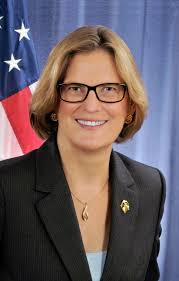
Lisa Colson

Education: M.A. in Geography (George Washington University), B.A. in Environmental Studies (Eckerd College)

Describe your job. What are some of the most important tasks or duties for which you are responsible?
In our workplace, we use a variety of decision support services and I am responsible for knowing how to use all of them, providing geospatial training, and responding to certain map requests. We use a variety of vector, raster, and satellite imagery data sets, requiring advanced knowledge to ensure proper scientific data handling to efficiently conduct analysis. My work involves mapping crop conditions, weather, crop distribution, and trade policy and effects. Sometimes, I have a project for 2-3 weeks and other times, I have new challenges each day. Each map request requires me to be creative in distilling multiple data sets into clear and concise policy messages. We talk a lot about the subtle messages conveyed in our use of colors, annotations, and other cartographic features.

What attracted you to this career path?
I was attracted to this industry because geography provides a more flexible approach to integrating different disciplines of information into summary messages about health, the environment, international development, and other complex topics. Working in agriculture, especially around the world, addresses many of the interdisciplinary topics that interest me, including food security, sustainable development, and poverty alleviation.

How has your education/background in geography prepared you for this position?
As an analyst, I was required to take initiative to learn how to process satellite imagery into clear, concise stories about current crop conditions. I had to be flexible in identifying areas where the data and tools I had could provide a reliable and accurate sense of the crop conditions, taking into consideration constraints in the spatial resolution, timing, cloud free percentage, and other details that would hinder or support my ability to perform the analysis. Time and computer network constraints often played a significant role in figuring out if an analysis would be realistic to tackle.

My education in geography and specifically remote sensing provided me with the necessary foundation to advance my skills for the specific analytical demands of my current workplace. In addition, my background in policy communication greatly supported me in creating well-received map products that simplified complex data into clear policy messages. I really loved doing that analytical work.

More recently, I have become a graphics editor and training coordinator to help build upon the geospatial skills of my colleagues. With newer staff and the many decision support tools that we use, it is challenging to stay abreast of application developments. Communicating how I did my work, while staying abreast of the applications, is a newer and still rewarding challenge for me. I enjoy sharing my love of geospatial analysis and remote sensing with colleagues, especially as the industry leap frogs forward with technological advancements.

What geographic skills and information do you use most often in your work? What general skills and information do you use most often?
Geographic skills:  I think I most often use location identification, in the sense of advising colleagues to clarify the locational extent of the map image. This is done by adding rivers, roads, cities, and other geographical context to the maps of satellite imagery and other raster data sets. Yet there is more to this. The main geographic questions we tackle are (1) how much grows (in terms of crops) in a given place and (2) what are the conditions of the crops in that place? The important skills myself and colleagues use to answer these questions are spatial joins (aka, making geospatial data sets from tabular data), difference mapping (with raster calculator and post-classification change detection), zonal statistics (to help summarize data to counties or states), and other area calculations.

In the world of remote sensing, I am also required to know the name of many satellite sensors and some basic sensor specifications. For example, sometimes management thinks higher spatial resolution would help make it easier to answer key questions, but these sensors are often missing other critical data. I periodically engage in important discussions about the trade-offs between time and processing speed when considering the geographic extent, timing, and spatial resolution of different imagery sources. Having the technical expertise and yet flexibility to talk with non-technical decision makers is a critical aspect of my work.

General skills: I frequently use writing and presentation skills. I present at conferences about interesting analysis I have done or new product development, such as the Global Agricultural & Disaster Assessment System (GADAS). GADAS is a free, global website that provides a geospatial platform for analysis with hundreds of data layers. When showcasing this or other workflows, I heavily utilize my PowerPoint skills preparing slides. My work also requires me to talk with users of our applications to figure out their challenges and the assumptions that they bring to the application. Sometimes knowing an application well makes a person blind to how others might approach using the same tool. I frequently communicate with people who are not trained in geography, but it is my responsibility to help them be able to perform certain geographical tasks. It can be challenging and requires me to have patience and sometimes think creatively.

Honestly, I far more frequently use general skills to perform my duties, as I review our decision support systems, report bugs on where the applications are having issues, and advise on improvements to these systems. Technically, I am testing geospatial applications and therefore using geospatial skills, but any tester can tell you that they are not being overly creative in performing this task. My work involves far more documentation than I would probably prefer to admit. Yet, concise writing that captures a concern or requirement for a developer to efficiently fix or enhance a decision support tool has its merits. That “telephone game” sometimes works better than other times.  When it works, it is very rewarding.

Are there any skills or information you need for your work that you did not obtain through your academic training? If so, how/where did you obtain them?
Sure, and yet the skills I need I have built upon from my academic training. For example, my previous career in the non-profit world taught me more about using PowerPoint effectively and giving presentations, and yet I learned presentation skills during school as well. In addition, I of course had to write many papers in college and graduate school. These assignments prepared me well, and yet I spent my first 3-5 years in DC learning a completely different writing style. After all, policy memos, briefing papers, and even 5-15 minute presentations for the office are so different from what I did in college.

Here’s another way of thinking about this: some people believe the purpose of going to college is to learn a skill, but instead it is often to learn how to think critically. So how do I identify skills I learned outside of school, when I am constantly thinking through new challenges and exploring solutions to build upon my academic foundation? To me, this is honestly the difference between a job and a career; and I love having a career.

Do you participate in hiring, screening, or training of new employees? If so, what qualities and/or skills do you look for?
First and foremost, I look for the skills needed to perform the job. This is sometimes easier said than done. I work in a place that needs talented people in a variety of arenas. Finding a person with a diverse set of skills can be very challenging and this makes the art of screening for new employees more fluid than some people might expect.

We need people who can be clear and concise in presenting information. The resume or CV is a first indication of this skillset. Sometimes technical people list out all of their skills, but with little organizational structure that helps provide a sense of the person and their history. I always look for people with not only the technical skills, but also an interest area relevant to our work, whether this is meteorology, agronomy, international development, food security, or another relevant field. This helps me know the person could provide scientific quality analysis in an operational environment.

We also look for a person who can be flexible to work with a variety of personality types. Every workplace has a culture and it’s nice to find people who can blend into that culture instead of shaking it up. An interview is as much about the candidate as it is about the team and being able to envision the candidate contributing something new or missing to the team.

What advice would you give to someone interested in a job like yours?
First, don’t be afraid to get to know a variety of tools. Second, geography is a tool that can be applied in many different disciplines. Take the time to develop some expertise in a discipline, where you can geospatially analyze relevant data. Conducting analysis goes beyond knowing how to use the tools, as it is important to also understand the data and proper data handling needs. Third, realize all jobs involve some data cleaning, file management, and time management. No one is too important to do these tasks.

Most importantly, my advice is to take on challenges. Start by finding the little things that are not working well and fixing them. Focusing on tasks within your areas of responsibility that help things function better is a way for you to take initiative and expand your area of expertise. Finding the right time and place to take initiative is incredibly important. It makes all the difference between getting criticized for stepping outside your lane and being rewarded for showing the necessary initiative to solve an important problem. Workplaces are as broken as we allow them to be, so try not to be the source of problems when there is so much interesting work that could be done.

What is the occupational outlook for career opportunities in your field/organization, esp. for geographers?
Sometimes I think geography is currently exploding. Technological infrastructure has finally caught up with the wishes and desires of many analysts. Now with cloud computing, it could be possible to process not just gigabytes, but terabytes of data. Demand for geographers, especially combined with remote sensing data, has increased over the past 10 years, and with more powerful computers the possibilities for working with these data are only limited by our creativity.

    Share

Doug M. Amedeo

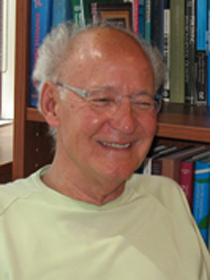
Doug M. Amedeo, professor emeritus of geography at the School of Natural Resources, died Dec. 4, 2019, in Lincoln.

Amedeo was a leader in environmental perception and behavioral geography, focusing his career on the human dimensions of environmental and spatial issues. He began as an associate professor at the University of Nebraska-Lincoln in 1973, after serving for five years as an assistant professor at the University of California.

By 1992, he was promoted to full professor, and in 1993, he became the chair of the Department of Geography, which later was merged with the Department of Anthropology, and then the School of Natural Resources, his permanent faculty home. He served in that role for three years.

Amedeo also was a permanent member of editorial boards for the journals of “Architectural and Planning Research” and “Environment and Behavior,” and served on more than 18 university committees over the years.

During the course of his career, he published and presented more than 70 books, chapters, articles or papers and advised nearly 20 graduate students in pursuit of their doctorate degree. Even in his retirement, he continued to work with, advice and inspire students at the University of Nebraska-Lincoln.

Amedeo was born Sept. 21, 1932, in Brooklyn, New York, to Guido and Jean (Gong) Amedeo. He served in the Korean War and, in 1962, earned his bachelor’s degree in economics from Wisconsin State University. He earned his master’s and doctorate degrees in geography from the University of Iowa in 1965 and 1967, respectively.

In 1977, he married Patricia Herriott, who survives him. He also is survived by his daughters, Cynthia Amedeo Nelson of Lincoln and Elizabeth Amedeo Stigleman (Marty) of Midland, Michigan.

A celebration of his life will be in spring 2020; Wyuka Funeral Home is in charge of arrangements. In lieu of flowers, memorials made be made to women’s, children’s or animal charities. Condolence can be left at Wyuka.com.


Published from the School of Natural Resources, University of Nebraska – Lincoln.


    Share

Regional Divisions Announce Outstanding Graduate Student Papers During their Fall Meetings

The AAG is proud to announce the Fall 2019 student winners of the AAG Council Award for Outstanding Graduate Student Paper at a Regional Meeting. The AAG Council Award for Outstanding Graduate Student Paper at a Regional Meeting is designed to encourage graduate student participation at AAG Regional Division conferences and support their attendance at AAG Annual Meetings. One graduate student in each AAG Regional Division receives this yearly award based on a paper submitted to their respective regional conference. The awardees receive $1,000 in funding for use towards their registration and travel costs to attend the AAG Annual Meeting. The board members from each region determine student award winners.

The winners from each region will be presenting their papers in two dedicated paper sessions at the upcoming 2020 AAG Annual Meeting in Denver, CO.

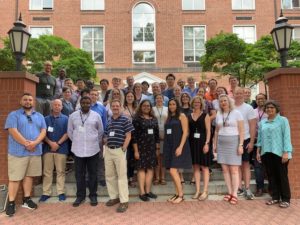
Matthew Walter (far left)

MSDAAG: Matthew Walter, Masters Student, University of Delaware; Paper title – A Rapidly Assessed Wetland Stress Index (RAWSI) Using Landsat 8 and Sentinel-1 Radar Data

GPRM: Cheyenne Sun Eagle, Masters Student, University of Kansas; Paper title – Spatial and Temporal Patterns of Land Allotment on the Pawnee Reservation

SWAAG: Katherina Kang, Masters Student, University of North Texas in the Department of Geography; Paper title – Vegetation and land use effects on the spatial distribution and accumulation of soil black carbon in an urban ecosystem

Junghwan Kim

WLDAAG: Junghwan Kim, Ph.D. Student, University of Illinois at Urbana-Champaign; Paper title – How Neighborhood Effect Averaging May Affect Assessment of Individual Exposures to Air Pollution: A Study of Individual Ozone Exposures in Los Angeles

ELDAAG: Rebekka Apardian, Ph.D. Student of Spatially Integrated Social Sciences, University of Toledo; Paper title – Exploring the Relationship Between Pedestrian Crashes and Walkability

Michaela Garland

NESTVAL: Michaela Garland, Master’s Student, Southern Connecticut State University; Paper title – Evaluating, initiating, and incubating Blue Economy development – Case of the Long Island sound region

Dustin Tsai (on right)

APCG: Dustin Tsai, PhD candidate, University of California Davis; Paper title – A Tale of Two Croatias: How Club Football (Soccer) Teams Produce Regional Divides in Croatia’s National Identity

SEDAAG: Jordan Brasher, PhD candidate, University of Tennessee-Knoxville; Paper title – “Contesting the Confederacy: Mobile Memory and the Making of Black Geographies in Brazil”

Jordan Brasher (center)

MAD: Kelly J. Anderson, University of Maryland College Park, Middle Atlantic Division; Paper title – “Weather-related Influences on Rural-to-urban Migration: A Spectrum of Attribution in Beira, Mozambique”


    Share

AAG is Proud to Announce the 2020 AAG Honors

Each year, the AAG invites nominations for AAG Honors to be conferred in recognition of outstanding contributions to the advancement or welfare of the profession. The AAG Honors Committee is charged with making award recommendations for each category, with no more than two awards given in any one category.  This year, the AAG Honors Committee and the AAG Council are pleased to announce the following AAG Honorees to be recognized during the 2020 AAG Annual Meeting Awards Luncheon.

2020 AAG Lifetime Achievement Honors

Ruth Wilson Gilmore, Graduate Center, CUNY

Ruth Wilson Gilmore, the recipient of this year’s AAG Lifettime Achievement Award, is a public intellectual who integrates geographic scholarship with advocacy and activism. This award recognizes Dr. Gilmore’s transformational contributions to the discipline of Geography. Her scholarship has pushed the boundaries of geographic thought and influenced the trajectories of multiple areas of our field, including critical human geography, black geographies, and political economic geography. Dr. Gilmore is also an advocate for geographic thinking and the importance of space and place within interdisciplinary fields including American studies, carceral studies, and ethnic studies.

Dr. Gilmore is particularly known for her work in carceral studies, including her award-winning book, Golden Gulag: Prisons, Surplus, Crisis and Opportunities (soon to be re-issued by University of California Press). Golden Gulag brought the theoretical and methodological tools of economic geography to bear on the interconnections of race, space and inequity, reshaping the national conversation on prisons. In this book and in related articles, chapters, and lectures, she pushed scholars, politicians and citizens to confront society’s highly inequitable valuation of different lives. In addition to her contributions on prison abolition, Dr. Gilmore’s research addresses racial capitalism, organized violence, and labor and social movements. She is known for her depth of knowledge, meticulous analysis and theoretical agility.

Dr. Gilmore’s powerful scholarship has been paired with deep engagement in public-facing scholarship. She is the quintessential intellectual-activist, engaging a wide range of audiences in the U.S. and internationally on the role of the state in taking and preserving life. Dr. Gilmore is also an extraordinary mentor of undergraduate and graduate students and of junior and mid-career scholars. She is described by her mentees as a “formidable, uncompromising, generous and greatly beloved scholar”. Through her mentorship, Dr. Gilmore has shaped a new generation of public scholars within Geography.

The discipline of Geography has benefited enormously from Dr. Gilmore’s scholarship, activism, and mentorship. She is a role model for all of us. (Photo credit ©DonUsner)

Michael Watts, University of California – Berkeley

Michael Watts, recipient of the 2020 AAG Lifetime Achievement Award, is one of the most influential nature/society scholars of the last fifty years. His foundational research on political ecology, vulnerability and resilience, agrarian political economy, the social production of famine, oil

and development, and environmental justice – all conducted through a fine-grained ethnographic, political, and deeply historical engagement with Nigeria and West Africa – continues to shape scholarly debates and research programs across the environmental social sciences, area studies, and humanities.

Watts’ work is widely cited and taught. He has written two powerful monographs – Silent Violence: Food, Famine, and Peasantry in Northern Nigeria (1983/2013 2nd ed.) and Curse of the Black Gold: 50 Years of Oil in the Niger Delta (2014) – and more than 300 articles and essays. He is perhaps best known for his edited volumes, which have been no less than field-defining. He has set and then reset the intellectual trajectory of political ecology and critical nature/society research three times in twenty years with the various editions of Liberation Ecologies, initially published in 1996 and then entirely overhauled twice: first for a 2nd edition in 2004, and then again for a 3rd edition retitled Global Political Ecology, which was published in 2011. His 2001 collection Violent Environments (with Nancy Peluso), catalyzed a body of research focused on the role of armed conflict in environmental conservation world-wide which continues today in work on the role of armed drones in wildlife protection. His recent co-edited volume Subterraenean Estates: Life Worlds of Oil and Gas (2015) promises to play a similarly defining role in research on the environmental and political impacts of fossil fuel extraction. He has received numerous awards including the Victoria Medal of the Royal Geographical Society and AAG Distinguished Scholarship Honors. In addition to funding from NSF and the National Geographic Society, his research has been funded by major foundations including Ford and Rockefeller. He has also received a Guggenheim.

As the Class of 1963 Professor of Geography and Development Studies at Berkeley, he supervised 90 Ph.D. students and served on the committees of 75 others. His service to Geography and academia more broadly includes co-founding and directing the storied Environmental Politics Workshop at UC Berkeley, and serving as Chair of the Board of Trustees of the Social Science Research Council for more than a decade and on the advisory board for the Stanford Center for Advanced Studies in the Behavioral Sciences. Beyond academia, Watts has worked at the highest levels of international development (serving as Chief of Party for the United National Development Program and working with the World Bank), corporate governance (arranging workshops on corporate social responsibility for companies such as Statoil and Genentech), statecraft (working with the U.S. Congress and State Department on oil issues), and community activism (collaborating with photojournalists and the environmental justice collective RETORT). These multi-faceted engagements with diverse stakeholders are a testament to Watts’ ability to impact both powerful and marginalized constituencies in and beyond academia.

2020 AAG Distinguished Scholarship Honors

Jamie Peck, University of British Columbia

The 2020 AAG Distinguished Scholarship Award is awarded to Jamie Peck, for his foundational and sustained contributions to the field of economic geography and to human geography, more broadly.
It is difficult to overstate Jamie Peck’s intellectual influence. Peck is one of the most productive geographers of our time. He is in the top 1% of social scientists in terms of citations, with an h-index of 83 and more than 40,000 citations. His published work, which is notable for both methodological rigor and deep theoretical insight, includes 6 monographs, 13 edited volumes, 93 book chapters and 200 articles. Over three decades, he has published transformative work on the dynamics of neoliberalization, the economic transformation of urban governance, the history of economic geography, changing labor markets and regulation, and policy mobilities. His research has been funded by Canada’s Social Sciences and Humanities Research Council, the Ford Foundation, the U.S. National Science Foundation, and The Leverhulme Trust, among other sources. His many awards include the RGS-IBG Back Award and a Guggenheim, and he is a Fellow of the Academy of Sciences (UK), a Fellow of the Royal Society of Canada, and a Corresponding Fellow of the British Academy. One of the outstanding characteristics of his scholarship is his ability to frame complex problems in terms accessible to a broad audience. This is reflected in the reach of his work outside of the academy, as demonstrated by quotations and interviews in two dozen popular press outlets, including the Economist, the Guardian, the New York Times, and the Wall Street Journal.

Peck’s extraordinary scholarship is matched by an extraordinary record of service to the field as an editor and mentor. In his remarkable and ongoing run as editor at Antipode and Environment and Planning A, and now as lead editor of the five Environment and Planning journals, he has shaped the intellectual conversation across Human Geography for decades. Beyond his own editorial work, he is currently on the editorial or advisory boards of 11 other academic journals, and is a tireless reviewer for the top journals in geography and regional studies. Finally, through his deep intellectual generosity to junior colleagues and students, including as founder of the Summer Institute for Economic Geography and as advisor to graduate students and postdoctoral fellows, he has played a pivotal role in the development of generations of economic geography scholars. For these and his many other contributions to geography, Jamie Peck is the recipient of the 2020 AAG Distinguished Scholarship Award.

Qihao Weng, Indiana State University

Qihao Weng is a pioneer and leading scholar in the area of urban remote sensing. During his distinguished career, he has significantly advanced our theoretical understanding and empirical knowledge of urban heat islands and land surface temperature, urban sprawl, and environmental sustainability in the context of rapid urbanization. His originality, creativity, and significant intellectual contributions have resulted in 235 articles, 14 books, and funding support from NSF, NASA, USGS, NOAA, ESA, and the National Geographic Society. His academic record testifies to his history of innovative work and far reaching influence on a wide range of disciplines including urban geography, urban planning, landscape ecology, meteorology, and climatology.

Weng’s outstanding contributions to urban remote sensing and sustainability science include methodological innovations including novel algorithms and data analysis strategies and theoretical advances offering new perspectives on the urban environment and spatio-temporal aspects of urbanization processes. Taken together, Weng’s empirical and theoretical contributions have yielded significant new insights on some of the most critically important phenomenon influencing contemporary urban environments.

Weng’s seminal research on urban heat islands, landscape effects on land surface temperature, and urbanization processes opened a critical new frontier towards understanding and measuring novel environmental risks in rapidly growing urban regions. He developed a methodology for estimating land surface temperature with satellite-derived measures of vegetation that has become a core technique for those investigating urban climates. His research has also demonstrated that urban sprawl and warming are not an isolated phenomenon, but instead are coupled with other risk factors, such as infectious disease. His scholarship has not only transformed the scientific understanding of remote sensing in geographical applications, but also has bridged methodological gaps between geography, spatial ecology, and environmental science.

Beyond the considerable impact of his own research, Weng’s production of educational materials and resources have played an important role in training future generations of urban scholars in remote sensing and GIS techniques. In particular, Weng’s An Introduction to Contemporary Remote Sensing is the standard textbook for many introductory remote sensing courses and has been adopted by numerous universities, community colleges, and technical schools around the world. He also has a long record of dedicated professional service to the AAG. In recognition for his outstanding contributions to scholarship in geography, Weng has received many honors and awards including the AAG Outstanding Contributions Award in Remote Sensing (2011) and Willard and Ruby S. Miller Award (2015). In 2018, Weng was named a Fellow of the Institute of Electrical and Electronics Engineers (IEEE), Senior Fellow at NASA, and member of the European Union Academy of Sciences.

Weng’s research exemplifies the multifaceted scholarship that is critical in bridging contemporary urban studies with spatial ecology and environmental science. He also continues to be a role model for exemplary practices in education, public service, and professional leadership for the next generation of geographic leaders. For these reasons, the 2020 AAG Distinguished Scholarship Award is awarded to Qihao Weng.

2020 AAG Gilbert White Distinguished Public Service Honors

William Solecki, CUNY – Hunter College

The 2020 Gilbert White Distinguished Public Service Honors is awarded to William Solecki for his outstanding work to improve the human condition through direct community engagement, wide-ranging public service, and salient, cutting-edge research. Solecki’s work sits at the nexus of geographic inquiry, social justice, and environmental policy. His work has transformed our understanding of the opportunities and obstacles of urban living in a changing natural environment, and has been deeply influential across communities and organizations.

Of particular note is Solecki’s deft ability to work at multiple geographic scales among myriad organizations to advance our understanding of, and ability to respond effectively to, climate change. At a local scale, Solecki has co-chaired the New York City Panel on Climate Change, served as the Director of the CUNY Institute for Sustainable Cities, served as the interim Director of the Science and Resilience Institute @ Jamaica Bay, and led several climate impact studies in the greater New York and New Jersey region. At a national scale, Solecki served as the coordinating lead author for chapters in the 2014 (Chapter 11: Urban, Infrastructure, and Vulnerability) and 2018 (Chapter 18: Northeast) U.S. National Climate Assessment reports. Internationally, Solecki has been involved in Working Group II of the Intergovernmental Panel on Climate Change since 2006 and has made numerous contributions to the IPCC’s assessments of climate change impacts, vulnerability and adaptation for communities. He served as a contributing author for three chapters in the Fourth Assessment Report, as a lead author for the Urban Areas chapter in the Fifth Assessment Report, as a lead author for the Decision-Making Options for Managing Risk chapter in the Sixth Assessment Report, and as a coordinating lead author of the Framing and Context chapter of the IPCC Special Report Global Warming of 1.5oC.

In addition to his extensive scholarly research and many contributions to climate change assessments, Solecki is co-founder of the Urban Climate Change Research Network, co-editor of Current Opinion on Environmental Sustainability, and founding editor of the Journal of Extreme Events. He currently maintains numerous collaborative projects around the world. In 1975, Gilbert White wrote “that the human race is a family that has inherited a place on the earth in common, that its members have an obligation to work toward sharing it so that none is deprived of the elementary needs for life, and that all have a responsibility to leave it undegraded for those who follow (Stewardship of the Earth, p. 403-404). William Solecki is awarded the 2020 Gilbert White Distinguished Public Service Honors for his unfettered devotion to those basic principles and his ability to put them into action.

2020 Distinguished Teaching Honors

Robert Lake, Rutgers University

Robert Lake, the recipient of the 2020 AAG Distinguished Teaching Honors, is an extraordinary educator and mentor of graduate students and young scholars. He has provided generous, sensitive and supportive teaching and guidance both inside and outside of the classroom. Lake’s goal has been to teach students how to think rather than what to think. His selfless mentorship has allowed students to grow and flourish intellectually.

At Rutgers University, Lake served as dissertation chair or committee member for over 130 doctoral students, many of whom are now leading scholars in urban geography and urban studies. He is well known for his innovative course design, particularly in the area of geographic theory, and his ability to convey to students his deep understanding of the research process. Moreover, he has contributed, through numerous administrative positions, to the structure and organization of graduate education from the department to the university level. Lake has been the recipient of multiple teaching awards inside and outside of Rutgers University.

Lake also has provided discipline-wide mentorship for graduate students and young scholars. As a long-term co-editor of the journal Urban Geography, Lake guided young scholars through the publication process. In his role as organizer of the annual AAG Urban Geography plenary lecture, he provided a forum for intellectual discourse and mentoring. Over the last two decades, Lake has organized the Brooklyn Urban Reading Group, an ongoing, open and inclusive discussion involving faculty and students from nearby universities.

Through his devotion to graduate education and the mentoring of young scholars, Lake has contributed to a network of scholars (affectionately referred to as Bob-net) who are continuing to strengthen the discipline of geography. In the words of a colleague and mentee, Robert Lake’s commitment to “pluralism, engagement, and deep care for others” makes him an exemplary educator and a role model for the discipline of geography.

2020 AAG Media Achievement Awar

Keith Debbage, University of North Carolina at Greensboro

Keith Debbage, recipient of the 2020 Media Achievement award, is a quintessential communicator of the scholarly ideas of applied urban and economic geography. His conceptual explorations run the gamut from local-scale planning issues, to regional examinations of economic decline and recovery, to the impacts of the so-called “Creative Class.” In every case, Debbage breaks the complexity down into jargon-free and readable packets of knowledge. Debbage draws on his scholarship, extensive professional service, including his appointment as a Coleman Foundation Fellow, and his lived experience when communicating with the public, such as in his recent columns on the power of local-scale entrepreneurialism and the role of higher education in the economic and cultural life of North Carolina. A disarming folksiness is underlain by decades of applied scholarship, much of it completed with external grant and contract funding.

As a role model for others, Debbage is prolific in his media presence and yet, by all accounts, seeks to share the spotlight with his student collaborators and to bring sophistication to his analyses even as they are accessible. From over a hundred newspaper columns, often against a backdrop of maps or graphics, to countless radio and television appearances, Debbage does the difficult work of communicating geographic scholarship to the public. For his consistent commitment to this important work, for repeatedly demonstrating that conceptual complexity doesn’t mean Geography has to be confined to the Ivory Tower, and for finding the right voice to bring Geography into the public sphere, Professor Keith Debbage is recognized with the 2020 American Association of Geographers Media Achievement Award.


    Share

New Books: November 2019

Every month the AAG compiles a list of newly-published books in geography and related areas. Some are selected for review in the AAG Review of Books.

Publishers are welcome to send new volumes to the Editor-in-Chief (Kent Mathewson, Editor-in-Chief, AAG Review of BooksDepartment of Geography and Anthropology, Louisiana State University, Baton Rouge, LA 70803).

Anyone interested in reviewing these or other titles should also contact the Editor-in-Chief.

PLEASE NOTE: Due to current public health policies which have prompted the closing of most offices, we are unable to access incoming books at this time. We are working on a solution during this transition and will continue our new books processing as soon as we can. In the meantime, please feel free to peruse previous books from our archived lists.

November 2019

America’s Johannesburg: Industrialization and Racial Transformation in Birmingham by Bobby M. Wilson (University of Georgia Press 2019)

Deported to Death: How Drug Violence is Changing Migration on the US Border by Jeremy Slack (University of California Press 2019)

Fifty Maps and the Stories they Tellby Jerry Brotton and Nick Millea (Bodleian Library 2019)

For a Politics of the Common Good by Alain Badiou and Peter Engelman (Polity 2019)

Geographies of City Science: Urban Lives and Origin Debates in Late Victorian Dublin by Tanya O’Sullivan (University of Pittsburgh Press 2019)

Infinite Cities: A Trilogy of Atlases—San Francisco, New Orleans, New York by Rebecca Solnit, Joshua Jelly-Schapiro, Rebecca Snedeker (University of California Press 2019)

Islamic Maps by Yossef Rapoport (Bodleian Library 2020)

Limits: Why Malthus Was Wrong and Why Environmentalists Should Care by Giorgos Kallis (Stanford University Press 2019)

Manufacturing Decline: How Racism and the Conservative Movement Crush the American Rust Belt by Jason Hackworth (Columbia University Press 2019)

Mapping Beyond Measure: Art, Cartography and the Space of Global Modernity by Simon Ferdinand (University of Nebraska Press 2019)

On the Backs of Tortoises: Darwin, the Galápagos, and the Fate of an Evolutionary Eden by Elizabeth Hennessy (Yale University Press 2019)

Power, Participation, and Protest in Flint, Michigan: Unpacking the Policy Paradox of Municipal Takeovers by Ashley E. Nickels (Temple University Press 2019)

Public Los Angeles: A Private City’s Activist Futures by Don Parson, edited by Roger Keil and Judy Branfman (University of Georgia Press 2019)

Red, Black, White: The Alabama Communist Party 1930-1950 by Mary Stanton (University of Georgia Press 2019)

Suspect Communities: Anti-Muslim Racism and the Domestic War on Terror by Nicole Nguyen (University of Minnesota Press 2019)

The Company We Keep: Interracial Friendships and Romantic Relationships from Adolescence to Adulthood by Grace Kao, Kara Joyner, and Kelly Stamper Balistreri (Russel Sage Foundation 2019)

The Far Right Today by Cas Mudde (Polity 2019)

The Global Interior: Mineral Frontiers and American Power by Megan Black (Harvard University Press 2018)

The Selden Map of China: A New Understanding of the Ming Dynasty by Hongping Annie Nie (Bodleian Library 2019)

Water, Life, and Profit: Fluid Economies and Cultures of Niamey, Niger by Sarah Beth Keough and Scott M. Youngstedt (Bergahn Books 2019)

Writing Revolution: Hispanic Anarchism in the United States by Christopher J. Castaneda and Montse Feu, eds. (University of Illinois Press 2019)

    Share

AAG Announces 2020 Class of AAG Fellows

The AAG Fellows is a program, started in 2018, to recognize geographers who have made significant contributions to advancing geography.

In addition to honoring geographers, AAG Fellows will serve the AAG as an august body to address key AAG initiatives including creating and contributing to AAG initiatives; advising on AAG strategic directions and grand challenges; and mentoring early and mid-career faculty. Similarly to other scientific organizations, the honorary title of AAG Fellow is conferred for life. Once designated, AAG Fellows remain part of this ever-growing advisory body. The AAG Fellows Selection Committee has recommended these Fellows to serve as the 2020 class.

Stuart Aitken, San Diego State University

Stuart Aitken is a Distinguished Professor and June Burnett Endowed Chair of Geography at San Diego State University. His career to date spans nearly four decades. From his start as a teaching assistant at Miami University, Ohio, to his current position at San Diego State University, Professor Aitken has dedicated his professional career to the promotion and societal relevance of Geography.

Aitken is a highly renowned, greatly respected, and widely published scholar of social, cultural, and urban geography. He is a pioneer in the fields of children’s geographies; and is an authority on geographic methods, including qualitative approaches. Aitken has authored, co-authored, or edited innumerable books, refereed articles, book chapters, other reports, proceedings papers, and sundry writings. As testimony to his scholarship, he has been widely honored for his scholarship—evidence of the salience of his research beyond the sheer volume of work.

Most recently, in 2018, Aitken was named Albert W. Johnson Distinguished Professor; in 2013 he was named Jane Burnett Endowed Chair in Child and Family Geographies; he holds an honorary professorship at the University of Wales, Aberystwth and is an invited member of the Royal Norwegian Society for Science and Letters.

We are therefore pleased to bestow upon Stuart Aitken the title of AAG Fellow.

Richard Boehm, Texas State University

Richard Boehm is a Professor and Jesse H. Jones Distinguished Chair in Geographic Education, the first endowed chair awarded at Texas State University. He is the Director of the Gilbert M. Grosvenor Center for Geographic Education and Co-Director of the National Center for Research in Geography Education. Boehm was the Co-Coordinator of the Texas Alliance for Geographic Education from 1986 to 2010; which is now back under his direction. He also served as the Chair of the Department of Geography from 1977 to 1994 at Texas State University.

Throughout his distinguished career, Boehm has continuously worked to improve the culture of support for early career scholars in geography and geography education. Over the years, he has organized early career scholar conferences that introduced the next generation of geographers to cutting-edge research developments in the field of geography education. Whatever capacity we have today to conduct research in geography education is largely an outcome of his tireless devotion to junior and senior scholars in this field—one marker of his legacy to geography. His energy and unflagging commitment to the discipline demonstrates that Professor Boehm has, and continues to, invest many years beyond an already distinguished career to promote and present the very essence of geography.

We are therefore pleased to bestow upon Richard Boehm the title of AAG Fellow.


Anne Chin, University of Colorado Denver

Anne Chin is a Professor of Geography and Environmental Sciences at the University of Colorado Denver. Chin quickly developed a reputation as an excellent field geomorphologist who made critical observations to test and develop theory. She produced some of the first systematic studies of the geomorphology of urban streams in desert regions, and has contributed seminal research on step-pool mountain streams.

Chin has left her mark on the discipline, having published research in top-ranked, international, peer-reviewed journals, most notably Geomorphology, Journal of Geology, Progress in Physical Geography, Journal of Geophysical Research Letters, River Research and Applications, American Journal of Science, Environmental Management, among others. Anne has also authored a large number of refereed book chapters and has organized special issue of journals. In 2004 she was recognized for her research on step-pool mountain streams by being named recipient of the G.K. Gilbert Award for Excellence in Geomorphological Research by the AAG Geomorphology Specialty Group. She is (founding) editor-in-chief of the international journal Anthropocene and has done much to advance geography as a researcher, project initiator, coalition-builder, and role model.

We are therefore pleased to bestow upon Anne Chin the title of AAG Fellow.

William Doolittle, University of Texas at Austin

William Doolittle is the Erich W. Zimmerman Regents Professor of Geography at the University of Texas at Austin. For more than forty years he has conducted research on the topic of agricultural landscapes, features, technology, and change. His work is interdisciplinary and he has demonstrated conspicuous merit through his innovative and sustained research contributions, his tireless service and mentorship, and his inspired leadership in Latin American geography.

Doolittle’s broad corpus of work – which includes four other books and 63 articles and book chapters published in the leading fora of our field and other disciplines – examines related themes ranging from phytoliths and obsidian to 16thC aqueducts and arroyo check dams – has brought a geographical perspective to scholars working in archeology, soil science, agricultural sciences, and historical ecology. His work has shaped how two generations of scholars have come to understand the dynamics of land use change in dryland environments in Mexico and beyond.

We are therefore pleased to bestow upon William Doolittle the title of AAG Fellow.

Basil Gomez, KBay Environmental Services LLC, University of University of Hawai`i, Mānoa

Basil Gomez is the Principal at KBay Environmental Services and is an Adjunct Professor of Geography and Environment at the University of Hawai`i, Mānoa, where he continues to contribute to education and mentorship. He provides consulting specializing in watershed management and the equitable and sustainable distribution of hydrological resources. Prior to starting KBay Environmental Services, Gomez was a Professor in the Department of Earth and Environmental Systems at Indiana State University, where he taught for 22 years.

Gomez has developed a strong international reputation and has made significant contributions to the field of geomorphology as a physical geographer. He has an impressive and sustained publication record, with more than 100 refereed journal articles is prestigious journals in geography, geomorphology, earth science, and water resources. He made substantial contributions in research focusing on sediment transport. In 2007, he received the G.K. Gilbert Award for Excellence in Geomorphic Research from the AAG’s Geomorphology Specialty Group for his paper in the Proceedings of the National Academy of Sciences where he demonstrated that under certain circumstances a simple scale correlation could be used to estimate the potential rate of bedload transport. Basil’s career is an outstanding example of the kind of performance that has advanced geography through a novel and sustained research program.

We are therefore pleased to bestow upon Basil Gomez the title of AAG Fellow.

Carol Harden, University of Tennessee Knoxville

Carol Harden is a Professor Emerita at the University of Tennessee Knoxville. She is a remarkable field geomorphologist and has made exceptional contributions to advancing geography through sustained scholarship in human-environment interactions, innovative teaching and leadership in her academic department, outstanding mentoring of students and early-career colleagues, and invaluable service to the profession through AAG leadership (AAG President, 2009-2010).

Harden’s scientific contributions to geomorphology and geography are numerous, impactful, and wide-ranging. She began studying hillslope soil erosion in the Ecuadorian Andes, which expanded into several decades of studies shedding light on how human activity and land-use changes affect erosion, sedimentation, and related fluvial processes. A little closer to home, Dr. Harden’s work in the Appalachian Mountains has also expanded our understanding of how fluvial systems respond to human disturbances. In addition to Dr. Harden’s 80+ publications, she is one of the few physical geographers in to have both U.S. international field sites.

We are therefore pleased to bestow upon Carol Harden the title of AAG Fellow.

John A. Harrington, Jr., Kansas State University

John A. Harrington, Jr. is a Professor Emeritus of Geography and Geospatial Sciences at Kansas State University. He has had a long and consistent record of research as a climatologist and land change scientist to works to seek solutions to real world problems. He was a pioneer in studying the results of climate change, beginning in the late 1970s, both in the United States and internationally (Africa, Turkey).

Harrington, Jr.’s research endeavors are as persistent as they are extensive. Over the course of his long and stellar career, John has published over 57 peer-reviewed publications and reflects his depth as a scholar, his breadth as an atmospheric and geospatial scientist, and his generosity as a teacher-scholar-mentor. He has not only dedicated his career to enriching the discipline, but he has also enabled the enrichment of the lives that make up the discipline. His command of great overall knowledge and unwavering scientific commitment is balanced by his determination as a leader and eye for aptitude in others

We are therefore pleased to bestow upon John A. Harrington, Jr. the title of AAG Fellow.

Mei-Po Kwan, Chinese University of Hong Kong, University of Illinois, Urbana-Champaign

Mei-Po Kwan is the Choh-Ming Li Professor of Geography and Resource Management and Director of the Institute of Space and Earth Information Science at the Chinese University of Hong Kong. She is also Professor of Geography and Geographic Information Science and Director of the Space-Time Analysis and Research (STAR) Laboratory at the University of Illinois at Urbana-Champaign. Kwan has been a sustained global leader in transformative geography research in areas including her work in critical, feminist, and qualitative GIS that bridges the binary understanding of GIS and geographic methods as either quantitative or qualitative. Her work has profoundly changed how geographers think about the disciplinary dynamics of Geography, geographic methods, and several fundamental divides in the discipline.

Kwan’s formal academic research products have broader impacts, which has included publishing 38 edited volumes (books and journal special issues), 215 journal articles and book chapters, delivered over 220 keynote addresses and invited lectures worldwide, and served as the Editor of the AAG Annals for 12 years.

We are therefore pleased to bestow upon Mei-Po Kwan the title of AAG Fellow.

Nina Lam, Louisiana State University

Nina Lam is a Professor of Environmental Studies and E. L. Abraham Distinguished Professor at Louisiana State University. As a renowned scholar, she is one of the pioneers of contemporary geography-based remote sensing. Across an academic career stretching back over nearly forty years, Lam’s work has helped shape the field of remote sensing as it interfaces with the geographic community through her remote sensing research, teaching, and outreach, resulting in a major national and international impact on our discipline. Her work has continuously pushed the edge in these fields from both the theoretical and methodological fronts.

Lam’s sustained scholarly output is remarkable for its rigor as well its topical breadth. Her impressive publication list begins with the classic 1983 treatise on Spatial Interpolation Methods, for which she received the Andrew McNally Award for outstanding research publication. Since then, her research foci have included the socioeconomic inequality of cancer mortality; spatial analysis of the spread of the AIDS epidemic; applications of fractals for image analysis and spatial feature discrimination; to mapping land cover/land use and its change. Without a doubt, she is a leading researcher in quantitative geography in the United States today. Her academic productivity has been substantial, continuous, and significant, and has contributed to the advancement of geography.

We are therefore pleased to bestow upon Nina Lam the title of AAG Fellow.

Glen Michael Sproul dit MacDonald, University of California, Los Angeles

Glen M. MacDonald is a Professor of Geography and in Ecology and Evolutionary Biology and John Muir Memorial Chair Distinguished Professor at the University of California, Los Angeles. He is a recognized leader in the discipline of geography and is already a Fellow in the American Academy of Arts and Sciences, American Geophysical Union, National Academy of Sciences, American Association for the Advancement of Science. MacDonald also served as President of the AAG (2016-2017) where he contributed significant national and international service to the discipline.

MacDonald’s contributions as a research scholar has produced a steady and impressive output of publications (books, book chapters, and refereed journal articles) focused on biogeography and climate change. With more than 179 publications, MacDonald’s work has been an exemplary corpus of interdisciplinary research on climate change.

We are therefore pleased to bestow upon Glen Michael Sproul dit MacDonald the title of AAG Fellow.

Sara McLafferty, University of Illinois

Sara McLafferty is a Professor of Geography and Geographic Information Science at the University of Illinois. She has made exceptional and sustained contributions to the discipline of geography through her research on feminist geography and GIS in relation to health and medical geography; to the AAG through serving on the National Council and the Strategic Planning Committee. She is an international leader in the subfield of health/medical geography and is excellent at all parts of her job including research, teaching, and service.

McLafferty’s research has significantly advanced health geography, economic geography, and urban geography alike. Her early work on gender, race, and commuting helped to establish the importance of considering not just gender differences within spatial processes, but the intersection of race and gender. She has served as a committee member of the National Academy of Sciences and the Society of Woman Geographers; and as an advisor and mentor to numerous undergraduate and graduate students as well as junior faculty—with over one-third of her published papers including students as co-authors). She has been a sustained leader in feminist geography, critical GIS, and health and medical geography and stands among the best of the best in our discipline: a well-rounded scholar who excels in research, teaching, and service.

We are therefore pleased to bestow upon Sara McLafferty the title of AAG Fellow.

Risa Palm, Georgia State University

Risa Palm served until recently as Provost and Senior Vice President of Academic Affairs and Professor of Geosciences at Georgia State University. She has remained at Georgia State University where she is now a professor in the Urban Studies Institute. Over the past four decades, Palm has forged and extraordinary career which has progressed along two parallel tracks: as an academic who has made significant contributions to geography, and as a senior university administrator who has shaped the trajectories of several major public universities.

Palm, as a geography scholar, has authored or co-authored 13 books and over 40 articles and book chapters in the area of human response to environmental change. This is a commendable record for any full-time faculty member, but truly extraordinary for someone entering college and university administration less than 10 years after starting as an assistant professor. Very few individuals—in geography or beyond—can claim as long a career in the senior-most positions at the very top public universities in the United States.

We are therefore pleased to bestow upon Risa Palm the title of AAG Fellow.

Susan M. Roberts, University of Kentucky

Susan M. Roberts is Associate Provost for Internationalization and a Professor of Geography at the University of Kentucky. Roberts’ research squarely places her as a major figure in economic and development geography, in which her innovative research methods as well as the breadth of her research bridges economic, political, and feminist geography, both theoretically and in applications to real-world cases. She was a pioneer in the development of the first feminist geography collection published. For the past 27 years, her message has been consistent and exceptional: That as geographers, we have the capacity to develop collective and global means for challenging how the world is hierarchically known and spatially organized. Roberts has extended this line of scholarship through her role as National Councilor for the AAG (2015-2018).

Roberts’ research represents the best of geographic scholarship. It is not only theoretically sophisticated and empirically rich, but it also consistently pushes the boundaries in economic, political, and feminist geography. Her 1997 co-edited book Thresholds in Feminist Geography significantly shaped the discipline’s thinking about feminist geography and methods, and it continues to be a volume widely recommend today. Her career-long dedication for advancing female-identified and other underrepresented members of our profession stands as a model for building diversity within geography.

We are therefore pleased to bestow upon Susan M. Roberts the title of AAG Fellow.

Billie L. Turner II, Arizona State University

Billie L. Turner II is a Regents Professor and Gilbert F. White Professor of Environment and Society in the School of the Geographical Sciences and Urban Planning, and School of Sustainability at Arizona State University. He is also a Distinguished Research Professor of Geography at Clark University. In a career that has spanned over 40 years, Turner has been at the forefront of geographical scholarship, education and service, and he has made these themes a centerpiece of his in representing the discipline externally. He is renowned for his pioneering work and significant advances in the broad area of human-environmental science.

Turner’s corpus of scholarly research includes over 200 journal articles, book chapters and other such pieces, and authored or edited 13 books. His work has become a paradigm for Mayan studies and was selected as one of the Twenty Most Significant 20th Century Archaeological Discoveries. Turner has also been elected to the National Academy of Sciences; American Academy of Arts and Sciences; American Academy for the Advancement of Sciences; and as a Guggenheim Fellow. Billie L. Turner II truly is a geographical force of nature who continues to work tirelessly for our discipline.

We are therefore pleased to bestow upon Billie L. Turner II the title of AAG Fellow.

 Elizabeth Wentz, Arizona State University

Elizabeth Wentz is Dean of Social Sciences and Professor of Geography at Arizona State University. She has made path-breaking contributions to geographic research in the areas of GIS, remote sensing and space-time analysis. She has served as a National Councilor for the AAG (2012-2015) and was an active chair of AAG National Councilors during her tenure (2013-2015).

Wentz has made significant and pioneering contributions in the areas of GIS, remote sensing, and space-time analysis, having authored over 50 refereed articles in these domains, focusing on collaboration with her graduate students. She is an award-winning teacher and mentor of doctoral students; has spearheaded numerous initiatives to support and promote the success of female scholars, both within GIScience and within the discipline of geography more generally; and, is a highly innovative and accomplished administrative leader who, prior to becoming Dean, served as Director of the School of Geographical Sciences at Arizona State University. Wentz has made outstanding contributions to geographic research, academic administration, and mentoring junior faculty members and graduate students.

We are therefore pleased to bestow upon Elizabeth Wentz the title of AAG Fellow.

Cort J. Willmott, University of Delaware

Cort J. Willmott is a Professor Emeritus of Geography at the University of Delaware. Over the course of three decades, he built an impressive record in climatology and quantitative/GIS methods and was instrumental in the creation of a Ph.D. in Climatology—the first of its kind in the United States. His legacy rests with the students he has produced. 

 Willmott’s scholarly research has resulted in over 50 refereed journal articles, 3 books, and numerous other materials—many of which he published with students. Over his career, he has sustained a strong commitment to mentorship of undergraduate, and graduate students, as well as junior faculty within the geographical/climatological community. This is personified through his Space Grant Program, which was a NASA-supported alliance dedicated to space-based teaching and research at the K-12 and collegiate levels.  Willmott has been a model of academic citizenship, an excellent communicator, and a gifted researcher, know also for building one of the best-known climatology programs in the United States. He was awarded the AAG Distinguished Scholarship Honors in 2000.

We are therefore pleased to bestow upon Cort J. Willmott the title of AAG Fellow.

Julie Ann Winkler, Michigan State University

Julie Ann Winkler is a Professor of Geography, Environment and Spatial Sciences at Michigan State University. Her intellectual contributions are in the areas of climate change impact assessment, synoptic climatology, and gender equality issues in academia. Her work continues to be timely and of high social and scientific relevance. Over the decades, Winkler has reached a reputation of an accomplished scholar, teacher, student mentor, and a selfless, dedicated citizen of the academy and the discipline of geography. She is widely known for her distinguished record of service to the AAG including, Vice President, President and Past President, and National Councilor, to name a few.

Winkler’s impressive scholarship has generated over 100 peer-reviewed works which have appeared in influential outlets read by scholars and professionals around the world. She is truly an ambassador for geography and her work shows others what a geographic approach is, how valuable our methods and perspectives can be, and why Geography is the original interdisciplinary discipline. Winkler has been an outstanding advocate for women in geography. She not only studies the subject intellectually but she lives it by being a mentor, friend, and example to us all.

We are therefore pleased to bestow upon Julie Ann Winkler the title of AAG Fellow.

Dawn J. Wright, Environmental Systems Research Institute (Esri)

Dawn J. Wright is Chief Scientist of the Environmental Systems Research Institute (more commonly known as Esri) and Professor of Geography and Oceanography at Oregon State University, Corvallis. Wright has been an influential pioneer in the fields of marine science and GIScience, and was the first African-American female to dive to the ocean floor in the deep submersible ALVIN. Equally impressive has been her dedication and service to the AAG, having served as National Councilor (2006-2009), various senior committees, and as an office in several Specialty Groups.

Wright has made numerous key contributions to understanding the oceans and she has been published widely in top journals and books. Part of Wright’s mission at Esri is to foster and lead various research & development projects. One of the best examples is her co-leadership of original research while at Esri that has resulted in the world’s first 3D digital ocean model from sea surface to seafloor. This project, often referred to as the “Ecological Marine Units,” was presented at the AAG in 2017 in a special extended session with Roger Sayre of the USGS and has also been published in 2018 in the journals Oceanography, Nature: Scientific Reports; Current Biology; and J. of Operational Oceanography, as well as covered as a major news item in Nature by award-winning science journalist Alexandra Witze.

Wright has been an institution-builder from the start of her career. At Esri she has played a key role as the leading emissary for the use of GIS in science: in short, the “Science of Where,” and has led efforts within both the AAG and the AGU to promote geography through the use of Esri’s vast resources, and finding an effective balance between the environmental and social sciences.

We are therefore pleased to bestow upon Dawn J. Wright the title of AAG Fellow.  

The AAG Fellows are chosen by the AAG Fellows Selection Committee. The 2019-2020 Fellows Selection Committee Members are Jonathan Harbor (University of Montana), Sarah Battersby (Tableau, Inc.), Korine Kolivras (Virginia Tech), Patricia Gober (Arizona State University), Stephen Hanna (University of Mary Washington), and Cindy Pope (Central Connecticut State University).

    Share

Carl Lewis Johannessen

Carl Lewis Johannessen (1924–2019), a literal and figurative giant of cultural-plant geography and cultural-diffusionist studies, died at age 95, on 13 November 2019. He was Professor Emeritus and one-time head (1978–1981) of Geography at the University of Oregon, where he had been hired in 1959. Carl was a charter member of the Editorial Board of Pre-Columbiana: A Journal of Long-distance Contacts, which I founded and edit, as well as a contributor and the dedicatee for book 6(2–4). The geographer Daniel W. Gade pointed to his contributions as a cultural diffusionist, in book 3(1–3).

Born in Santa Ana, CA, on 28 July 1924, Carl served with the Navy in the Pacific during World War II. He earned a B.A. in Wildlife Conservation and Management at the University of California, Berkeley (1950), an M.A. there in Zoology (1953)—both under A. Starker Leopold—plus a Ph.D. in Geography (1959) with Carl O. Sauer. Johannessen was one of the last living links to the “Old Man” among products of the “Berkeley School.” Another influence was the Missouri Botanical Garden botanist Edgar Anderson.

Johannessen was an inveterate library and field scholar, though one little concerned with convention. He examined human impacts on wild plants as well as domestication as a process and the histories and geographies of individual domesticates. He initially worked in the Americas and in 1999 received the Conference of Latin Americanist Geographers’ Preston E. James Eminent Latin Americanist Career Award (see C.L.A.G. Yearbook 25). However, from 1985 on, turmoil in Central America led him to concentrate instead on South Asia, where horticultural similarities inspired hypotheses of pre-1492 transoceanic interinfluences. He also worked in China and in Polynesia.

Johannessen followed up on my 1978 observation concerning the depiction of a maize ear in a pre-1492 South Indian sculpture, discovering hundreds more and recognizing images of other American domesticates (confirmed by Shakti M. Gupta in 1996). During the 1980s, his presentations on this generated considerable interest. At a 1988 conference, Carl met the Brigham Young University anthropologist John L. Sorenson, which led to a collaborative encyclopedic collection of data demonstrating the previously unimagined magnitude of the pre-Columbian interhemispheric exchange of organisms. World Trade and Biological Exchanges Before 1492 represents a particular milestone in the study of pre-Columbian human mobility. It was self-published, commercial presses having considered the esoteric content to be unsalable.

In 1973, Carl had encountered the Asian-looking black-boned, black-fleshed chicken (“BBC”), in Guatemala, and he and his hiree May Fogg discovered that Native American (but not Mestizo or Euroamerican) keeping of this strain was widespread, as were associated medicinal usages closely reminiscent of practices in China.

In 2016,Johannessen published a more-popular book on early international biological transfers: Pre-Columbian Sailors Changed World History (like the 2013 volume, reviewed in 2019 by Charles F. Gritzner, in The AAG Review of Books 7). The ever-game 94-year-old Johannessen’s last conference presentation was delivered in Sitka, in 2018.

Carl was also concerned with practical applications concerning cultivated plants and engaged in plant-breeding experiments on his farm.


Stephen C. Jett

University of California, Davis

333 Court St., NE

Abingdon, VA 24210-2921

scjett@hotmail.com

    Share

Finding your Parachute or The PhD is Not Just for Academics

Graduate students are haunted by the specter of future job uncertainty. Many Master’s students wonder what they will do with their degree. For PhD students, the period between becoming ABD and completing the dissertation elicits a queasy feeling. What will the academic job market be like? Will I land a job in my specialization, will I get a visiting position somewhere, or will I miss out entirely, forced to eke out a living until the next year’s job ads come out? These fears are well founded; academic job commitments for doctoral recipients are under 50%.

The picture is a bit better in geography. This chart compares the number of U.S.-based entry-level, full-time, permanent academic jobs posted on the AAG website with the number of completed doctorates for the last few years. That still leaves a pretty big deficit between eligible applicants and job availability and does not account for already employed professors on the hunt for something new.

This chart is based on data from the AAG’s Jobs in Geography Master List. All permanent full-time entry-level academic positions and post-docs based in the U.S. were aggregated for each year. Dissertation data comes from an ongoing database maintained by Dave Kaplan and Jennifer Mapes. Details on database construction are available here: https://onlinelibrary.wiley.com/doi/abs/10.1111/j.1931-0846.2014.12045.x

While there will always be job anxiety, part of it stems from the idea that the PhD must inexorably lead to an academic, preferably tenure-track, position. To many, it carries the same connection as MD to physician or JD to attorney. A doctorate is training for academia, so the thinking goes, but not a whole lot else. Departmental culture can bolster this viewpoint as well, exalting those students who land an assistant professor position and ignoring all other job prospects. Graduate school is viewed as an apprenticeship to a singular vocation.

Yet we know that many PhDs do work in non-academic posts, and that such jobs can bring fulfillment, stimulation and financial stability. The NSF’s Survey of Doctoral Recipients shows that half or more of all recent PhD recipients work in business, government, or some other form of non-academic employment We need to say loud and clear that non-academic careers are just as valuable as academic careers. These jobs usually pay better and the level of job satisfaction can also be higher. A popular book on careers outside of academia (Basalla and Debelius 2015) uses anecdotal evidence to show how non-academic positions present interesting challenges, stimulating colleagues, and often less guilt and more accomplishment than their academic counterparts. My last three PhD students have gone on to rewarding careers in government, nonprofits, and business. Such jobs also bring geographical flexibility, allowing them to live with their partners, stay in a place they like, and not follow the holy academic grail across the country and the world.

Beyond this, the demand for the kinds of critical skills achieved by advanced geographers only continues to grow. A recent report by the World Economic Forum touting the “4th Industrial Revolution” forecasts greater demands for creativity and originality, critical thinking, systems analysis, technology programming, and the like. Geography not only gives students the human (creativity, critical thinking) and technical skills predicted to be more valuable—it synthesizes them. Past President Sarah Bednarz has described “Geography’s Secret Powers” as the thinking that harnesses spatial concepts, spatial representations, and reasoning as well as applies this knowledge to using various geospatial technologies. Geography Masters and PhD students come out of universities prepared with spatial and geospatial thinking—ready to take on the future of work.

Students wishing to pursue alt-academic professional opportunities have to change their job search strategies. Getting a tenure-track job is a bear, but it is relatively straightforward and transparent. You need only go to your friendly AAG Jobs in Geography, see the jobs that apply to you, and follow the directions. The types of materials needed—cover letter, CV, letters of recommendation, perhaps a couple of published articles—are also pretty standard.

There are many places to look for jobs outside the halls of ivy, but no single place to look. Positions may be widely advertised or may rely on personal information. Employers are unlikely to ask for a specialty in “global urbanism” or “biogeography” but be more inclined to seek a set of skills and experiences relevant to the job at hand. The emphasis is less on your prospects as a rising professor and more on how well you fit the organization. Companies or agencies may not care about your dissertation or your articles, and will request a 1–2 page resume instead of a multi-page CV. And while academic positions can bring in up to 100 applicants, jobs on the outside can see even more competition, requiring an even greater ability to stand out.

So how can our community facilitate these options? We advisors are remarkably good at instilling geographical skills in our students but not so good at showing them how to market these skills outside the world of colleges and universities. While for some academia is a second career, most of us marched straight into tenure-track jobs after earning our PhDs. University life is all we really know. My fluency in charting the trail to an assistant professor position falters when I try to prepare a student for something that deviates from this very narrow path. Moreover, students may feel anxious about telling advisors that they do not wish to pursue an academic career. This requires a certain degree of sympathy on the advisor’s part, a willingness to acquire knowledge, maybe even participating in and establishing PhD career fairs—in other words, a more sophisticated version of what we do to enhance job prospects for our undergrads.

The department or university can provide resources to their students. One such option is a subscription to Versatile PhD – a website providing examples of jobs, resumes, pep talks, and lots of other material. Some of this is free, but the paywall comes up fast. Developing a network of alumni who have successfully gone into worlds beyond academia could be a fantastic resource, and one that could allow for some early-stage mentoring and connection-building in a chosen field. Knowing somebody in the right place at the right time works. Bringing in geographers in these careers who can talk about them as part of a speaker series or some other event provides insights into potential opportunities.

And let’s not forget our Master’s students. While much of the angst is focused on the doctoral student in search of a job, graduate programs include many people who want to further their love of geography by getting a Master’s degree. Where I went to graduate school, there was an impression (at least I felt it) that the Master’s was just a way station to the doctorate. Some geography departments don’t even require a Master’s and encourage their students to go straight to the PhD. Yet we have far more MA, MS and now MGIS students than PhD students, and the majority do not want a PhD and the academic life. Focusing on this group and their career options after graduate school is a beneficial exercise as several of the strategies used to help them along can also apply to PhD students.

And finally, can the AAG do more? As an academic, one of the nicest aspects of the annual meeting is the opportunity to catch up with old friends. This especially includes former PhD students and MA students who did their PhDs elsewhere. But for geographers who did not go into academia, the incentives are often gone. They may not get money or time from their organization, they may feel like the overall vibe is far too “academic” and ignores their needs, and they may feel more and more cut off from their professor friends. I appreciate the specialty groups—notably the Business SG, Applied SG and the Public/Private Affinity Group—for promoting the non-academic world. But the fact remains that less than 11% of our members come from outside higher education. Data from McKinley showed that AAG members in the non-academic world were far less likely to attend the annual meeting, and those who did attended, did so less frequently. If we confine our appeal to only academic-bound geographers, we risk limiting the reach of the AAG and cramping the opportunities for current AAG members.

Geography is larger than just colleges and universities. The AAG should reflect the entire spectrum of geographic careers.

— Dave Kaplan
AAG President

DOI: 10.14433/2017.0062


    Share

Get Involved in Geography Awareness Week and GIS Day

Geography Awareness Week is quickly approaching, November 10th – 16th, with GIS Day on November 13th. Below you’ll find GeoWeek and GIS Day resources, announcements, and ways to get involved, big and small. Do what you can to promote our wonderful discipline during the week, and also think about how you can support geography year-round!


Starting Point: Check out National Geographic’s Geography Awareness Week page to learn the history and mission of the week and discover materials for hosting your own event.


Geography.com: Ever need a resource to share with others for a quick intro to geography? Geography.com is designed for students and the general public to learn more about the field and all it has to offer. Share this site to spread the word! Improving geography awareness can be as simple as a conversation with a friend. We challenge you to talk to one person in your social circle about what you study and what you do. They will get to know both you and our discipline better!


Geography Career Materials for High School Counselors: As part of our ongoing efforts to tell students about opportunities in geography, the AAG is mailing career information packets to high school guidance counselors! Want us to share career info with schools in your area? Get contact info for high schools in your area and we’ll send career packets to counselors and teachers about opportunities in geography that they can use with students! Request here or share this sign up with others: https://bit.ly/GeoCareerPacket


Free GIS Software for K-12 Schools and Youth Groups: Did you know that K-12 schools and youth groups WORLDWIDE are eligible for free ArcGIS software? They can simply sign up online! Share this news with schools in your area and teachers you know. Help students engage with GIS at an early age!


GISDay.com: Find local events or add your event to the online map, download GIS Day promotional items, share GIS Day videos, and find hands-on exercises at gisday.com. Also check out the GIS Day in the Classroom Implementation Guide! It’s designed for both volunteers and teachers, so use this for your own outreach efforts and/or share this with people you know in the K-12 community.


GeoReads: What’s your favorite geography-related book that you would suggest to students and non-geographers? Spread geographic literacy one book at a time by donating your favorite geo book to a local school, public library, or local little free library to help others discover our discipline!


Geographer Profiles: Need another great resource to share with students, friends, and others to help them learn about our field and what it has to offer? Check out our Profiles of Geographers which highlight the wide variety of interesting work we do.


Be a GeoMentor: If you don’t have time to get involved in GeoWeek, set yourself up to be involved later by signing up to be a GeoMentor. Help young students discover geography and spatial thinking to better understand the world around them. You can sign up online and check out some of the great work of our volunteers across the country in our case study collection.


Guide to Geography Programs: Many students don’t discover geography until undergrad (or even later). To support GeoWeek, consider sharing the AAG’s Guide to Geography Programs in the Americas with high school students and guidance counselors to help students discover our discipline sooner! Available as a PDF and online map.


Ask a Geographer: A great way to support geography awareness is to tell people about the AAG’s Ask a Geographer program. AAG members are available to answer questions in 50+ areas of geography. Share this resource and/or volunteer to be part of it!


Donate. Help secure the importance of geography and the work of geographers in understanding our world. Consider donating to the AAG to support the next generation of geographers. Choose among different programs to support student travel, dissertation grants, diversity initiatives, and more.

How are you celebrating or participating in GeoWeek? Reach out to us on Twitter @theAAG and let us know!


    Share