Geography and Climate Change in the 21st Century: Keeping our Eyes on the Prize

Geography has many grand challenges for the 21st Century: combatting climate change and biodiversity loss; providing clean water; investigating safe refuge, health care, education, and poverty; preparing for natural hazards, and ensuring food security among many. Another grand challenge is ensuring a harassment-, bullying-, and bias-free Geography workplace, to ensure that progress continues on our other grand challenges. This is a “climate change” that we must unite around. This is not an easy topic to write about, but it is my civic and professional duty.

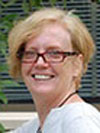
Donna Strickland, winner of the 2018 Nobel Prize in Physics (Credit: UNI, Waterloo)

On this week that Nobel Prizes are being announced, a cloud hangs over the academy and over our justice system. The Nobel Prize for Literature for 2018 will not be awarded because of sexual and financial misconduct allegations against committee members, culminating in one key figure being sentenced to jail this week for rape. Another news item notes how few women have been awarded Nobel Prizes and raises questions about bias. Fortuitously, the Nobel Prize committee just awarded Dr. Donna Strickland, the third female scientist in history (and first in 55 years), a Physics Nobel, shared three ways by scholars working on laser physics.

U.S. Supreme Court building (Credit: Joe Ravi, CC-BY-SA 3.0)

Meanwhile, the U.S. has just been through wrenching hours of testimony regarding sexual assault allegations, as part of the hearings to appoint the next U.S. Supreme Court Justice. We have not progressed far since Anita Hill testified on Capitol Hill. Another professional woman, separated by nearly three decades from Dr. Hill’s experience, gave solemn testimony last week. Both women came forward out of a sense of civic duty and opened their professional and personal lives and families to public scrutiny and far worse, for no personal gain. This testimony contrasted sharply with a privileged candidate for the highest judicial seat angrily responding during his turn, especially towards female questioners. But these are not the only allegations that have crossed our news feeds or desks. I have learned of recent sexual misconduct allegations, proceedings, and findings against a geographer at a U.S. institution. I also have received a signed request from AAG members for our organization to address a specific case and, more broadly, these issues in more depth. Broadly speaking, as a former administrator, I cannot discuss specifics of cases because victims, witnesses, and accused (and exonerated) parties must receive due process and be protected from retaliation in these proceedings. Meanwhile, the challenge for AAG is what can we do, as a professional organization, to improve the climate for and among our members?

As I wrote in my September 2018 column, the AAG Council appointed a committee to work on improving and strengthening our AAG Meeting Conduct policies, to make our Annual Meeting a safer place. The AAG Inclusion Committee will be presenting their findings and recommendations to AAG Council to consider this fall, so we can move forward with a new plan. I am grateful to the committee, led by Dr. Lorraine Dowler, for their hard work on this. Stepwise, there are other ways we can address the issue of harassment, bullying, and bias in our community and institutions. One of the informal observations by the Inclusion Committee was that science organizations seem to be ahead of the issues in several senses. For the rest of this column, I will share some of the best practices of other organizations, and set an agenda for where we may ask the AAG Council and our membership to go next.

On the topic of equity, The American Geophysical Union (AGU) President and President-elect have raised the issue of gender equity in their awards, and tasked their honors committee to study how to improve in this area, and their members to be more proactive in nominating deserving diverse members. Prompted by this published discussion, an AAG member sent me a query about gender balance in AAG Awards, and asked if AAG has undertaken a study to see where we stand, and expressed optimism that we are doing well. I would expand this to a broader examination of equity in terms of how do we honor, elevate, and retain all protected classes in our profession. This is another of our grand challenges then, to assess the equity in our recognition systems.

Also on the topic of honors, the American Association for the Advancement of Science (AAAS) Board just passed a policy and procedure to revoke AAAS Fellowship status due to “proven scientific misconduct, serious breaches of professional ethics, or when the Fellow in the view of AAAS otherwise no longer merits the status of Fellow.“ This includes sexual misconduct. This is another grand challenge that should be considered by our organization and others as a next step, again building on our Safe Meetings, anti-harassment, and ethics policies.

Broadening out on consequences for bullying, harassment, bias, and workplace hostility, AAG needs to work in partnership with our home institutions and our sibling organizations to ensure seamless reporting, support, and action structures to deal with complicated sets of allegations and due process for all, especially when they cross multiple jurisdictions. I have heard instances where a victim was harassed at a meeting, and the perpetrator was not from their home institution, and the event was co-sponsored by two organizations. Unfortunately, the home institution had limited capacity to deal with this. Therefore, these kinds of cases can fall through institutional jurisdictional gaps when it comes to Title IX enforcement. A further complication to protect victims and witnesses from retaliation is that they are not identified and do not know the penalties handed out to perpetrators. Thus, it will often take a very long time for investigation outcomes to see the full light of day. Creating a reporting structure and clearinghouse in partnership with our home institutions is therefore another one of our grand challenges. For AAG Meetings we have made progress to build on with our Inclusion Committee, combined with our foundational anti-harassment policies, and our existing standing committee that hears meeting harassment cases.

I wish that Geography and other organizations’ “Presidential Columns” did not have to be about demanding that our memberships be more respectful and more inclusive of one another; for civility; and for basic human rights. It is the responsibility of leadership to listen to our members; to shine the light on timely and difficult professional issues that have always plagued our fields, not only recently; and to act to make our professional communities kinder, more inclusive, and in the words of Former AAG President Victoria Lawson, “caring” places, of “human and environmental well-being” (Lawson, 2009, Antipode 41(1): 210-214). I believe we geographers are all on the same page with treasuring our planet and our environment, but we still have to work on valuing and respecting each other. I salute the vast majority of geographers who do care, the women and men who write to me, who sign your names with sincerity, hope, and courage to share ideas and ask for changes, and who are already part of the positive “climate change” in Geography.

Please share your ideas with me at: slbeach (at) austin (dot) utexas (dot) edu

— Sheryl Luzzadder-Beach, President, AAG
Professor, Geography and the Environment, The University of Texas at Austin

DOI: 10.14433/2017.0045

    Share

Michelle Kinzer Joins AAG Staff as Government Relations Manager

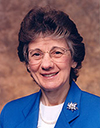
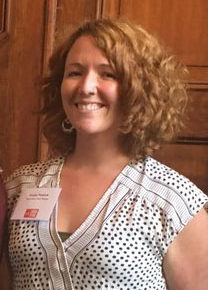
The AAG is pleased to welcome Michelle Kinzer to fill the role of Government Relations Manager. She will serve as AAG’s primary advocate on public policy in Washington and will continue to grow relationships with government decision makers as well as outside organizations and stakeholders. She will track and analyze relevant issues facing the AAG and work to promote the rapidly growing geography community as a whole.

Michelle brings with her several years of government relations experience from both the public and private sectors. She began her career answering constituent phone calls in the office of Senator Tim Kaine and eventually went on to manage the Senator’s constituent correspondence database. She employed her budding passion for geospatial data by compiling targeted email lists for press releases and town halls in the Commonwealth, and mapping internal correspondence metrics. After some crash courses in ArcGIS Online, she created an interactive Virginia map for the National Park Service’s 2016 Centennial that was featured on Senator Kaine’s website. Michelle later went on to join the government relations firm Public Strategies Washington as a Senior Legislative Assistant. Her client work focused on the issues of renewable energy, small business & seasonal visas, agriculture, and transportation.

Michelle is a graduate of Virginia Tech where she earned her B.A. in Urban Planning with a concentration in Global Development and minors in Political Science and Spanish. She developed a working proficiency in Spanish while studying abroad in Valparaíso, Chile.

In her free time, Michelle enjoys DC theater, bluegrass music, Hokie football, and arguing with friends and family over the quickest way to get somewhere.

    Share

AAG Welcomes Fall 2018 Interns

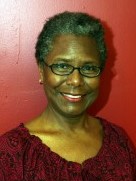
Three new interns have joined the AAG staff this fall semester! The AAG would like to welcome Daliha, Mike, and Siri to the organization.

Daliha Jimenez is a senior at the University of Maryland, College Park, pursuing a B.S in Geographic Information Systems and a minor in Remote Sensing. Daliha hopes to use her skills to collect data and create maps to analyze the effects of land and climate change along the East Coast. She is also interested in urban planning and analyzing growth in densely populated areas. After graduating this December, she wishes to work as a GIS analyst in the District / Maryland / Virginia area. In her spare time, she likes to watch movies, explore new museums & restaurants, and embroider different designs.

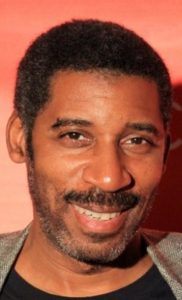
Mike Kelly is currently a junior at the George Washington University studying Geography and Finance. Prior to joining AAG, Mike served as a Membership and Marketing Intern at the Council on Foundations in Arlington, VA. At the COF, he was heavily involved with database management and creating content to be distributed on social media and mailing lists. Born and raised in the suburbs of Philadelphia, Mike spent most of his childhood in Bucks County rooting for the Eagles, Sixers, and Phillies. In his spare time, Mike enjoys producing and listening to music, running, following college basketball and reading up on the latest trends in new urbanism.

Siri Knudsen is a senior at the George Washington University pursuing a B.A in Geography and International Affairs and minors in Spanish and GIS. Over the summer she worked at the Port of Seattle in Washington State as a data management intern in their environmental department. Siri got to participate in many of their habitat restoration projects including monitoring and mapping kelp growth in Elliott Bay. Aside from her interest in environmental issues, she is an active participant in open source mapping and hope to one day bridge her disciplines and continue working in this field. Siri’s love for geography came from childhood boating trips in British Columbia where her family explored the intricate groups of islands, navigating them using nautical charts. In her spare time, Siri likes to read, travel, ski, and be at the beach with her dog!

If you or someone you know is interested in applying for an internship at the AAG, the AAG seeks interns on a year-round basis for the spring, summer, and fall semesters. More information on internships at the AAG is also available on the Jobs & Careers section of the AAG website at: https://www.aag.org/internships.

    Share

Marilyn Sue O’Hara

Marilyn Sue O’Hara, also known as Marilyn Ruiz, died September 30, 2018, following a collision between her car and a semi-truck at an intersection near her home in Urbana-Champaign, Illinois. She was 58 years old. She is survived by her parents, four children, and six siblings.

Marilyn received her Ph.D. in Geography at University of Florida in 1995. Her dissertation was titled  “A Model of Error Propagation From Digital Elevation Models To Viewsheds.” Her dissertation advisor was Grant Ian Thrall. Her Bachelors and Masters degrees were from University of Illinois. Her selection of UF for her doctorate degree came about because of communications with Grant about Spatial Diffusion, Grant at  the time was resident scholar at the Homer Hoyt Institute, doing research on spatial diffusion of urban development, and he had recently co-authored a monograph titled Spatial Diffusion. She then applied for the graduate program at UF and received an offer of a UF Presidential Scholarship awarded to the University’s top entering graduate students. Marilyn never drew funds from that award because her graduate program at UF was generously and fully funded by contract grants on DEM from the US Military. Her advancements on the topic of DEM were expedient; but, her passion was Epidemiology, Spatial Diffusion of Disease.

After receiving her Ph.D. she was offered several academic appointments and accepted a position as Assistant Professor at Florida State University. After completion of her third year at FSU, she was offered positions at University of Illinois where she advanced to Clinical Professor of Pathobiology.

At University of Illinois she became a cherished teacher, advisor, and mentor. The comments on her FacebookPage from her former students in the USA, India, and Africa, stand as a testament to the high regard she was held by her students, the university, and her biological family. She was a brilliant student; a wonderful person.

I am honored to have been her Ph.D. advisor and her friend

– Grant Ian Thrall

Marilyn O’Hara’s facebook page is at https://m.facebook.com/marilyn.o.ruiz

A selected list of her publications at https://experts.illinois.edu/en/persons/marilyn-ohara-ruiz/publications/

    Share

Joe Schwartzberg

I am now in my ninety-first year and am writing this from my home in White Bear Lake, Minnesota. Presently I am in a home hospice care program in which I expect to spend whatever time remains to me. I am writing this in lieu of a much more extensive memoir in which I had hoped to present, as a major part of my legacy, a detailed account of my richly spent lifetime. But, even in this greatly abbreviated narrative my life story will, I believe, be of interest to numerous potential readers. Many of them knew/know me in respect to one or another aspect of my diverse career, but have little or no knowledge of the others. I also hope that this account will impart useful lessons to groups with whom I identify and, perhaps, induce them to work harder in support of causes – workable world government, human rights, global education (especially in geography), and others — that we jointly support.
 
To enhance its readability, this account is written in the third person to make it less open to the criticism that I, the writer, am guilty of undue self-promotion. It goes without saying that, like all other human beings, I have my share of shortcomings, but I have chosen here to focus on the positive.
 
Joseph E. Schwartzberg
Born in Brooklyn, New York on February 5, 1928, Joseph Schwartzberg was the second of four children of Philip and Frances Schwartzberg. He and his siblings were born within a span of less than six years. All six members of the family participated in the operation of their small clothing store. They lived in two rooms behind the store during the bad years of the depression and in an apartment immediately above it when times were good. Joe graduated from Erasmus Hall High School in 1945 and in 1949 from Brooklyn College (cum laude), where he majored in geology.
During World War II Joe spent parts of three summers working on farms to support the war effort: a poultry farm on a then defunct New Deal cooperative homestead project in New Jersey; a poultry and tobacco family farm in the Connecticut River Valley; and a large cattle ranch near Houston, Texas. When it became apparent that the war in the Pacific would shortly end, Joe quit his job and hitchhiked to various cities in Mexico, all the way to Acapulco on the Pacific coast. This was, arguably, the most noteworthy of his numerous hitchhiking trips – in North America, Europe and Asia — that Joe made during the course of a life marked by extensive travel.
During his years in college Joe was active in a number of student organizations. He was president of Beta Delta Mu, an interracial fraternity (quite rare in those days); and was the manager and a (not particularly good) member of the collegiate wrestling team.
Shortly after earning his B.A, Joe accepted a position as a geographer with the Map Intelligence Branch of the U.S. Army Map Service near Washington, D.C. Simultaneously he worked for his M.A. at the University of Maryland. His master’s thesis (1951), “Old Order Amish and Stauffer Mennonite Communities in Southern Maryland,” was based on field research among the communities named. This work instilled in him a love of fieldwork and an abiding interest in “plain people” and, more generally, in communities with life styles deviating from established norms. During this period, Joe frequently attended Washington’s First Unitarian Church. There, he became familiar with the then burgeoning World Federalist movement. He has maintained his allegiance to the “one world” ideal ever since.
Shortly after the outbreak of war in Korea, Joe was drafted into the U.S. Army. Although he anticipated that he would be sent to Korea immediately on conclusion of his infantry basic training, he was assigned instead to a topographic engineering battalion headquartered in the Presidio of San Francisco. After nine months in that unit he accepted a commission as a 2nd lieutenant and was transferred to Fort Belvoir, Virginia. There he trained for work in a newly created terrain intelligence unit, which was dispatched to Heidelberg, Germany in December 1952. His duties entailed extensive travel in Germany; and his leave time provided additional opportunities for international travel.
After almost three years of military service, Joe, then a 1st lieutenant, took his discharge in Germany. Thus began an extensive period of foreign travel and residence, including four months in Seville, Spain (then still under the rule of Franco) in early 1953; eight months in Paris in 1953-54, studying French language and civilization at the Sorbonne (courtesy of the G.I. Bill of Rights); a month in Israel; brief sojourns in many Islamic nations in North Africa and the Middle East; a half-year touring India and other countries of South Asia; several months in Southeast Asia; and a month in Japan.
During his stay in Paris, Joe drew up a rough draft of a World Constitution, many of whose ideas were incorporated in articles and books published later in his career. Joe’s federalist thinking was later reinforced by his experience in India, the world’s most populous federal polity. Considering that, despite its many serious problems, meager resources and incredibly diverse population, India was able to maintain a viable democracy, convinced Joe that a federalized world, with vastly greater resources, could do so as well.
Joe’s sojourn in India was marked by visits to a number of Gandhian ashrams and government-managed community development projects (some guided by the Ford Foundation); and by the formulation of numerous friendships: with government officials, holy men [sadhus], artists and writers, other travelers, etc. Several of these friendships endured for decades.
In September 1956 Joe embarked on study for a doctoral degree at the University of Wisconsin. He had by then decided to specialize in either South or Southeast Asia, and chose as his advisor the renowned geographer, Richard Hartshorne, notwithstanding the fact that Hartshorne had no Asian experience. That somehow didn’t matter. In 1958 Joe was awarded the first of two year-long fellowships from the Social Science Research Council, the first for field work in India, the second for support while writing his dissertation His field work entailed thousands of miles of travel by bicycle (accompanied by Indian interpreters) to more than 200 villages throughout India. His dissertation, Occupational Structure and Level of Economic Development in India: A Regional Analysis, completed in 1960, was later published as monograph no. 4 of the 1961 Census of India. Working with the Census Commissioner, Joe provided detailed recommendations for the schedule of questions for the 1961 census, as well as a template for decadal census atlases at both the national and state levels.
In 1960, Joe accepted a dual appointment at the University of Pennsylvania, joining the Wharton School’s Department of Geography and Industry and the Department of South Asia Regional Studies, the first such regionally specialized program in the United States. His contacts in the latter department greatly expanded his multi-disciplinary understanding, not only of South Asia, but also of regional studies in general. Several relevant papers on regionalism ensued, as did two seminal papers on the geography of the Indian caste system.
In 1962 Joe was in charge of training, at the University of Pennsylvania, of the first group of Peace Corps volunteers to be sent to Ceylon (now Sri Lanka). He accompanied the PC volunteers to Ceylon for a final month of training, following which he spent almost a year in India as a Fellow of the American Institute of Indian Studies. For most of this period he expanded his previous research.
During this year he met Monique Ribaux, a Swiss medical lab technician working for the malaria eradication program of the World Health Organization. The two were wed in Geneva in December 1963, and subsequently had two sons, Philip (b. 1964) and Paul (b. 1966). They were divorced in 1998.
In the spring of 1964, Joe learned from a colleague at Pennsylvania of a proposal to create a Historical Atlas of South Asia at the University of Minnesota, following the bequest to that institution of the magnificent Ames Library of South Asia. Excited by that challenging initiative, Joe wrote a lengthy memorandum to its two principal faculty supporters specifying what he thought such an atlas should contain. This resulted in an unanticipated invitation for him to come to Minnesota to join the Geography Department and edit the work. He accepted the offer, and moved to Minneapolis with his family that December.
The atlas project took much longer than anticipated. It entailed procurement of numerous research grants, and required roughly 85 person-years of work from a multi-disciplinary team of specialists at Minnesota and the American Geographical Society. First published by the University of Chicago Press in 1978, the work was reissued in an updated edition by the Oxford University Press in 1992, and in a digitized edition by the University of Chicago in 2006. It won the Watumull Prize of the American Historical Association, as the best work on Indian history of the 1978-79 biennium, and an outstanding achievement award from the Association of American Geographers. In 1981 David Watumull observed: “Over the years, since 1946 when this Prize was instituted, I can … say, without a doubt, that this is the finest and most worthwhile book to be selected.” What makes the work unique is its presentation, not only of the findings of modern historians of South Asia, but also its recreations of the ways in which aspects of that region were made known by numerous actors – both South Asian and outsiders –over more than three millennia.
Publication of the atlas led to Joe’s being recruited into what was to become an even larger (and still on-going) project, the preparation of a multi-volume History of Cartography. Apart from offering advice in planning the work (headquartered at the University of Wisconsin), Joe was asked to write an article on the indigenous cartography of South Asia, a subject on which there was then virtually no extant literature. However, years of research in South Asia and neighboring regions – in libraries, museums and private art collections, as well as in the field – uncovered a vastly larger corpus of cartographic and cosmographic artifacts than one might have anticipated. Joe was the associate editor and principal author, by far, of two volumes of the history, one on South Asia and the Islamic World, the other on East Asia, Southeast Asia and Greater Tibet (University of Chicago Press, 1992 and 1994 respectively). In all, he contributed more than 550 pages of text and illustrations for the work. (Particularly remarkable were his 76 pages dealing with the cosmography and cartography of “Greater Tibet,” a subject on which there had been virtually no prior cartographic scholarship.)
Joe’s additional writing in his years at Minnesota (1964-2000) took numerous forms: scores of book reviews, essays in political geography, editorials on contemporary issues and events, numerous articles on the Kashmir dispute, work on folk regions in South Asia, a short monograph relating to the history of exploration, various spin-offs from his work on the history of cartography, and major contributions to several encyclopedias, including the lengthy article on the “Physical and Human Geography [of India]” for the 15th edition of the Encyclopaedia Britannica on whose advisory board he subsequently served.
Joe’s writings on Kashmir were focused on promoting a peaceful resolution of the multi-partite disputes over that region. They were based largely on his visits – in 1993, 1994 and 1997 – to all parts of that contested, ethnically diverse state. He conducted interviews, on both sides of the Indo-Pakistani line of control, with a wide range of political actors (UN personnel, civil administrators, military officers, party leaders, dissidents [some in hiding],businessmen, journalists, victims of violence, and others). While his tours in 1993 and 1994 were largely self-financed, that of 1997 was as part of a fact-finding team sponsored by and drawn from the Kashmir Study Group (KSG). This think tank, of which Joe was a founding member, was established in 1996 by Farooq Kathwari (a wealthy Kashmir-American businessman), and was made up mainly of scholars and retired diplomats. Though the published findings and recommendations of the KSG (to which Joe was a principal – but anonymous – contributor), were widely discussed in diplomatic circles in South Asia, North America and Europe, hawkish nationalistic spoilers ultimately prevented their adoption. The KSG still exists; but it is less active than in its early years.
Along with writing, Joe taught thousands of students in a variety of courses and seminars. His most popular courses were introductory human geography (a sweeping overview of how the world is constituted) and political geography (wherein one is challenged – as in the real world – by the necessity of striking a credible balance between idealism and realpolitik). More specialized were his offerings on South and Southeast Asia and on historical cartography. Of particular relevance for his work on global governance were his seminars on “The Geography of Federalism,” “The Law of the Sea” and “A Charter for the New Millennium.” In 1979-80, Joe held a visiting Fulbright professorship at the Center for the Study of Regional Development at Jawaharlal Nehru University in New Delhi, during which he offered a course in population geography and a seminar on field methods.
Attendance at conferences provided Joe with abundant opportunities for travel, either en route to or returning from the conference venue. His participation at the 1992 Rio Summit Conference on the Environment and Development, for example, was followed by extensive travel in South America; and his atlas presentation at the Canberra meeting of the International Congress of Orientalists in 1971 was combined with visits to a number of Pacific Island nations. In all, Joe has traveled to approximately a hundred countries.
Intermittently, Joe served as a consultant to numerous governmental and scholarly agencies in the United States, Canada and India, and as a member of selection committees for various academic awards. For three years (1985-88) Joe was the elected Secretary of the US National Commission of the International Geographic Union. His previously noted work for the Indian census was instrumental in his consulting with the Mandal Commission, tasked with devising a quota system (arguably unwise) for allocating jobs and educational seats for members of so-called “other backward castes.” On October 23, 1959 Asok Mitra, the then Registrar General and Ex-Officio Census Commissioner of India, wrote to Joe as follows: “I am indeed very grateful to you for your letter of 25th September and your very well thought out recommendations for the improvement of the 1961 Census of India. I feel very grateful to you indeed, as these recommendations are by far the most detailed, practicable and important that I have ever received. All of them bear the imprint of a sense of reality.”
In recognition of his scholarly achievements the Department of Geography nominated Joe in 1995 and in 1996 for a highly competitive Regents Professorship, the highest academic honor that the University of Minnesota can bestow. However, neither nomination resulted in success.
Apart from scholarship, Joe was also heavily engaged in service activities on and off campus. On campus, he served (albeit briefly) as Chair of the Department of South Asian and Middle Eastern Studies, as an elected representative in the University Senate and in the Assembly of the College of Liberal Arts, and as a member of numerous committees. For three years (1984-87) he directed the Minnesota Studies in International Development program (MSID), providing unpaid student internships in a number of countries of the global South. He established several MSID programs in India and headed a delegation to Colombia, which led to a program with that nation’s Fundación Social, a business conglomerate guided by the Jesuit teachings of “liberation theology”. For several years following the Colombia visit, Joe was among a group of activists that tried (unsuccessfully) to establish an inner-city cooperative bank based on the Fundación model. In 2009 the University bestowed on Joe its annual “Award for Global Engagement” and the title “Distinguished International Professor Emeritus.”
In the public arena, Joe was also quite active. He served in various capacities in the Minnesota Chapter of the World Federalist Association (later Citizens for Global Solutions), including 14 years as its President. He was also active in several roles in the governance of WFA/CGS at the national level.  He chaired WFA’s Policy and Recommendations Committee for several years prior to the establishment of CGS in 2004, and for the following decade was especially active in the World Federalist Institute, a CGS-affiliated think tank. For several decades he served as a member either of the Board, or of the Advisory Council, of the Minnesota Chapter of the United Nations Association.
In 1996 Joe was one of the handful of activists who founded the Minnesota Alliance of Peacemakers, which subsequently grew into an umbrella institution with roughly eighty peace and justice organizational members. In the following year he was a co-founder of the aforementioned Kashmir Study Group. In 1999, Joe was the annual honoree of the Vincent J. Hawkinson Foundation, an entity promoting peace and justice activism in five states of the Upper Midwest of the United States.
In a non-academic vein, Joe gained a touch of notoriety for his remarkable doodles, hundreds of which were created during tedious staff meetings and conferences in Minnesota and elsewhere. One of these appears to the left.
Additionally, Joe derived much pleasure from writing and illustrating whimsical stories for his children and grandchildren. Among these were Emanuel and Elvis, the story of a forgetful old man’s dependency on his pet elephant. Another favorite was There’s a Frog up Your Nose, a path-breaking four-part trilogy, the contents of which are less disgusting than the title.
Following his formal retirement from the University of Minnesota in 2000, Joe focused more heavily on issues of global governance, working largely with several organizations already named – writing scores of op-ed essays for their respective journals – and with the Academic Council on the United Nations System in whose journal, Global Governance, he published papers on UN peacekeeping and weighted voting. He expanded his advocacy of the latter idea in a monograph published in 2004 by the World Federalist Movement – Institute for Global Policy, Revitalizing the United Nations System: Reform through Weighted Voting. A related monograph, Creating a World Parliamentary Assembly: An Evolutionary Journey, was published by the Berlin-based Committee for a Democratic United Nations in 2012.
The ideas in these two monographs and in many previous articles – along with many others – were compiled in a book, Transforming the United Nations System: Designs for a Workable World (TUNS), published by the United Nations University Press in 2013. That work provides a comprehensive set of proposals for moving away from the Westphalian paradigm of unfettered state sovereignty on which the present system of global governance is predicated. Despite – or perhaps because of – its radical nature, Joe’s most recent book has been warmly endorsed by leading global thinkers, including Boutros Boutros-Ghali, Thomas Pickering, Brian Urquhart, Thomas Weiss, Johan Galtung, Alfred de Zayas, Stephen Schlesinger and many others. Joe’s editor at the United Nations University Press wrote to him shortly before publication: “I don’t think we’ve ever had a book with so much praise and backing from such a prestigious group of endorsers.” The Press then made Joe its first nominee ever for the prestigious Grawemeyer Award for Ideas Improving World Order. (He did not win, however.)
Of all that Joe has written, the most important, potentially, is the following credo, which he composed in 1976:
An Affirmation of Human Oneness
I am a member of the human family, a citizen of the world.
The achievements of men and women throughout the ages are my heritage.
My destiny is bound to that of all my fellow human beings.
What we jointly create forms our bequest to future generations.
May my life serve the good of my family.
May our use of the earth preserve it for those yet to come.
Joe hopes that this statement will be routinely recited at the outset of civic events, school ceremonies and other noteworthy occasions throughout the world, either along with the respective national anthems or independently. Toward that end Joe had the Affirmation translated into 12 major world languages for distribution at the summit Conference on the Environment and Development, which he attended in Rio de Janeiro in 1992. The total number of translations now stands at 43.
In 2001, Joe and his fellow peace and justice activist, Louise Pardee, entered into a domestic partnership and Joe moved from his cramped apartment in Minneapolis to Louise’s spacious lakeside home in suburban White Bear Lake. Since then, Louise has contributed to Joe’s work, editorially and in other ways.
In December 2014, Joe legally established The Workable World Trust, the principal purpose of which is to disseminate and promote the many global governance proposals in his most recent book. The work of the Trust has been carried out with the remarkably efficient and competent support of Ms. Nancy Dunlavy, who legally succeeded Joe as Director of the Trust in 2017. Joe then formally assumed the title of Director Emeritus. In practice, however, the two continue to cooperate on a wide variety of projects; and Joe intends to remain active as long as his health permits.
The Trust has negotiated translations of TUNS into Arabic, Chinese, French, German, Japanese, Russian and Spanish, thereby facilitating virtually worldwide discussion of its reform recommendations. Additionally, a much shorter, less academic Study and Discussion Guide has been prepared for each translation.
The Trust has supported (or is supporting) many projects in addition to those noted above, with beneficiaries in every continent. It has sponsored major conferences, such as the “Creating a Workable World” conference (University of Minnesota, 2015), the “Seminar on Security Council Reform” (UN Church Center, New York, 2016), and the “Commonwealth of Nations as a Vehicle for Sustainable Peace & Development” conference (Brisbane, Australia, 2018). It has also contributed substantial funds in support of conferences and reform advocacy by like-minded groups (e.g. The World Federalist Movement, the Berlin-based Democracy Without Borders, the Brussels-based Center for United Nations Constitutional Research), and provided travel support for youth participation at the Ventotene International Seminar in Italy and a Model UN program in Mexico City. It is also the principal financial backer of the “UN2020” initiative for a General Assembly-backed effort to institute a major reform process to mark the 75th anniversary of the UN’s founding. The Trust has also endowed a Workable World lecture series through the year 2025 in conjunction with the prestigious Nobel Peace Prize Forum, held each year at Augsburg University in Minneapolis. Further, Joe has bequeathed to Augsburg his personal global governance book collection, along with a fund for the enlargement of his bequest. Since its creation, the Trust distributed over $2 million (estimate as of March 2018) in support of numerous undertakings.
In summary, Joe has enjoyed a remarkably rich and rewarding life. He has sought to conduct himself as a World Citizen, in both word and deed. He has demonstrated his willingness to tackle big projects and his ability to bring many of them to successful conclusions, at times independently and at times as part of a team. He has been recognized for the rigor, originality, and social value of his scholarship. He has put forward detailed and practicable proposals for improving global governance through peaceful evolutionary processes. He recognizes the fallibility of human beings and the institutions that they create, and knows that utopia is not attainable. But a workable world is. Joe hopes that his work and that of the Workable Word Trust – which will outlive him – will contribute significantly toward the achievement of that goal and encourage others to join in the struggle to bring it to fruition.
   White Bear Lake, Minnesota, August 2018
    Share

Terrence W. Haverluk

Terrence W. Haverluk died September 18, 2018, in Colorado Springs, CO. He was a Professor in the Geospatial Science Program at the United States Air Force Academy. Terry was born September 12, 1958, in Gillette, Wyoming. He was an athlete throughout high school, excelling in both wrestling and baseball. He attended the University of Northern Colorado for his undergraduate degree in geography. He worked as a roughneck on the oil rigs in Weld County, CO, to pay for school. After travelling throughout Europe and Mexico, he enrolled in the Geography Department at the University of Minnesota, where he earned his MA in 1987 and PhD in 1993. Terry was a cultural geographer who published numerous influential research articles and books. He first became recognized for his work on Hispanic migration patterns in the United States and the cultural changes that resulted in receiving communities. He also published on Mexican food diffusion, regional food types, and cultural adaptations of cuisine and cooking. During the most recent years he turned to geopolitics, publishing the textbook Geopolitics From the Ground Up, journal articles, and teaching the topic in the Scholars Program at the Air Force Academy and occasionally at the University of Colorado, Colorado Springs and Pikes Peak Community College. A consummate geographer, he easily transcended subdisciplines, making connections between the physical and human world and teaching classes in both. Anybody who knew Terry can attest that he was a jovial, fun-loving, and enthusiastic person. He loved to cook and travel, and was proficient in both Spanish and French. He was also a brilliant scholar. His research contributions helped many others, and he was the best lecturer anybody could ever have the pleasure to listen to. At the Air Force Academy, he was well-known among faculty and cadets for his “Chile Pepper” lecture, and recently was known to receive standing ovations from cadets as he walked into the classroom. However, he had been in poor health for nearly a decade, suffering from various ailments, but all related to his underlying struggle with alcohol. Terry had just turned 60 the weekend before his death, and hosted a pig roast at his property. Many of his friends and family came from around the country, which gave him great joy. The geography community has lost a great mind and great spirit. He is survived by his wife Julie and daughters Elena and Claire.

    Share

Newsletter – September 2018

PRESIDENT’S COLUMN

A New Academic Year

By Sheryl Luzzadder-Beach

Beach_Sheryl-500This Labor Day weekend marks the return to University instruction for many geography faculty and students, and as an educator, I welcome you all back to our academic community and wish you a successful new academic year. Many of us are returning from field and lab research, writing, and conferences, wondering where the summer went and why we are considered nine-month-employees! … For our non-academic professional Geography community, I pause to thank you for your research partnerships, your innovation and entrepreneurship, and for the internship opportunities and inspiration you offer to our students.

Continue Reading.

Read past columns from the current AAG President on our President’s Column page.


ANNUAL MEETING

Carla Hayden, 2019 AAG Atlas Awardee, to Speak in D.C.

Carla HaydenThe AAG will be awarding Carla Hayden, 14th Librarian of Congress, the Atlas Award during the 2019 AAG Annual Meeting, on Friday, April 5, 2019. Hayden will deliver a keynote address after presentation of the Atlas Award, the association’s highest honor.

Learn more about Hayden.

Focus on new

“Focus on Washington, DC and the Mid Atlantic” is an ongoing series curated by the Local Arrangements Committee to provide insight on and understanding of the geographies of Washington, DC and the greater Mid Atlantic region in preparation for the 2019 AAG Annual Meeting.

Stories of Change Hidden in Washington, D.C.’s Alley

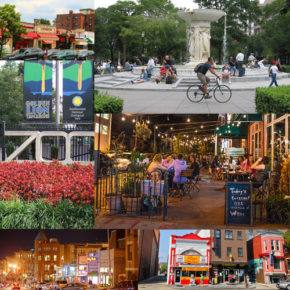
Tucked into residential areas of Washington, DC exists a maze of alley homes and retail establishments dating back to the Reconstruction era of the mid-1800s. Today, urban hikers may find a mixture of homes, art, and food scattered in various masked locales. Rebecca Summer elaborates on the disappearing feature of the gentrifying city in this latest Focus article.

Read more.

Get Involved with the AAG Jobs and Careers Center!

The AAG seeks panelists, mentors, and workshop leaders for careers and professional development events for its annual meeting, April 3–7, 2019, in Washington, DC. Individuals representing a broad range of employment sectors, organizations, academic and professional backgrounds, and racial/ethnic/gender perspectives are encouraged to apply. If interested, email careers [at] aag [dot] org, specifying topic(s) and activity(s) of interest, and attach a current C.V. or resume. For best consideration, please submit your information by October 25, 2018.

Learn about the AAG Jobs & Careers Center.

Registration for #aagDC Now Open! Start Planning your Trip!

The new early bird registration rate for the 2019 AAG Annual Meeting expires on September 27, 2018. Register early to ensure the best rates!


ASSOCIATION NEWS

Meet the Editors of AAG Journals: Tim Cresswell, Deborah Dixon, and Philip J. Nicholson

This month, get to know the editorial team of AAG’s newest journal, GeoHumanities. Two editors, Tim Cresswell and Deborah Dixon, and one assistant editor, Philip J. Nicholson, work on the journal, which includes scholarly articles at the intersection of geography and the humanities, shorter creative pieces, and an accompanying online art exhibition of author’s works.

Find out more about the AAG Journals editors.

Visiting Geographical Scientist Program Accepting Applications for 2018-19

The Visiting Geographical Scientist program (VGSP) sponsors visits by prominent geographers to small departments or institutions that do not have the resources to bring in well-known speakers. The purpose of this program is to stimulate interest in geography, targeted for students, faculty members, and administrative officers. Participating institutions select and make arrangements with the visiting geographer. A list of pre-approved speakers is available online. VGSP is funded by Gamma Theta Upsilon (GTU), the international honors society for geographers.

Apply to and learn more about the VGSP.


MEMBER NEWS

Profiles of Professional Geographers

Caitlin KontgisThis month, learn about the career path of Caitlin Kontgis who works as an Applied Scientist Lead (Solutions) at Descartes Labs in New Mexico. Kontgis discusses her passion for geography, how it has led to her giving back to her local community, and the undergraduate courses that inspired her eventual professional goals.

Learn more about geography careers.

Summer Member Updates

Many AAG members were active throughout the summer with research and other geography related activities and honors.

50 year AAG Member Martin J. Pasqualetti was named the University of California, Riverside Alumni Association’s 2018 Distinguished Alumnus. His work has largely focused on energy, including his UC, Riverside dissertation, Energy in an OasisLearn more.

Marla R. Emery, a Research Geographer with the United States Department of Agriculture, Forest Service Research and Development, has been appointed co-Chair of the Intergovernmental Science-Policy Platform on Biodiversity and Ecosystem Services for the assessment of the sustainable use of wild species. Read more.

AAG Councilmember Wendy Jepson was awarded an NSF grant to lead a new water security research network. She was also selected as one of eight Texas A&M Faculty for their inaugural X-Grant program in which she will lead a team examining desalination and water reuse.

Julie Loisel, an assistant professor of geography at Texas A&M, was awarded one of eight inaugural grants in the Texas A&M X-Grant program that awards research funding for interdisciplinary projects. Her team will be assessing CO2 levels in arctic permafrost. Learn more.

The keynote speaker for the 4th Annual International Geography Youth Summit in Bengaluru, India was Sue Roberts of the University of Kentucky. The summit, founded by Chandra Shekhar Balachandran, attracted 170 young adults aged 11 to 17. Read more.

Jacqueline M. Vadjunec has been appointed to serve as a Program Director for Geography and Spatial Sciences at the National Science Foundation. Jacqueline will work with two other GSS program directors, Antoinette WinklerPrins and Thomas Baerwald. She replaces Sunil Narumalani, who has returned to the University of Nebraska-Lincoln. Learn more.

Victoria Trucksess took part in graduate studies in Belize this past summer through Miami University’s Project Dragonfly. Trucksess of Hackettstown, N.J., studied approaches to environmental stewardship. Inspired by her work in Belize, Trucksess is now conducting a semester-long research project.


OP-ED

Researchers with disabilities in the academic system

By Aleksandra (Sasha) Kosanic, Nancy Hansen, Susanne Zimmermann-Janschitz, and Vera Chouinard

Op-ed-logo-300x77

“Although researchers with disabilities are an exceptional category, they are a still very much underrepresented group in Academia worldwide. With 1.5 billion people with disabilities worldwide, the percentage of academic positions filled in by academics with disabilities is surprisingly low… The low number/percentage of Academics with disabilities in top class universities and other research institutions is alarming, and we have to ask why this is the case and what are possible solutions to change this situation for the better.”

Continue reading.


IN MEMORIAM

Robert H. Stoddard

Robert StoddardRobert Stoddard passed away on May 21, 2018 at the age of 89. Stoddard, one of the first geographers to focus on pilgrimage, was also an Asia specialist who combined his interests throughout his distinguished teaching career in the U.S. at University of Nebraska-Lincoln and abroad in India, Nepal, and Sri Lanka.

Read more.


PUBLICATIONS

New Books in Geography — July 2018 Available

New Books in Geography illustration of stack of books

Recent books published in geography and related topics span the discipline from Bolivia and Chile to Asia and Manila to Russia and the Arctic. Some of these new titles will be selected to be reviewed for the AAG Review of Books. Individuals interested in reviewing these or other titles should contact the Editor-in-Chief, Kent Mathewson.

Browse the list of new books.

Read the September 2018 Issue of the ‘Annals of the AAG’

Annals-cvr-2017

Volume 108, Issue 5 of the Annals of the American Association of Geographers is now available! Articles spanning the breadth of geography from the four major areas of Methods, Models, and Geographic Information Science; Nature and Society; People, Place, and Region; and Physical Geography and Environmental Sciences are featured in each issue. Access to the journal is included in your AAG membership.

Full article listing available.

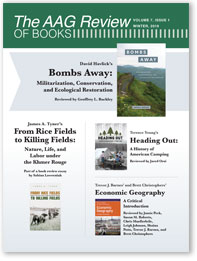
Summer 2018 Issue of ‘The AAG Review of Books’ Now Available

Volume 6, Issue 3 of The AAG Review of Books has now been published online. In addition to featuring individual book reviews and discussions, the quarterly publication also includes longer essays on several books dealing with a particular theme. This quarter, the essay by Joseph S. Wood looks at the white, rural poor in the US.

Read the reviews.


GEOGRAPHERS IN THE NEWS

EVENTS CALENDAR

Submit News to the AAG Newsletter. To share your news, email us!

    Share

A New Academic Year

This Labor Day weekend marks the return to University instruction for many geography faculty and students, and as an educator, I welcome you all back to our academic community and wish you a successful new academic year. Many of us are returning from field and lab research, writing, and conferences, wondering where the summer went and why we are considered nine-month-employees! The answer is we are year-round members of our academic communities. Last week I wrote the final Department Chair’s welcome of my term to the UT Austin Geography community. As my term closes, I am passing the administrative baton to a wonderful colleague, to whom I give my thanks and wish all the best. I am excited for the new beginning of rejoining my fellow professors and to have more time to devote to scholarship, to my students, and to the AAG. I thank those faculty, students, and staff who helped along the journey, and thank the department chairs who will carry our missions forward.

Every September, my family also celebrated the ritual known as back-to-school. Like my current household, we lived on the academic calendar: My Father is a retired junior high school teacher, and my Mother retired after a career that included elementary, junior high, and school district librarianships. The excitement of a new school year was signaled by the faint odor of dry grasses, star thistle, and oak leaves rehydrating in the cool, dewy September mornings of northern California. My educator parents encouraged me to follow any profession I desired, and gave me the confidence as a young girl to embrace science. My mother bought me my first microscope for my birthday while I was an elementary school student. In my windowsill, I grew protozoa from the science kit and studied them, along with rocks and minerals collected with my parents, under that microscope. Parents and teachers comprise an important partnership to inspire young students to succeed, and I encourage all of us to actively engage our students in Geography in the classroom and in research, to do outreach, and to practice inclusion.

For our non-academic professional Geography community, I pause to thank you for your research partnerships, your innovation and entrepreneurship, and for the internship opportunities and inspiration you offer to our students. I owe my career in water resources to an internship with the California Department of Water Resources. Geography professionals are also our university alumni, and as such are members of our extended academic communities; we thank you for your support and salute your successes. Looking ahead to Fall 2018, we have many AAG regional division meetings to attend. I encourage professional and academic geographers and students to take full advantage of these opportunities to exchange ideas and renew connections with friends, colleagues, alumni, and alma maters. We members of the AAG Executive Committee will be fanning out to attend the regional meetings, stretching from Keene, NH, to Reno, NV, and we look forward to connecting with all of you there. Please also remember that registration for the AAG Annual Meeting in Washington DC is now open.

Professional Meetings and Inclusiveness

An extremely important matter of AAG concern is creating and maintaining an inclusive, professional environment for meeting attendees. At our Spring meeting in New Orleans, the AAG Council created a task force to address harassment at AAG Meetings. They will have their first meeting in Washington, DC, in mid-September to consider data gathering, best practices, and policies that other professional societies employ for their meetings, to make the AAG Annual Meeting a safe space for all participants. The Task Force will report back to the AAG Council later this Fall. Derek Alderman’s January 2018 Presidential Column, co-authored with Lorraine Dowler, provides an excellent summary of the issues and resource links. This new Task Force is empowered by the AAG Professional Conduct Policy and AAG Statement on Professional Ethics. We also have a Standing Committee on AAG Annual Meeting Disciplinary Matters, and it has acted when called upon. We need to make our policies more visible, create safe spaces at our meetings, and provide a clear path of due process, to proactively reduce the number of incidents of inappropriate behavior, and to deal with those that do happen with firm consequences. In a future column I will report back on the progress of this Task Force.

Reflections on Rio: Geographers as Global Ambassadors

Speaking of conferences, this August I attended the World Congress of Soil Science in Rio de Janeiro, Brazil. Four Thousand soil scientists assembled under the theme of “Beyond Food and Fuel.” This conference called to attention the importance of soil as both a natural and cultural resource, and its multiple functions ranging from ecosystem support to biogeochemical cycling, to archiving environmental change and cultural history. Exhibits and activities included geographically curated Brazilian soil profiles, soil art, and a student “soil judging” competition with teams from around the world. We are reminded by this gathering of scientists that much of Geography studies the Critical Zone we humans inhabit. Rio is a city of contrasts, from wealthy to impoverished communities all perched side by side in a stunning geological and biogeographical setting, including the coastal Atlantic shore. More drama is added by granitic domes looming around the city and offshore as islands. Lush greenery clings to the steep slopes, as do houses, highways, and bike paths. The living natural heritage is preserved in The Botanical Garden of Rio de Janeiro. Not a week and a half after our return from Rio, however, it is shocking to see that Rio, Brazil, and in fact the world has just suffered a huge loss of cultural and scientific heritage with a fire destroying the National Museum of Brazil over the September 1 weekend. Sources have compared this fire to that which destroyed the ancient library of Alexandria in 48 BC. Helping Brazil to rebuild cultural and scientific heritage lost from this tragedy will take time and a global effort. I urge Geographers to assist in this recovery, and I offer my deepest condolences to our Brazilian hosts.

Geo-existential Legislation: S.2128 The Geospatial Data Act

Alerted by the AAG, one of my last official acts as Geography Chair at UT Austin, and an early action as AAG President, involved writing a letter to a Texas Senator, requesting support and sponsorship of S.2128, the Geospatial Data Act (GDA) of 2017. This legislation will be voted on in a Senate sub-committee soon. The AAG, led by our Executive Director, has worked tirelessly for many years to support Geographers’ professional access to participate in federal research and contracts involving mapping and geospatial data analysis. This important current legislation has the potential to save U.S. taxpayers millions of dollars by reducing duplication in geospatial data activities across all federal agencies, and has been endorsed by numerous prominent geospatial and geography organizations, including the AAG; the National States Geographic Information Council (NSGIC); and the United States Geospatial Intelligence Foundation (USGIF). It has also been supported by private-sector leaders, including Google, Esri, Boundless, and many others. If enacted, the GDA will improve coordination between the numerous agencies that use geospatial data as a critical asset in many endeavors, including responding to disaster situations such as Hurricanes Harvey and Maria, which impacted Gulf and Caribbean coastal communities a year ago. You can follow this and other policy issues affecting Geography on the AAG Policy Page. As always, feel free to write to your legislators and share your opinion on this and other matters. Thank you!

Please share your own ideas with me via email: slbeach [at] austin [dot] utexas [dot] edu

— Sheryl Luzzadder-Beach
President, American Association of Geographers
Professor, and Fellow of the C.B. Smith Sr. Centennial Chair in U.S.-Mexico Relations
Geography and the Environment, The University of Texas at Austin

DOI: 10.14433/2017.0043

    Share

Stories of Change Hidden in Washington, D.C.’s Alleys

Washington, D.C. is known for its monuments, museums, and grand government buildings. It is associated with policy wonks, foreign dignitaries, and political controversy. But it is also a home town for thousands of people who live in its lively neighborhoods. How best to get a glimpse of everyday life for D.C.’s residents, those people living in places hidden from view on the National Mall? A tour of the city’s most hidden places of all: its urban alleys.

Like many American cities, D.C. has a system of alleys. Most of these narrow thoroughfares are used for municipal functions such as garbage collection, deliveries, and parking. You might also find more informal, but not unexpected, signs of use, like basketball hoops or folding chairs used by those who live, work, or spend time nearby. Yet a turn down the right alley in D.C. might surprise you. In D.C. alleys you’ll find clues about the city’s history of substandard housing for African American migrants following the Civil War, you’ll see evidence of the early roots of gentrification in the 1950s, you’ll glimpse a burgeoning public art scene, you’ll tread across new wastewater management projects, you’ll stumble upon a community garden, or you’ll even find yourself in a hip and expensive commercial enclave. D.C.’s alleys offer insight into how this city has dealt with its long history of strained race relations, how it is creatively managing urban space to sustainably support urban growth and density, and how it is attempting to stay true to its longtime African American and Latinx residents while attracting whiter, younger, and wealthier residents who have flooded the city in recent years.

Even prior to the Civil War, D.C.’s alleys told a unique story. As the city’s population increased in the 1850s, alleys were cut from the city’s large blocks to provide access to residential space in block interiors. These new alleys often formed I or H shapes, with only narrow outlets to main streets, and they were called “hidden” or “blind” alleys because the activities inside could not be seen from front streets. As sites of makeshift wood-framed housing, these alleys were where black and white residents found inexpensive places to live downtown. As opposed to other Southern cities that had alley housing, in which a servant or slave house along the alley would share a lot with the main house, to which it would be oriented, the residents of D.C.’s blind alleys were disconnected from the residents of the front streets; their homes were on separate lots and they were oriented to the back alley. In fact, alley-facing lots and front street-facing lots were often separated by other narrow alleys or by fences. D.C.’s alley residents were legally and socially removed from life on front streets.

During and immediately following the Civil War, the city faced a severe housing shortage as the population nearly doubled. Growth of the African American population was particularly profound as freed people flooded the city. Between 1860 and 1870, the black population more than tripled from 14,000 to 43,000. In a pedestrian city without mass transportation, these migrants were forced to live close to employment downtown. As historian James Borchert has detailed, many individuals and families found shelter in the makeshift housing, and later brick row houses, constructed in the blind alleys, which became increasingly overcrowded. The lack of adequate sewerage systems, clean water, and waste disposal also caused high rates of disease and death. Crucially, the overcrowding was not just due to an increase in population. Absentee owners of alley properties recognized the high demand for shelter and increased rents. This in turn led to more density as families were forced to double up in order to pay rent.

An African American family sits outside of their alley dwelling, 1941. Photograph by Edwin Rosskam, 1941. Library of Congress, Prints & Photographs Division, FSA/OWI Collection, LC-USF34-012828-D. Public domain. https://www.loc.gov/pictures/item/2017764780/

D.C.’s alleys were racially segregated, and whereas the majority were all-white before the Civil War, by 1897, 93% of alley dwellers were African American. Borchert argues extensively that through the first decades of the twentieth century, despite the real dangers of disease, death, and poverty, African American alley residents in D.C. valued their communities. Many were newly adjusting to urban life from being enslaved on Southern plantations, and they created incredibly close-knit, alley-based communities rooted in extended kinship networks and communal help. They treated the alley itself as communal property where children could play, adults could socialize and exchange goods, and neighbors could warn one another about outsiders—particularly white outsiders like police or social reformers—who might enter the alley. Alleys also had exceptionally high retention rates given high population turnover in other cities at the time, and especially because alley dwellers did not own their own homes. In alleys, African Americans made claims to the city. 

For those living in alleys, they were places of African American identity and belonging, where necessity reinforced strong communities based on kinship and mutual aid. White Progressive-Era reformers and elites also understood alleys as African American urban space, but for them this had only negative connotations. They published studies reporting on the high rates of disease, death, poverty, and crime in alley dwelling communities, and they generally concluded that the isolated built environment of blind alleys fostered immorality. Findings like these ignored or were oblivious to the positive associations of community or mutual aid that were so central to life for alley residents. Instead, they popularized perceptions of alleys as African American slums.

Restored alley dwellings line Pomander Walk in D.C.’s Georgetown neighborhood. Photograph by Rebecca Summer, 2016.

By the 1950s, young professionals, nearly all whom were white, were moving to Washington, D.C. to work for the growing federal government, and these new Washingtonians wanted to live near their workplaces. It was in the 1950s that developers set out to transform downtown Washington, D.C. neighborhoods—those with alley dwellings—into elite white enclaves. In the Southwest neighborhood, this process occurred with federal urban renewal funds, and Southwest’s many alley dwellings were the first to be demolished in the now-notorious clearance of Southwest, which resulted in the displacement of 23,000 of its residents. In neighborhoods like Capitol Hill, Georgetown, and Foggy Bottom, small-scale developers bought alley dwellings, evicted African American tenants, rehabilitated the homes, and sold them to young white professionals, facilitating the transition of these D.C. neighborhoods from mixed-race and mixed-income to nearly entirely upper-middle-class and white. Not called gentrification at the time, the process of displacement, rehabilitation, and resale foreshadowed demographic change that would sweep entire neighborhoods in the 1970s and again in the present day. By the end of the 1950s, alley dwellings were no longer classified as slums, and these low-rent African American communities disappeared from D.C.’s landscape. Yet the built environment persists; turn down alleys such as Snow’s Court in Foggy Bottom, Pomander Walk in Georgetown, or Brown’s Court in Capitol Hill (to name just a few) and you’ll find the narrow nearly-million-dollar rehabilitated rowhouses that once housed the city’s poorest African American residents.

As Washington D.C.’s alley dwellings disappeared due to demolition and rehabilitation in the 1950s, so did the public perception of inner-city alleys as African American community and residential space. By the 1960s, as in the rest of the country, D.C.’s alleys were primarily known as service corridors whose formal functions included vehicle storage and waste collection. In this period of postwar white flight and urban disinvestment, however, alleys also filled with garbage and teemed with rats. By the 1980s, alleys were too often associated with the drug trade and horrific gun and sexual violence. Alleys became symbols of decline in America’s cities, which, compared to growing suburbs, were disproportionately African American, underfunded, and underserviced.

One of D.C.’s “green alleys,” located in a residential neighborhood in the upper northwest part of the city. The alleys are designed by the D.C. government’s Department of Transportation to mitigate storm water runoff. Photograph by Rebecca Summer, 2016.

Today, as many U.S. cities have seen the reversal of white flight as investment and young professionals have flooded downtown neighborhoods, some cities, including D.C., are turning again to their alleys. These overlooked and long-neglected public spaces seem to be the solution for the myriad puzzles facing growing cities. D.C.’s Department of Transportation, for example, has instituted a Green Alleys program to combat wastewater runoff; walk down an alley in the residential neighborhoods on the outskirts of the city and you’ll find new permeable paving. The city’s 2016 zoning rewrite now allows for dwelling units to be built along alleys in certain residential zones in an attempt to add density and more affordable housing to the city’s downtown; walk through some back alleys in Capitol Hill and you’ll see new construction of alley-facing houses (this move to put residences back in alleys would have Progressive-Era reformers stunned).

The entrance to The Dabney, a high-end restaurant located in D.C.’s Blagden Alley. The restaurant is accessible only through the alley. Photograph by Rebecca Summer, 2018.

Alleys even provide an antidote for D.C. residents now frustrated by the effects of recent investment. Those disillusioned by the ubiquity of glass-paneled luxury apartment buildings and mixed-use developments can turn down alleys for a seemingly more authentic city scale. Alleys promise a labyrinth space where one can wander and discover. They remain in people’s imaginations the edgy, dirty, and potentially dangerous parts of a newly glitzy city. And of course, this edginess and “frontier” quality can be capitalized upon as well. Enter Blagden Alley in the Shaw neighborhood, and you’ll find high-end restaurants, a boutique coffee shop, and design firms, accessible only through the alley. Even if you confirm the locations on Google Maps before you go, you’ll still have to trust your sense of direction as you pass a surface parking lot, dumpsters, delivery trucks, and strewn garbage on your way to the center of one of the city’s last remaining nineteenth-century “blind alleys.” In Blagden Alley you’ll also find the “D.C. Alley Museum,” an officially christened collection of alley murals (alley murals, not part of the “museum,” abound in the Shaw/U Street area). While these murals don’t have the defiance of graffiti tags—they are in fact funded by the D.C. Commission on the Arts and Humanities—they still give the illusion of artists appropriating the surfaces of private property. Blagden Alley offers a partially curated aesthetic that serves as an antithesis to the large-scale development that now swaths the downtown core.

“Let Go,” a mural by Rose Jaffe, is part of the “DC Alley Museum” located in Blagden Alley. The murals are funded in part by the D.C. Commission on the Arts and Humanities. Photograph by Rebecca Summer, 2017.

D.C.’s alleys have, at the moment, found a tenuous balance between longtime uses and new investment: in Blagden Alley and nearby Naylor Court, garbage trucks trundle past professionals eating at high-end restaurants; rats scurry beneath Instagram-ready murals; and prostitution and drug use take over the alleys by night, while families living in restored alley dwellings set up block parties by day. You might lament the late gentrification of these alleys, the last holdouts in a larger area that’s already thoroughly gentrified. Or, you might enjoy an urban space that manages to attract racially and economically diverse groups of people. At least for now, you would be right to think so either way. Alleys offer a glimpse of life in this city in transition.

Rebecca Summer is a Ph.D. candidate in the University of Wisconsin-Madison’s department of geography. Learn more at www.rebeccasummer.net. She can be reached at rsummer [at] wisc [dot] edu.

The research reported in this article was supported by an award from the National Science Foundation, BCS-1656997.


DOI: 10.14433/2017.0041

Recommended reading:

Ammon, Francesca Russello, “Commemoration Amid Criticism: The Mixed Legacy of Urban Renewal in Southwest Washington, D.C.” Journal of Planning History 8 no. 3 (2009): 175–220.

Chris Myers Asch and George Derek Musgrove, Chocolate City: A History of Race and Democracy in the Nation’s Capital (Chapel Hill: University of North Carolina Press, 2017).

James Borchert, Alley Life in Washington: Family, Community, Religion, and Folklife in the City, 1850-1970 (Chicago: University of Illinois Press, 1980).

District Department of Transportation, “Green Alley Projects,” https://ddot.dc.gov/GreenAlleys

Mark Jenkins, “Murals and mosaics enliven an already bustling Blagden Alley,” The Washington Post, December 29, 2015, https://www.washingtonpost.com/goingoutguide/museums/murals-and-mosaics-enliven-an-already-bustling-blagden-alley/2015/12/29/6a9917f4-a991-11e5-9b92-dea7cd4b1a4d_story.html?utm_term=.70994c52ee3f

Kathleen M. Lesko, Valerie Babb and Carroll R. Gibbs, Black Georgetown Remembered: A History of its Black Community from the Founding of “The Town of George” in 1751 to the Present Day (Washington, D.C.: Georgetown University Press, 2016).

Dan Reed, “Even D.C.’s Alleys Are Thriving,” The Washingtonian, March 9, 2017, https://www.washingtonian.com/2017/03/09/even-dcs-alleys-thriving/

    Share

Discovering Geography – The International Geography Youth Summit

Three long-time AAG members met up recently at the 4th International Geography Youth Summit (IGYS) in Bengaluru (formerly Bangalore), India. The IGYS was developed as part of The Institute of Geographical Studies (TIGS) in Bengaluru. Both are the brainchilds of AAG member, Dr. Chandra Shekhar Balachandran, who founded TIGS in 2000. Together with collaborators and partners in India and the US, TIGS organizes year-round workshops with teachers, parents and students in Indian urban and rural schools to introduce geography as culturally relevant and meaningful. This kind of geography challenges traditional textbook approaches and extends learning beyond the classroom.

Dr. Balachandran developed the IGYS to encourage students to develop their own geographical research on locally relevant social and environmental issues and then present their work in an academic setting. This year, more than 160 students, aged 11-17 years old, convened at the Vidyanjali Academy for Learning in Bengaluru, to share their findings at IGYS-2018.

Students wrote and submitted abstracts online beforehand, and presentations were organized into concurrent thematic sessions, modeled after the AAG annual meeting format, with plenty of time for Q and A. For many students, some of whom are from rural and under-resourced schools and who are supported by a local NGO partner, this is their first time doing their own research, and making a pubic presentation. Dr. Heidi J. Nast, Professor of Geography and International Studies at DePaul University, has fund-raised for TIGS in the US for the past eight years and has attended the past two Summits. As she observes “the student enthusiasm at the Summit is infectious. The topics the students raise and the concerns they have are helping us to think about Indian geography in entirely new ways.”

This year, Dr. Sue Roberts from the University of Kentucky attended IGYS for the first time and gave the Keynote address. She says, “What impressed me most was the way the students took geographical concepts and ran with them. They generated truly fresh ways of approaching complex problems that we adults and professionals can sometimes make rather boring” and she added “the students had no problem connecting their research findings to practical action.”

One team of students, for example, tackled the issue of proliferating potholes in their streets. After examining the geographical prevalence of potholes and thinking through their many spatial effects on social and economic well-being, the students met with local officials who responded with more urgency than had been shown previously. The students additionally filled two potholes on their own, committed themselves to filling two more each month, and they created a website to report and repair potholes.

Three young girls gave the plenary paper, “taboo geographies of menstruation,” based on work they had presented at the IGYS 2017. They questioned why menstruating women are seen as polluting and placed at spatial distance from others, and suggested culturally sensitive ways for changing this.

These are but two examples of how children are taking their geography research work to interventions in the world around them.

There is much AAG members around the world can learn from the work of TIGS to generate awareness of geography and to support geographical research in schools. To find out more about this exciting initiative in India, please visit www.tigs.in . A growing number of AAG members are giving financial support to the work of TIGS through its partner organization in the US: Dharani USA Inc. (a non-profit 401-3c organization). Information on how to donate is on the website.

    Share