Michael Bradford

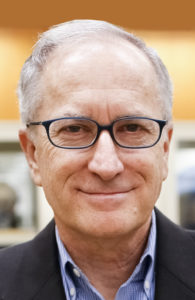
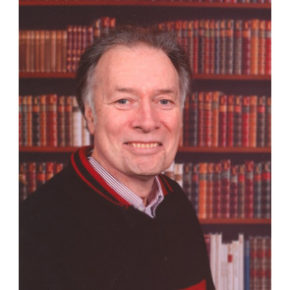
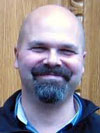
It is with sadness that the AAG notes the passing of Professor Michael Bradford on July 12, 2019 at the age of 74 years old. He is survived by his wife of 50 years, Sheila Kaplan, of Rockford, Illinois.

Born in Surrey, Michael became interested in geography throughout grammar school, an interest which continued while he attended Cambridge University in the 1960s. Michael enjoyed a long career at Manchester University where he moved in 1971 following post doctoral studies at the University of Wisconsin, Madison. At Manchester his career led him to become a professor, Undergraduate Dean from 1994 -1996, and Head of Department from 1996 – 2000. He then served as Pro-Vice Chancellor from 2001-2005 and then as Associate Vice President in 2006.

Professor Bradford was deeply committed to geography education and served as president of the Geographical Association from 1999-2000. His love of teaching also shows through his receipt of awards such as a Distinguished Achievement Medal – Teacher of the Year 2005, a National Teaching Fellowship in 2006 from the Higher Education Teaching Council for England, and the Taylor and Francis Award for Excellence in Teaching and Learning in Geography and Higher Education from the Royal Geographical Society in 2008.

An avid environmentalist, Michael’s research was concerned with urban policy, inequality, and social justice. Children’s geography and places of play held a particular interest for Michael. He also collaborated with lifelong friend Ashley Kent on two books: Human Geographies: Theories and their Applications (1977) and Understanding Human Geography: People and their Changing Environments (1993).

A celebration of life for Michael will be held from 1:30 – 4:30 PM on Saturday, 19th October 2019 at University Place, 126 Oxford Road, Manchester M13 9PL. Please contact Sheila for more information.

    Share

Apply for Nomination Process for the 2019 United Nations Climate Change Conference

The American Association of Geographers has been granted Observer Organization status to the UN Framework Convention on Climate Change.  With this formal designation, the AAG is permitted to submit to the UNFCCC Secretariat its nominations for representatives to attend the United Nations Climate Change Conference (COP-25) that will take place from  December 2 – 13, 2019 in Santiago, Chile.

Prior to midnight Friday, August 23, 2019, persons interested in being nominated by the AAG to attend must be a current member of the AAG and provide the following information (in the below exact format, please) via email to cmannozzi [at] aag [dot] org along with a copy of these instructions:

Note: All information must be as it appears in the official photo identification which the participant will present at the registration desk.

·      Salutation (Mr. Ms. Dr. etc.):

·      Given / First name:

·      Family name:

·      Functional title:

·      Department:

·      Organization:

·      Date of birth (DD/MM/YYYY):

·      Country which issued Passport

·      Identification document number (Passport number):

·      E-mail address:

·      Telephone where you can be reached for questions about your application

·      Dates within the range of December 03 – 14 for which you will be actually attending the COP sessions

·      Email address

·      A very brief paragraph describing your interest and purpose for attending the COP sessions

·      A statement agreeing with the terms of these instructions for nomination

Identification number, date of birth and name are for identification verification only and will not be made available to anyone outside of the AAG or the UNFCCC. Date of birth will also be used to signal nomination of minors.

AAG nominees will be provided with a copy of nomination documentation for eventual presentation at the Conference registration desk in Santiago, Chile.  The UN will provide a quota to the AAG which may restrict the number of participants or the dates for which nominees may be approved for attendance.  This quota will be provided to the AAG after September 9, 2019.

All nominees must have their own source of financial support to attend and make all necessary travel, insurance, visa, and logistical arrangements for themselves; the AAG is not providing any funds or other support for travel or participation.  Nominees also must release the AAG from any and all financial or legal liability during their period of participation and refrain from making proclamations, claims, announcements, or other statements as being the official position of the association or its membership.  Attendees must also adhere to the codes of conduct and follow the guidelines for participation as outlined by the United Nations  (see https://unfccc.int/about-us/code-of-conduct-for-unfccc-conferences-meetings-and-events).

Upon return, attendees will submit a brief trip report to the AAG Executive Director, Doug Richardson, drichardson [at] aag [dot] org

More information on the event is at:https://www.cop25.cl/web/en/

A map of the Parque Bicentenario Cerrillos is available at https://www.cop25.cl/web/en/venue/

Information on accommodations for COP-25 is available at:https://mundotour.cl/cop25/

    Share

Should we be worried? Or how to maintain and expand the number of geographers in our schools.

As geographers, we all know the value of geography. Right? It is a field that provides a unique perspective, an appreciation for particularity, an opportunity to synthesize. But as much as we affirm geography’s value to each other, we also need to look at how geography is perceived outside of our community.

In this regard, the last year or so has been sobering, at least for Geography in the United States. Geography degrees have been closed in some universities, including Boston University, whose Geography Ph.D. program did so well in the last National Research Council ratings. Geography has been threatened (but ultimately spared) at others, despite reorganization and faculty layoffs. Then, to add insult to injury, a recent report in Inside Higher Education (highlighting an even more precipitous drop in History) showed how the number of Geography majors had also declined in the last six years, falling about 7 percent. No matter our research excellence, our success in procuring funding, our prominence in public discussion – if geography loses its majors, the field as a whole is in peril. This was a point expressed many years ago in Ron Abler’s classic column “Five Steps to Oblivion.” Ignoring majors is a sure-fire path to program destruction and, as we know full well, we can never take geography’s position in the curriculum for granted.

So should we be worried? We should at least be guarded. The trends of major loss in the last few years are real, but there are other countervailing forces on which geographers should capitalize.

Compared to the other liberal arts, geography in the United States is a distinct underdog. We are the smallest of these traditional disciplines, just a bit under geology, physics and anthropology, and dwarfed by the likes of psychology and biology. Only 1 percent of all liberal arts majors specialize in geography. (By comparison, geography is squarely in the middle of the pack in the United Kingdom, comprising 5 percent of all liberal arts.) Geography has not been commonly taught in U.S. high schools. It is further hamstrung by its absence in most colleges and universities, relying on the larger state schools, some community colleges, a sprinkling of private colleges, and a very few private universities to provide the courses. Where geography is present, the departments tend to be small and most student majors arrive after their sophomore years.

Yet as a discipline, we punch far above our weight. Much of this is thanks to the AAG. Our membership of 12,500 rivals fields such as history, sociology, and political science. Our activities involve collaboration with geographers and other scientists around the world, many of whom look to American geography as a beacon, to the AAG as the one necessary organization, and to our annual meeting as the place to convene. About one-third of our membership is international, buoying our disciplinary footprint. Other strong organizations, like the American Geographical Society, the National Council for Geographic Education, and the Society of Women Geographers also help lay a foundation for geography outside the academy and in the schools.

A closer examination of the major numbers in the United States also shows that our recent decline may be a short-term phenomenon. Between 2007 and 2013, the number of geography majors grew 22 percent, and even with the decline in the last four years, we are still up nearly 10 percent over the last decade. But we may still look at how these recent trends could be reversed — a project that could involve seeing where the declines were sharpest and identifying possible areas of growth. (Liberal Arts as a whole has also suffered small declines). That we are in a better position in regard to majors than we were 11 years ago is a positive sign, but still worrisome.

One very encouraging sign is in the expansion of some of geography’s closest cognates — fields like meteorology, environmental studies, area studies, and the like. These are fields commonly folded within geography departments and so almost always can count as a “geography” major. The table below shows the most important of these:

Pursuing such strategies entails the teaching of geography by other means. Students want geographical knowledge, they gain this by taking classes in these close cognates — often with geography professors — and they come out with much greater exposure to geography than would have otherwise been the case. Some of these incorporations may be acknowledged by renaming and Five Steps to Oblivion; other times the department may keep its name and just promote its diversity of offerings. To be sure, some of the traditional quasi-geographical specializations such as landscape architecture and area studies have declined. But there has been an explosion in environmental studies and global studies, with more modest growth in some of the other close cognates. If geography departments can capture those majors, the path toward sustainability becomes much clearer. At my department for instance, we were able to create an environmental studies major precisely because there was nothing like this available on campus. As a result, we have tripled our “geography” major numbers within the last two years. Other departments may pursue other strategies. Middle Tennessee State University, for instance, has a vibrant Global Studies major.

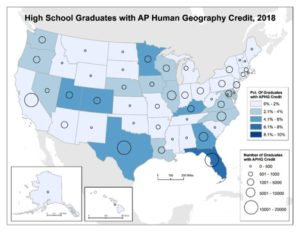
The last point I want to make also has potential to be the greatest opportunity. Since its inception, the Advanced Placement Human Geography high school course has exploded. Thanks to geographers like past President Alec Murphy, David Lanegran, and others, we were able to create this AP course in the 1990s and it has continued to defy all expectations. Out of the 38 AP exams given, AP Human Geography ranks in 10th place. (Environmental Science ranks 13th). The most striking aspect is its growth. Human Geography has grown by about 450% since 2008, far ahead of any other subject. And all signs indicate that this expansion will continue, as AP Human moves into other parts of the country.

Unfortunately, this phenomenal growth has yet to translate into major gains in college majors. AP courses/tests should make a positive difference in later specialization. Whether they just confirm existing intentions or open up new possibilities is still in question. But some worry that they end up eating into introductory course offerings. But there can be no doubt that this is a city-sized opportunity available to us. We need to devise ways as a discipline to turn these high school learners into college majors. The AP Human Geography exam and other AP possibilities will be the subject for a future column.

So despite some reason to worry, longer-term trends in the last decade are still positive, some of our closest cognates are growing briskly, and the expansion of AP Human Geography has been nothing short of phenomenal. The long-term health of the discipline is not assured, but it is within reach. We must exploit our advantages.

If you have gotten this far, let me extend my gratitude to all of you for giving me the chance to serve as president of the American Association of Geographers. I am humbled in succeeding people like Glen MacDonald, Derek Alderman, and Sheryl Luzzadder-Beach, not to mention all the luminaries who served before them. I look on these columns as an opportunity to shine light into some of the various features and problems of our discipline. Among these will be columns on creating a more inclusive academic culture, the internationalization of the AAG, the explosion of metrics in our discipline, publishing paradoxes, encouraging great writing, managing mental health, promoting opportunities beyond academia, and rethinking the regions. I hope that each column helps to further a dialogue, as there are rarely easy answers. We just need to keep trying. Please email me at dkaplan [at] kent [dot] edu with your thoughts.

— Dave

DOI: 10.14433/2017.0056

Source for this data comes from IPEDS Access Database for Integrated Postsecondary Education Data (IPEDS) Collection, https://nces.ed.gov/ipeds.

    Share

Carlos Saavedra

Education: Masters Certificate in IT Project Management (Georgetown University), B.S. in Computer Science (University of Sacred Heart, Puerto Rico)

Who is your current employer and what is your job title?
I retired from the federal government about four years ago. Right now, I am a volunteer, and I help nonprofit organizations with their IT and GIS needs. I am helping the Boy Scouts of America at the National and council level, making maps. I am also in a group called Dallas GiveCamp that brings nonprofits together for one weekend to help them create programs and software that they can use, because most of the time they don’t have the resources to do that. I bring in my GIS skills and provide them with the ability to make maps.

For example, I have helped the Turtle Conservancy organization in Florida. They have several turtles around the world with a tracking device on them.  I have taken the coordinates from the satellite and then put them in a map, so the public can see where those turtles have been throughout their life. Last year, I worked with “Water for Life” in Haiti. I kept track of where they had distributed water filters to families, and taught them how to use the software so they can continue with their mission. The other effort that I’m very involved in today is making maps, working with FEMA in regards to Hurricane Maria disaster relief in Puerto Rico and Puerto Rico Rises.

What knowledge have you found, in your past education and training, to be important substantively?
Before doing GIS, I used to work as a civilian for the Army in San Francisco as a Computer Programmer Analyst. After that, I worked for the United States Postal Service, in the Data Center in San Mateo as a Computer Systems Analyst/Programmer Sr. My last job was with the Social Security Administration in the Regional Office in Dallas, where I was an IT Project Manager Director, IT Supervisor, Program/Management Analyst, and IT Specialist. In that job during my last 6 or 7 years, I became one of the GIS experts in the agency as I was one of the first analysts to use this technology in the SSA at a national level. Because of my skillset, I was able to pivot from one area to another very easily.

What allowed you to pivot, in terms of some of your coursework or training beyond GIS?
Before I started GIS, I was an IT professional. I started teaching myself GIS, and I went to a formal training and that is when the floodgates opened.

What drew you to GIS?
At the time, I was working for the Social Security Administration. I was looking for other ways to visualize data and I came across this technology. I did my first map, showed it to my managers, and they were impressed. From that point on, I started investing more and more time testing mapping tools. SSA gave me the tools, training and flexibility to work with this technology.

The first “a-ha” moment for me was after I took my first GIS class. I went to San Diego and I remember the teacher was teaching the class and I kept asking questions. I started making a list of all the things that I could accomplish with GIS to help my agency. Right after I finished the class, Hurricane Katrina happened. I did a lot of maps for SSA that had to do with Katrina. The other moment came when I was asked to realign ZIP codes assigned to Social Security offices in each region. That’s when the floodgates pretty much opened.

It was very challenging being among the first in the agency working with this new technology, but I had a great Regional Commissioner and Director who supported me. I got to go to a lot of high-level meetings and conferences and gave presentations to SSA executives and commissioners about GIS. Basically, I was teaching them what GIS was and how it applies to the SSA, using real-life examples.

Could you provide some of these specific examples?
In the Social Security Administration, we have what is called “e-services”, a way for the public to engage with the agency via the internet. I created a map in order to market this initiative to the public. I used demographic and SSA data to data mine age groups, gender, economical status, race, and location. So, in a concrete way we were working on a project that was for the beneficiaries, the people who were receiving money from us to use SSA checking accounts, instead of us mailing that check to them. I came up with a formula that if you make over $55,000 dollars, it’s very likely that you have a checking account. We targeted the ZIP codes to market the e-services into specific areas, instead of the whole nation.

Another example involves natural disasters. The SSA is focused on people who receive financial assistance when disaster happens. So, we have to know when the disaster is coming. With a hurricane, for example, you kind of know when it’s coming and then prepare for the event. In fact, in Texas, a lot of times we delivered the checks ahead of time so the people could have the checks before the hurricane. This is a massive undertaking. In other instances, we have to find ways to distribute the money to these people. During Katrina, we created this kind of debit card. We would put money on the debit cards and distribute them. We also did this in the West Texas explosion, in the Oklahoma tornadoes, in the hurricanes in Texas, Louisiana, Florida, Puerto Rico, the east coast, and also the tsunami in American Samoa. When the tsunami happened there, I was able to connect with people in American Samoa, and use a map to understand the damages that we were dealing with. Our executives and commissioners in Baltimore were able to see those things and take appropriate action.

Could you talk a little bit about, on a personal level, how GIS connects with your aspirations in your volunteer activities and your sense of civic engagement or responsibility?
Technology impacts us in a positive way and touches almost everything that we are involved in, be it in our lives or in society. You can find a GIS application that can help practically anything. You don’t need to be a GIS or IT/technical person to use this technology, because Esri has made it so easy that you don’t need to have those skills. You can create stuff that maybe a few years back was something that you needed to have an IT person and all of these skills to do. You can visualize data in a map, and I have noticed that when you do that it improves the way you make your decisions.

Now that I am retired, the most fulfilling thing is that I can share how GIS works and educate non-profit organizations on how this tool can change the way they do business. I also tell them that you don’t need a lot of money, you can do it for free. Specifically, in Puerto Rico with the hurricanes, you can still use GIS even when you don’t have an internet connection, and when you get to a place where they have an internet connection, you can sync with the world.

    Share

New Books: June 2019

Every month the AAG compiles a list of newly-published books in geography and related areas. Some are selected for review in the AAG Review of Books.

Publishers are welcome to send new volumes to the Editor-in-Chief (Kent Mathewson, Editor-in-Chief, AAG Review of BooksDepartment of Geography and Anthropology, Louisiana State University, Baton Rouge, LA 70803).

Anyone interested in reviewing these or other titles should also contact the Editor-in-Chief.

PLEASE NOTE: Due to current public health policies which have prompted the closing of most offices, we are unable to access incoming books at this time. We are working on a solution during this transition and will continue our new books processing as soon as we can. In the meantime, please feel free to peruse previous books from our archived lists.

June 2019

Appalachian Reckoning: A Region Responds to Hillbilly Elegy by Anthony Harkins and Meredith McCarroll, eds. (West Virginia University Press 2019)

Between Earth and Empire: From the Necrocene to the Beloved Community by John P. Clark (PM Press 2019)

Cartography: The Ideal and Its History by Matthew H. Edney (University of Chicago Press 2019)

Coal by Mark C. Thurber (Polity Books 2019)

In Defense of Farmers: The Future of Agriculture in the Shadow of Corporate Power by Jane W. Gibson and Sara E. Alexander (eds.) (University of Nebraska Press 2019)

Dream City: Creation, Destruction, and Reinvention in Downtown Detroit by Conrad Kickert (The MIT Press 2019)

Ecologists and Environmental Politics: A History of Contemporary Ecology by Stephen Bocking (West Virginia University Press 2019)

Edges of the State by John Protevi (University of Minnesota Press 2019)

Food by Fabio Parasecoli (The MIT Press 2019)

Giants of the Monsoon Forest: Living and Working with Elephants by Jacob Shell (W. W. Norton & Company, Inc. 2019)

Ibn Khaldun: An Intellectual Biography by Robert Irwin (Princeton University Press 2019)

Imagining Seattle: Social Values in Urban Governance by Serin D. Houston (University of Nebraska Press 2019)

Immigration and the Remaking of Black America by Tod G. Hamilton (Russell Sage Foundation 2019)

Indigenous Struggles for Autonomy: The Caribbean Coast of Nicaragua by Luciano Baracco, ed. (Lexington Books 2019)

The Interior Borderlands: Regional Identity in the Midwest and Great Plains by Jon K. Lauck, ed. (The Center for Western Studies (Augustana University 2019)

Intertwined Histories: Plants in Their Social Contexts by Jim Ellis (ed.) (University of Calgary Press 2019)

Marked, Unmarked, Remembered: A Geography of American Memory by Andrew Lichtenstein (West Virginia University Press 2019)

Mega Cities Mega Challenge: Informal Dynamics of Global Change: Insights from Dhaka, Bangladesh and Pearl River Delta, China by Frauke Kraas, Kirsten Hackenbroch, Harald Sterly, Jost Heintzenberg, Peter Herrle, Volker Kreibich, eds. (Borntraeger Science Publishers 2019)

More than Rural: Textures of Thailand’s Agrarian Transformation by Jonathan Rigg (University of Hawai’i Press 2019)

Outward and Upward Mobilities: International Students in Canada, Their Families, and Structuring Institutions by Ann H. Kim and Min-Jung Kwak, eds. (University of Toronto Press 2019)

The Politics of Lists: Bureaucracy and Genocide under the Khmer Rouge by James A. Tyner (West Virginia University Press 2019)

Power-Lined: Electricity, Landscape, and the American Mind by Daniel L. Wuebben (University of Nebraska Press 2019)

Saints, Statues, and Stories: A Folklorist Looks at the Religious Art of Sonora by James S. Griffith (University of Arizona Press 2020)

Science Be Dammed: How Ignoring Inconvenient Science Drained the Colorado River by Eric Kuhn and John Fleck (University of Arizona Press 2019)

The Science of Breaking Bad by Dave Trumbore and Donna J. Nelson (The MIT Press 2019)

Spiral to the Stars: Mvskoke Tools of Futurity by Laura Harjo (University of Arizona Press 2019)

Street Fights in Copenhagen: Bicycle and Car Politics in a Green Mobility City by Jason Henderson and Natalie Marie Gulsrud (Routledge 2019)

The Taco Truck: How Mexican Street Food Is Transforming the American City by Robert Lemon (University of Illinois Press 2019)

Tambora and the Year without a Summer: How a Volcano Plunged the World into Crisis by Wolfgang Behringer (Polity 2019)

    Share

Postcard from Mesoamerica


As Geography research begins in the field and ends in the field, so does my Presidential Column. I had the good fortune to be able to compose most of my first column (July 2018) during my fieldwork in Belize and Guatemala in Central America. Now I am filing my final column as your AAG President from field camp in northwestern Belize, working with an international team of colleagues, students, and volunteers to study the resilience of ancient Maya society. While “Op-Ed” stands for Opinion/Editorial, it also represents both Opportunity and Education. I thank you, my readers and fellow AAG members, for the Opportunity to freely explore challenging and timely issues and to share thoughts and opinions on current events and research over the last year. I am also grateful for the platform of the AAG Newsletter on which to perform one of my primary duties as a Professional Geographer: to Educate, to enable understanding and discussing important issues from local to global scales, and, to inspire actions to solve the planet’s most critical human and environmental problems. It is a tall order, but we should set expectations for ourselves at the very highest level to ensure a better future for people, the environment, and the planet.

Pocket transit given to Tim Beach, Sheryl’s husband, by his father. (Photo courtesy Sheryl Luzzadder-Beach)

This is my 26th field year exploring the palimpsests of millennia of urban and agricultural landscapes of parts of modern Mexico, Belize, and Guatemala. Each year we discover more about how extensive and influential ancient humans have been in the Americas. We have increased our understanding of human influences on the earth, from William Denevan exploding the Pristine Myth in the 1992 Annals Special issue (82(3):369-85), to the 2013 dawning of the journal The Anthropocene, (Anne Chin, Editor-in-Chief), to the May 2019 binding vote of the Anthropocene Working Group approving that the Anthropocene shall be “treated as a formal chrono-stratigraphic unit” and its primary marker will be “one of the stratigraphic signals around the mid-twentieth century of the Common Era” (AWG, 5/21/19). It is still a complicated matter of agreeing when that marker occurs in time globally. While the swirling smog of the 19th C. Industrial Revolution was a leading, if not charismatic, candidate, not to mention the globally detectable nuclear testing fallout signal of the mid-20th C., evidence still builds for an Early Anthropocene. Denevan’s idea (1992) that 18th century human visibility on the landscape was less substantial than that which was visible before 1492 still stands the test of time, further supported by W. F. Ruddiman et al.’s 2016 work (Rev. Geophys. 54: 93-118) on early, increased releases of CO2 and Methane to the atmosphere associated with increased burning and farming like rice paddy (wetland) agriculture in Asia. Now with advanced geospatial technology such as Lidar guiding our field exploration and validation, we are fast on the trail of finding significant extents of ancient landesque capital, including cultivated landscapes, ranging far across the Western Hemisphere, including Mesoamerica. Much else has changed in field research infrastructure since the early 1990s: Quad maps in Belize were produced for us in 1993 as Ozalid blueprints in the Government Mapping Office in Belmopan. Now there is a Land Information Center providing geospatial data. In 1994, a colleague mounted a brick-shaped GPS unit on an extension pole in the jungle, trying to reach a satellite signal at just the right hour. For communications, there was a payphone and one fax machine in the general store in the village near our field camp, a lifeline for college students with final papers due who were here in the field to collect data before the rainy season hit. Now we despair that the local internet is not working today in camp. Yet, there are some regions here in Belize and beyond still too remote to access cell service, allowing us a moment to also rejoice that there are places untouched by clouds of 4G data smog to walk through and be interrogated by.

My last official duty as AAG President will take place at the end of June, when I travel on behalf of the AAG to Beijing and Harbin, China, where I will be hosted by the Geographical Society of China to present in a session on “Scientific Organization Governance” at the China Association of Science and Technology Meeting, and will present academic talks on my team’s Ancient Water Management research, at Chinese universities. It is a privilege to be able to collaborate internationally, and to thereby conduct science and science diplomacy. Getting back to my yearlong theme of Science, Geography, and Human Rights, we must strive to fulfil the ideals of making science accessible to the benefit of all people; of guaranteeing scientists their rights to practice and to preserve science; and to protect scientists’ rights to collaborate freely and internationally.

Although my title will change to Past President on 1 July, my service to AAG as a member of the leadership team will continue for one more year: on the AAG Executive Committee, the AAG Council, and the Disciplinary Matters Committee. My writing assignment will shift from a monthly column, to composing the content and form of the Past Presidential Address for the Denver meetings and for the Annals, as per tradition. I look forward to my new role, and continuing to serve our association. I congratulate the incoming President, David Kaplan, and thank him for his service this past year as Vice President, and ask that you all lend your support to his efforts and themes. I also thank Derek Alderman for his service as Past President, and congratulate him on completing his term on the AAG Council, concluding on 30 June. I also extend a warm welcome and best wishes to Vice-President elect Amy Lobben. Speaking of service, please do not forget to nominate deserving AAG members for awards! See the AAG website for complete details.

The AAG Council and AAG Committees and Task Forces deserve much of our thanks for keeping our association vibrant and dynamic through their volunteer efforts. I am most grateful for the lasting friendships and professional relationships that have been formed with the Officers, Council, Committees, and the AAG Staff, and thank them all for their support during my presidency and beyond. My final words of praise are for the AAG Staff, the Legal team, and retiring Executive Director Dr. Douglas Richardson, for their day in and day out dedication to this non-profit organization’s mission and members. I will not be able to name all of the AAG staff in this column but please know you are a terrific team! I will note that AAG’s Rebecca Pendergast and Emily Fekete are especially thanked for their good-natured patience with my stretching the concept of “column publication deadline.”

AAG Members, I thank all 12,000 of you for making the AAG a community. I look forward to seeing you at future meetings, especially in Denver for the 2020 AAG Annual Meetings. Make a Difference with Geography. Have a great summer, wherever your Geography takes you!

— Sheryl Luzzadder-Beach
President, American Association of Geographers
Professor, Geography and the Environment and C.B. Smith Fellow in US-Mexico Relations, University of Texas at Austin
slbeach (at) austin (dot) utexas (dot) edu

DOI: 10.14433/2017.0055

    Share

Taking Steps to Create a Welcoming Discipline for ALL Geographers: A New Resource for Indigenous Students

The AAG is pleased to announce the release of a new interactive web map of colleges and universities that offer both Geography Programs and Indigenous Studies Programs. Developed in consultation with members of the AAG’s Indigenous Peoples Specialty Group (IPSG), the map serves to help Indigenous students find safe places to pursue a Geography degree. In this case safe places refer to colleges and universities that have an active Indigenous Studies program, cultural center, or other active organization that can act as a support system for Indigenous students to keep them connected to their traditional communities and provide mentorship to help them achieve their academic goals. In many cases, this also includes colleges and universities that are geographically accessible to students, meaning the school is a commutable distance from their homes or within their home state for the purposes of in-state tuition.

There is a strong record of the application of geography, and specifically GIS, to address the needs of Tribal Governments and associated communities. Tracking land ownership records for resource management and land claims,[1],[2] assisting Tribal Governments with improving medical services, transportation, and economic development, and the preservation of cultural and natural resources[3],[4] represent a few of the ways spatial techniques and GIS have assisted indigenous communities. Coupled with the expectation that the GIS industry will grow by 10% each year through 2023[5], encouraging Indigenous students to pursue Geography could not only present opportunities in a growing field but provide tools and skills to better serve the needs of their own communities.

AAG Membership Data

Since 1981, the AAG has seen a gradual increase in the number of minorities within its membership. In the early 2000s there was a dramatic increase in the number of members who identify as Asian, African American, and Hispanic, however, the number of members who identify as Native Alaskan, Native American, or Pacific Islander has not followed that trend (Graph 1).[6] This suggests that Indigenous people have not been welcomed and included in Geography to the same extent as other underrepresented groups, a concern of the AAG as the Association is dedicated to “promoting inclusion, equity, and social justice across the entire discipline.”[7]

Graph 1: AAG Minority Membership since 1981.[6]

The Interactive WebMap

To address the need for greater Native American, Native Alaskan, and Pacific Islander representation in the AAG, the AAG has developed a database and interactive webmap to help students find schools suited to their needs. The database and interactive webmap was built by cross-referencing the American Indian Higher Education Consortium’s (AIHEC) list of Tribal Colleges,[8] the Guide to Native American Studies Programs in the U.S. and Canada,[9] and the AAG’s Guide to Geography Programs in the Americas[10] to identify schools in the US and Canada that qualify as a safe place. The academic catalog for each school was reviewed to determine if they offered both Geography Programs and Indigenous Studies Programs. Those that did were then added to the database along with information about the level of degrees offered in both fields as well as any cultural centers, administrative departments, or student organizations that would also be beneficial, as well as direct links to those websites.

Some of the identified colleges and universities do not offer degrees in both fields but were still included in the database because they have another structure in place that would also fulfill that need. For example few Tribal Colleges offer degrees in geography but do offer geography courses and, as institutions run by and for their communities, support structures for students are already available. Likewise, a couple of the schools included in this database do not offer an Indigenous Studies degree, but support research centers, cultural centers, or other partnerships with community organizations that would also fulfill that need. The result is a database of 185 colleges and universities across the United States and Canada.

Once the database was completed, a corresponding webmap was made as a method of searching the database spatially and includes filters to help students narrow down potential schools. The map includes two query tools that allow the user to select schools based on the degree they are interested in pursuing. One of these filters selects  programs by the level of Geography degrees and the other sorts by the level of Indigenous Studies degrees. The application also includes a filter tool that allows the user to select schools by country (United States or Canada), State or Province, or highlight only Tribal Colleges.

For more information please contact:

Jolene Keen, Research Associate, American Association of Geographers

[1] Barcus, Holly R., and Laura J. Smith. “Facilitating Native Land Reacquisition in the Rural USA through Collaborative Research and Geographic Information Systems.” Geographical Research 54, no. 2 (12, 2015): 118-28. doi:10.1111/1745-5871.12167.

[2] Chapin, Mac, Zachary Lamb, and Bill Threlkeld. “Mapping Indigenous Lands.” Annual Review of Anthropology 34, no. 1 (10 2005): 619-38. doi:10.1146/annurev.anthro.34.081804.120429.

[3] Horn, Brady P., Gary N. Barragan, Chis Fore, and Caroline A. Bonham. “A Cost Comparison of Travel Models and Behavioural Telemedicine for Rural, Native American Populations in New Mexico.” Journal of Telemedicine and Telecare 22, no. 1 (05, 2015): 47-55. doi:10.1177/1357633×15587171.

[4] Deogawanka, Sangeeta. “How GIS Is Being Used to Help Native Americans ~ GIS Lounge.” GIS Lounge. November 10, 2014. https://www.gislounge.com/gis-used-help-native-americans/

[5] Dempsey, C. (2017, June 23). Global GIS Industry Continues to Grow ~ GIS Lounge. Retrieved from https://www.gislounge.com/global-gis-industry-continues-grow/

[6] Race and Ethnicity in Geography | AAG. (n.d.). Retrieved from https://www.aag.org/cs/disciplinarydata/raceandethnicity

[7] AAG Membership Data | AAG. (2017). Retrieved from https://www.aag.org/cs/disciplinarydata/aagmembershipdata

[8] AIHEC: Who We Serve. American Indian Higher Education Consortium.

[9] Nelson, Robert M., Guide to Native Studies Programs in the U.S. and Canada. (2011)

[10] AAG Guide to Geography Programs in the Americas 2017-2018. American Association of Geographers.

    Share

Geography, Green Resolutions, and Graduation

Complex organizations have complex interests and responsibilities, especially in the 21st century. My October 2018 Column reminded us to keep our eyes on the prize of equity for all. Together, we Geographers have worked diligently over the last several years to shine a light on equity and banish harassment and bullying from our meetings, our places of work, and our lives. We have more work to do, but we do have a heightened awareness, and a strong, renewed resolve to move forward with justice. Even though we have a strong Statement of Ethics (2009) condemning workplace harassment and discrimination, we further renewed our resolve to fight bullying and harassment with the Harassment Free AAG Initiative of 2019 (Please also remember to take the Post-Meeting Survey). And we will keep working to improve the climate for all. While keeping an eye on our social and civil well-being, the well-being of our planet also needs our attention and actions as strongly as ever. Protecting the civil rights and human rights of scientists helps to advance and protect science, to the benefit of people and the planet.

Headlines are just as alarming on the environmental justice side of the scales as they are on the social justice side. A recent email correspondent offers fair points regarding institutions and fossil fuel divestment, but implied that AAG is neglecting the environment because of our recent focus on anti-harassment initiatives. We should not be forced to make a false choice between the workplace climate, the atmosphere, and our fiduciary responsibility to members and donors as a non-profit, among others. AAG has invested in a portfolio of green funds, and it is worth thoughtful consideration of additional long-term, planet-healthy investment strategies, absolutely. We must of course maintain a complementary balance of Planet Earth’s and her Inhabitants’ well-being. Our AAG Logo and flag, after all, are green.

Recent headlines and reports include this week’s news that atmospheric carbon dioxide concentrations have hit an all-time high of 415 ppm (Washington Post, 5/14/19). That concentation is the “…highest level in human history” (WaPo 5/14/19). Other headlines include news that “humans are speeding extinction and altering the natural world at an ‘unprecedented’ pace” (NY Times 5/12/19).

In light of these daunting global trends, members of the U.S. Congress, led by Rep. Alexandria Ocasio-Cortez and Sen. Ed. Markey have proposed a non-binding resolution, the Green New Deal. The Green New Deal does not pit society against the environment, but blends the well-being of both by resolving to “reduce greenhouse emissions…to avoid the worst consequences of climate change while also…addressing “societal problems like economic inequality and racial injustice.”(New York Times, 2/21/19).

The plan encompasses five main goals to:

“invest in sustainable businesses”;

“Move to 100% clean energy by 2030”;…

“Create a Commission…to provide publicity, training, education and direct financing” for projects and reforms;

“Establish a renewable Energy Administration” modeled after Roosevelt’s “Rural Electrification Administration”; and

Create a “Full Employment Program… a direct employment initiative to guarantee jobs and a living wage for every American…” (See this link for the Full Plan Language).

Geographers’ diverse talents and insights can contribute in all of these areas.

Within the AAG’s ranks, there are also renewed Green goals. AAG passed a Resolution Requesting Action on Climate Change in 2006. In Spring 2019, a group of members have pointed out that much has changed in the last 13 year since that resolution, and it is time to strengthen our commitment to fight climate change. This monumental effort was led by Geographers Rutherford H. Platt, Ian Burton, Susan Cutter, James Kenneth Mitchell, James L. Wescoat, Claire Rubin, and Martin A. Reuss. The group sent a new Resolution on Climate Change to Council, which was passed unanimously at the April 2019 AAG Meeting. The new Resolution was rooted in the legacy of Geographer and National Academy of Sciences Member Gilbert White (1911-2006), for whom a special session was convened by the aforementioned panelists at the 2019 Annual AAG Meeting. Dr. White’s work showed compassion for people and the environment, with his pioneering work using planning policies to move people out of dangerous flood plains and save lives and property, as opposed to sole reliance on technological solutions to flooding and flood control. His floodplain management work is a great example of fulfilling the human right to benefit from science. The Green New Deal echoes this, incorporating smart business and social policy solutions to improving the environment, the economy, and people’s well-being together. The new AAG Climate Change Resolution promotes 8 goals to fight climate change, compatible with the Green New Deal, summarized at the AAG Website 2019 AAG Climate Resolution for full details. Many thanks to the authors, and to the AAG Council for supporting this.

Future Geograph-ies/-ers

It is graduation time and the goals of social and environmental justice should inspire the new generation of Geographers who are graduating this month from our institutions. We welcome them to the company of scholars and professionals, and we encourage them to carry the torch forward, to create a better social, physical, and technological world, and a brighter future. We also need to continue lending our full support as senior scholars and professional mentors for the latest generation of Geographers, in whom I have great hope, confidence, and inspiration. I end this column with my very best wishes and gratitude to my students who will always be members of our home departmental community, and to all students at this important time of transition in your lives. Congratulations to all, and to those who share in your success!

— Sheryl Luzzadder-Beach
President, American Association of Geographers
Professor, Geography and the Environment and C.B. Smith Fellow in US-Mexico Relations, University of Texas at Austin

Feel free to share your thoughts with me at: slbeach (at) austin (dot) utexas (dot) edu

DOI: 10.14433/2017.0054

    Share

Daniel McGlone

Education: Masters in Urban Spatial Analytics (University of Pennsylvania), Bachelors in Geography and Geospatial Imaging (Harrisburg University of Science and Technology)

Could you give us a description of your job and some of the primary tasks and duties for which you’re responsible?
Azavea is a geospatial software company. We’re a mixture of professional services and products. I am the Senior GIS Analyst the Data Analytics team. I’m the only person at the company with a degree in GIS, so I’m the lead on any task that involves spatial analysis. We have projects that we work on for clients that involve spatial analysis or data analysis that produce maps or reports. We also service other teams in the company, so there might be a team that’s building a geospatial software application, and they might need some data analysis or data prep.

As the Senior GIS Analyst, I am often working any of the ends on projects as well as the analysis. When we’re scoping out a proposal, I’ll work on that and outline the different tasks that we’re going to be doing, the different steps in the geospatial analysis, as well as the outline of which tools and software we’re going to use to complete the analysis. I work hand in hand with the project manager, and we deliver a scope to the client. They’ll approve it or we’ll have negotiations around it, and then we’ll begin working on the project. When a project begins, I’ll work with the project manager to assign tasks and roles. The project manager will be the primary point of contact with the client, and I’ll be working internally with the team, often doing a lot of the analysis work, and finishing off the deliverables and end products and handing them over to the client.

Who are your clients?
Azavea is a B Corporation – that stands for “Benefits”. We’re a for-profit company, but we’ve operated with the mission of a nonprofit, so we work on projects that we think benefit the world and the community we live in. Primarily our clients are nonprofits, foundations, or governments. We also pride ourselves as a civic technology firm. We work on a lot of projects that we think help connect people with decision makers, and help improve the civic sphere that we all live in.

My other job title is Cicero Data Manager. Cicero is a database of elected officials, their contact information, and legislative districts for 9 countries, all 50 states, and about 300 cities throughout the United States. I’m in charge of maintaining all of our data on elected officials. We provide Cicero as a database so our clients, which are normally nonprofits or advocacy organizations who are trying to connect their members with elected officials, can advocate for their cause. We offer our database to them to use internally.

How do you perceive the value and importance of geographic knowledge in performing your work? Could you give us a breakdown of the substantive, conceptual, and procedural geographic knowledge you’ve acquired through your training in geography and how this relates to your job? 

Being the only person with a GIS Analyst job title in my company means that I am the one that people go to when they have questions about how to complete a project with spatial analysis or geographic data.

I would say the substantive and conceptual knowledge are important usually for scoping out projects and thinking about how to complete projects. We often have clients that come to us with limited budgets, or they have a lot of data and they just don’t know what to do with it. Having a conceptual knowledge of the type of tools that you would need to run, or the type of analysis that you would need to do is really important because that helps scope out a project and figure out the solution to their problem. They might have a bunch of data about their clients, and where their clients live, but they might not know that census data exists. We can predict where other clients might be that they haven’t tapped into. Having that kind of conceptual knowledge about the relationship between people and place is really, really important.

Procedural knowledge comes in when we actually win a project. We have to figure out how we are going to go about doing it. It’s also helpful in terms of scoping out projects. We tend to respond to a lot of RFPs for work, and we apply for a lot of small business innovation research (SPIR) grants. We have a technical writer, so she responds to all of these and writes up proposals. Sometimes, she’ll come to me if there is an opportunity through a government agency, so we can figure out if we can complete that project and how exactly we would do it.

To give an example, we recently had an opportunity to do some work in Madagascar. Our client wanted to work with folks on the ground in mapping Madagascar to better connect people with elected officials to promote environmental policy. Our solution was to leverage our Cicero product to get the legislative district boundaries for Madagascar and the elected official data, and then build a mobile app that allows people in Madagascar to connect with their assembly members in the legislature. Also, we could take environmental data for Madagascar to collect land cover change, climate, and other geographic/spatial data and aggregate that into legislative districts. This would actually give people information about land cover change, deforestation, and habitat change in their district so they could inform their elected official or assembly member about what was happening. We had to find the unique solution to that problem, and it was conceptual geographic knowledge that really helped figure that out.

Substantive knowledge definitely comes into play as well. We use census data all the time in our projects. We have to figure out what is the best census data to use, and what’s the best administration level (tracts, block groups, blocks, metropolitan areas). That comes into play with a lot of our projects, including some of our software projects where we have to scope out what is the best way to display this data on a web map (MSA level, block level, tract level, state level).

What have you observed in your work in terms of impacts in your applications and uses of geography and through your organization?
At Azavea, our bottom line is that we want our projects to have a positive impact on the community. A few years ago, we worked with the Delaware Valley Association for the Education of Young Children. They are an organization that advocates for higher quality child care across the Philadelphia region. We took data on childcare institutions in the city of Philadelphia and ranked the quality of childcare at these institutions. We looked at the quality of childcare and also the risk factors or negative impacts on children in Philadelphia, and then we ranked and scored city council districts using that information. We created these targeted reports that showed the city council how they were ranked against other city council districts. It enabled the Delaware Valley Association for the Education of Young Children to advocate for increased funding for childcare. That was really powerful, as the city council ended up awarding the Delaware Valley Association for the Education of Young Children $500,000. They also got a matching grant from the William Penn Foundation. They ended up getting a million dollars to improve the quality of childcare and education for young people in Philadelphia.

That kind of model of creating, aggregating, scoring and ranking data by legislative or council district has been effective for us for a lot of different causes. Last year, I was an expert witness for a federal court case on gerrymandering here in Pennsylvania. We had an organization that was filing a lawsuit to get the congressional districts in Pennsylvania overturned as a gerrymander. They needed some mapping done to prove that some districts were gerrymandered. In terms of this court case, I was brought on and mapped out all of the congressional districts. I also used data on a partisan voting index at the voting precinct level to show that the districts were gerrymandered. The evidence and the data that was used in our case were used in the subsequent court case at the state level, which actually won and overturned the congressional districts. I can’t say that our case was successful as we were turned down in federal court in a 2-1 decision, but the subsequent state case in the state court did end up winning.

What is it about geography that inspires you and helps you pursue your life aspirations?
I have been interested in geography and maps for my entire life. I love to travel and see new places in the world, and knowing about geography and having that understanding has helped me become a better world traveler. I feel that my deep interest and understanding of geography has also helped me become a better, more engaged citizen politically. Geography gives me a better understanding of different places and different people. In terms of my professional life, I had a lot of different options. Underlying all of these options was a strong interest in geography, and I felt that GIS was the way to go.

If you could think back to that undergraduate experience you had at Harrisburg, when did you have that ‘a-ha’ moment with geography?
One of these moments occurred when I was in an undergraduate course. I have always been pretty interested in urban planning and considered it as a potential career opportunity. When I first discovered the extent to which GIS could be used in planning and transportation analysis, I became even more interested in it. I worked on a project where I mapped out a potential commuter rail line between Harrisburg and Lancaster, and I used GIS to figure out how many people lived within certain distances of different branches of railroads for potential community rail lines. It was all very conceptual, and it was all very basic, but it was then that I realized “wow, this is really powerful.”

As someone who has been interested in politics all my life, another moment was when I first realized that I can connect the dots with GIS data in terms of redistricting and drawing legislative district lines. There’s not enough discussion about how, as a GIS Analyst, I can help make redistricting and drawing of lines more accessible to everyday people. At Azavea, I had the opportunity to work on one of our projects called District Builder, which is an online, web-based tool for drawing legislative districts. It was kind of a moment when I realized “wow, GIS is so important and fundamental to how we vote,” and that was definitely an ‘a-ha’ moment for me in realizing what I wanted to do as a GIS analyst and as a geographer.

    Share

New Books: May 2019

Every month the AAG compiles a list of newly-published books in geography and related areas. Some are selected for review in the AAG Review of Books.

Publishers are welcome to send new volumes to the Editor-in-Chief (Kent Mathewson, Editor-in-Chief, AAG Review of BooksDepartment of Geography and Anthropology, Louisiana State University, Baton Rouge, LA 70803).

Anyone interested in reviewing these or other titles should also contact the Editor-in-Chief.

PLEASE NOTE: Due to current public health policies which have prompted the closing of most offices, we are unable to access incoming books at this time. We are working on a solution during this transition and will continue our new books processing as soon as we can. In the meantime, please feel free to peruse previous books from our archived lists.

May 2019

The Adventures of Alexander Von Humboldt by Andrea Wulf and Lillian Melcher (Penguin Random House 2019)

The Beachcomber’s Guide to Marine Debris by Michael Stachowitsch (Springer 2019)

Black Food Geographies: Race, Self-Reliance, and Food Access in Washington, D.C. by Ashanté M. Reese (University of North Carolina Press 2019)

Caribbean New Orleans: Empire, Race, and the Making of a Slave Society by Cécile Vidal (University of North Carolina Press 2019)

Cartography: The Ideal and Its History by Matthew H. Edney (University of Chicago Press 2019)

Chinatown Unbound: Trans-Asian Urbanism in the Age of China by Kay Anderson, Ien Ang, Andrea Del Bono, Donald McNeill, and Alexandra Wong (Rowman & Littlefield 2019)

City of a Million Dreams: A History of New Orleans at Year 300 by Jason Berry (University of North Carolina Press 2018)

Credit Where It’s Due: Rethinking Financial Citizenship by Frederick F. Wherry Kristin S. Seefeldt Anthony S. Alvarez (Russell Sage Foundation 2019)

Dealing with Peace: The Guatemalan Campesino Movement and the Post-Conflict Neoliberal State by Simon Granovsky-Larsen (University of Toronto Press 2019)

Down and Out in Saigon: Stories of the Poor in a Colonial City by Haydon Cherry (Yale University Press 2019)

Drugs on the Page: Pharmacopoeias and Healing Knowledge in the Early Modern Atlantic World by Matthew James Crawford, Joseph M. Gabriel (eds.) (University of Pittsburgh Press 2019)

Ecohumanism and the Ecological Culture: The Educational Legacy of Lewis Mumford and Ian McHarg by William J. Cohen (Temple University Press 2019)

Explorations in Place Attachment by Jeffrey S. Smith (Routledge 2017)

Giants of the Monsoon Forest: Living and Working with Elephantsby Jacob Shell (W. W. Norton & Company 2019)

Imagining Seattle: Social Values in Urban Governance by Serin D. Houston (University of Nebraska Press 2019)

The Interior Borderlands: Regional Identity in the Midwest and Great Plainsby Jon. B. Lauck (The Center for Western Studies 2019)

Marxist Class Theory for a Skeptical World by Raju J. Das (Haymarket Books 2018)

Native American Log Cabins In the Southeast by Gregory A Waselkov (University of Tennessee Press 2019)

Nature and the Iron Curtain: Environmental Policy and Social Movements in Communist and Capitalist Countries, 1945-1990 by Astrid Mignon Kirchhof, J. R. McNeill (eds.) (University of Pittsburgh Press 2019)

Oceans in Decline by Sergio Rossi (Springer 2019)

Outward and Upward Mobilities: International Students in Canada, Their Families and Structuring Institutionsby Kim Kwak (University of Toronto Press 2019)

Quest for the Unity of Knowledge by David Lowenthal (Routledge 2018)

Rice in the Time of Sugar: The Political Economy of Food in Cuba by Louis A. Pérez Jr. (University of North Carolina Press 2019)

The Spanish Caribbean and the Atlantic World in the Long Sixteenth Century by Ida Altman and David Wheat, eds. (University of Nebraska Press 2019)

Waterlogged: Examples and Procedures for Northwest Coast Archaeologists by Kathryn Bernick, ed. (Washington State University Press 2019)

    Share