Adams, King Named Editors for Annals of the American Association of Geographers

Paul Adams is the new editor for Human Geography, and Brian King is the new Nature & Society editor at the Annals of the American Association of Geographers, effective January 2024. They will replace Kendra Strauss and Katie Meehan, respectively.
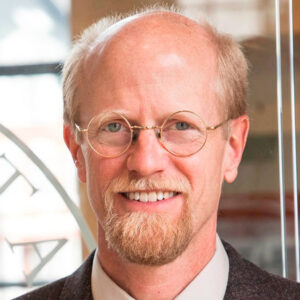
Paul AdamsAdams is the longtime director of the Urban Studies Program at the University of Texas, first in the UT Department of Geography and the Environment now in the Department of American Studies. His service to AAG includes founding the Media Geography Specialty Group (now Media and Communication). From 2015 to 2020, he served as associate professor II at the University of Bergen, funded by the Research Council of Norway. In 2001, he was a Fulbright fellow at McGill University and University of Montreal, Quebec. His current research focuses on sociospatial and political aspects of digital media, digital humanities, and culturally specific understandings of environmental risk and climate change.

Adams is the author of three monographs: The Boundless Self: Communication in Physical and Virtual Spaces (Syracuse University Press, 2005); Atlantic Reverberations: French Representations of an American Election (Ashgate Press, 2007); and Geographies of Media and Communication: A Critical Introduction (Wiley-Blackwell, 2009), which received the 2009 James W. Carey Media Research Award from the Carl Couch Center for Social and Internet Research, and has been translated into Chinese. He has also served as co-editor of four volumes: Textures of Place with Steven Hoelscher and Karen E. Till (University of Minnesota Press, 2001); the Ashgate Research Companion to Media Geography with Jim Craine and Jason Dittmer (Routledge, 2014); Disentangling: The Geographies of Digital Disconnection with André Jansson (Oxford University Press, 2021); and the Routledge Handbook on Media Geographies with Barney Warf (2021).

Adams will devote his editorship in Human Geography to illuminating “the synthetic potentials” of cross- and interdisciplinary explorations in geography: “Emerging geographical approaches, including feminist geography, decolonial geography, studies of affect and emotion, embodied theory, political ecology, and others are not so much ‘specializations’ as new encounters with central questions of the discipline, and as such they offer new ways to synthesize diverse perspectives on the world.” As AAG’s flagship journal, the Annals’s unique task of representing the full breadth of geography can be applied to embracing, rather than entrenching, the disciplinary and methodological differences in the field: “Geography is growing but not necessarily growing apart,” says Adams. “The Annals is key to promoting this process.”
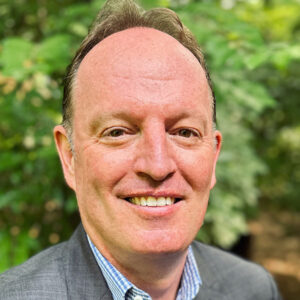
Brian KingKing is professor and head of the Department of Geography at the Pennsylvania State University. His affiliations range across the university, as a faculty research associate with the Population Research Institute, research affiliate with the Earth and Environmental Systems Institute, and faculty affiliate with the School of International Affairs and Consortium on Substance Use and Addiction. King is an honorary research associate with the African Climate and Development Initiative at the University of Cape Town and was selected as a National Academy of Sciences Kavli Fellow in 2017. He previously served from 2021 to 2023 as co-editor of Human Geography and Nature & Society for the Annals. King’s research, teaching, and outreach focuses on livelihoods, conservation and development, environmental change, and human health, centering in Southern Africa. King’s laboratory group (HELIX: Health and Environment Landscapes for Interdisciplinary eXchange) is examining how COVID-19 is transforming the US opioid epidemic. His book, States of Disease: Political Environments and Human Health University of California Press, 2017), received the Julian Minghi Distinguished Book Award.

King’s goals as editor include making sure the review process is timely and efficient, acting from his knowledge of the process as a reviewer and as an editorial board member of African Geographical Review, Geoforum and Health & Place. He also seeks to expand the range of the publication to include even more work in emerging directions, and to address underrepresented content areas that can advance the future of nature and society geography.

Related to this commitment is King’s interest in broadening the scope of contributors’ disciplinary backgrounds. “One of the unexpected outcomes of my research in health and environment are the ways that I am increasingly engaging with other disciplines, particularly anthropology, sociology, rural sociology, and biobehavioral health,” he says. King plans to leverage his many commitments and professional contacts outside of geography to widely promote the Annals to potential contributors.

The AAG thanks outgoing editors Kendra Strauss, Distinguished Professor in the Department of Sociology & Anthropology and associate member of the Department of Geography at Simon Fraser University, as well as director of the Labour Studies Program and the SFU Morgan Centre for Labour Research; and Katie Meehan, Reader in Environment and Society in the Department of Geography at King’s College London and Co-Director of King’s Water Center, for their dedicated editorship.

kendra straussStrauss brought to the role of editor their significant publications in economic and labor geographies, feminist theory, migration studies, legal geographies, environmental change, urban political ecology, and critical urban theory. With extensive publications in geography, social science, and law journals, Strauss has also served on six editorial boards and been a reviewer for many papers in and beyond geography. Strauss’s tenure with the Annals was characterized by encouragement of paper submissions from outside of North America and in diverse topics areas “that still evidence a commitment to engagement with geography and geographical debate.”

Katie MeehanMeehan is a broadly trained human-environment geographer with expertise in urban political ecology, environmental justice, water policy, mixed methods, and science and technology studies. She is co-author of Water: A Critical Introduction (Wiley, 2023), with Naho Mirumachi, Alex Loftus, and Majed Akhter. She is co-editor with Kendra Strauss of Precarious Worlds: Contested Geographies of Social Reproduction (University of Georgia Press, 2015). In 2023 she won the European Research Council’s Consolidator Grant award to support her research on household water insecurity and water shutoffs in high-income countries. During her time at the Annals, Meehan sought to democratize knowledge and expand the audiences for the journal, beyond the geography discipline and beyond academia. She encouraged the use of Annals as a platform for key debates in the discipline and worked with the other editors to bring human-environment topics into the foreground, especially work that focused on racialized natures and environmental justice. “I have been thrilled to work with the editorial board, my co-editors, AAG staff, and the AAG Council to shepherd the very best geographic scholarship to the pages of the Annals,” Meehan says.

Find out more about the Annals of the American Association of Geographers and other AAG journals.
    Share

Donald J. Zeigler

An Exemplary Geography for Life Explorer

Don Zeigler’s colleague, Jonathan Leib, reports that Don knew at an early age that he wanted to be a geographer. While in high school he joined the American Association of Geographers (AAG) and was a member for the rest of his life. His career began with teaching high school geography for three years. After earning his Ph.D. in 1980 from Michigan State University, he became a professor in the Department of Political Science and Geography at Old Dominion University until he retired in 2016. He was department chair from 1990 to 1994.

In 1986, in cooperation with the Virginia Department of Education, Don wrote a proposal to create the Virginia Geographic Alliance (VGA). He worked to secure funding from Gilbert Grosvenor, Chairman of the National Geographic Society (NGS) and Gerald Baliles, Governor of Virginia. He helped lead the VGA for more than 30 years and the organization continues to serve students, K-12 educators, and higher education faculty across Virginia.

Don was president of the National Council for Geographic Education (NCGE) in 1997. He was president of Gamma Theta Upsilon, the international geography student honor society in 2009 and 2010. During the 1990s he worked to create the Advanced Placement Human Geography (APHG) program. In addition to a term as Chief Reader, he led annual readings and conducted workshops, institutes, and travel seminars for high school teachers. Thanks to his consistent efforts APHG is offered in thousands of high schools across the United States.

The first National Standards in Geography in the United States, published in 1994, were aptly named “Geography for Life.” The title encompasses the profound meaning of places and environments in every human life and recognizes that each person is engaged in a lifetime adventure of meaning making through exploration, discovery.

Don was an exemplary “geography for life” explorer. Earth was his primary source of inquiry, his knowledge, analytic skills, and diverse perspectives. All his senses were on alert as he traveled widely and attentively across many time zones, cultural landscapes and physical environments. He developed a keen sense of place while immersed in unique places, always knowing that the places were all interacting in a complex web of global physical and cultural systems. He could skillfully trace and explain those multiple interactions.

Wherever he found himself, he was a keen observer of his surroundings. He saw details others missed or disregarded, he listened intently to other people and to sounds in the environment. He tasted and touched his way across many countries. In his mind he carried an extensive atlas of mental maps to draw upon when doing research or presentations. He developed his own geographic information system and personal navigation system before the widespread use of computer-based GIS and GPS. Don had an extensive repertoire of five-minute lectures through which he explained complex concepts in simple terms or provided a detailed description of a landscape he had experienced.

Although we may be sometimes alone in our explorations, we are also embedded in communities in particular times and specific places. We need geographic knowledge, skills, and perspectives to inform us as we journey together seeking our own wellbeing and the wellbeing of our life companions.

Geography is for life and for a lifetime. Don embraced this perspective and lived it out in several professional and personal communities. He invested many years serving and leading geography organizations. Examples include, Gamma Theta Epsilon, 53 years; Association of American Geographers, over 50 years; National Council for Geographic Education, over 50 years; Old Dominion University, 36 years; Virginia Geographic Alliance, 36 years; and Advanced Placement Human Geography, over 20 years.

Don received numerous well-deserved state and national awards for research, teaching, and service. Among the major honors he earned are a State Council of Higher Education for Virginia (SCHEV) Outstanding Faculty Award in 2006, Gilbert Grosvenor Honors in Geographic Education in 2009, the inaugural AAG Harm J. de Blij Award for Excellence in Undergraduate Geography Teaching in 2016, and NCGE George J. Miller Award for Distinguished Service in 2017.

During his career, Don taught more than 50 different courses at the graduate and undergraduate levels. They included large lecture sections, graduate research seminars, foreign area field studies, transects across Virginia for teachers, world geography and history webinars, and televised courses for students, teachers, and the public. Additionally, he served as Fellow at the American Centers of Oriental Research, Amman, Jordan in 2001, Fulbright-Hays Scholar, Morocco, in 1989, Visiting Scholar, Aleppo University, Aleppo, Syria in 1993.

In his personal and professional life, Don offered no negative judgments of others, praised generously, criticized sparingly, and seldom complained. He always offered others support, encouragement and compassion. As he spent his life exploring Earth’s diverse and constantly changing environments, I am certain that along with his backpack, he carried an attitude of gratitude at every latitude.

Don Zeigler inspired us with his unfailing humility, grace, and enthusiasm for the next exploration. As “geography for life” explorers, let’s follow his example.


Submitted by Robert W. Morrill, Professor Emeritus, Geography, Virginia Tech

    Share

Dennis James Dingemans

Dennis James Dingemans was born and grew up in rural southern Minnesota, graduating from Albert Lea High School. He received his B.A. in History from the University of Chicago and then drove his 1949 Cadillac to San Francisco.

In 1968, Dennis was part of a diverse cohort accepted into the geography graduate program at the University of California Berkeley. Carl Sauer enjoyed Dennis’s stories about his Dutch immigrant father and growing up in Midwestern farming country, yet Dennis was attracted to the urban geography and planning courses at UCB. He became an advisee of Jay Vance. His dissertation (1975) was a study of how the morphology of the East Bay suburbs was being changed by the spread of townhouses, a house type from the central city. In short, his work focused on a piece of Vance’s model of a “city of realms.”  In addition to supping at Vance’s table of urban and transportation geography, Dennis also found his ideas shaped by Professors Glacken, Hooson, Luten, Parsons, Pred, and (in planning) Webber. A summer study tour to Yugoslavia reinforced an interest in the geography of Eastern Europe and the Soviet Union.

Dennis spent his professional career (1972-2005) at the University of California Davis. He taught topical courses on urban and economic geography, regional courses on Eastern Europe, China, and the world, and techniques courses on quantitative methods and urban field geography.  He won teaching awards from the UCD Academic Senate and the National Council for Geographic Education, and his lively lectures sprinkled with humor and bon mots were popular. He taught freshman seminars on Davis, the Bay Area, and Northern California, incorporating field experiences and works of both nonfiction and fiction, a favorite being Ecotopia.

Dennis’s research included work on townhouses, land use controls, redlining, defensible space, billboards, gasoline purchasing behavior, and (with his wife and fellow geographer Robin Datel) historic preservation and ethnic and immigrant geographies in American cities. The latter interest emerged from supervising the dissertation of his advisee Susan Hardwick on patterns of Russian settlement in the Sacramento region. Field inventories and cultural landscape slides were hallmarks of Dennis’s engaging scholarship. Dennis did a lot of university service, recognizing it as an important way to grow awareness and understanding of geography on campus. He served on and chaired numerous college and academic senate committees. He was a popular adviser for several programs in addition to Geography—International Relations, Community Development, and Environmental Planning and Management.

The Association of Pacific Coast Geographers, the AAG’s westernmost division, was Dennis’s favorite professional organization for fostering and enjoying the discipline that shaped his life. He gave 22 papers at annual meetings stretching across five decades. He served on many committees, co-organized the 1987 annual meeting, led field trips, mentored student participants, co-edited the APCG Yearbook, and was vice-president and president of the association.

Dennis lived an important life of service outside academic circles. He served on the City of Davis Design Review Commission and Planning Commission, as well as other city-appointed committees related to housing and economic development.  He worked for or against numerous local ballot measures related to planning, housing, open space, transportation, and energy issues. For a decade he served as Director of the Hattie Weber Museum of Davis, the local history museum, creating space for visitors to share their own stories. Dennis led the museum’s long and successful campaign to preserve Davis’s only WPA-financed building. He guided field excursions under the auspices of the Yolo County Historical Society, providing geographical perspectives on local people and places.

In addition to Dennis’s contributions to geography via his research, teaching, and service, his interest in the discipline was shared with his two sons. Theodore, a paleoecologist, earned a Ph.D. in Geography from the University of Nevada Reno and Franklin, a data engineer, obtained a B.A. in Geography from UC Berkeley.

Submitted with permission by Robin E. Datel and the Davis Enterprise

    Share

Harrison Campbell, Jr.

Harrison Sherwood Campbell, Jr., who lived a thoughtful, love-filled life, now rests at peace, passing away at age 60 on Saturday, October 8, 2022.

Harry, as he was known by his family, friends, and colleagues, was born on February 25, 1962, in Encino, California. He spent his formative years in Briarcliff Manor, New York, and graduated from Wellesley High School in 1980, where he lettered in baseball all four years and played clarinet in the concert band and orchestra. Left to cherish his memory are his loving wife, Terry Albanese, his stepsons, Jacob and Benjamin Gefell, his brothers, Alan (Marcia) Campbell and Drew (Karen) Campbell, sister-in-law, Connie Lappa, and nieces and nephews, Katharine and Elizabeth Campbell, Colin and Megan Campbell, and Peter and Joseph Campbell. Harry was predeceased by his first wife, Jama Mooney, his father, Harrison Sherwood Campbell, Sr., his mother, Joyce Campbell, and his brother Bruce (Connie) Campbell.

Harry received a B.A. in Economics and Geography (1985) from Clark University and an M.A. in Geography (1987) and Ph.D. in Geography (1994) from the University of Illinois. As an economic geographer at UNC Charlotte for nearly 25 years, Harry was focused on understanding the nature of place, and, more importantly, communicating what he learned to his community, students, and colleagues. In addition to his often pathbreaking scholarship, his partnership with the Charlotte Chamber of Commerce to project local economic growth helped to shape modern Charlotte. In this partnership, Harry was author of Charlotte’s Business Growth Index for many years. As an administrator, he played a significant role in developing new degree programs in Geography, Public Policy, and Environmental Sciences. Harry’s most significant professional accomplishment was, by far, the contributions he made to students and colleagues.

Always generous with his time, and unfailingly supportive, Harry impacted the lives of thousands via his teaching, mentoring, and friendship.

Above all, family and friendship were most important to Harry. He adored his wife and embraced his stepsons with open arms and incomparable generosity, always looking forward to holidays and extended visits with the only kids he had. He went to lunch with neighbors and stayed connected with friends across the country and globe. He loved to banter about baseball with his brothers, always kept up with his nieces and nephews, and wrote notes to his mother that she described as “the sweetest ever.” Harry was a man of meaningful relationships.

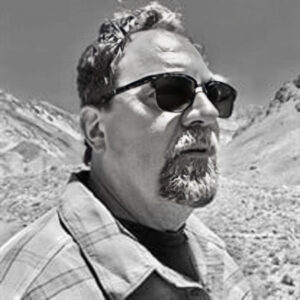
Harrison Campbell with mountains in backgroundAlso an adventurer, Harry enjoyed traveling the world. He explored Indonesia, swam the oceans of Nicaragua, walked the streets of Buenos Aires, hiked the mountains of Argentina, and explored the high desert plains of Colorado. He visited many national parks, here and abroad, sharing a love of nature and the outdoors with his wife and best friend, Terry. He sought to learn about these places and was an active observer and researcher, never forfeiting a chance to gain insight or perspective about how our planet and its people work.
At home he enjoyed quiet mornings sipping coffee on the porch, watching birds at the feeder, and laughing at the Sunday comics. As much bad news as there was around, Harry always made space for jokes; there was always room to squeeze in a zinger.

Baseball was a special pastime for Harry. Whether watching from home or going to minor league or professional games — counting strikes and hoping for homeruns never got old. One of his favorite pastimes was going to Charlotte Knights games with his good friend and colleague, Bill Graves.

Husband, brother, son, stepfather, friend, professor, traveler, thinker, enjoyer-of-life, Harry brought smiles to our world, and he will be missed dearly by many.


Published with permission from Terry Albanese.

    Share

Boundaries and Connection: Creating a Meaningful Meeting in Honolulu

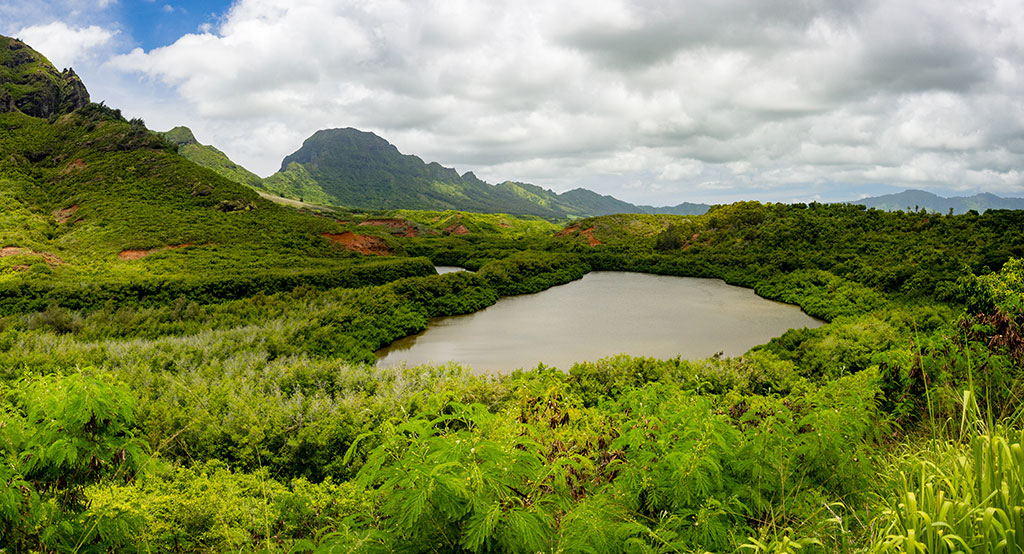
Panorama of Menehune fishpond, aka Alekoko Fishpond, historic Hawaii, Lihue, Kauai, Hawaii, USA

Photo of Rebecca Lave

The first of AAG’s webinars in preparation for the annual meeting in Honolulu took place on Tuesday, July 25. Webinar participants Aurora Kagawa-Viviani (University of Hawai‘i-Manoa), Mahina Paishon-Duarte (Wai Wai Collective CEO and co-founder) and Ulalia Woodside Lee (Executive Director, The Nature Conservancy of Hawai‘i) shared stories, images, and songs to introduce Hawaiian culture and the central role of reciprocity; critiques of the impacts of imperialism and interlinked economic, environmental, and cultural struggles; and tools to help us organize the annual meeting in a way that positively addresses both. More than 130 AAG members attended the webinar, Aloha Aku, Aloha Mai: Aloha Given, Aloha Received.

These webinars are an important piece of AAG’s commitment to centering Kānaka (Indigenous Hawaiian) history, struggles and triumphs (see my July column for details on the other parts of that commitment), and to building a new locally engaged, justice-focused model for our annual meetings in Honolulu and beyond. This new model is an obvious step forward: in retrospect, it seems absurd that Geographers, the academics most centrally focused on space and place, have engaged so little with the areas outside our conference hotels. With the notable exception of field trips, our annual meetings have mostly focused inwards.

Yet this new model raises big questions, which Aurora, Mahina, and Ulalia crystalized for me in their comments on the 25th.  It is relatively straightforward to engage intellectually with Kānaka scholars, and even some local thought leaders, via key notes at the annual meeting. Economically, AAG has committed to waiving fees for Kānaka vendors during the meeting and providing lists of Kānaka-owned businesses to visit. But even a quick look at the chat log from the webinar shows that attendees also wanted to build meaningful relations while they were in Honolulu. How do we enable annual meeting attendees to build genuine connections with local communities without placing burdensome demands on their time and resources? How do we enter communities in respectful ways? In Ulalia’s words, how can we “level up expectations for guests” in Hawai’i?

There are no simple answers to these questions.  My hope is that we will develop a collective response via the webinar series, and discussions among Specialty and Affinity Groups, the local organizing committee, and Kānaka community engagement facilitator Neil Hannahs.  A few initial options mentioned during the webinar were:

  • Embracing our kuleana as guests: carefully considering what skills and connections we can bring to the local community, and being intentional about ways we can be useful and reciprocal.
  • Land engagements: field trips that enable conference attendees to contribute labor and resources to existing workdays for Kānaka community groups (rather than asking for special events for us).
  • Events for school groups: offering workshops for local schools, perhaps at the schools or in the Convention Center.

I look forward to adding to and refining this list in conversation with you to develop new practices for our annual meetings.

DOI: 10.14433/2017.0136


Please note: The ideas expressed in the AAG President’s column are not necessarily the views of the AAG as a whole. This column is traditionally a space in which the president may talk about their views or focus during their tenure as president of AAG, or spotlight their areas of professional work. Please feel free to email the president directly at rlave [at] indiana [at] edu to enable a constructive discussion.

    Share

The 2024 Annual Meeting in Honolulu

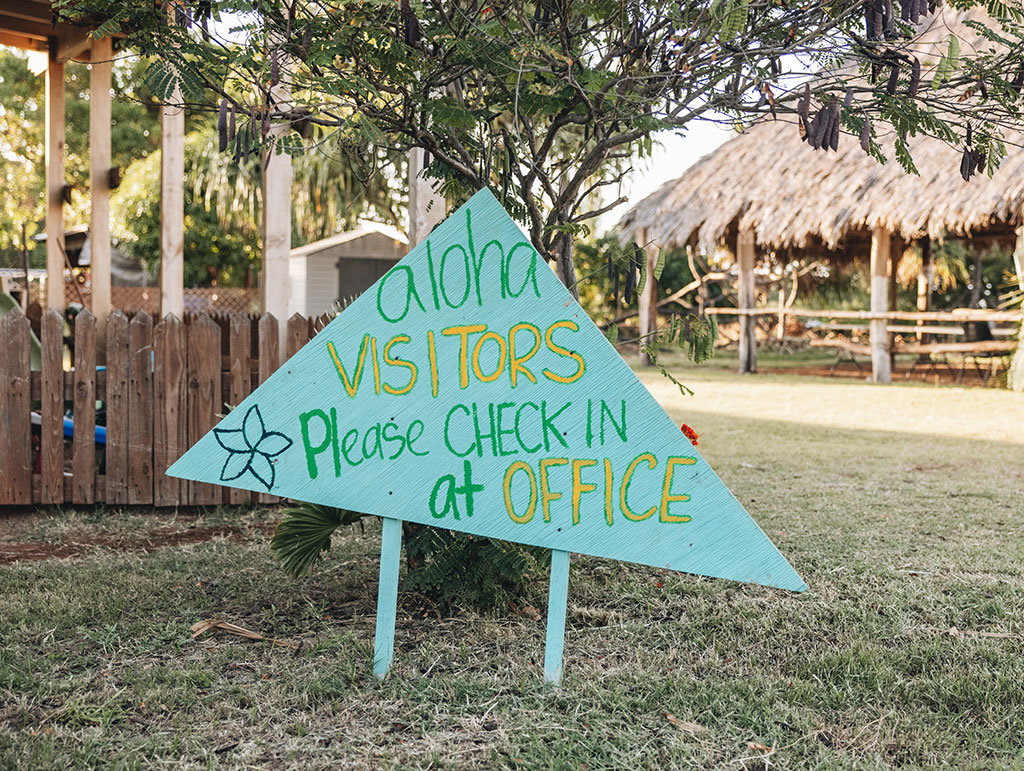
Green triangular sign saying "Aloha visitors, please check in at office"

Photo of Rebecca Lave

Over the last year, I have heard from geographers on four continents, voicing concerns about the 2024 annual meeting in Hawaiʻi in relation to cost and accessibility, climate change and carbon emissions, and Indigenous self-determination and legacies of settler colonialism. These issues of economic, climate, and Indigenous justice are deeply important to me, and I love being part of a discipline that foregrounds them and their interconnections. Thus, I deeply appreciate the people who took the time to reach out, and I am dedicating my first column as AAG President to these concerns.

The decision to hold the 2024 annual meeting in Honolulu was made in 2016, long before the current Executive Director, Gary Langham, or any of the current Council members held positions of authority at AAG. That said, we take responsibility for deciding to move forward. Our decision wasn’t made lightly, and it took into account the real costs of cancelling, as well as the inherent responsibilities in proceeding, especially in terms of climate action and attention to the wishes and wellbeing of the Kānaka Maoli, the sovereign people of Hawaiʻi.

I’d like to address these considerations one by one, although they are of course interconnected.

Indigenous Sovereignty

The concern I heard most frequently was about Indigenous self-determination, often citing tweets from Deondre Smiles, former chair of the Indigenous People’s Specialty Group, stating that Indigenous Hawaiians (Kānaka Maoli) did not want visitors to come to Hawaiʻi, and contemplating a boycott of the annual meeting. I reached out to Deondre in response to his statements on Twitter, and we decided the best way forward was to convene a conversation between Indigenous Geographers and AAG. After much consultation about who should be part of that conversation, we met on March 10 with a group of Hawaiian geographers, most of whom were Kānaka. They made two points that changed my thinking about the annual meeting:

  1. Kānaka Maoli are not a monolithic group, and they have a range of views about and relationships to tourism; and
  2. AAG was welcome as long as we were good guests. This second point is guiding a range of actions I’ll describe below, but the key is this: Rather than viewing Hawaiʻi through kitschy-touristic lenses (Grass skirts! Drinks in pineapples! Sun-bathing between sessions!), we need to do the work of learning about and attending to Kānaka history, struggles, and successes.

The geographers in that meeting asked AAG to walk away from typical annual meeting practices which, other than field trips, are only lightly tailored to the place where the meeting takes place. Instead, they asked us to center Kānaka issues throughout the conference, from the vendors to the keynotes. Among the most important things that we have agreed to and begun to implement are:

  • Kānaka vendors will have free space in the Convention Center.
  • Kānaka-owned restaurants and other businesses will be prominently highlighted in our visitor information, so that meeting attendees can support them.
  • Kānaka geographers and local people with a range of knowledge will be engaged directly in developing themes for the annual meeting that center their issues and concerns, such as US militarism, food sovereignty, and colonial legacies.
  • Field trips and events will be paired with these themes to create meaningful experiences of the Island.
  • Kānaka Maoli and other Pacific Basin Indigenous groups can attend the meeting free of charge.
  • AAG will work with interested specialty groups to select Hawaiian keynote speakers and foreground Kānaka themes.
  • AAG will develop a series of webinars to help attendees learn more about these themes in the run up to the annual meeting.
  • The AAG Indigenous People’s Specialty Group will have free space to run its own programming during the annual meeting.

Our discussion also resulted, in this meeting, in AAG hiring a Kānaka event coordinator, Neil Hannahs, the founder of Hoʻokele Strategies LLC, to help with all of the above, to ground us in Indigenous Hawaiian values, and help attendees to be good guests.

Climate Impact

We are still thinking about how to address the climate impacts of holding the annual meeting in Hawaiʻi, but there are a few things we can say with certainty now.

First, given the excellent and damning work geographers have done about the ineffectiveness of carbon offsetting, we know that is not a realistic option.

Second, thanks to the vision and persistence of former AAG President Emily Yeh and the members of the Climate Action Task Force she convened, the willingness of AAG staff to think outside of conventional conference models, and the impressive efforts of geographers in Fullerton, CA and Montreal, we now know that nodes offer a viable alternative to attending the annual meeting in person.

In 2021, AAG released a report to aid in decision making for its meetings. Based on those projections, we know that AAG 2024 in Honolulu could have much higher emissions than typical meetings if no options are provided (35k vs. 16.5k tCO2). Adding additional hubs can reduce emissions impacts dramatically, however, which is why we are seeking to scale up nodes dramatically. The current plan is to have at least 10 nodes next year, offering much lower-carbon and lower-cost ways to view, and even participate in, the annual meeting.

Costs

AAG’s early response to concerns raised about the meeting was to look into the cost of cancelling. Doing so would have cost over $1 million, or about 1/6 of AAG’s annual operating budget. Particularly because AAG has spent millions of dollars over the last few years of virtual and hybrid meetings, there is no way to absorb that cost without laying off staff and cutting back on activities that support and promote geography and geographers. We have opted to instead invest resources—funds and people—in hosting the most robust, ethically responsive, and locally (and virtually) engaging 2024 meeting we can host. As with actions we have had to take over the past nearly four years, AAG’s stance is a thoughtfully risky one.

We know that traveling to any AAG meeting is costly, disproportionately so for our many members who do not have access to departmental or other funds to attend. That’s another reason it is so important to us to keep the virtual option in place, and to do what we can to secure competitively low hotel rates. While Honolulu is one of the most expensive places the annual meeting is held, it’s worth noting that travel costs vary markedly by geography; I heard from geographers from Aotearoa New Zealand who were delighted that they could actually afford to attend the annual meeting this year. For all AAG members, we provide a number of options that can defray travel and registration expenses including the Community College Travel Grants, AAG Student Travel Grants, and AAG-GTU Travel Grants.

Looking Forward

I have learned much by working through the concerns raised by our members, particularly in terms of Kānaka Maoli wishes and sovereignty. I have also been surprised and very pleased at AAG’s response to both criticism and constructive suggestions. Over the last few months, I have shifted from being worried and uncertain about the Hawaiʻi meeting, to actively looking forward to learning more about Kānaka history, struggles and victories. Land acknowledgments, where many organizations stop short, have been criticized (appropriately, in my view) for merely naming histories of dispossession and death; AAG’s planned approach in Hawaiʻi feels like the beginning of an answer to how disciplinary societies can do more.

I hope you will be part of the 2024 meeting, and I encourage you to be in touch with AAG concerning any questions. Email meeting@aag.org,.

*   *   *   *

Join us in learning more. At the annual meeting in Honolulu the AAG will pilot a new approach that connects the conference more strongly to the place where it is held. To do that respectfully and well, we need to learn more about Hawaiʻi before we go. Between July and March, the AAG will be hosting a virtual learning series featuring Hawaiian speakers and perspectives on a broad range of environmental, political, and historical topics including Indigenous ecological knowledge and sovereignty. We are excited by these opportunities and invite you to join us. You can register for free for the first webinar in this series.

DOI: 10.14433/2017.0132


Please note: The ideas expressed in the AAG President’s column are not necessarily the views of the AAG as a whole. This column is traditionally a space in which the president may talk about their views or focus during their tenure as president of AAG, or spotlight their areas of professional work. Please feel free to email the president directly at rlave [at] indiana [at] edu to enable a constructive discussion.

    Share

Richard L. Forstall

Richard L. Forstall died on May 30, 2023, while in palliative care at Goodwin House for heart disease since March. His passing was sudden and peaceful with family present. He was born October 8, 1926, in Chicago, the son of James Jackson Forstall and Nellie Louise (Lothrop) Forstall. He lived in Alexandria for 48 years. He is preceded in death by his parents and also his siblings, Jackson L. Forstall, Philip L. Forstall, and Jean (Forstall) Peneff, and survived by nieces Marilyn J. Peneff, Anne (Peneff) Albert, nephew Nicholas J. Peneff, and many cousins.

Mr. Forstall’s achievements include the development of official standards for defining United States metropolitan areas for the U.S. Census Bureau from 1972 -1995 based on extended work for Rand McNally & Co. since 1951.

    Share

Program Profile: California State University Long Beach

Group photo of CSULB MSGISci students
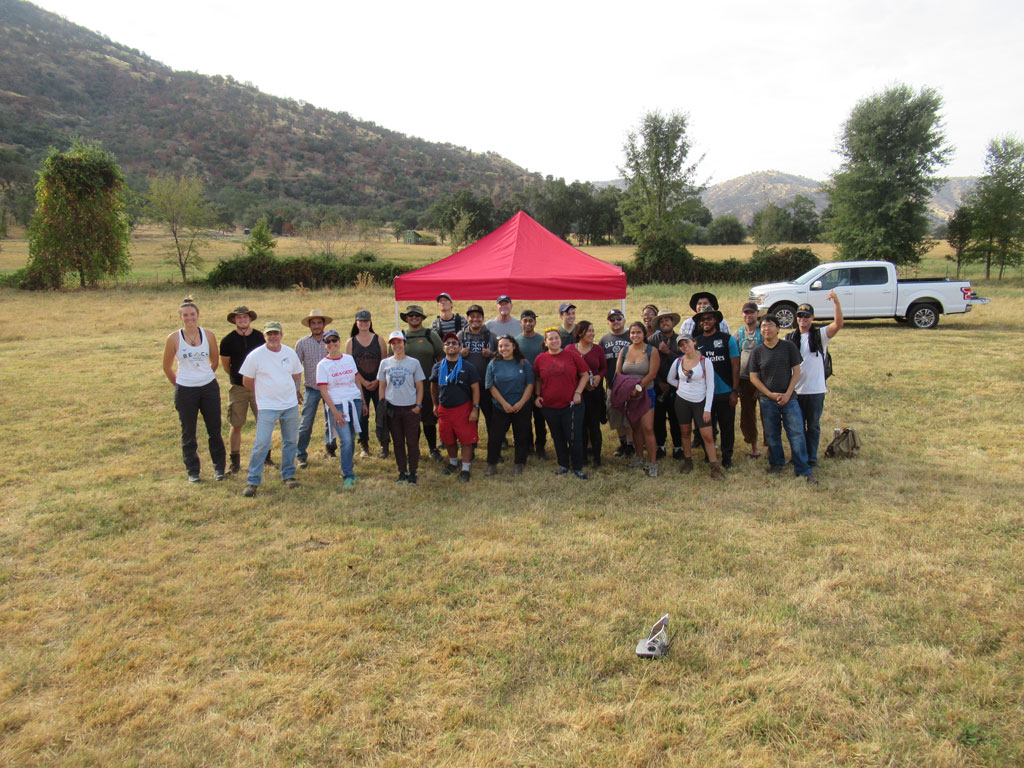
Group photo taken by a drone of MSGISci students at the River Ridge Ranch field site (with Scott Winslow, UAV and GIS Lab Manger front left and Dr. Wechsler front 2nd from left).

AAG staff recently sat down for a virtual interview with California State University Long Beach (CSULB) faculty members Dr. Suzanne Wechsler, professor and department chair; Dr. Lily House-Peters, associate professor and undergraduate advisor; and Dr. Paul Laris, professor and former department chair. When asked how their department demonstrated the value and relevancy of geography, a theme quickly emerged — actions speak louder than words.  Everything the department does is exemplary of demonstrating the importance of geography.

The department is keen on community engagement that provides research and learning opportunities for both students and faculty, adapts their program to ever-evolving geospatial technology and industry standards, and emphasizes the importance of field experience in the coursework across the program’s various concentrations. It’s obvious that CSULB’s Department of Geography is demonstrating the value and relevancy of geography daily, not only to their students, but to their university colleagues and local community members as well.

“One of the things that’s kept us going and relevant is that we’re always trying something…we’re constantly trying out and innovating,” says Laris. His response reflects the overall spirit of a department where innovation is the norm. As Wechsler puts it, being nimble and responsive is what has fostered the program’s success.

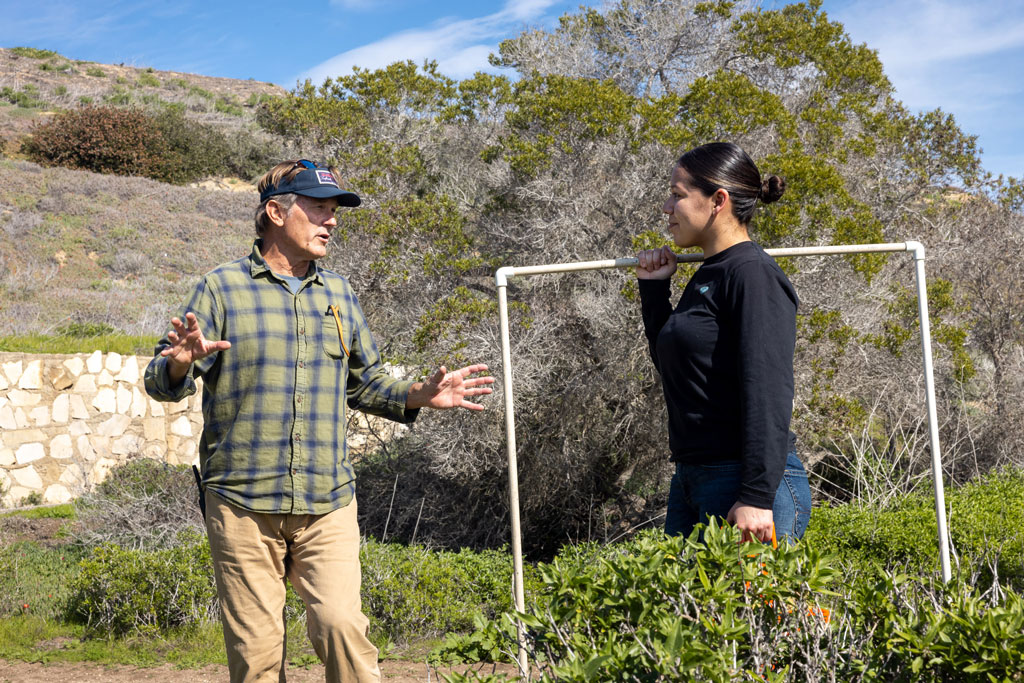
Professor and student perform field work with coastal sage scrub.
Professor Laris gives student Alexandra Trujillo a few tips on how to use a quadrat to sample coastal sage scrub vegetation at the PVP Land Conservancy.


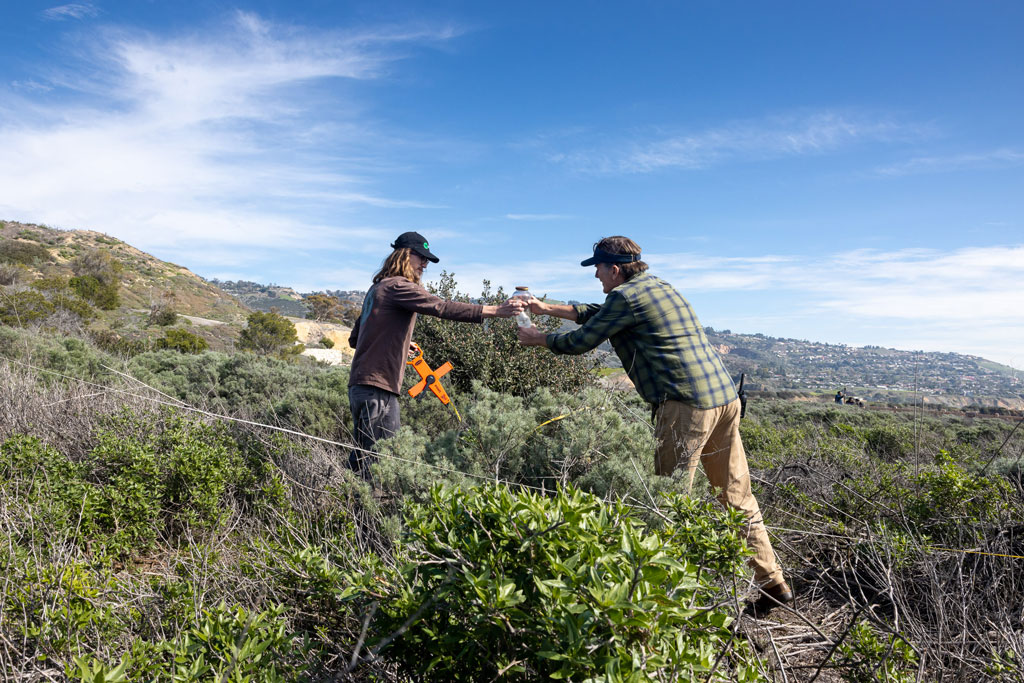
Student and professor perform fieldwork together.
Student Cannon Hanson and Professor Laris prep a site for line transect sampling of coastal sage scrub habitat.


Creating stand-out programs to foster student success

Suzanne Wechsler has carried on this tradition in her current role as department chair where her responsibilities include directing the M.S. in Geographic Information Science (MSGISci) program. The M.S. was created 12 years ago when it was discovered that M.A. students were dropping out because they’d found work in the geospatial industry before they graduated. The problem was, that while students were obtaining excellent geotechnical skills within the M.A. program, they were taking internships that turned into the jobs they wanted, leaving them with little time or motivation, to complete their thesis. Wechsler and her colleagues realized there was a need to provide an analytical and application-based training for these students to fully prepare them for a career in the highly competitive geospatial industry, rather than the more theory-based approach of the M.A. program.

It’s about being agile and responding to the moment as best as possible, and you can’t do that without a core faculty that are dedicated and get along well…[and]…work together to…figure out how to address the moment.

—Suzanne Wechsler

The result is a vibrant graduate program which includes both a traditional Master of Arts (M.A.) and a Master of Science in Geographic Information Science (MSGISci) that received an Honorable Mention for the AAG’s Program Excellence Award in 2019, among other ranked achievements. Students can expect a small, yet strongly networked cohort environment, research and publishing opportunities with faculty that focus on local and global issues, and lectures from community leaders, activists and industry professionals to inform on current best practices and skills.  Research partnerships are built into seminars and culminating activities provide students with opportunities to gain specialized skills and competencies, and, for example, to investigate how issues such as social and environmental justice play out in community settings.

Wechsler adds that equally important to the research experiences we facilitate is the network and community we strive to develop while students are in our program, and after they graduate. With over 200 MSGISci graduates 96% of whom are working in the geospatial field, these networking opportunities are an especially important component of our program. We hope that by building a sense of community while students are here encourages them to stay connected and serve as a network and resource for future graduates.

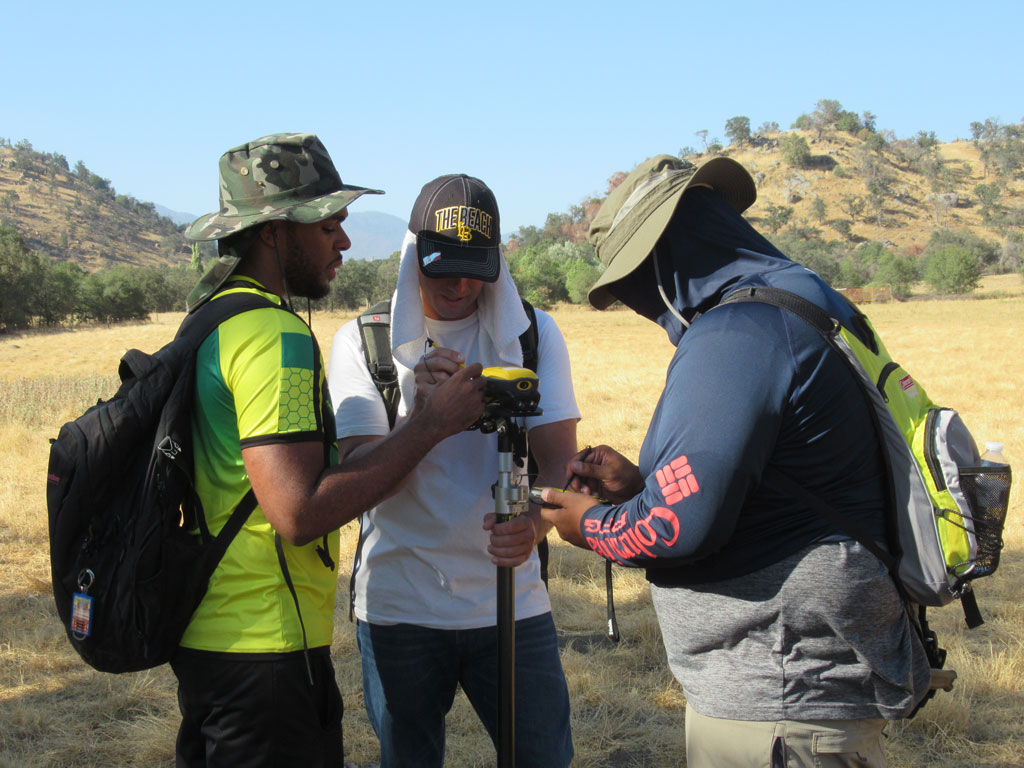
CSULB students performing GPS data collection
MSGISci students prepare GPS units for data collection at the River Ridge Ranch study site in Springville, CA.


How campus visibility maintains relevancy

The value of geography is enhanced by interdepartmental relationships within the university, according to Laris. Geography faculty often collaborate on cross-listed courses with other departments or stay on the university radar through the reception of grants including an NSF REU. Additionally, some programs such as the M.S. in Geographic Information Science generate income, attract students to the university, ultimately highlight the discipline’s relevancy.

“…we’re [the geography department] a good team player,” says Paul Laris. But it’s Suzanne Wechsler  who places the credit for this success. “That’s largely due to leadership,” she says. “Paul was instrumental in fighting for geography’s place within the college.”

Building this highly felt presence within the university is something that has taken time, but it has become a win-win for the department. At the end of the day, the department leadership’s dedication has benefitted the students, faculty, and long-lasting relevancy of geography.

Put me in, Coach!

The department’s overall success reflects its outstanding faculty. To be successful, both Laris and Wechsler emphasize the importance of creating an environment where faculty are enriched and able to succeed. Drawing on their experiences, the department chair is tasked with the difficult balancing act of distributing teaching loads at a University with a heavy teaching load (12 units per semester) combined with research and service expectations.

“I’m a sports guy,” Laris confesses with a smile. But with the confession comes an important analogy: “If your team’s going [to] do well, you’re only going to do as well as each of your players. If you put them in a position where they can do the best they can do, then maybe you’ll succeed in a place like Cal State Long Beach.”

    Share

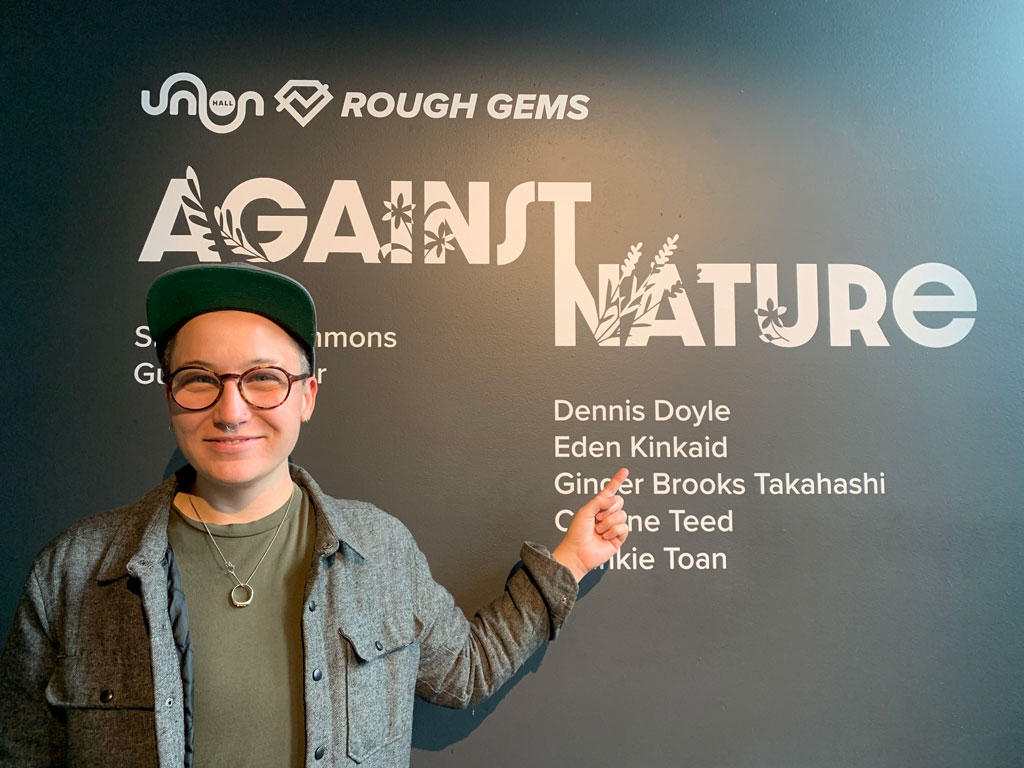
Member Profile: Eden Kinkaid

Eden Kinkaid points at their name as part of the Against Nature exhibit

It seems like everything is possible in geography

“It was one of those cosmic coincidences that I ended up in geography,” says Eden Kinkaid, who recently earned their doctorate in the field from the University of Arizona. “It is really a great intellectual home for me. I can’t imagine being anywhere else. l have all kinds of critical concerns about geography as a discipline, but as an intellectual space, the geographic imagination totally suits me. I love how interdisciplinary and sort of anti-disciplinary it is — when folks ask me what a human geographer is, I tell them that I am one-third social scientist, one-third philosopher, and one-third artist. In a certain sense, intellectually at least, it seems like everything is possible in geography.”

Kinkaid has invested deeply in exploring just how far the possibilities of geography go: as a creative geographer; co-editor of the journal You Are Here; creator of installations and sculptural inquiries; editor of @wtfisgeography, a playful, wide-ranging Twitter account “offering brief definitions of big words in geographic theory;” and as an investigator of the exclusions of the discipline and limitations of geography curriculum.” Kinkaid is also devoted to creating dialogues about the nature of geography and about how feminism and queer/trans thought can interact and strengthen one another.

“…as an intellectual space, the geographic imagination totally suits me.”

Kinkaid’s curiosity and generosity of vision came in handy during the COVID-19 pandemic, when they were one of the many graduate researchers who had to pivot their work in light of travel restrictions. “I was six years into graduate school and just about to leave for my final stint of fieldwork in north India on a Fulbright fellowship when the pandemic began. I had to literally change my project overnight.” The change led Kinkaid to study food systems, food culture and development in Tucson, where they were in school.

“Working in my own country of origin and in my first language made research much more simple,” says Kinkaid. “I had never done collaborative research, so I learned a lot. Whereas before I would never think to do qualitative research collaboratively, now collaboration is my first impulse. Doing research in my own community enabled me to use my research to actually influence some kind of change in that community. For example, our research on the pandemic’s impact on local food systems was turned into a public research report that folks working in the local food system used to advocate to the legislature for support for food assistance that would also help local farmers. They also used it for a local food system strategic planning process. So that was cool to see.”

Kinkaid’s dissertation research on the cultural politics and political economy of food-based development in Tucson has also prompted local dialogues about whiteness, social justice, and equity within Tucson’s gastrodevelopment project.

Probing the Discipline’s Boundaries and Absences

Kinkaid’s incursions into the narratives, inclusions and exclusions of geography developed concurrently with their interest in feminist and queer thought. “I never set out to study feminist theory or queer theory — it was not really on my radar. I was introduced to feminist theory by my mentors and later encountered queer theory. When I entered graduate school, I didn’t call myself queer. This identification actually emerged at the same moment I started studying geography, when I moved to central Pennsylvania and started in a program there. And the funny thing is that my identification as genderqueer emerged because of a kind of misfit within the culture of both geography and the town I was living in. The way I thought, the way I moved, the way I presented myself seemed at odds with the spaces I was in, intellectually and institutionally. Then I happened into queer theory and found a language for everything I was feeling — the way that I experienced space and my body — and a name for this growing awareness of my body as a source of dissonance in these very cisheteronormative surroundings. I became a queer geographer because I had to — I needed this kind of self-knowledge, epistemology, and theory to navigate what have often been stuffy if not toxic intellectual and institutional spaces. Along the way, I found that being queer and trans is a powerful vantage point for thinking about a lot of geographic questions.”

Kinkaid says that it is hard to draw a common thread across all of their work, “But in this moment, I am reflecting on how my intellectual and institutional work I do in geography are inseparable from the fact I am queer and trans. In a certain way, that is the common thread across lots of work that, on the surface, is not necessarily about that. For example, the way I encounter various philosophical traditions and my critiques of those traditions emerge from the fact that I don’t have the same body as many of my colleagues, that my experience of space and subjectivity is radically different than theirs, and that my experience of my body and self seems to be at odds with the world and its ‘common sense.’ I am challenging my colleagues to rethink their intellectual investments because, a lot of the time, those intellectual stances encode forms of erasure, exclusion, and domination that I experience as constraints on my body, on my world, on my life. My work on queer and trans life obviously emerges directly from the same place — from the unique vantage point afforded by being trans in spaces that are oblivious to trans existence, if not actively hostile to trans life.”

Kinkaid’s intellectual and institutional work around diversity, equity, and inclusion, comes from the same place. “The work finds me,” they say. “It is the work I have to do to render myself and the harm I and others encounter here legible.” My experience of being queer and trans in geography has opened up what feels like a kind of institutional shadow world that I have to navigate — the kinds of professional problems that confront me here (many of which I have written about) are completely bizarre and unrelatable for my peers and mentors. I have encountered a lot of cultural and institutional problems in geography that many don’t see, or refuse to see, which has raised my awareness of the kinds of so-called invisible barriers — cisheteronormativity, cultures of whiteness, ableism, class culture, etc. — that prevent minoritized people from thriving in these settings. So I have become an ethnographer of that shadow world and tried to render it legible to my colleagues — and to call out the logics that produce such inhospitable spaces, not only for queer and trans people, but also for people of color of all genders and sexualities in the discipline and other minoritized people.”

Kinkaid’s artistic work — including their recent natural history, with its nod to Enlightenment-era specimen collection and featuring Kinkaid’s months-long transformation into a satyr — comes from a rejection of the world as it is currently presented and mediated through cisheteronormative terms, and “a yearning for another space, one in which queerness and transness are not so circumscribed and subject to misrecognition and violence.” Kinkaid brings together their spatial understanding with artistic practice to quite literally create space, a space to “challenge and scramble the logics that frustrate my existence, to experiment with a new kind of grammar of existence and build a world that feels more like a home.”

Asked if they have advice for graduate students, Kinkaid counters with advice for faculty: “Learn from your students and junior colleagues. The climate of higher education has drastically changed over the last couple decades, and it is currently in freefall. We’re also in a moment of generational change, where a much more diverse group of people is moving into the discipline and struggling to find space here. So it is necessarily a moment of upheaval and change: the status quo of geography — which, to be clear, is racist, colonialist, sexist, and queerphobic — is getting unsettled. So it is crucial that the people with institutional power and various forms of privilege — senior professors, particularly the cis-het white ones — keep learning, embrace discomfort, and enter into real solidarities with graduate students and junior faculty so we can make space for minoritized people here and create more just futures for geography.”

    Share

Wayfinding: ‘Mapping Justice’ GIS Course Empowers Teens to Highlight Issues in their Communities 

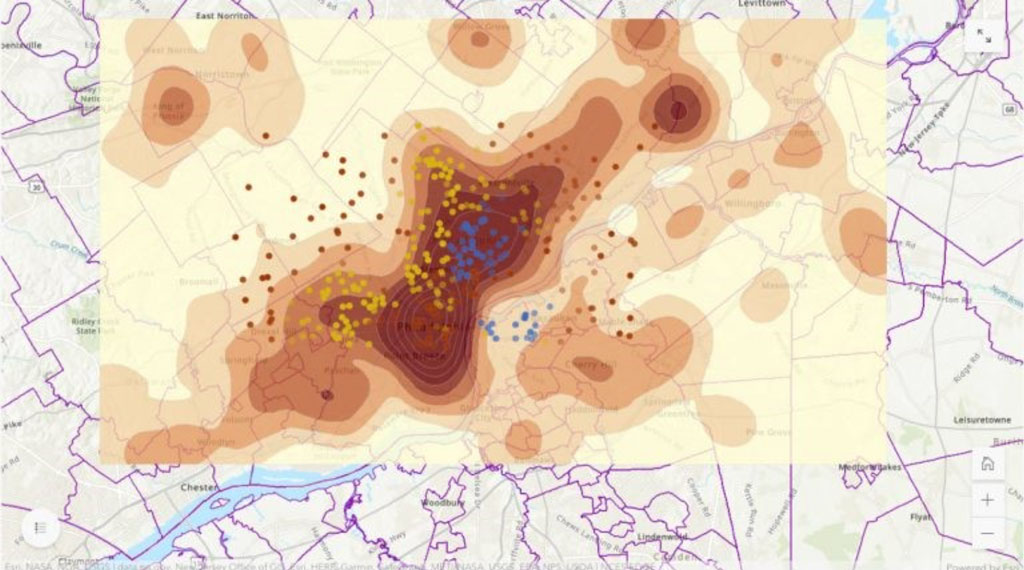
Map developed by Mapping Justice student team Oluwaseun Ogundimu and Ruhe Solomon shows how fast food outlets correlate with poverty in Philadelphia. To make the map, the coordinates of fast food locations were layered over Census tracts showing race and income. See the original StoryMap.
Map developed by Mapping Justice student team Oluwaseun Ogundimu and Ruhe Solomon shows how fast food outlets correlate with poverty in Philadelphia. To make the map, the coordinates of fast food locations were layered over Census tracts showing race and income.

With a donation of $50,000 from Esri, AAG has embarked on a partnership with the new educational platform trubel&co, aiming to connect college geography departments with high school students in their area who could take part in Mapping Justice workshops. AAG and trubel&co debuted the partnership at AAG 2023 in Denver, and are growing the concept to help AAG members discover the program’s potential for attracting high school students, especially students from historically and currently marginalized groups in the field of geography, whether because of racialization, economic status, family history of access to college, or gender or sexual identity. 

With the goal of leveraging spatial analysis as an integral part of STEM learning and civic innovation, Mapping Justice began as a 2020 course at Massachusetts Institute of Technology (MIT) Online Science, Technology, and Engineering Community (MOSTEC). Founder Nick Okafor encouraged students to connect their concerns and passions with the communities and landscapes they knew—and to see those places in entirely new ways through the power of mapping. Topics included transportation inequities, climate change, discrepancies in food access, gentrification, the digital divide, voting disparities and gerrymandering, and educational inequities. Students work collaboratively, usually in pairs, on every aspect of their projects.  

“STEM is extremely collaborative,” Okafor told an interviewer for Esri in 2022, “so I want them to start building these skills early.” 

In 2022, Okafor and co-founder Alani Douglas formally incorporated trubel&co (pronounced “trouble,” as in “good trouble”) to scale the project up throughout the United States. With a team of six other practitioners, trubel&co has an ambitious vision to “champion diverse high school youth to design geospatial tools for social change, using GIS (Geographic Information Systems) to promote equity within their community.” The Mapping Justice curriculum is one effort of the rapidly growing organization, and is intended to build core technical competencies, critical thinking, spatial thinking, data fluency, self-direction, collaborative skills, and cultural awareness. 

The team at trubel&co is also branching out into service learning, notably through the month-long Resilient Civic Futures hackathon in Fall 2023, which mobilizes college students with GIS skills to work with truble&co and cosponsor Earth Hacks to “tackle environmental justice challenges in partnership with community-based organizations through the creation of geospatial tools.” 

Submit this online form to inquire about hosting a Mapping Justice workshop by trubel&co. For further questions, please contact careers@aag.org.

DOI: 10.14433/2017.0135


StoryMap source of featured map image of fast food outlets correlating with poverty in Philadelphia.

    Share