Financial Aspects of Running the AAG Annual Meeting

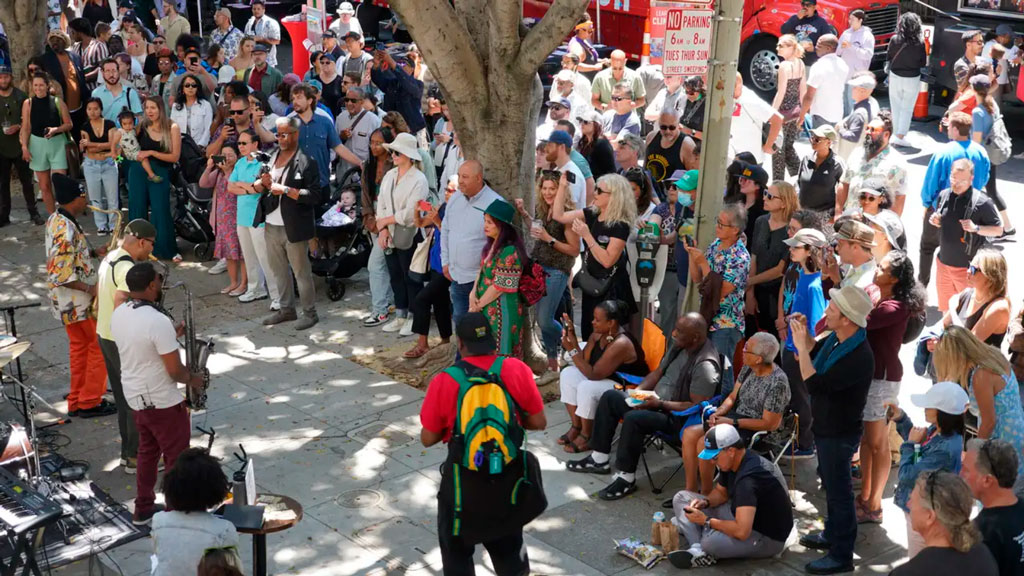
Overhead view of AAG annual meeting attendees browsing the Meridian Space information area

By Antoinette WinklerPrins, AAG Council Treasurer


Photo of Antoinette WinklerPrinsThis is the fourth of a short series of perspectives by 2024-2026 Council Treasurer Antoinette WinklerPrins–a series designed to help illuminate some of the financial challenges a professional organization such as the AAG faces. In this column, she offers perspectives on the financial aspects of running the AAG Annual Meeting. Read previous columns.


Most AAG members are aware that the AAG Annual Meeting is a key activity for the organization. In fact, for many members the annual meeting is the AAG. As a member organization, AAG provides many more services to its members all year, yet the annual meeting remains a pillar of support both for members and for the organization itself, enabling it to provide the other services throughout the year. In this Treasurer’s Corner I will share with you some perspectives on the financial aspects of the meeting.

Let’s look at three financial aspects of this most visible and vital event:

  1. Registration fees: Imagine you were hosting a big party but didn’t know how many people would show up? What if 10,000 might show and you might need to have 60 rooms for a week to run constant presentations? Securing those spaces without knowing who will show up is one of the many challenges (and expenses) of putting on an AAG meeting.Registration fees are critical support for the meeting – our ability to predict and secure a certain number of registrations helps us to negotiate the contract with a hotel or convention center for meeting rooms and gathering spaces, and to anticipate and cover staff costs to organize and support all the development of the programming and organization of the sessions. These activities are year-round as well as seasonal, with some building to a peak of work in the months ahead of the meeting dates, and other activities (such as venue negotiations) taking place years in advance. The current registration page states that “AAG annual meetings operate on a break-even pricing model (i.e., fees cover the cost of participation and inflation).” Note that when the AAG set new registration fees in 2023, it did not do so across the board in a “one size fits all” way. Fees for students, developing regions, under/un-employed, retired, K-12, and minority serving institution (MSI) faculty rise only very modestly, while other categories such as member and family rise moderately. The AAG chose proportional cost sharing, rather than trying to pass on all costs to members across the board, to provide the best possible value for members at a financially sustainable cost. When considering registration fees in real dollar terms, the fees had hardly changed in nearly 10 years.
  2. Hybrid costs: AAG is one of relatively few professional organizations that remains fully committed to a synchronous hybrid annual meeting. AAG Council has made this commitment to ensure this important professional event is accessible to those who cannot travel or who make a personal choice not to travel, but who want and need to participate in the meeting. This means providing quality and stable hybrid access not just in individual presentation sessions but also live streaming plenary and other important community building events. On a larger scale, the AAG has committed to lowering the carbon footprint of its annual meetings and is on track to reduce meeting-related emissions by 45% by 2030. But running a fully hybrid meeting incurs substantial labor and IT tech support. In a previous column, I provided details on the costs of running hybrid meetings. While these costs are a financial burden, the AAG believes that hybrid meetings are a must for its members, and this is why it is necessary to charge a fee for virtual attendees that covers at least half of the costs incurred in providing the online access. While AAG has lost money on the virtual portion of the last three meetings, it believes that hybrid meetings are a must for its members, and why it remains committed to offering the service at a low fee.
  3. Lodging choices: In a previous column, I discussed why it is important to choose your lodging at the conference hotel. Not only is it convenient and maximizes your ability to network with colleagues, but it helps AAG meet contractual obligations (usually arranged years in advance) to guarantee a minimum spent on lodging as well as food and beverage at the hotel by attendees. The next three AAG Annual Meetings (San Francisco, New York, Chicago) are all hotel-based meetings (meaning that the meeting rooms are at the hotel), not convention center meetings as both Detroit and Honolulu were, so this is very important for the financial viability of the meeting.

In its choice of location, lodging, and other offerings, AAG works to provide the best possible options to its members. We know that you have many influences on your decisions on whether and when to register, and what lodging to select for the annual meeting. We hope you can join us at the annual meeting, and that you are able to select the lodging that works the best. Please feel free to reach out to me or Gary Langham, AAG’s Executive Director, with questions, comments, or concerns. Send your comments and questions with the subject line “Treasurer’s Corner” to helloword@aag.org.

    Share

Navigating Human Dynamics—Reflections on Chairing the AAG Symposium on Environmental Exposure, Mobility, and Health

By Michaelmary Chukwu

Michaelmary ChukwuAt the 2025 AAG Annual Meeting in Detroit, I had the incredible opportunity of serving as both a session chair and presenter for the 11th Symposium on Human Dynamics Research. This year’s symposium, themed “Human Dynamics and GeoAI,” marked a major evolution of geographic thought—building on a decade of intellectual contributions that have redefined how we understand human-environment interactions in increasingly multifaceted physical and virtual worlds. Thanks to Dr Xinyue Ye, Department of Landscape Architecture and Urban Planning, Texas A&M University and Dr Xiao Huang, Department of Environmental Sciences, Emory University, for allowing me to take up such a monumental adventure—one that has shaped my experience of AAG for the better.

The symposium’s foundation was engrained in a timely recognition: that contemporary human experiences of space and place are no longer limited to traditional geographies with which we already are familiar. Rather, spatial experiences now unravel across hybrid realms shaped by technologies such as the metaverse and fediverse, generative AI, and quantum computing—although these are relatively novel to me. As spatial researchers, we are often challenged—and empowered—to adapt our conceptual and analytical designs to this convergence. The sessions I chaired brought together a diverse group of scholars exploring how dynamic environmental exposures, shifting mobility patterns, and evolving health outcomes intersect in this digitally augmented landscape. Collectively, these sessions illuminated the role of GeoAI as both a lens and a tool for addressing these multifaceted challenges. My aim in this article is to reflect on my experience facilitating and participating in these sessions, highlighting key themes, emerging insights, and the broader significance of human-centered, technologically informed geography in an era of rapid transformation.

A Broad Shift in the Discipline

The field of human dynamics has always been centered on the spatial understanding of how people interact with their environments—how they move, where they are exposed to risks, and how these patterns shape health, opportunity, and resilience. Nevertheless, in today’s ever-changing world, these interactions have become more fluid, complex, and pushed by emerging technologies. I like how Dr Ye articulated this perspective:

The foundation of human dynamics research lies in understanding human needs, wants, and constraints… GeoAI, with its ability to analyze spatial data through artificial intelligence, will play a critical role in bridging human dynamics with geographic insights, offering new ways to understand and respond to complex urban challenges.

The 2025 Human Dynamics Symposium embraced this evolution, emphasizing a human-centered and convergence-driven approach to research. As we step even deeper into a hybrid era where physical places and virtual spaces blend, our analytical frameworks must be equally adaptable and dynamic.

The sessions I chaired revealed just how far human dynamics researchers have moved beyond merely mapping mobility flows or modeling progressive exposure. They are also now interrogating how AI-generated environments, real-time data streams, and machine learning (ML) algorithms shape human behavior and social vulnerability. A clear example is that the integration of data with environmental risk models can enable a sharper understanding of who is exposed to what hazards—and why. Similarly, GeoAI (the intersection of GIScience and AI) allows us to uncover disparities in exposure, which traditional lone geospatial techniques could not dictate. As Dr Huang has written, “As AI technology keeps evolving, we want to keep pace using it for socially beneficial purposes.”

This burgeoning intersection between technological innovation and geographic inquiry reflects a broader shift in the discipline. No longer are we just observers of mobility—we are now very much inclined to predicting, intervening, and (re)co-constructing human-environment futures. As many of the scholars presented their studies on everything from post-pandemic mobility changes to ethical concerns in AI-based exposure assessments, a clear theme emerged: human dynamics research must not only respond to technological disruption but also lead the way in shaping its implications for equity, access, and sustainability.

Michaelmary Chukwu poses next to a session board outside of a session room.
The author presenting at the AAG symposium he also chaired. Credit: Daniel Kissi-Somuah

The first session focused on urban mobility and exposure disparities, setting a strong foundation for critical thinking and reflection on spatial inequities. Papers examined e-scooter adoption in Charlotte, flow detection techniques for board-scale mobility data, and state policy implications for climate and worker health in Canada. Particularly notable was a paper proposing the use of Points of Interest (POIs) as sentinel nodes for infectious disease surveillance, offering a compelling intersection of geospatial methods and public health. All presenters made important submissions that sparked deep philosophical thoughts in geography.

The second session featured methodological innovations among geographically diverse studies, such as shared-bike mobility dynamics in Seoul, modeled carbon efficiency using urban scaling laws, and the linkages of urban sprawl with subjective well-being in the U.S. One presentation stood out for its novel use of geolocation data to examine tobacco exposure risks using a neuroscience framework. Another presented COVID-19 risk mapping in Kwara State, Nigeria, broadening the discussion to global health geographies and data-sparse regions. This session embodied the kind of interdisciplinary and cross-regional inquiry that the symposium aims to foster.

The final session turned attention to post-pandemic urban restructuring and digital-physical convergence. Presenters addressed the “donut effect” in U.S. cities due to remote work, correction methods for pedestrian mobility biases in Strava data, and the use of graph neural networks to estimate population flows from multimodal transport data. Two of the last presentations caught my attention: an analysis of mobility equity in four Atlanta neighborhoods in the context of the 15-minute city framework, and a forward-looking piece on GIS-based hybrid space-place approaches, emphasizing the need to rethink individual behavior across physical-virtual boundaries.

Throughout the day, the diversity of topics—ranging from graph theory and machine learning to behavioral geography and environmental justice—underscored the multidimensional nature of human dynamics research today. As an early-career geographer, I was honored to chair such a wide range of talks, with the opportunity not just to moderate, but to facilitate bridges between these ideas: connecting themes, fostering open discussion, and encouraging reflection on both technological promise and ethical responsibility.

AAG is not just a venue for presenting research, it is a dynamic community of thinkers, mentors, and co-creators of knowledge.


Presentation Insights: Sharing My Research

Among the highlights of the symposium was the opportunity to present my own research. I presented my study of how park visitation behavior varies across space, creating patterns that uncover inequities rooted in race, income, and location geography. Making use of longitudinal human mobility data from SafeGraph, the research revealed widening disparities in both access and usage of urban parks. More specifically, we showed that the borough of Manhattan enjoyed more access and use of parks—a predominately white area, compared with The Bronx, Queens, and Brooklyn, which are predominantly areas with people of color.

Michaelmary Chukwu's bar chart illustrates Aggregate Visits to Urban Park by Census Blocks in New York City in 2022
The author found that Manhattan enjoys far more access and use of its parks than other boroughs. Credit: Michaelmary Chukwu


My presentation illustrated persistent gaps in visitation trends, spatially and statistically, at the census block group level.  Low-income and racially marginalized neighborhoods in New York City consistently lagged in park usage, despite proximity. Some parks in those block groups were not well-maintained and lacked or had uneven distribution of park amenities. This points to a deeper narrative: access is not solely about distance but shaped by systemic barriers—ranging from safety concerns to cultural disconnection.

As a first-time participant at the AAG Annual Meeting—and at the time, a master’s student at the University of Arkansas—chairing not one, but three sessions within the Human Dynamics Symposium was an experience that exceeded my every expectation. Entering such an intellectually charged and collaborative space, I initially wondered how I would measure up. But from the very first session, it became clear that AAG is not just a venue for presenting research, it is a dynamic community of thinkers, mentors, and co-creators of knowledge.

The privilege to engage with and learn directly from leading scholars in the field of human dynamics profoundly shaped my understanding of the many aspects of geographical thoughts and the future. I paid close attention to how leading researchers grounded their advanced methodologies in real-world challenges such as health disparities, urban inequity, and the need for technological foresight. I appreciated how questions were asked not simply to critique, but to expand, refine, and deepen shared understanding of science of geography. This experience will remain a defining moment in my academic journey, affirming that even as an emerging scholar, there is space to lead, learn, and belong in the evolving story of human dynamics.

Michaelmary Chukwu is a Ph.D. student in Geographical Sciences and Cartography at the University of Maryland. He completed a master’s degree in Geography from the University of Arkansas in 2025 and a bachelor’s degree in Urban and Regional Planning from the University of Ilorin, Nigeria in 2021. He is a student member of the American Association of Geographers (AAG), American Planning Association (APA), and Cartography and Geographic Information Society (CaGIS) while also being a distinguished full member of Sigma Xi and Phi Kappa Phi Honor Societies. Michaelmary’s research interests are in GIScience, urban mobility, spatial statistics, GeoAI, computational social science, urban studies, active transportation, and remote sensing. He has received recognition for his outstanding works including a national scholar award from the University of Arkansas and Third Place student poster at the Southwest Regional Division of AAG.  


Perspectives is a column intended to give AAG members an opportunity to share ideas relevant to the practice of geography. If you have an idea for a Perspective, see our guidelines for more information.

    Share

A Matter of Survival: Building Better Connections Between High School and College Geography

William Moseley

Some 283,000 students took the Advanced Placement Human Geography (APHG) exam this year, according to the College Board. Imagine if we could persuade even five percent of those students to major in geography at the college level. That would be 14,500 students a year, a number that is over 3.5 times the current number of students who graduate with a major in geography each year in the United States. This is untapped potential waiting to be leveraged at a time when many geography departments in the US are facing serious, if not existential, threats. We can and must do more to build better connections between high school and college geography.

In order to survive and thrive, any discipline needs at least two ingredients. The first is dynamic and cutting-edge research. A discipline makes a mark in the intellectual marketplace if it contributes to a better understanding of the world. Geography has arguably done well in this regard, and the AAG supports the scientific enterprise via its annual and regional meetings as well as its journals.

A discipline makes a mark in the intellectual marketplace if it contributes to a better understanding of the world.


The second ingredient is a robust student body, both at the undergraduate and graduate levels. While US graduate programs in geography attract students from around the world, our undergraduate programs are relatively small and increasingly under threat. This is a problem at both a practical and philosophical level. At a practical level, undergraduate numbers are increasingly seen by administrators as a key indicator of long-term viability, and it is this pool of students that feeds, at least in part, graduate programs and the ranks of professional geographers. At a more philosophical level, many would argue that our population is better equipped to navigate the world and be responsible citizens when they have geographical training. The problem is that the number of undergraduate geography majors has fallen in the US by some 20% since 2011 (see Figure 1). How do we reverse this trend and rebuild and expand the undergraduate geography population in the US?  The AAG is exploring this challenge very seriously and I am pleased to be part of an AAG taskforce on geography undergraduate education.


Bar chart showing the slow, but steady growth of geography degrees conferred between 1986 and 2021. Bachelor's degrees grew at the highest rate, but began to fall in 2012.
Figure 1: Geography Degrees Conferred in the USA, 1986-2021. Note: The * and ** refer to geography-related Classification of Instruction (CIP) codes created in 1980 and 2020, respectively. Source: AAG, 2022.

.

This past June I spent two weeks in Cleveland, Ohio preparing for and then grading AP Human Geography (APHG) exams (along with hundreds of other college and high school geographers). The irony is that I don’t like grading, but this is not why I have attended these events for over ten years. I go for the community, the opportunity to connect with high school and college geographers who teach the courses that introduce students to our discipline. These teachers are the foot soldiers of geography and it is their work that powers the long-term viability of our discipline as a field of study. I wish more university geographers and graduate students would participate in this event and, if you have not already done so, I would encourage you to consider attending in-person in the future.

The APHG story is a remarkable one. Starting with the first exam in 2001, at the behest of a small group of dedicated high school and college geography teachers, and supported by the AAG, the number of APHG exam takers has grown by leaps and bounds over the past 25 years (see Figure 2). The program is not perfect. For example, some 70 percent of high school students take the exam when they are freshmen, a stage when many believe young people are not ready for college level material. But the year-long course is comprehensive and rigorous, often representing the only exposure an American student will have to geography during their high school career.


This line chart shows the rapid growth of AP Human Geograhy Exams from 2001-2025. The chart line starts at 3272 and ends with 282,650.
Figure 2: AP Human Geography Exams, 2001-2025. Source: College Board. Source: Lisa Benton-Short and Dan Snyder, using data from Educational Testing Services, 2025


In my informal conversations with many APHG teachers, I have learned that there are a number of things we could do to better capitalize on the increasingly large number of students who take the APHG exam each year.  Here are some preliminary suggestions for consideration.

First, even if they deeply enjoy geography as a subject, many high school students and their parents simply don’t know what one might do with a geography degree in terms of a potential career. This is a significant roadblock because it prevents students (and their parents) from seriously considering geography when they apply to college. While the AAG provides information on geography-related careers, we could do more to offer information that is accessible and tailored to high schoolers.

Second, many high school social studies teachers have limited university training in geography. As such, one of the key ways they learn how to teach the APHG curriculum is via AP summer institutes (AP sponsored summer training courses offered by certified, veteran high school instructors and college faculty). These courses could also provide teachers with more geography career-related information and tips on how to integrate it into their courses. For example, what types of professions are available to those who specialize in urban geography, GIS and cartography, or environmental geography? I would encourage APSI instructors to start doing more of this on their own accord, but they could also use more support from the College Board and the AAG.

Third, I believe that college geography departments and individual geographers have a responsibility to make connections with high school geography teachers near and far as a critical form of service to the discipline.  As discussed previously, the way I have done this is through my engagement with the annual reading (or scoring) of the APHG exam, but others do this by becoming involved with their state level geography alliances (where they exist) or by reaching out to local high schools. In my case, these connections have led to guest lectures in high school classrooms, the co-authoring of articles with high school teachers and countless informal discussions about geography material. College geography students, perhaps coordinated and facilitated by local chapters of Gamma Theta Upsilon (GTU), the geography honor society, could also connect with local high school geography teachers to speak in their classrooms and share their experiences as geography majors. Let’s be honest, for an audience of high schoolers, college students are likely to be far more persuasive in terms of marketing our discipline.

If we are to survive and thrive as a discipline, geography needs to grow its base of undergraduate geography majors. We would be foolish to not build stronger connections with a rapidly expanding APHG program that represents an enormous pool of potential future students. A strong house needs a solid foundation. Please join me in helping to strengthen ours.


Please note: The ideas expressed in the AAG President’s column are not necessarily the views of the AAG as a whole. This column is traditionally a space in which the president may talk about their views or focus during their tenure as president of AAG, or spotlight their areas of professional work. Please feel free to email the president directly at moseley@macalester.edu to enable a constructive discussion.

    Share

Embracing geography as an international discipline

William Moseley

In an increasingly multi-polar world, rife with resurgent ethno-nationalist and isolationist tendencies, geography needs to emphasize its international perspectives and connections, not pull back from them or play them down. While geography may be a relatively small discipline in the United States, its strength is its grounded understanding of our intensely interconnected world and its global reach as a field of study.

The U.S. has a long history of isolationist tendencies, based in part on the fiction that we can wall ourselves off from the rest of the world (Figure 1). What this ignores are the myriad of ways in which we are connected to other parts of the planet, both historically and in the present. Geographers are exceptionally good at explaining and theorizing these connections and this must remain a bedrock of geographic scholarship and teaching.

3D image of globe showing only the United States mainland and states of Alaska and Hawaii floating on a blue sphere.
Figure 1:  In 2006, National Geographic and its partners launched a five-year campaign, “My Wonderful World,” addressed to students. The campaign challenged the American educational deficits that contribute to Americans’ isolationist views. Source: National Geographic Society


The view that countries can exist in isolation is problematic and counterproductive. It contributes to zero-sum game thinking, the idea that one group or country loses if another wins. A nuanced geographic understanding of the world challenges this view by highlighting the many ways one place on the planet is connected to others in terms of material and cultural flows, as well as shared environmental phenomena. In many cases, the world is a global commons. In seeking to maximize our own return, we often undermine our collective well-being.

I would argue, and researchers have shown, that publics educated in geographic perspectives better understand the inter-connected nature of the world and that we have a shared interest in working together. This has policy implications from the local to the global scale, be it SNAP (formerly known as Food Stamp) benefits for the hungry person next door or emergency food assistance for someone on the other side of the planet. We help our neighbors not just because it is the right thing to do, but ultimately because it is also in our shared self-interest. As the late Minnesota senator Paul Wellstone used to say: “We all do better when we all do better.”

We help our neighbors not just because it is the right thing to do, but ultimately because it is also in our shared self-interest.

American geography has been constantly nourished and re-invigorated by its international connections. International geography faculty and students who come to the United States to work and study contribute to the dynamism of our discipline on so many levels. In my graduate school days, for example, three of the five members of my dissertation committee and half of my student cohort were international. In my liberal arts college geography department today, roughly 30 percent of the faculty and 20 percent of the undergraduate students were born and raised in other parts of the world. Their talents, insights and energy make our discipline a cutting-edge science. This is why the actions of the current U.S. administration vis à vis international students and faculty are so deeply problematic. By harassing our colleagues and students, denying visa applications, deporting people and policing contrarian views, the current U.S. administration is undermining science writ large and especially disciplines like geography that have deep international connections. This is why the AAG signed on to a letter condemning the targeting of foreign scholars in April 2025.

Beyond our colleges and universities, scholarly exchange across national borders is critical for advancing geographic knowledge. This means welcoming foreign scholars into the U.S. for conferences and research, as well as supporting U.S.-based scholars who attend conferences and undertake research abroad.

The AAG annual meeting has long been an important forum where geographers from all over the world gather to exchange ideas and advance geographic understanding. Despite the unwelcoming tone and problematic border procedures of the current administration, some 26 percent of the annual meeting attendees in Detroit came from institutions outside of the U.S. (and have averaged about 40 percent over the past 10 years). I want to personally thank those who came to the meeting and encourage you and others to come back next year. Science must transcend nationalist politics and we (the U.S. geographical community) really need your support and understanding in this difficult political moment. I also want to thank the AAG staff who worked diligently to facilitate the visits of international scholars to attend our annual meeting (by, for example, issuing letters in support of visa applications and monitoring international arrivals at the meeting). I am also proud that the AAG has programs that support international scholars, such as a discounted membership fee for those based in the Global South.

On the flipside, and acknowledging the federal funding cuts that have decimated research and travel budgets, U.S.-based scholars need to keep engaging in scientific forums outside of the U.S. One of the more obvious spaces to engage with the international geographic community is in various meetings organized under the auspices of the International Geographic Union (IGU), an international umbrella organization for national level geographic societies around the world. While the IGU holds big congresses every four years, with regional meetings in-between the congresses, I have found engagement with IGU commissions (akin to AAG specialty groups) to be especially rewarding. Many of these commissions organize smaller conferences where you really get to know other geographers and explore new regions.

Geography prospers when it leans into its international perspectives and connections. Geographers must continue to educate students and broader publics about the interconnected nature of our world. Furthermore, American geography’s secret weapon is its international linkages, from non-U.S. faculty and students, to conferences with diverse participation. The constant mixing of insights and life experiences from the across the U.S. and around the world fuels a formidable scholarly engine. We don’t build walls in geography, we reach across them.


Please note: The ideas expressed in the AAG President’s column are not necessarily the views of the AAG as a whole. This column is traditionally a space in which the president may talk about their views or focus during their tenure as president of AAG, or spotlight their areas of professional work. Please feel free to email the president directly at moseley@macalester.edu to enable a constructive discussion.
    Share

Leadership of Color: A Call for JEDI-Based Discussions, Analysis, & Recommendations

Person holding their hands in the shape of a heart with sunlight in background

By Rasul A. Mowatt

This month we welcome Dr. Rasul A. Mowatt, who has served on the AAG JEDI Committee for three years and steps down this month. We appreciate Dr. Mowatt’s perspective on the uphill battle of being a university leader of color, a perspective that is critically important at all times, and especially now.

Rasul Mowatt holds his book "The Geographies of Threat and the Production of Violence."There is a strange thing that happens once you are hired or appointed to a leadership post within higher education. You, the racialized you, sit in the chair, hopefully a functional one, and the onslaught begins. The type of onslaught that no orientation program or notes from the previous seat holder can prepare you for, because they are often unprepared to actually provide any assistance to you on such matters. What matters? The matters of Race, the matters of gender, and the matters of difference. At least on matters of Race, becoming and being an administrator of color leaves you with very little insight from literature in higher education (most studies and discussions are pre-2000s: Poussaint, 1974; Wilson, 1989). More contemporary discussions have been focused on the (needed) diversification of leadership in the university (Jackson, 2003; McCurtis, Jackson, & O’Callaghan, 2009) or have been focused on pathways that were undertaken to become leadership of color in the university (Liang, Sottile, & Peters, 2016; McGee, Jett, & White, 2022; Valverde, 2003).

But there is an acknowledged issue with the experiences of those administrators of color, and an acknowledged issue with the scant amount of attention given to studying and understanding the experiences of those administrators (Breeden, 2021; Chun & Evans, 2012; Razzante, 2018; Rolle, Davies, & Banning, 2000; West, 2020 — Breeden and West are the foremost scholars on the subject). While there is a multitude of research on this subject in ProQuest searches for theses and dissertations, the published academic book and article barely reflects 10% of that output. So, this results in so many administrators to sit in those chairs, in those offices, within those units of the university that are already unforgiving to the graduate student of color, the adjuncts of color, the early career scholar of color, and staff of color (within operations, student affairs, and academic affairs), with little to no insight on how to navigate the job and one’s life while doing the job.

In many ways we are still stuck in late-1960 questions of how do we get more students of color and faculty of color to come to our respective institutions, so much so that we have fallen far behind the questions we needed to ask in the 1970s (on curriculum), in the 1980s (on degree programs), in the 1990s (on policies of protection), in the 2000s (on strengthening budgets), and in the 2010s (on legislative safeguards). In the 2020s, we are still calling and fighting for representation, when there were greater collective needs for ideas about expansion and fortification. As we have not been prepared to address those collective needs, we have been ill-equipped to address the individual needs of administrators of color. And not the type of individual need to fortify one’s self against a microaggression that may affect one’s emotional state. No: The individual need to fortify one’s self against joblessness, career-ending incidents, and field-wide ostracization. The type of needs experienced by people who serve as chancellors, provosts, vice-chancellors, vice-provosts, associate vice-chancellors, associate vice-provosts, deans, associate deans, department heads, department chairs, associate department chairs, program directors, head librarians, managers, officers, full professors, associate professors, and faculty serving as chairs of a particularly important committees or task forces.

How do you (the racialized you) handle issues that arise from standard operating problems, hiccups in processes, miscommunication, and errors in tasks that become a bigger issue when the subject [or target] is you?

How do you (the racialized you) handle issues that arise from the sabotaging of paperwork processing (i.e., not submitting faculty reimbursements, missing dates for tenure and promotion letters, never sending letters or other correspondence onward on your behalf)?

How do you (the racialized you) handle issues that arise from the number and frequency of complaints against you, rather than the substance or credibility of any one complaint?

How do you (the racialized you) handle issues that arise from every accusation levied against you requiring regular visits to the office of the next level in the protocol system of a university (even when there is no substance or credibility)?

How do you (the racialized you) handle issues that arise from donors not wishing to give to your unit because you are the person that they must be work with (and so, your very being is a detriment to your unit)?

How do you (the racialized you) handle issues that arise when every unfavorable review, report, and decision that may affect someone employed in your unit invokes a particular set of actions and words against you?

How do you (the racialized you) handle issues that arise from anonymous emails that are directed at you but meant for others to see, messages that question your humanity and being (and yet, information and technology units cannot identify the source or put a stop to them)?

How do you (the racialized you) handle issues that arise from people wanting to hire the idea of you instead of hiring  you — all of you, your scholarship, your ways of thinking?

How do you (the racialized you) handle (potential) issues that arise from the need to be extra aware of how a disaffected student, staff, or faculty may react to your decision that may affect them unfavorably (failing grade, removal from a program, termination of a job, or denial of tenure — not knowing the level of concern you may need to have for your own safety)?

And so many more questions and scenarios that seem to not have answers, much less discussion in any known book, article, workshop, training, tutorial, and the like. You begin to question your sanity when you raise these issues and the particular ways that they occur for you because of the racialized you and not because of the administrating you. It can be argued that some progress has been made on the diversification of the faculty (in certain fields and disciplines, or departments of geography). It can also be argued that there have been some gains, in some places, for some faculty of color in moving through the ranks of the professoriate. But it cannot be argued that we have quite found a way to think of how we can best serve, protect, support, and grow leadership of color.

In the meantime, sitting in such chairs and offices comes with a decreasing quality of health that brings on its own set of issues from long late-night emergency room visits due to dizzy spells, lack of pain relief from constant stomach churning, or the mounting stress that comes with the knowledge of a potential diagnoses of social death.

Such a social death is not inevitable, even at times of much publicized oppressions and increased levels of scrutiny in campus operations. In fact, now is the key time to close the gaps in our literature and discussions, to document and address the plight and experiences of leaders of color in academia. What we do not have today as intellectual resources are a product of what was not explored yesterday, thus, it is our obligation to gift tomorrow with insight. The readings below are an important start in this discussion, yet only a few are recent enough to reflect the pressures and aggressions — micro and macro — that leaders of color confront on campuses right now, in an anti-JEDI, anti-immigrant, anti-difference era. Only by documenting our experiences, and acting on what we know, can we break through and begin to make campuses sites of true learning and liberation.


References

Breeden, R. L (2021). Our presence is resistance: Stories of Black women in senior-level student affairs positions at predominantly White institutions. Journal of Women and Gender in Higher Education14(2), 166–186. https://doi.org/10.1080/26379112.2021.1948860

Chun, E., & Evans, A. (2012). Diverse administrators in peril: The new indentured class in higher education. Boulder, CO: Paradigm Publishers.

Jackson, J. F. L. (2003). Toward administrative diversity: An analysis of the African-American male educational pipeline. The Journal of Men’s Studies12(1), 43-60. https://doi.org/10.3149/jms.1201.43

Liang, J. G., Sottile, J., & Peters, A. L. (2016). Understanding Asian American women’s pathways to school leadership. Gender and Education30(5), 623–641. https://doi.org/10.1080/09540253.2016.1265645

McCurtis, B. R., Jackson, J. F. L., & O’Callaghan, E. M. (2009). Developing leaders of color in higher education: Can contemporary programs address historical employment trends? A. J. Kezar, ed., Rethinking Leadership in a Complex, Multicultural, and Global Environment: New Concepts and Models for Higher Education (pp. 65-91). Routledge.  

McGee, E. O., Jett, C. C., & White, D. T. (2022). Factors contributing to Black engineering and computing faculty’s pathways toward university administration and leadership. Journal of Diversity in Higher Education, 15(5), 643–656. https://doi.org/10.1037/dhe0000407

Poussaint, A. (1974). The Black administrator in the White university. The Black Scholar6(1), 8-14. http://www.jstor.org/stable/41065748

Razzante, R. J. (2018). Intersectional agencies: Navigating predominantly White institutions as an administrator of color. Journal of International and Intercultural Communication11(4), 339–357. https://doi.org/10.1080/17513057.2018.1501082

Rolle, K. A., Davies, T. G., & Banning, J. H. (2000). African American administrators’ experiences in predominantly White colleges and universities. Community College Journal of Research and Practice24(2), 79–94. https://doi.org/10.1080/106689200264222

Valverde, L. A. (2003). Leaders of color in higher education: Unrecognized triumphs in harsh institutions. Rowman Altamira.

West, N. M. (2020). A contemporary portrait of Black women student affairs administrators in the United States. Journal of Women and Gender in Higher Education13(1), 72–92. https://doi.org/10.1080/26379112.2020.1728699

Wilson, R. (1989). Women of color in academic administration: Trends, progress, and barriers. Sex Roles, 21, 85–97. https://doi.org/10.1007/BF00289729

Rasul A. Mowatt, Ph.D., is Department Head and Professor in the Department of Parks, Recreation and Tourism Management, College of Natural Resources, at North Carolina State University (NCSU); and Affiliate Professor in Sociology + Anthropology at NCSU. He earned his Ph.D. from the University of Illinois at Urbana-Champaign. He was formerly Professor in the Departments of American Studies and Geography in the College of Arts + Science at Indiana University. His primary areas of research are Geographies of Race, Geographies of Violence/Threat, The Animation of Public Space, and Critical Leisure Studies. His most recent publication is The City of Hip-Hop: New York City, The Bronx, and a Peace Meetin (Routledge, 2025).


The AAG Culture of Care column is an outreach initiative by the AAG JEDI Committee. Don’t forget to sign up for JEDI Office Hours. The current theme of Office Hours is An Ethos of Care in the Research Enterprise.

    Share

Where are GIScience Faculty Hired From?

Portion of word cloud graphic showing Wuhan University as the largest entity.

Analyzing Faculty Mobility and Research Themes Through Hiring Networks

The following Perspective is drawn from a paper currently under review at Cartography and Geographic Information Science journal. This research was supported by the CaGIS Rising Award and the GISphere project, which summarizes more than 400 GIS programs and faculty information globally.

By Yanbing Chen, University of Wisconsin, Madison and Yuhao Kang, University of Texas, Austin

Academia is profoundly shaped by the dynamics of faculty hiring networks, acting as a pathway for knowledge dissemination and collaborative research formation in higher education. With rapid technological advances and a surging demand for spatial analysis, GIScience is transforming research and industry alike, underscoring the need to examine how hiring practices influence academic networks and research trajectories. This study addresses the gap by analyzing data provided via the GISphere project (GISphere Institution Guide, 2023) on 946 GIScience faculty members from 384 universities across 27 countries. We employ network and word cloud analyses to demonstrate the connections between PhD-granting institutions and faculty affiliations, revealing global placement patterns, diversity in hiring trends, and the thematic evolution in GIScience research interests between year 1990 and 2024. These findings contribute to the broader discourse on faculty hiring (in)equities and provide insight into the formation of research clusters within the GIScience community.

The network analysis of GIScience faculty placements reveals that hiring is predominantly concentrated within the Global North. North America, Asia, and Europe collectively account for 92% of GIS faculty positions, with the United States (28.54%), China (26.74%), and the United Kingdom (8.35%) leading in faculty placements. The analysis shows that certain institutions play a dominant role in the GIS hiring network. For example, Wuhan University, Chinese Academy of Sciences, University of California Santa Barbara, The Ohio State University, and Peking University are responsible for 15.43% of all global GIS faculty placements (Figure 1). While faculty hiring in other fields, such as computer science and economics, follows a clear prestige-driven hierarchy (Clauset et al., 2015; Wapman et al., 2022), the GIS hiring network appears more decentralized, with a wider distribution of contributing institutions. However, this relative decentralization does not eliminate regional inequalities. The network structure reveals localized recruitment patterns within continents. For instance, North American GIS faculty often originate from U.S. or Canadian PhD programs, while European institutions tend to hire graduates from within Europe. This regional clustering reflects the limited cross-continental mobility of GIS faculty, likely influenced by geographic proximity, immigration policies, and reduced recruitment costs for regional candidates.

Word cloud graphic showing Wuhan University as the largest entity.
Figure 1. Network graph of global GIS faculty placement (n=946). Nodes represent universities, color-coded by country. Node size reflects the number of faculty produced, while edge thickness indicates the number of faculty movement between universities.


The diversity index refers to the proportion of faculty originating from a particular region relative to the total affiliated faculty within that same region. It examines regional disparities in hiring patterns at the continental, country, and institutional levels. At the continental level, North America has the lowest diversity index, with only 11.01% of GIS faculty holding PhDs from outside the continent (Figure 2). Asia (24.37%) and Oceania (64.00%) show higher cross-continental hiring, though often from neighboring regions or countries with historical ties. Europe reports 11.15% diversity overall, with nine countries having 0% diversity, as all GIS faculty obtained PhDs within Europe. The country-level diversity index highlights varying patterns of domestic retention. For example, in the United States, 87.70% of faculty obtained their PhD domestically, while China exhibits a similar pattern, with 79.45% of GIS faculty holding domestic PhDs. Conversely, Singapore and Thailand have the highest country-level diversity indices (100%), indicating reliance on external academic talent. At the institutional level, external recruitment is common. On average, 60.66% of GIS faculty at global universities were externally recruited. These trends suggest that while universities value external perspectives to promote intellectual diversity, internal recruitment practices persist in countries with smaller academic systems (Figure 3).

Faculty Hiring Networks are predominantly in the United States.
Figure 2. Faculty Hiring Networks in North America. The figure shows all GIS faculty currently employed in North American institutions and indicates whether their doctoral training was obtained in North American countries or other countries.


This chart shows that a total of 345 GIS faculty members are currently affiliated with institutions in North America. Of these, 88.99% obtained their PhDs in North America, 7.83% in Europe, 2.03% in Asia, 0.87% in Oceania, and 0.29% in Africa.
Figure 3: Marimekko chart visualizing the distribution of GIS faculty placements across four continents (North America, Asia, Europe, and Oceania) and their PhD origins. The X-axis represents the total number of current GIS faculty in each continent, while the Y-axis shows the percentage of faculty based on where they obtained their Ph.Ds. The width of each segment on the X-axis corresponds to the number of GIS faculty in that continent. Colored segments represent the proportion of faculty whose PhD origins are from different continents. For example, a total of 345 GIS faculty members are currently affiliated with institutions in North America. Of these, 88.99% obtained their PhDs in North America, 7.83% in Europe, 2.03% in Asia, 0.87% in Oceania, and 0.29% in Africa.


The findings of this study have important implications for GIScience education and hiring policies. The preference for internal recruitment at continental and country levels highlights the need to promote international mobility. Institutions should encourage greater international recruitment, particularly from underrepresented regions like Africa and South America, to diversify the pool of GIS scholars. The role of influential institutions in global GIS hiring also raises concerns about academic equity. While GIS faculty placement appears less hierarchical than in other fields, the concentration of placements within a small subset of universities highlights a potential inequity in access to faculty positions. Universities seeking to foster a more inclusive academic environment should consider promoting mobility pathways for PhD graduates from less influential institutions. In conclusion, hiring patterns and thematic shifts in GIScience highlight the importance of fostering a more inclusive, globalized GIS community, ensuring that ideas from across the world are equitably represented in GIS education and research.


References

Clauset, A., Samuel Arbesman, Daniel Larremore. (2015) Systematic inequality and hierarchy in faculty hiring networks. AAAS Science Advances, 12 Feb 2015, Vol 1, Issue 1. DOI: 10.1126/sciadv.1400005

Wapman, K.H., Sam Zhang, Aaron Clauset, Daniel B. Larremore. 2022. Quantifying hierarchy and dynamics in US faculty hiring and retention. Nature 610, pp. 120–127. Access https://www.nature.com/articles/s41586-022-05222-x

Perspectives is a column intended to give AAG members an opportunity to share ideas relevant to the practice of geography. If you have an idea for a Perspective, see our guidelines for more information.

    Share

Welcoming a New President to AAG—Interview with Bill Moseley

Image of digital dots and lines forming a gavel on a desk. Credit: Conny Schneider, Unsplash
Credit: Conny Schneider, Unsplash

Photo of Patricia Ehrkamp

William MoseleyFor the last President’s Column of her term, President Patricia Ehrkamp sits with incoming President William Moseley about his experiences within the discipline and his aspirations for her upcoming leadership at AAG. The following conversation offers insight into the new directions for the 2025-26 presidency.

PE: Thanks for making time to meet, Bill.

WM: Great to be here. Thank you.

PE: So a good place to start is maybe to ask you, what brought you to geography?

WM: Well, I was born and raised in the U.S. So like a lot of people who grew up in the U.S., I had very minimal geography in my K-12 education. Where I was an undergraduate, there was no geography department. Same thing where I got my master’s degrees: an M.S. in Environmental Policy and an M.P.P. in International Public Policy. The University of Michigan previously had a geography department, and there were some geographers around in different programs, but no department when I was there. That said, when I was master’s student in the school of Natural Resources at the University of Michigan, my master’s thesis was on Indigenous soil management in West Africa and I remember reading Piers Blakie’s Political Economy of Soil Erosion (a foundational text in political ecology). That was my first clue that geographers might do something more than maps and memorizing capitals.

Then I lived and worked in a variety of African countries as a development professional before I became an academic geographer. I worked for Save the Children UK, which is a British nonprofit. I was in Mali, Zimbabwe, Malawi, and Lesotho, and when I was in Southern Africa there was a big hunger mapping project and a lot of the staff involved with that project were geographers who’d been trained in the UK. It was that group that started explaining to me what geography really was, which got me even more interested.

And then, I think, towards the end of a 10-year development career, I was having a bit of an existential crisis. I was wrestling with challenges in development. A big one was sort of the limits of bottom-up participatory development. Very good things could be happening at the grassroots level. But if they clashed with national-level policy or the programs of international institutions, they just couldn’t go very far.

So there was that challenge I was wrestling with. I had also worked for different development institutions in Washington, DC, like the World Bank and USAID. And there I was encountering people that were kind of out of touch with the grassroots. This was the 1990s. It was the heyday of neoliberal economic reform, and I was in the young professionals program at the World Bank, bright young people who meant well, but they didn’t really understand the grassroots consequences of the policies they were designing.

And so I think geography and its multi-scalar understanding of the world, became a way for me to think through those problems. I actually took my first geography course as a PhD student at the University of Georgia.

We had moved there because my wife got a job with Care International in Atlanta, and I didn’t really know what to do with myself. So why not get a PhD? And for the reasons I explained, I had been growing increasingly interested in geography and the University of Georgia had the only PhD. Program in geography in the whole state. So that’s what led me to geography.

PE: That’s interesting. It’s so opposite from my experience! I think I told you I started in fifth grade with geography classes [growing up in Germany]. So. But it’s fascinating. I had a class in college on development, geography, and some of the same issues that you just raised came up then as well.

So then, my next question is, knowing what you know about the field. Now, what would you tell, or what do you tell students about what makes geography so relevant to the questions and issues of the day?

WM: I think about how the policy making world in the Anglo-American context is really dominated by political scientists and economists. They’re the ones whose perspectives you often read or hear about in news programs. Geography has a really different angle to offer on issues. We need to speak up so that this perspective enters the public discourse.

There are often three aspects of this perspective that I highlight to students. Because I’m a nature-society geographer (my entryway into geography) one of the aspects I emphasize is the multi-scalar perspective. At the local level, a person interacting with the environment—It could be a farmer or anyone—we just can’t look at them in isolation. We need to think about their situated agency. They’re not just randomly deciding to grow cotton or corn. But they’re influenced by government policies and regional trading relationships, and the programs of international institutions.

The second piece that I really appreciate is that it’s not just the biophysical dimensions of environmental questions we examine, but the political, social, and economic aspects. And I think I’m especially taken with the work of scholars like Michael Watts, coming out of the political ecology tradition, and showing us that the way a community and society is organized deeply influences how we experience environmental fluxes, from drought to climate change. These things are deeply interconnected, so you can’t talk about the environment as an exogenous force. It’s more relational.

And then the third aspect I emphasize reflects the influence of post-structuralism, and thinking about the influence of discourse and narratives, and how our dominant paradigms and worldviews shape how we perceive the world. I experienced this firsthand as a development worker. Certain received wisdoms or things that I had learned in school (such as ideas about population growth, deforestation and desertification), influenced how I viewed the landscape. Then subsequently, in grad school, I had to deconstruct these ideas. It was kind of a mind-blowing experience to read scholars (such as Fairhead and Leach’s Misreading the African Landscape) who were interrogating the ideas that had shaped my thinking as a development worker

I think those three things, the multi-scalar approach to thinking about the human-environment interface, the biophysical and the social dimensions of environmental questions, as well as post-structuralism’s attention to discourse: These are the unique aspects of the geographic lens that I emphasize when talking to students.

PE: I agree, it’s getting past conventions. and the things we are used to hearing, and thinking differently and coming up differently with solutions also.

So let’s shift gears a little bit. What prompted you to run for office in AAG?

WM: I think part of it was seeing other people I knew run for office. Kavita Pandit was on my dissertation committee at the University of Georgia, and seeing her, and what she did as AAG President, was important.

I also know Past AAG President Alec Murphy pretty well, and I really respected the work that he did on public scholarship ,and he was a great mentor to me. AAG Past President Derek Alderman was a grad school friend and I actually worked for him as a teaching assistant, Seeing the work Derek did with the AAG was inspiring and he was also very supportive of public scholarship (something I value). These folks made me realize that one could do this and that it was important work.

Also, I think there’s this idea of giving back. So many people have helped me out and been good mentors to me. There’s so much good work that gets done that isn’t recognized. And so, as a community, we need senior scholars who can step up and help those who are coming up. Obviously, this is something you’ve worked on very hard with your important work on mentorship.

And then, maybe lastly, as I work at an institution that serves undergrads only, I felt that perhaps I have something to contribute in terms of thinking about the importance of undergraduate education relative to the rest of the larger discipline of geography.

PE: I think those are good reasons, and especially having benefited from great mentors and being able to give some of that back or pay it forward in so many ways.

WM: Exactly.

PE: You mentioned the undergraduate students. I wanted to ask what initiatives and projects you’re thinking about for your time as AAG President, what can we expect you to focus on?

WM: So undergraduate education is one of them. I am very interested in pathways into geography and the future of geography, which is thinking about younger geographers coming up through K-12, education and the importance of the undergraduate years. It’s sort of shocking to me that, and — I’ve always known that we were a small discipline in the United States, but 10-15 years ago there were only around 5,000 students in the U.S. who graduated with undergraduate majors in geography, and that’s subsequently declined 20% (AAG 2022). So this is a bit of an existential crisis. We’re not going to have a future if we don’t continue to have younger geographers coming up. I have established a task force to  analyze pathways into geography. We’re calling it the Gen A project. This is the cohort of students that just started their first year in high school.

PE: I love it.

WM: So there’s that. I continue to be very interested in promoting public scholarship. It’s something I’ve done for a long time and I especially think, in the current political moment, with threats to democratic institutions and threats to the Academy, and threats to the way the U.S. engages with other parts of the world, that we need people to speak up, particularly people in positions of privilege, because there are other people who are under threat and can’t do that.

I’m also very interested in continuing to ensure that all forms of diversity are well represented within the AAG. This includes institutional diversity:  R1s, and also R2s, and R3s;  bachelor’s- and associates’- degree-granting institutions, tribal colleges, HBCUs, all the other Minority Serving Institutions, the whole lot.

I’m an international scholar and I’ve been thinking a lot about our relationship in the U.S. with geography associations in other parts of the world.  And even though we might disagree with the politics of different regimes in power, I think it’s important that geography as an international discipline stretch across those political boundaries and work together.

The last piece that I’m interested in promoting is the relationship between academic geography and public policy making at different scales. You know: the IPCC on climate change, for example. I’ve done a lot of this type of work internationally related to food security (for the UN High Level Panel of Experts for Food Security and Nutrition). But we also have different science policy interfaces within lower levels of government within different countries. This is important work and the geographic perspective needs to be heard in these arenas.

PE: Lots of work to do for geographers. You bring lots of energy to this. But I do think no time like the present to get engaged.

I also wanted to ask, speaking about getting engaged or being engaged: What would you say to a member who considers volunteering or serving in office for the AAG

WM: We need good people to step up and serve. I do think the AAG is very democratic. And unlike some other organizations (where I’ve seen people become entrenched and serve in leadership roles for a long period of time), I believe there’s a healthy changing of the guard within the AAG. This creates lots of opportunities for different people to serve and to be represented. I would encourage people, if they put their name forward and it doesn’t work out the first time, to not be discouraged, and to put their name forward again. Because we need good people and new energy to keep the dynamism of the organization going.

PE: Right, I totally agree. I’ve been enjoying my time on Council, and I’m also glad that I’m handing over some responsibilities to you soon, and look forward to all the things that you’ll be doing, together with the rest of Council and everybody else who volunteers.

So is there anything else you’d want to say that I didn’t ask you?

WM: Well, maybe just one more further thing on the last question you asked. I think when you do step up and become involved with the AAG, you get to meet people from across the country and around the world. You learn how the association works and you demystify AAG governance. You know that process. You’re helping out, but you also learn a ton. I have certainly: over the past year I’ve had a very, very steep learning curve.

PE: Yes, it is a steep learning curve. But I will second the part of getting to know people from across the country and the world, and from all of these different organizations and institutions. That has been one of the most fun aspects for me as well.

Well, thank you for stepping up and for spending time talking with me today. I wish you the best of luck in your presidency.

WM: Thank you very much.  I look forward to it.

Source for undergraduate data: AAG, 2022. The State of Geography: Data and Trends in Higher Education.


Please note: The ideas expressed in the AAG President’s column are not necessarily the views of the AAG as a whole. This column is traditionally a space in which the president may talk about their views or focus during their tenure as president of AAG, or spotlight their areas of professional work. Please feel free to email the president directly at P.Ehrkamp@uky.edu to enable a constructive discussion.
    Share

Care as Leadership: Sustaining and Strengthening Our Programs in a Time of Stress and Change

Person holding their hands in the shape of a heart with sunlight in background

By Ken Foote

Portrait of Ken FooteFor almost a quarter century, the AAG’s Geography Faculty Development Alliance (GFDA) and Healthy Departments Initiative (HDI) have provided support for our members, from those just getting started in their careers to those leading departments and programs. Summer workshops, symposia at national and regional meetings, webinars, and publications like Thriving in an Academic Career and Practicing Geography are all part of these efforts.

Fundamental to all these activities is the belief that caring for our community strengthens our community. Indeed, hundreds of our members have already benefited from the community-building activities the AAG supports, including those that focus on building mutual respect, empathy, trust, and shared responsibility for the health and progress of our field and all its members.

The need to reaffirm these values this year has been made imperative by rapid-fire policy changes at the national and state levels. These are already having profound impacts on geographical research and education at all levels. This impact has been especially hard on our undergraduate and graduate programs, where changing policies are affecting students, faculty, research, and teaching. This year’s workshop “Maintaining what matters: Strengthening your department in a time of rapid change” has been organized to help our community respond to these challenges by providing a forum for sharing concerns and strategies in a supportive setting. Sessions will touch on:

From crisis to courage: Creating a sustainable future for your department

Planning for improving our departments

Supporting international students

Academic freedom in the face of new, restrictive legislation,

Mentoring, promotion, and tenure in the current climate

Envisioning transformative GenEd curricula in challenging times

Scheduled online for June 23-24, starting at 11:00 a.m. ET, with panels, discussions, and interactive activities throughout each day. The program is free to all AAG members. Non-members pay $250.

Learn more and register


The GFDA and HD Organizing Committee

This year’s Department Leadership workshop has been developed by a capable and experienced organizing committee of leaders within their own institutions, in GFDA and HDI, and at AAG:

  • Patricia Ehrkamp, Arts & Sciences Distinguished Professor, Professor of Geography, University of Kentucky, and 2024-2025 AAG President
  • Ken Foote, Deputy Head and Director of Urban and Community Studies, Department of Geography, Sustainability, Community, and Urban Studies, University of Connecticut, 2010-2011 AAG President
  • David Kaplan, Professor, Department of Geography, Kent State University, 2018-2019 AAG President
  • Rebecca Lave, Associate Dean for Social and Historical Sciences, Professor, Geography, Indiana University-Bloomington, 2024-2025 AAG President
  • Shannon O’Lear, Joint appointment with Environmental Studies Program, Professor, KU Chancellors Club Teaching Professor 2024-2029, University of Kansas
  • Risha RaQuelle, Chief Strategy Officer, AAG

For questions or further guidance about any of these opportunities, please email meeting@aag.org.

Ken Foote is a member of the Department of Geography, Sustainability, Community, and Urban Studies at University of Connecticut. A past president, longtime member, and Fellow of AAG, he founded the Geography Faculty Development Alliance in 2003.


The AAG Culture of Care column is an outreach initiative by the AAG JEDI Committee. Don’t forget to sign up for JEDI Office Hours. The current theme of Office Hours is An Ethos of Care in the Research Enterprise.

    Share

What is the role of a professional society like AAG?

Old-style hand compass in a splash of light against a newspaper with columns of numbers; Photo credit: Alter&Go/AbsolutVision, Unsplash
Photo credit: Alter&Go/AbsolutVision, Unsplash

Photo of Gary Langham

Recent attacks on higher education threaten our foundational rights, such as academic freedom and advances in diversity, equity, and inclusion in academia. In a multi-part series, I relate these things to AAG’s history, core values, and work in the future.

Part I: Academic Freedom

Founding AAG and Higher Education

When the AAG was founded in 1904 as a new professional society, higher education, as we now know it, was still relatively new. Only after the Civil War did modern colleges and universities take shape in the United States, aiming to give broad education to the general public. Before this shift, universities served more as training grounds for the clergy and the elite.1,2

As America sought to rebuild itself after the war, the value of an educated workforce and one with new skills was deemed essential: skilled labor replaced manual labor as the country increasingly moved from agrarian to industrial. Public institutions of higher learning joined private ones across the country. Education became available to more and more people, and crossed economic, social, racial, and gender boundaries, while leaving significant barriers for many.1,3

During this time, the discipline of geography emerged as a distinct branch of study and research. More institutions required more trained experts. Geography shifted from surveys, cataloging, and mapping to deeper analysis and understanding of people and places. The career of the first AAG President, William Morris Davis, showcases all these changes. Trained at Harvard’s Lawrence Scientific School in 1869, he got a master’s in mining engineering in 1870. He then joined a geographic expedition in Colorado before working as a meteorologist in Argentina. This broad background helped Morris when he then moved on to geomorphology. By 1890, Morris was a full Harvard professor, merging meteorology, geology, and geography. His teaching and publishing helped establish numerous theories and subfields.1,3

An Association to Strengthen and Support Geography

At the time of AAG’s founding, societies that focused on geography tended towards exploration and wealthy elites. When the National Geographic Society (NGS) was founded in 1888, it provided a much-needed home for academics like Morris, but it also faced financial challenges. When its second president, Alexander Graham Bell (yes, that Bell), proposed that the NGS start a non-technical publication to bring content to the masses and thus increase membership and revenue, Morris was concerned. There really wasn’t a place for serious academics to publish technical research and discuss the still-evolving field of geography. Thus, in 1904, he and colleagues founded the AAG: a professional society with the primary goal of hosting intellectual exchange and defining the best practices within the profession.1

AAG’s Core Mission

The AAG’s core mission is to support the profession and foster intellectual exchange. Protecting academic freedom—the right of professional academics to pursue research and teaching free from political interference—is a core value of the AAG. Academic freedom in higher education benefits society through the production and dissemination of knowledge. This benefit is as true in research as it is in the classroom. Modern higher education cannot succeed without academic freedom; without it, all the benefits society gains from free inquiry are threatened, diminished, or lost.

While we may know this is true, it is easy to take it for granted. Today, we see renewed efforts to curtail academic freedom at a scale and fervor not seen since the “Red Scares” after WWI and WWII. Culminating in the late1960s, political attacks on ideas in higher education were rampant, threatening the independence that great research and teaching depend upon.2 Importantly, these political tensions resulted in two Supreme Court rulings, Sweezy v. New Hampshire in 1957 and Keyishian v. Board of Regents in 1967, clearly established academic freedom as a special case of the First Amendment, covering professors, institutions and, to a lesser extent, students.4

Our Nation is deeply committed to safeguarding academic freedom, which is of transcendent value to all of us and not merely to the teachers concerned. That freedom is therefore a special concern of the First Amendment, which does not tolerate laws that cast a pall of orthodoxy over the classroom.”

—Justice Earl Warren, Keyishian v. Board of Regents, 385 U.S. 589 (1967)4


Although the boundaries and extent of academic freedom have continued to be tested, the breadth of these rulings help explain why it has felt so settled in my lifetime. But is it really settled? As of December 2023, even before current federal actions, more than 30 states had enacted some version of Florida’s “Stop Woke Act”.5 Now, the current administration seems determined to bring these actions to the federal level by curtailing DEI efforts and hiring practices, policing speech and teaching, and wielding funding cuts and accreditation threats.6

AAG is committed to protect academic freedom in higher education. Although AAG’s commitment to academic freedom is infused throughout our working principles, it is most clearly expressed through policy and advocacy.7 We support these in two ways. First, AAG seeks to connect professional geographers to policymakers and decision-makers. Geographers’ insights and methods can help society make better decisions, laws, and governance. Second, it seeks to protect the essential requirements of professional geographers: funding and academic freedom. Laws that do not support these essential ingredients diminish the discipline and its practitioners to the detriment of geography and society.

The Power of Science Relies on Academic Freedom

Science is powerful because it questions itself and both encourages and rewards practitioners who challenge established principles. Academic freedom is critical to empowering science and similar approaches to the world. Ideas must be free to flourish, to be critiqued, discussed, and sometimes discarded. As with every human endeavor, the process of science can suffer from any human foible, but in the long term, even seemingly insuperable challenges become solutions in the next edition of textbooks. How those texts and lessons are taught to the next generation of researchers is critical, too. The ability for politically unpopular ideas to be discussed and debated is a cornerstone of academic freedom.3

In the literature, academic freedom is achieved through peer review. The key controls are other highly trained specialists who judge the scholarly value of submissions. In principle, only well-researched and carefully documented ideas are published as quality control. But mistakes can be retracted, ideas overthrown, and new ideas dominate.

Science is therefore not final any more than it is infallible.”

—William Morris Davis


Davis’s work showcases how science is ultimately self-correcting, but not always in the short term. Infamous for his now-discredited ideas about environmental determinism, his misapplication of Darwinian thinking to explain patterns of human civilization, was an unfortunate contribution to the literature.8 Future publications show how his thinking was incorrect, but the damage done to geography as a discipline is not self-correcting.3

The value of a professional society is to aid the production of knowledge and hasten the self-correcting cycle. It creates spaces where ideas can be shared, discussed, and debated at conferences. It also creates spaces where peer review leads to publications in journals. Its neutrality allows peer review to function, all while championing academic freedom in its venues and the institutions of its members. Additionally, it creates spaces where practitioners can get career advice and assistance from peers or mentors. All these spaces are aided by a set of professional codes of conduct and ethics that the professional society helps establish and enforce.

Conclusion

The American Association of Geographers (AAG) is a professional academic society representing the professional interests of its members. What should you expect from your professional society, especially during fractious political times? I would argue that it’s the same as any other time: To help you succeed in your profession, grow the profession, support robust intellectual exchange in journals and conferences, set professional standards and ethics, and help connect professionals and their expertise to society for the benefit of all. To support the needs and interests of professional and aspiring geographers. To support and aid the career paths of geographers. To make geography available to all.

When AAG’s founders created it, they did so because the emerging discipline of geography needed these things to thrive. The world has changed a lot since 1904, but that need remains, and the AAG’s core values and mission also remain constant.


Footnotes

1 Preston E. James and Geoffrey J. Martin, The Association of American Geographers, the First Seventy-Five Years, 1904-1979 (Association of American Geographers, 1978).

2 Keith E. Whittington, You Can’t Teach That! The Battle over University Classrooms (Polity Press, 2024).

3 In telling our history, we must acknowledge that, even as higher education was available to more people, many were still left out. Part 2 of this article will address this truth and its consequences still impacting us today.

4 David M. Rabban, Academic Freedom: From Professional Norm to First Amendment Right (Harvard University Press, 2024).

5 Report of a Special Committee: Political Interference and Academic Freedom in Florida’s Public Higher Education System (AAUP 2023). https://www.aaup.org/file/AAUP_Florida_final.pdf

6 John R. Vile, First Amendment Rights of Colleges and Universities (Free Speech Center 2025).

7 Read more about AAG’s Advocacy and Policy work: https://www.aag.org/advocacy/.

8 David N. Livingstone, The Geographical Tradition: Episodes in the History of a Contested Enterprise (Oxford: Blackwell, 1992).


Please note: The ideas expressed by Executive Director Gary Langham are not necessarily the views of the AAG as a whole. Please feel free to email him at glangham [at] aag [dot] org.

    Share

A Voice for Geographers

The following statements and actions represent AAG’s work to protect and strengthen geography and geographers, address pressing public issues, and to protect science funding and academic freedom. For a comprehensive look at AAG’s positions over the years, check out our advocacy in the Resource Hub.


Academic Freedom and Commitment to Geography’s Future


Standing Up for Science


Climate Action

    Share