Department Profile: School of the Environment at San Francisco State University

Located off the shores of Lake Merced in San Francisco’s southwestern corner, the School of the Environment at San Francisco State University (SFSU) brings together students and faculty committed to scientific exploration, environmental stewardship, and social justice. This unique setting, where urban life meets coastal and mountainous ecosystems, provides an ideal backdrop for studying the connections between people, landscapes, and the planet.

An Interdisciplinary Approach to Environmental Education
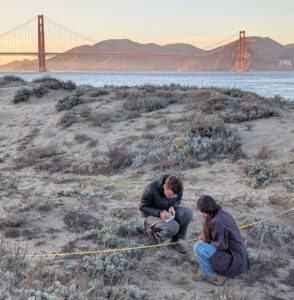
San Francisco State University students gather samples for a field methods class in the San Francisco Bay.

The School of the Environment offers a broad and integrated curriculum that reflects the shared mission of its faculty and programs. Students pursuing undergraduate majors gain a strong foundation in physical and human geography, in addition to field methods and geographic information science (GIS) and systems. These core skills equip students to understand environmental processes, helping them map change and analyze human–environment interactions. Graduate students have the option of specializing in geography, geographic information science, geosciences, or resource management and environmental planning.

These offerings are supported by the vast expertise of faculty across disciplines. Wide-ranging scholarly strengths range from physical geography and the use of technical programs to human-environment interactions. This includes food justice and urban agriculture, researching sustainable communities, green consumerism, and the politics of mobility.

A New School Built on Collaboration

In the years following the COVID-19 pandemic, the Dean brought together three units — the former Department of Geography and Environment, the Department of Earth and Climate Sciences, and the Environmental Studies program — to explore merging into a larger, more cohesive academic home. Andrew Oliphant, professor and School of the Environment co-director, shares the former schools’ shared curriculum, cross-listed classes, and overlapping student communities naturally evolved into what is now the School of the Environment, strengthening opportunities for interdisciplinary research, teaching, and collaboration.

With the formation of the new School, faculty intentionally centered equity, representation, and inclusivity in their mission. Their efforts include a range of initiatives: culturally responsive student support, reducing or eliminating course-related costs wherever possible, and expanding pathways into environmental careers for students from historically marginalized communities. As Oliphant notes: “One of our missions is to change the face of the professional world in California that’s managing and stewarding the environment.”

A Presence Across Campus and Beyond

While the School recently reorganized and renamed itself, department chair Andrew Oliphant notes that its reach extends far beyond environmental programs. Students from art, cinema, ethnic studies, biology, physics, and other departments enroll in its courses.

Through this broad academic footprint, students gain training in climate and environmental fundamentals and the necessary language and context for environmental advocacy. The skills taught in courses are applicable across scientific, creative, and civic fields.

A thriving student–alumni network speaks to the school’s deep commitment to mentorship and career support. Graduates contribute to the California workforce and beyond, including local and state governments, federal agencies such as the U.S. Environmental Protection Agency, and private companies and nonprofits such as East Bay Municipal Utility District (EBMUD). The school’s organically built internship network helps open doors for students who may not otherwise have access to such opportunities.
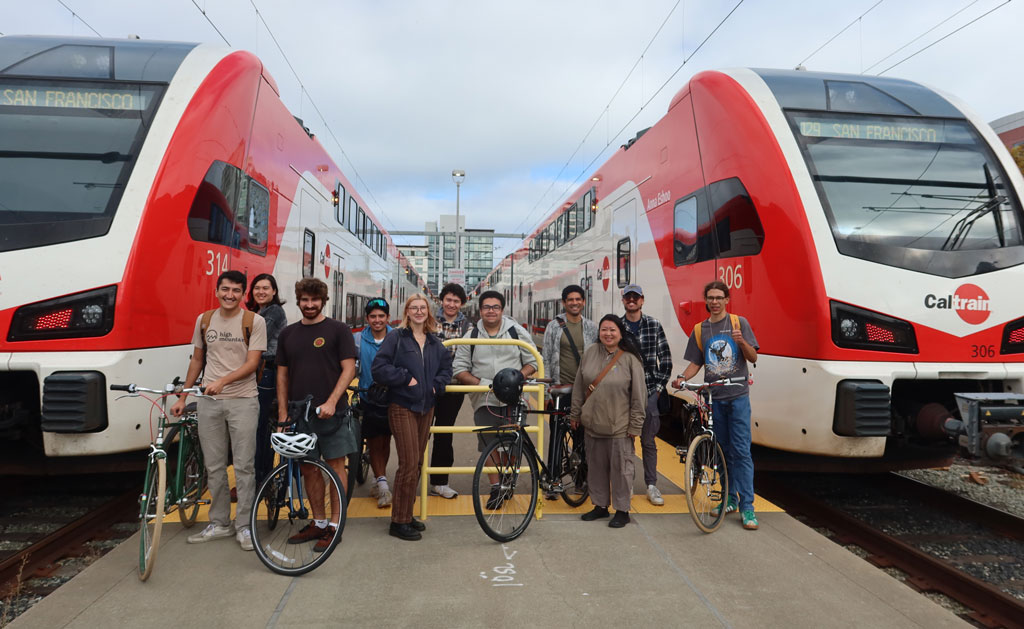
San Francisco State University students gather between two CalTrains for a transportation class field trip.


Preparing Students for a Changing World and Workforce

The school balances professional preparation with a deep commitment to the fundamental sciences. Students can begin to prepare for future steps to careers in environmental management, GIS, or planning; working with nonprofits in scientific research; or doctoral-level academic study.

Oliphant also emphasizes the importance of interdisciplinary training in an era of rapid technological change: “There will be geographers who lose work to AI … but the broad training we give — understanding biophysical processes, social structures, and the philosophies shaping our world — positions our students well in an AI-driven future.”

A prime resource for students includes participating in alternative learning spaces. For example, SFSU’s remote Sierra Nevada Field Campus offers summer field courses where teams of students and faculty spend a week immersed in research. The field campus also provides a location for locally centered research projects. Graduate students frequently use these field experiences to support their thesis work, and faculty encourage student employment on grant-funded research whenever possible.

One project, funded by the state of California, focuses on the restoration of Sierra Nevada Mountain meadows, which have long been degraded by agriculture, mining, and forestry. With numerous faculty who specialize in remote sensing and biogeography, collaboration with community partners such as the Mountain Maidu Consortium, whose Indigenous stewardship of these landscapes spans centuries, is essential. These partnerships represent the school’s holistic approach to environmental research: recognizing that complex spaces — like mountain meadows — cannot be understood through a single disciplinary lens.

When it comes to recounting student success, “it’s about the daughter of immigrant farm workers from the Salinas Valley, now working for the California Department of Food and Agriculture, advising farmers on healthy soil practices.” Oliphant goes on, “Or a recent graduate from the Pitt River Nation who’s working for the USGS, monitoring Northern California lands, part of his tribal community.” This kind of transformative student success is part of the reason SFSU was ranked 8th nationally for social mobility in 2024 by the U.S. News & World Report.
    Share

Department Profile: Geography and Geoinformation Sciences at George Mason University

The Geography and Geoinformation Sciences (GGS) Department at George Mason University is fortunate in its Fairfax, Virginia location, close to many professional opportunities in and around the nation’s capital. Anchored in the center of Northern Virginia’s geospatial intelligence hub, surrounded by federal headquarters like the National Geospatial-Intelligence Agency (NGA), US Geological Survey (USGS), and the National Oceanic and Atmospheric Administration (NOAA), as well as leaders in the private sector like Esri, Dewberry, and BAE Systems, GGS can also connect its students and alumni to local government agencies such as Fairfax County’s GIS and Mapping Services.

The department’s breadth is revealed in its name. “We are not the Department of Geography, but we are the Department of Geography and Geoformation Science,” says Dr. Deiter Pfoser, department chair and director of the Center for Geoscience. “So, there’s a huge distinction there … it sort of alludes to the quantitative sides [of the discipline].” Dr. Nathan Burtch, associate professor, undergraduate coordinator and associate chair, agrees.

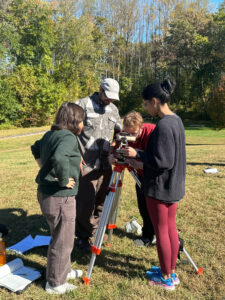
George Mason University GGS students gather data with a transit device to create contour maps of a local park in GGS as part of their Field Mapping class.
George Mason University GGS students gather data with a transit device to create contour maps of a local park in GGS as part of their field mapping class.

This emphasis on the quantitative is a major incentive of the program, as the majority of the department’s students are pursuing a Bachelor of Science degree and thinking about careers. Students pursuing a BS in geography can choose from concentrations in Geoinformatics, Geospatial Intelligence, and Urban Science, which are marketable and easily conceptualized by employers.

The department’s research initiatives, which have an annual expenditure of approximately six million dollars, largely trend around topics like artificial intelligence, computational analysis, and informatics. Students researching remote sensing have access to a collection of advanced drone remote-sensing equipment, including DJI drones and interchangeable sensors for environmental and infrastructural studies. Dr. Pfoser points out that the program emphasizes “not only geographical proximity to [many geospatial] agencies, but also work proximity.”

The university and the department’s faculty and leaders involve students in research as early into their academic journeys as possible. The College of Science’s Aspiring Scientists Summer Internship Program (ASSIP) has been active in providing high schoolers and undergraduate students the chance to engage in faculty-mentored research opportunities since 2019. The GGS department has eight prospective mentors for the 2026 session, tackling research interests like spatiotemporal computing, space weather, and food systems transformation. Dr. Pfoser expresses that “the idea is really to bring students closer to research as soon as we can,” to develop students into exemplary undergraduate, graduate, and PhD researchers.

Graduate degree offerings reinforce the department’s quantitative focus, with a master’s degree in Geoinformatics and Geospatial Intelligence. Undergraduate students interested in this degree, or the master’s in Geographic and Cartographic Sciences, can enroll in the Bachelor’s to Accelerated Master’s (BAM) Program and collect graduate credits in their final undergraduate semesters. In addition to offering accelerated, master’s, and doctorate pathways, the department also promotes a culture of lifelong learning by offering graduate certificates in GIS, Geospatial Intelligence, Environmental GIS and Biodiversity, and Remote Sensing and Image Processing. Executive education partnerships with local companies allow working professionals to advance their skills through the guidance of university course content.

An Interdisciplinary Approach to Quantitative Geography

“We’re a little bit more quantitative than the average,” says Dr. Burtch, “But we don’t ignore the cultural and the physical as well.” The GGS department’s Bachelor of Art’s geography program offers concentrations in environmental geography, health geography, geoanthropology, and urban planning. The professors teaching courses in this degree are consistently enthusiastic about their subjects, welcoming students to think critically and exercise real-world problem solving.

The department also values cross-disciplinary exploration. Undergraduate students can choose from a variety of elective courses that traverse neighboring disciplines. Associate professor and BAM advisor Dr. Christine Rosenfeld teaches Spatial Justice, for example, a geographic interrogation of unevenly distributed resources that results in social inequality. Dr. Maction Komwa teaches Geography of Resource Conservation, an analysis of the distribution and preservation of global resources. Dr. Burtch teaches Geography of Sport, purposefully integrating the discipline to reveal surprising explanations about the geography of the sports industry.

The strong sense of student community, accessible advising, and welcoming faculty make the GGS department at GMU an optimal learning environment for students of diverse education and career backgrounds. Standards for teaching excellence are maintained by routine faculty peer review, end-of-semester evaluations, and course modality surveys. The department uses this feedback to support their mindset of “perpetual change” and implement improvements to keep up with the ever-evolving scene of higher education.

Diversity is a big part of George Mason’s identity as an institution, as it is one of the most ethnically and economically diverse schools in Virginia. Dr. Pfoser highlighted the disciplinary diversity of the department by noting that only about half of its faculty are geographers by training. In addition to the interdisciplinary course offerings, the department offers diverse teaching perspectives from career computer scientists, hydrological engineers, environmental geographers, and data scientists. This combination of curriculum, teaching, and student diversity creates classroom environments suited for positive learning experiences.

    Share

Program Profile: University of Wisconsin, Eau Claire – Department of Geography & Anthropology

In 2024, AAG recognized the Department of Geography and Anthropology at the University of Wisconsin at Eau Claire (UWEC) with the AAG Award for Bachelor Program Excellence. We asked Ryan Weichelt, a UWEC alumnus and current department chair, what makes the program stand out. He shares three key reasons how the department continues to evolve and meet the needs of the students, workforce, and discipline: promotion of geography and collegiality across campus, pursuit of scholarship, and excellence in instruction.

Cross-Campus Collaboration

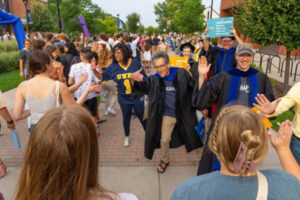
Drs. Faulkner and Hilgendorf greeting 1st year students on the first day of classes at UWEC.

In 2014, the Department of Geography and Anthropology developed the Geospatial Analysis and Technology major to integrate geospatial technologies across disciplines in direct cooperation with public and private stakeholders, highlighted in a publication by Esri Press “Extending Into STEM: The Geospatial Education Initiative.” The major quickly gained momentum.

During this period, the department began to partner closely with the university to become a hub for geospatial technology and expand its reach into various programs on campus, including biology, computer science, and data science. Geospatial technology has distinguished the department on campus ever since, and facilitates significant research opportunities. For instance, faculty and students have collaborated with Hewlett Packard Enterprise (HPE) to leverage geospatial technologies in understanding and improving healthcare across the country. The interdisciplinary nature of these technologies “has shown how geography can play a role in understanding healthcare and making [it] available for more people,” says Dr. Weichelt.

While the department’s largest major is environmental studies, the geospatial program has driven numerous cross-campus collaborations. Biology and geology students frequently enroll in numerous certificate programs, leading to new majors and fostering a collaborative academic environment. The geospatial technology program has opened doors for interdisciplinary research and attracted new students who wish to work in archaeology, climate science, resource planning, or conservation.

Pursuit of Scholarship: “Geography is Everything”

The department offers a diverse range of classes and Liberal Education (LE) core components, akin to General Education in other institutions. Dr. Weichelt expresses the department’s pride in the breadth of curriculum, encompassing physical geography, technology, and cultural studies. The versatility of courses enables staff and students to provide extensive service to the university, supporting its growth and attracting prospective majors.

This commitment to geography as an all-encompassing discipline underscores the departmental belief that “geography is everything.”

Cross-campus collaboration also attracts new students, supporting other department efforts, such as incorporating GIS into non-geospatial classes, and renaming introductory classes to clarify that they belong to a series: “Planet Earth, Human Geography,” “Planet Earth, Physical Geography,” “Planet Earth, Cultural Geography,” and so on. Equipped with three state-of-the-art computer labs, the department can offer students a state-of-the-art computing experience, with support from alumni grants and donations and the university, which provides geospatial lab modernization funds every two years. Students across the university can access these dedicated spaces to get direct experience with remote sensing, GIS, and other geospatial tools.

Fieldwork is also a critical component of UWEC’s curriculum.  “Many of our classes require field components, not just the physical geography classes, [but also] those like tourism geographies, urban geographies, and Indigenous geographies courses,” says Dr. Weichelt.

Students have field work opportunities with their professors in the United States, internationally, or remotely. Dr. Harry Jol, for example, conducts ground-penetrating radar (GPR) research globally and recently took students to Lithuania to study Holocaust sites. Dr. Douglas Faulkner, a fluvial geomorphologist and recipient of the 2019 Gilbert Grosvenor Award, brings students to local rivers like the Chippewa, Eau Claire, and Red Cedar Rivers. Dr. Papia Rozario collaborates with colleagues across the U.S. on remote sensing and AI research, analyzing precision agriculture data obtained with drones.


A standout course, Geography 368, mandates 7 to 12-day field expeditions for all students. Even during the COVID-19 campus closures, students in the course adapted by researching sustainable city exploration via bicycles. Students also must complete 30 hours of community service before graduation. The geography club’s “Missing Maps” program allows students to apply their geospatial skills while fulfilling this requirement, making meaningful contributions to communities across the globe.

Excellence in Instruction: Strengthening Department Culture

Dr. Weichelt praises the numerous younger faculty members the department has hired in recent years. They help to foster a more cohesive and collaborative environment, enhancing the program’s longstanding tradition and continuously updating curriculum to address Justice, Equity, Diversity, and Inclusion (JEDI) issues, particularly how geographers and geography can contribute to solving these critical questions. This is upheld by an Anti-Racist Statement wrote and approved in 2020, in addition to the University’s EDI Goals.

As the state grapples with challenges to campus justice and equity initiatives, the department is using scholarships to help bridge gaps for diverse students, while adhering to new state regulations. For example, six first-year students interested in majoring in geography are eligible to apply for the George Simpson Incoming Student Scholarship, ranging from $1,000 up to $1,500.

Faculty are active in campus organizations and programs that advocate for diversity and inclusion such as the Race, Ethnicity, Gender, and Sexuality Program and American Indian Studies. This commitment to inclusivity and support is mirrored in the department’s vibrant student life. From a strong geography club, welcome parties and celebrations, mentorship opportunities, and speaker series presentations, connecting with students “always been a tradition here.” The level of attention to maintaining and strengthening the department culture in turn strengthens the discipline and future geographers.

UW Eau Claire’s Department of Geography and Anthropology exemplifies excellence not only through its award-winning programs but also through its dedication to student success and inclusivity. By fostering a supportive and dynamic environment, the department ensures that its graduates are well-prepared to tackle the challenges of the modern world, making significant contributions to the field of geography and beyond.

    Share

Julia Rose Dowell

By Emily Frisan

Education: Master’s in Geography, California State University, Long Beach; Bachelor of Science in Environmental Science and Policy, California State University, Long Beach

Past Experiences: Adjunct Professor, Chabot College; Field Investigator and Community Advocate. San Francisco Baykeeper; Community Organizer and Policy Advocate, Greenaction for Health and Environmental Justice


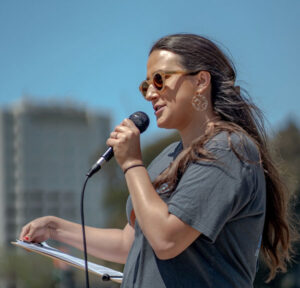
Julia Rose Dowell speaks into a microphone during a public eventGeography was always there, just out of sight for Julia Dowell. Growing up in Long Beach, California, she was aware of the impacts of industrial, gas plants, and high-traffic arterial concentrated in the backyard of marginalized communities. “With my background, if I was going to do anything with my life, it had to be using environmental science and policy to right these wrongs. Studying geography and bringing in all those concepts was the best way for me to be able to do that kind of work.”
Dowell’s commitment to a career in geography began during her last semester as an undergraduate at Cal State Long Beach. She enrolled in “International Environmental Issues,” a geography class centered on justice as the central piece to the environmental movement.

This first direct encounter with the discipline helped focus Dowell’s dedication to environmental justice on concepts of place and people, connecting the impacts of environmental pollution and climate change to people’s lives. This, in turn, has led her to activism through her role at the Sierra Club.

Dowell’s current campaign at the Sierra Club is dedicated to shutting down power plants across the state of California, specifically nearby vulnerable communities on the frontlines of the growing impacts of pollution and climate change.

“I feel like I use my geography skills every day in my current job. I took a lot of human geography courses in my masters – that was really the emphasis. I took a lot of courses on social justice and the sociospatial dialectic: how humans impact their environment and how in turn our environment impacts us. I pull in both physical science and social science, which geography sits perfectly in the middle of.”

“I’m a firm believer that geography touches every aspect of our lives and every discipline. Explore the possibilities because I really believe if you study geography, you can do anything.”


Interpreting Maps for Advocacy

“The two tenets behind the work I’m doing right now are one, to combat climate change and two, to protect communities. Both of those goals involve skills that I learned in geography. I’m always looking at geographical data: Where are these power plants? What communities are they near? What are the cumulative impacts to these communities?”

Although Dowell doesn’t create maps, her skills in interpreting and analyzing maps inform her advocacy work. She explains, “For example, there’s a statewide map called ‘CalEnviroScreen,’ and it shows the different environmental impacts in every census tract in the state. I’ll use that data overlaid with power plant data to look at which communities are most impacted.”

Gaining Expertise on the Job

The most important skill that Dowell did not obtain through school is community organizing experience. “Community organizing is really all about creating relationships with folks in impacted communities and also with other organizations that have similar goals,” Dowell explains. “I owe a lot of this experience to my first organizing job, which was at a small nonprofit called Greenaction for Health and Environmental Justice. I did a lot of organizing around toxic sites in the Bay Area.”

In addition to organizing actions and protests, the exposure, “created my confidence and built up my skill set as an advocate, which today I use to advocate to state agencies and local community advocacy. That’s something you don’t typically use or learn in an academic setting. So, it’s something that I very much learned by doing. Getting into nonprofit work was how I gained that experience. I didn’t get the chance to take a ton of environmental justice courses in either of my programs, though it was embedded in some of the courses.”

From Interest to Advocacy: The Path to Environmental Justice

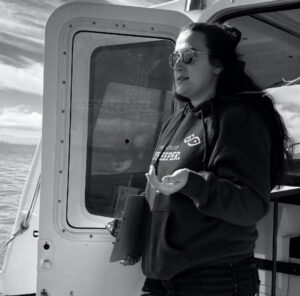
Julia Rose Dowell standing in a ship bulkhead during her work with San Francisco Baykeeper as a field investigatorIn Dowell’s previous job at environmental nonprofit, the San Francisco Baykeeper as a Field Investigator, she travelled across the San Francisco Bay Area to investigate pollution incidents such as illegal dumping or runoff, based on tips called into a hotline. Now in her current role, “it’s more about working with communities that are right next to or near power plants, [asking] the question of, ‘who’s impacting the environment’, and then ‘who’s being impacted by this pollution’. Often those are not the same people.”
Dowell’s work as an environmental geographer engages with questions of power: “Those who have the resources, those who are responsible for the climate crisis, often have the resources to insulate themselves from the impacts. By working to shut down power plants, we’re working to protect communities that have been historically at the front lines of pollution and are starting to be at the front lines of climate change impacts.”

“I feel fortunate that I get to work on these very important issues every day. I often advocate to agencies for policies that incorporate equity as we are moving towards a statewide and national scene of trying to combat climate change.”

Advice for Students

“As one of the biggest environmental nonprofits, I felt like I could make the most change somewhere like that [Sierra Club].”

As a student Dowell was advised by professionals that finding a job in the field would be difficult. Through gaining experience in more local nonprofits, she was then able to expand her work to focus on statewide issues at one of the largest environmental nonprofits, Sierra Club. “This is a field that is growing, especially with environmental issues, like climate change coming to the forefront. Don’t get discouraged – a career in advocacy and justice-oriented work is possible.”


Learn more about what a degree in geography can do for you by reading more AAG Career Profiles and discover the resources we offer for your professional development journey.

    Share

Victor Gregor Limon

By Emily Frisan

Education: Master’s in Urban & Regional Planning, University of Hawai‘i at Manoa, Bachelor of Science in Geography, University of the Philippines, Diliman

Past Experiences: GIS Analyst, Ecological Determinants Lab at the University of Hawai‘i at Manoa; Cartographer, An Atlas of West Maui; Technical Staff, National Anti-Poverty Commission, Republic of the Philippines

Researching Unique Spatialities

Victor Gregor Limon got his start in data analysis, after graduating from his undergraduate degree in the Philippines. Working with the country’s National Anti-Poverty Commission, he helped inform poverty reduction policies, measures, and strategies at the national level. Throughout his master’s program at the University of Hawai’i at Manoa, Limon worked in the Ecological Determinants Lab as a GIS Analyst to evaluate the County of Honolulu’s “Housing First” program. His work evaluating data informed the organization to identify opportunities which “allowed homeless individuals to receive housing without requiring them to go through honors, like requirements or processes, and just housing them first because that’s what they need.” Now Limon’s research in the lab encompasses evaluating social and built environments, local policies, and cultural influences on the health and well-being of adolescents and adults.

His experience working with the city and county offered Limon experience in municipal government, which opened up an opportunity for him to join the Office of Climate Change, Sustainability, and Resiliency of the City and County of Honolulu as a data analyst. He now provides support to Honolulu’s energy, adaptation, hazard mitigation, and policy programs, while maintaining its Annual Sustainability Report, greenhouse gas inventory, tree plantings map, and other data resources.

Climate change’s impacts vary by place and neighborhood, says Limon. In Hawaii, especially, there are many microclimates, and spatial variations can be very marked, with wild contrasts: “It’s important to figure out that the climate impacts vary by place and the people who live in those places.”


Finding Oneself in Geography

Whether working with climate or health data, Limon’s work acknowledges how “not all places and not all groups of people are the same.” His master’s thesis examined the spatial variation of COVID-19 prevalence and infection rates, focused on the pandemic’s impact on Native Hawaiians and residents of Honolulu. Historical, long-standing inequalities have disrupted the ability to obtain reliable and targeted public health data on Native Hawaiians and Pacific Islanders, but “geography was very useful in figuring out why certain places, certain groups of people are more vulnerable than others. Geography was really the perfect tool to answer that question.”

When considering what else his future could hold, Limon doesn’t know what he would have been if he hadn’t discovered geography. “I would have been a totally different person with totally different skills, and I would have qualified for a totally different job,” he said. “Geography was instrumental in giving me the skills to figure out why there are changes. Why places are different. Why people are different and figuring out what causes those differences.”

Learn more about what a degree in geography can do for you by reading more AAG Career Profiles and discover the resources we offer for your professional development journey.

    Share

Arvind Bhuta

By Emily Frisan

Education and Certificates: B.S. Zoology, B.S. Environmental Science, B.A. Geography from Auburn University; M.S. Geography, Ph.D. Geospatial and Environmental Analysis from Virginia Tech; Postdoctoral Fellowship in Forestry at Clemson University; Certified GIS Professional (GISP) and a certified Senior Ecologist through the Ecological Society of America. 

At the U.S. Department of Agriculture Forest Service, Arvind Bhuta works in the State, Private, and Tribal Forestry program to enhance and maintain healthy ecosystems and watersheds. His specific work in the Cooperative Forestry unit is to address landscapes that are outside of what he refers to as “The Green:” the national forests managed by the Forest Service. He specifically works in rural landscapes under the Landowner Assistance department, assisting program managers with geospatial and tabular reporting and data analysis. Bhuta’s training as a geographer brings a valuable perspective to this work: “Thinking about space and place and how different states operate in maintaining those forests is important from a geographical perspective because it helps bring context.”

“I accidentally fell into GIS and then from [there], that was a Pandora’s box into learning about the discipline.”


Geographic Inquiry

The discipline of geography was not immediately obvious or available to Bhuta, but luckily, he happened to be in the right place, at the right time. “When I was a biology major, I found out about GIS. This was the late 90s, and I was very intrigued about what GIS had to offer because obviously biology or ecology wasn’t really doing any of those things.”

Throughout his wide-ranging educational experiences, this inquiry instantly hooked him “to what geography had to offer as a discipline and not really [previously] knowing that it was a major, I could pursue as a career opportunity.” Bringing together biology with elements of human and physical geography helped Bhuta shape and share his professional worldview, future interests, and successes.


Early Opportunities and Exposure

Aligning with the U.S. Forest Service’s mission to protect, balance, and manage natural resources, Bhuta emphasizes how his education in geography has allowed him to think critically and take a holistic approach to the work he does when working with people and programs. In addition to his extensive education, he has gained skills on–the–job through training in past and current positions that he’s held. Whether working in the public, private, or nonprofit sector, Bhuta says, “there will always be challenges to a job that academic training will not prepare you for. More than likely, you’ll get to experience it when and after you get hired.”

Early opportunities exposed Bhuta to a vast array of professional experiences. Early on, he lived in the Everglades National Park as a GIS technician field mapping the endangered Cape Sable Seaside Sparrow. For two years after, he chased gopher tortoises in the field using GPS, radio telemetry units, and cameras to track their population and interactions across different habitats. His first experience as a federal employee as a summer intern at the U.S. Environmental Protection Agency and later as an intern with the U.S. Army Corps of Engineers, exposed him to the world of careers within these agencies.

For those interested in working within the federal government, various opportunities such as internships to fellowships can give young geographers an opportunity to advance their professional journeys. Within the Forest Service, the Research Assistant program allows individuals to come into the agency noncompetitively, which enables some of them to be appointed to federal positions without competing with the general public. Bhuta also suggests networking with people within these agencies who have backgrounds in geography, which can open doors for students. For example, at the 2023 Annual Meeting, Bhuta met with students and young professionals to discuss techniques and answers questions on how to navigate the federal career path: “That’s a great opportunity to network with people who work in the federal government and ask questions like, ‘what do I need to do’ in terms of course work, internships, or other jobs to get my foot in the door to work in the [sector].”

Learn more about what a degree in geography can do for you by reading more AAG Career Profiles and discover the resources we offer for your professional development journey.

    Share

Program Profile: University of Hawaiʻi, Mānoa

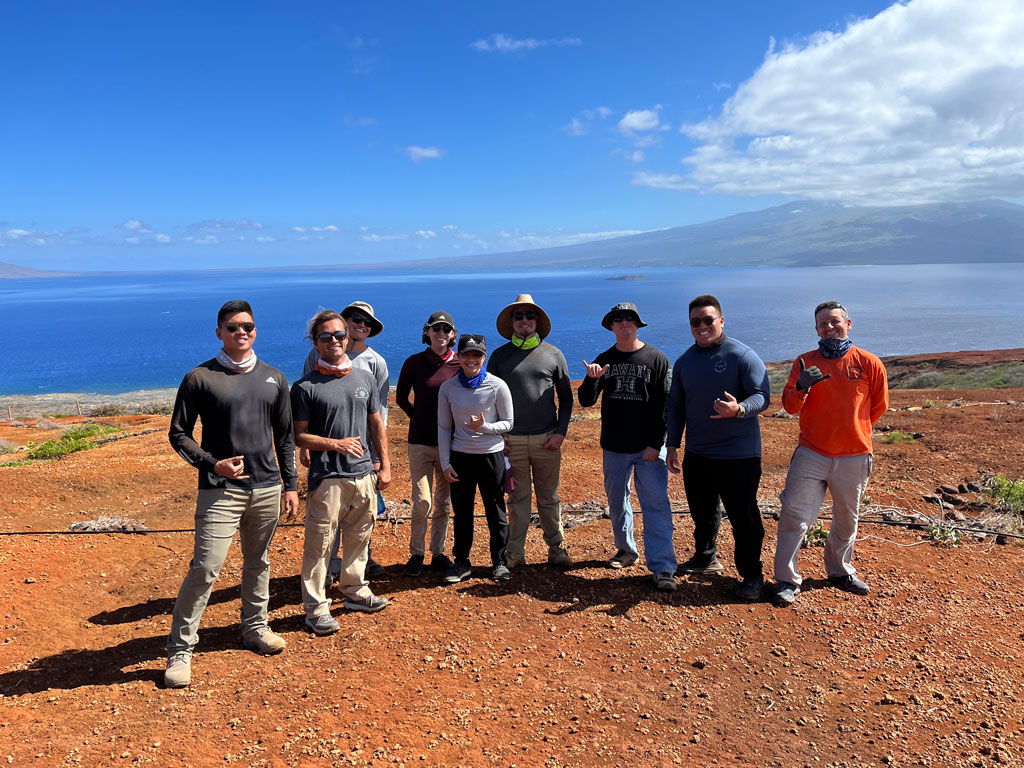
University of Hawai‘i Manoa GEO department students and faculty pose for a photo in the field on Kaho'olawe (Courtesy David Beilman)
University of Hawai‘i Manoa GEO department students and faculty pose for a photo in the field on Kaho'olawe. (Courtesy David Beilman)

During the 2024 Annual Meeting, AAG staff sat down for an interview with Reece Jones, professor and chair of the Department of Geography and Environment in University of Hawaiʻi at Mānoa’s College of Social Sciences. The Department of Geography and Environment (GEO) is a vibrant academic community that focuses on global change and its local impacts on humans and the environment. Faculty and students pursue work that is inherently interdisciplinary, making various connections through other departments and units on campus. Many of GEO’s student and faculty research centers around Asia and the Pacific.

From political geographers to GIS specialists and environmental scientists, the breadth of faculty and course work offers undergraduates the chance to gain a holistic understanding of the discipline and do the necessary fieldwork or research to pursue career opportunities. GEO also offers world-class coursework and applied geographic research under two advanced degrees, a Master of Arts and a Doctor of Philosophy. Students of all levels engage in research on topics ranging from agriculture and food, climate change, and environmental conservation to geopolitics, geospatial sciences and data analytics, and tourism.  The department also offers a popular new certificate in GIS for undergraduate students in any program.

GEO partners with departments across the university to offer an accelerated, interdisciplinary online degree in Social Sciences of Oceans, with applications for resource management, city planning, community organizing, environmental consulting, and policy analysis. Similarly, a flexible Graduate Ocean Policy Certificate is available for students or working professionals through the department to broaden their understanding of the legal, political, economic, and social forces that affect ocean development activities.

Collaboration and Community

UH-Mānoa strives to create a community-minded environment: “We try to do our best to have kind of a collaborative relationship between graduate students and faculty so that they feel like they’re colleagues in a way [and] part of this kind of endeavor to do their research and carry out their projects.”

Jones offers the example of GEO professor Camilo Mora, whose graduate seminar is far from a typical semester seminar experience. Students collaboratively brainstorm a major question they want to answer at the beginning of the semester, then do the research and analysis together that results in a joint publication with Dr. Mora. “Major publications have come out of that class,” Jones states. “Camilo has done a really good job of bringing students into this research project and work together with them to produce very significant articles.”

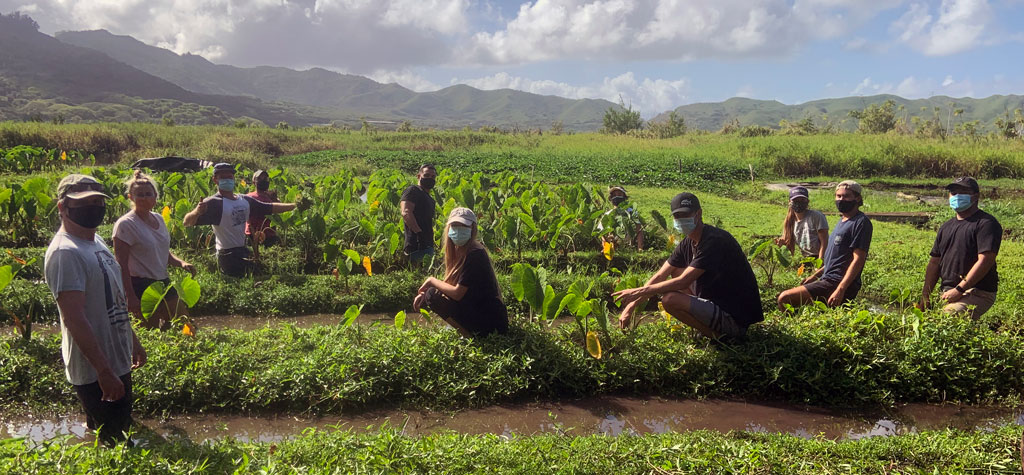
University of Hawai‘i Manoa GEO department students and faculty participate in community work day in a lo'i. (Courtesy David Beilman)
University of Hawai‘i Manoa GEO department students and faculty participate in community work day in a lo’i. (Courtesy David Beilman)

Program faculty incorporate professional development skills directly into coursework. Incoming graduate students participate in a mentoring program to prepare for developing and maintaining crucial professional development skills in hopes of answering questions such as “How do you go to a conference? How do you present a paper at a conference? How do you publish a journal article? How does the academic job market work? How do you get a non-academic job?”


Care for the Land

The University of Hawai‘i has a focus on being a Native Hawaiian (Kānaka Maoli) place of learning, “bringing in Native Hawaiian thought, indigenous thought and experiences into the way that we do things,” says Jones. GEO faculty work to integrate Native Hawaiian thought and knowledge into teaching, even if that’s not central to their research focus.

In Hawai‘i, Native Hawaiian concepts are important to the way that people see the world. One often integrated into education programs is “Mālama ʻĀina,” or to care for and honor the land. “For Native Hawaiians, the land is an ancestor. That way of seeing the world is to recognize the relationship between people and the environment, and not to think of them as separate, but rather as integrated and dependent upon each other,” Jones states. “And geography as a discipline, that’s exactly what it aspires to do.”

Taken together, the educational experiences made possible by GEO at UH-Mānoa have prepared graduates for careers in academia, government service, NGOs, and the private sector in Hawaiʻi and worldwide. GEO has provided alumni with the skills to shape new (and traditional) ways of caring for the earth and human societies. For example, several graduates are now faculty in the Hawai‘inuiākea School of Hawaiian Knowledge, the only college of Indigenous knowledge in a Research I institution in the United States.

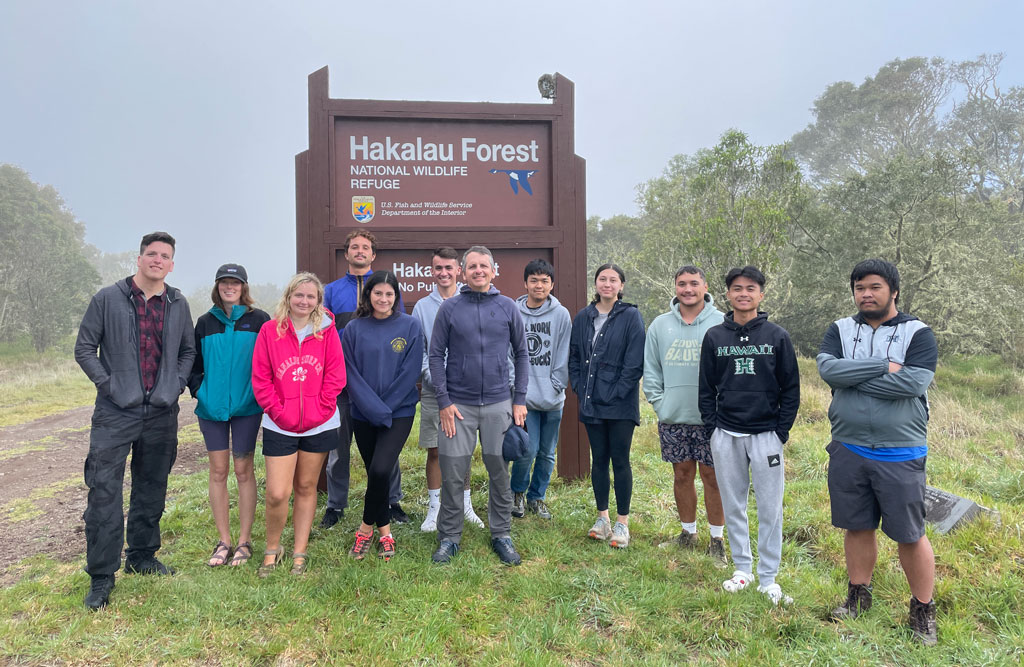
University of Hawai‘i Manoa GEO department students and faculty stop to pose for a photo at at Hakalau Forest National Wildlife Refuge, near Hilo, Hawai'i. (Courtesy David Beilman)
University of Hawai‘i Manoa GEO department students and faculty stop to pose for a photo at at Hakalau Forest National Wildlife Refuge, near Hilo, Hawai’i. (Courtesy David Beilman)


    Share

Grant Rodriguez Almani

By Emily Frisan

Meet Grant Rodriguez Amlani, a dedicated advocate for environmental justice and a strategic recruitment coordinator who has honed his expertise in environmental issues, waste management, and the pursuit of a circular economy.

Education: M.A. in Sustainability & Development (Southern Methodist University), B.S. in geography with minors in mathematics and Spanish (University of North Texas), A.A. in general studies (University of Arkansas at Little Rock).

Professional accolades include Circularity23 Emerging Leader, a 2022 Clinton Global Initiative University Fellow, and an Envision Sustainability Professional (ENV SP).

Describe your career path up to your current position, including the range of tasks and responsibilities you oversee.  

I graduated in May 2020, which is one of the worst times to graduate, regardless of what your major was. I’d always known I wanted to go into an environmental or sustainability kind of field. Those opportunities got lost, and there were hiring freezes. I went to interviews and then everything fizzled out, which was not unique to environmental work. Everybody kind of dealt with that.

I found my current job by nature of putting myself out there and networking in Dallas. The sustainability circles are close-knit, so once you start going out there and meeting people, it lends itself well to networking and whatnot.

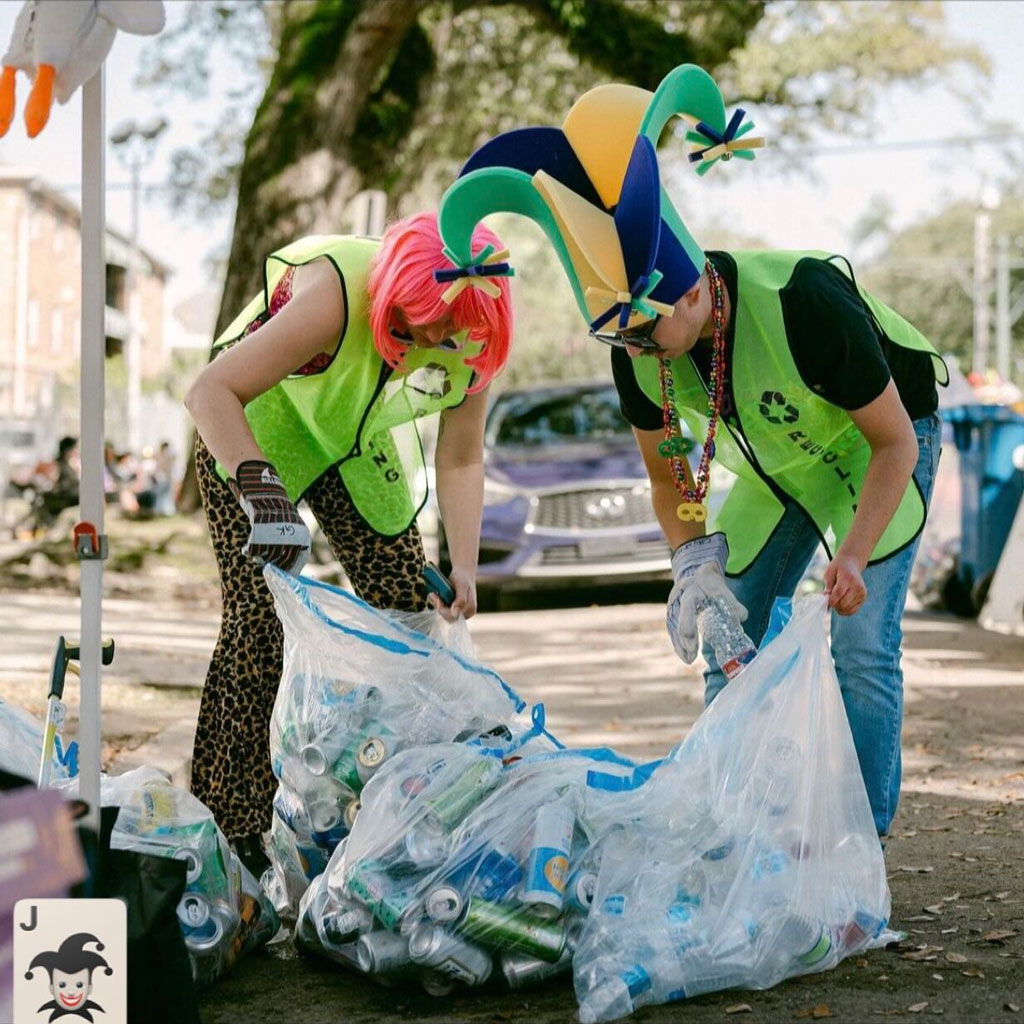
Grant Rodriguez Almani and a colleague participate in a recycling cleanup while dressed in humorous costumes. Credit: Katie Sikora
Grant Rodriguez Almani and a colleague participate in a recycling cleanup. Credit: Katie Sikora

Now, I’m the environmental justice and recruitment coordinator of the U.S. Plastics Pact. Most of my focus is on sustainability, such as waste and recycling. The way it works is we have over 130 member organizations — we call them Activators. These range from cities like the City of Austin or Seattle, to Fortune 500 companies like Walmart, or L’Oreal, or ALDI, or Target, and everybody in between. Anybody that touches plastic packaging in the chain, whether they sell it, make it, or collect it at the end of its life, as well as other nonprofits, also engage.

My role is twofold. The recruitment piece is talking to potential organizations about participating in our work, and then the environmental justice piece is figuring out where environmental justice fits into a just transition to a circular economy for plastics packaging. In the work of sustainability and the circular economy, the justice and equity pieces tend to have been kind of shoehorned in at the end or after the fact. I’m really trying to challenge people to think about that in the design process: the products, the systems, the collection, and what kind of jobs are available.

What geographic knowledge is important and most useful for you in this position?

Something interesting that I’ve seen is that in the corporate sustainability world not everybody has a strong science or geography background. It might be somebody with a business or English degree, which is fine, but it [a degree in geography] helps to have that environmental understanding of how things like climate or ecosystems work and breaking those things down for society and communities.

Separately too are the human-environment interactions. Geography helps us to talk about how people interact to the environment, how people value things. For me, it’s translating that to say, ‘How are people approaching recycling’, ‘How do they think about reuse systems.’ I’m kind of allowing that geography foundation to level up.

When you look back at your education trajectory, how did you discover geography? How did you realize that it connects with your aspirations and your goals in life, maybe as an individual but also as a professional?

I had a winding path in undergrad. I started in construction engineering, then civil engineering, and then kind of just bounced around. I also transferred schools three times. I was at the University of Arkansas and then I was at the University of Arkansas at Little Rock. It was there that, well, I was kind of like, ‘OK, I want to do environmental science.’

It took me five years to graduate and in my fourth year, I took my first geography class with Jess Porter, professor of geography at UA, Little Rock. Unfortunately, they [UA, Little Rock] didn’t have a full program, they just had the minor, so I ended up transferring back home to the Dallas-Fort Worth area, went to the University of North Texas, and finished out my geography major there.

Geography was never on my radar at all. I thought, ‘OK, it’s just maps and GIS’ and then realized, ‘oh, there’s actually a lot more to it.’ It was the perfect fit for what I needed.”


Are there any skills or information that you use for your work that you didn’t obtain through your academic training? If so, how and where did you obtain that?

I feel like there’s a lot that you learn on the job. Even though my first job wasn’t necessarily geography or sustainability focused, there are lots of skills that transfer like emailing, etiquette, and this whole world of virtual work, you know, in a COVID world, learning all of that. You just have to learn by doing.

The other essential thing was not boxing myself in. A lot of geography majors sometimes get this idea of, ‘I only took these classes, so I can only go do this job,’ when in reality, there’s so much you can do and so much you can learn. Even though you didn’t maybe learn it in a classroom, you can still put yourself out there and try to learn it now.

There’s like a lot of different pathways you can go, and the world is your oyster.”


What advice do you have for geography students and other early career professionals interested in a job like yours?

For this job, I probably wouldn’t have been aware of it. I put myself out there and networked with people, connected with them on LinkedIn, and then they happened to post about this job. So don’t be afraid to go talk to people, even if you may not know them. You should still talk to people with a genuine approach and friendliness, not just because they’re going to help you level up in your career.

Don’t be afraid to apply to jobs that don’t explicitly call out geography. If you’re scared about the experience and those types of things, I never had an internship. It’s doable without one. You can supplement that with the kind of story that you can tell about your journey and how you had your experience. Trying to go for volunteering, engaging on campus and organizations, or leading efforts in your community to gain leadership skills is also great. Just put yourself out there.

Learn more about what a degree in geography can do for you by reading more AAG Career Profiles and discover the resources we offer for your professional development journey.

    Share

Brooke Hatcher

By Emily Frisan

Since childhood, Brooke Hatcher has been fascinated with climatology. Growing up on a horse farm in the Blue Ridge Mountains shaped her love for earth, nature, and weather. Now as a geospatial/remote sensing lead, she measures changes on Earth and brings visualizations from data to life. From her job as a senior geospatial analyst at New Light Technologies to her volunteer storytelling work with URISA as vice chair of outreach, or her recognition by Geospatial World as a Young Geospatial Professional to Watch in 2024, Hatcher credits her positive experience in the industry to the examples of powerful women in the field, including her first professional mentors at MAXAR Catherine Ipsan and Amanda Monse, who showed her that she, too, can “become a master in this field.”

Hatcher discovered her passion for geospatial information systems in an undergraduate geography course. “Being able to visualize patterns and spatial analysis, like seeing the charts over time of rain gauges, was seeing nature in a new way,” she says.


Educational journey in and beyond the classroom

Hatcher received her undergraduate degree in geography from the University of Mary Washington. Like many geographers, she stumbled upon the discipline almost by coincidence. She excelled in history during high school but hesitated to pursue a career in the subject because she was unsure about potential job prospects. She began her undergraduate degree as a biology major but soon realized a career in the lab wasn’t suitable, either.

Hatcher began her professional career creating digital nautical charts for Leidos, which opened the world to features humans can’t see with our eyes, like hydrolines and ocean depth. Following her experience at Leidos, an opportunity opened at MAXAR where Hatcher would go on to create global products for clients, such as the National Geospatial Intelligence Agency. This was the first time she began to gain experience in Landsat and Sentinel 2.

“You’re seeing the ocean in a whole new way,” Hatcher explained. “It was really beautiful to have my first job working on digital nautical charts, then working at MAXAR with land cover and creating remote sensing products with five-meter resolution.”

After gaining a few years of professional experience, Hatcher decided to pursue her master’s degree in geography. After considering her options, she got her degree online at North Carolina State.

As a geospatial engineering consultant, Hatcher continues to learn and keeps up with the latest news and information in the industry. In her professional career, she continues to read peer-reviewed papers and professional blogs and consult tutorials on platforms like YouTube and Udemy.

From Local to Global: How Geography and Opportunities Expands Horizons

Hatcher’s career is focused on developing geospatial solutions and products for disaster response with FEMA and World Bank, working on predictive damage assessments, assessing the potential impact on communities and critical infrastructure, and sharing disaster geospatial data through interagency communication efforts. As a geospatial analyst and a geographer, Hatcher’s jobs involve collaborating with other experts in many other areas, including glaciology, meteorology, paleotempestology (the study of hurricanes), and specialization in biohazards.

The resulting collaborations are mutually beneficial. Geographers “need to know that information… [and] we help work with them to make their vision come to life. We’re translating for them by creating maps,” Hatcher states.

Specifically, FEMA hired Hatcher for remote sensing and image processing, creating products to assist during disasters. Remote sensing techniques can penetrate hurricanes or wildfire smoke to extract information about structures that have been damaged.

“It was so rad,” Hatcher recalls. “It reflects geography in a beautiful way.”

In her latest role at New Light Technologies, Hatcher frequently works with user interfaces (UI) and user experience (UX) to build web applications that help clients understand the community’s profile, such as which areas are going to be most vulnerable, and who are at the most risk of disasters. She explains, “We need to really make sure that the final product is visualized to a specific community, playing into the history and culture, so that it respects the community, and they understand it enough to feel comfortable giving feedback.”

Beyond the Map: Community Impact

Beyond technical skills, important geographic skills include being able to conduct and analyze qualitative and quantitative data. “We don’t always need maps,” she states. “The reason why we need some maps is because we can’t see anything when people are dying, or buildings are being destroyed.”

Therefore, even when making predictive risk products, qualitative skills are important to understand the ability to organize various types of data, understand the importance of scales, whether there are invisible boundaries, which ones take priority, and how this affects the results of the map or product. It’s essential to have a deep understanding of community demographics and vulnerability.

“After doing this for five or six years, I am convinced more than ever, the most effective data is at the community level. We can work globally, but it just strips so much quality and quantity of data. Also, when reporting or responding to a disaster at the community level, there is passion associated with it because that’s your home.”

Being a geographer, Hatcher finds it fascinating to understand why certain geographies are so unique in the world, and how they have shaped rare communities throughout history. “It is important to preserve these unique geographic properties, even outside of my job. I am passionate about creative traveling and exploring these unique places.”

From the Pacific Northwest, Cascades, or the nation’s capital, Hatcher hopes to use her geospatial and web design skills to inspire women to take risks, explore the world, and “make geography hip.” Although her goals are constantly changing, she is dedicated to finding her purpose, and path, and is passionate about capturing the stories, art, culture, problems, and risks of the small and unique communities.

Learn more about what a degree in geography can do for you by reading more AAG Career Profiles and discover the resources we offer for your professional development journey.

    Share

Judith Keller

By Mikelle Benfield

AAG Summer 2023 Intern, Annie Liu, sat down with Judith Keller to find out more about what it’s like to have a career as a geographer in academia. For Dr. Keller, this wasn’t even an initial consideration, but it’s become a fulfilling career path. Read more to learn how Dr. Keller has navigated (and is still navigating) academia as a professional geographer, from her inspirations to her current research, to her advice on whether or not to pursue a PhD.

How would you describe your current position and the primary responsibilities associated with it? 

“I’m a postdoctoral researcher at the geography department at Heidelberg University and at the Heidelberg Center for American Studies, and I’m currently at the very beginning of my postdoc. I’m still figuring out this new role, but I can say that my main focus is on research and writing. I’m not obliged to teach, but I usually teach one class per semester because it’s just something that I enjoy doing. And then there’s always small things happening at the department and in our program where I’m involved in organizing different little events, where we invite guest speakers, things like that.

“I also do science communication every now and then. I’ve been in podcasts. I’ve published some work with The Conversation, which is an online news outlet for academics. And then here in Heidelberg we’ve also done tours on Urban Development for school kids and various groups. I’m also an editor with the Radical Housing Journal.”

Can you talk a little bit more about your research interests and what you’re researching in particular right now? 

“I’m an urban geographer and my main focus is on housing and housing development. I’m particularly interested in looking at how people’s housing biographies influence their political biographies and tracing their ways into housing activism. That’s what I hope to do or focus more on during my postdoc: to have sort of a political ethnography of housing rights movements.”

When you say “biography,” what are you meaning by that?

“There is the term ‘housing biography,’ which is basically tracing people’s movements through time. At certain life stages, they’re more likely to live in certain housing situations than in others. Like, as a student, you might share an apartment. Later in life, you might settle down, invest in real estate, things like that. We can trace those movements. But there are also certain ruptures within that housing biography because of displacements, evictions, or foreclosures. I want to look at what happens when there is such a break. What does it do to people’s political biography and to their sense of home and belonging and ontological security?”

When you look back at your education trajectory, how did you discover geography and how did you realize it connected with your passions and goals?

“It definitely started with my dad. He used to be a big geography nerd without ever formally studying it. So, geography has been with me for most of my life and it has always been something that I enjoyed doing. But it took me quite a while to figure out that it was something you could pursue as a career.”

“I remember towards the end of my high school years when I was looking into what would I go on doing after, my mom was like, ‘So why don’t you major in geography?’ And I was like, ‘Well, that makes a lot of sense!’ And I know this sounds a bit cheesy now, but then I never looked back. And that’s how it all got started.”

“During my studies, I thought that I wanted to become a teacher. I never intended to stay in academia. And then one thing led to another. I became a research student in our department. And then while I was still trying to figure out what to do with all of it, I got offered a Ph.D. position. And that’s my way into professional geography.”

Talk more about the second part of that question, talking about aspirations.

“Even when I was in high school, we were taught that geography is always about creating sustainable futures: ecologically, economically, and socially. And all of my life I have been very concerned with issues of social justice. And then I realized I could become a professional geographer and make it part of my professional life. I can use my own interests and my talents best.”

“It’s something that I always treasure about geography: that it allows me to connect my concerns for social and spatial justice with my everyday work as a researcher and as a teacher here at the university.”

“Compared to other career paths, geography is always concerned with real life issues and is trying to produce real life solutions, especially in a field like Urban Development and housing. That’s why I rarely feel like I’m trapped within the ivory tower that is academia, because I always see my work as having real-life impact … beyond my professional life.”

How has your education in geography prepared you to be a researcher? What geographic knowledge do you think is important and useful to know for your research? 

“I was a research student and that has been quite crucial because it gave me a very accurate picture of what academic life and research look like in the day-to-day. When I decided to stay in academia, I did so very intentionally. I knew the pros and cons of the job.”

“As a student, I was always able to take interdisciplinary courses so I could bridge all my various interests … I could look into how geography relates to cultural studies or to history. One of my favorite classes was called “Planning and Protest,” and it was taught by an urban geographer and a historian. It looked at how protest movements and riots influence urban planning in the U.S. I always think it’s so cool to learn about different disciplines and how researchers from different disciplines work and do their research because we all use different methods and frameworks.”

“I think what’s most important is that we teach students methods and a certain way of thinking through and with data. Learning about methodology has been most crucial for my career. And it’s not only about how to apply certain methods in the field, but also about critically reflecting on positionality and on ethical issues in the field.”

Are there any specific methodologies that are super important to your work, or specific theories and practices?

“I mostly do qualitative research. I’ve worked a lot with interviews and participatory observations. I think particularly participatory observations have had quite an impact on my work because most of my research takes place abroad. And so just being there, being in the field and being in this very specific and different setting has always informed my research outcomes. It’s exciting to go into the field and learn things that you could never learn when you’re just staying at home in front of your computer. It has certainly been foundational to my work.

Do you have a favorite part of your job?

“I really enjoyed the mix of research, writing, reading, and teaching. You always learn and process information in different ways and I often find that something that you might understand theoretically only makes sense when you put it into practice or when you go into the field. I really need this sort of mix.”

“More generally, I’d say that I love that within academia we have a very high degree of flexibility and independence. I treasure that I can work remotely whenever I want to or that I can have a late start into my day if I don’t feel well. I can just follow my energy flow and see where it takes me on certain days. I can travel a lot and explore new places, and I think that really makes it all worthwhile.”

What advice do you have for geography students and early career researchers?

“You really have to love academia in order to do it wholeheartedly. I see a lot of people who are not in a Ph.D. program or a postdoctoral program for the right reasons or who expected it to be something else, and then it makes them feel miserable. You have to be very intentional about your decision, or else it’s just going to be very stressful and exhausting. I truly believe that there’s so many wonderful jobs out there that you don’t have to bully yourself into doing a Ph.D. or pursuing a certain degree if it’s not for you.

“If you decide to do a Ph.D., my advice would be to always stay true to yourself.”

“It’s very hard not to get distracted by the long publication lists that you see in other people’s bios. You have so many people around you that work overtime all the time, and you feel like, ‘Oh, is that something I should do? Am I doing enough?’ It distracts you from focusing on yourself and your own path — and that should be enough.”

“Always take some time off. There’s a terrible tendency in academia to always keep going. But you have to take your weekends. You have to take your vacation days. Go to a yoga class, read a book, start a new hobby, and I’m almost certain that you will have more energy and be more productive than the person who is working 24/7.”

What were the deciding factors for you to keep pursuing academia?
“It’s really the mix of various things that we do in our day to day. I feel like every single day is different. I’m almost certain that I will never get bored in this job. Some days you’re teaching. The next day you might focus on reading and writing. Then sometimes you have periods that you spend in the field. You organize conferences or workshops. You meet new people and very interesting people too. And you always keep learning. That’s why it can never really get boring.”

Any final wisdom that you want to impart?

“It’s important to celebrate the things that we achieve throughout our career. If you had a great day, if you managed to publish a paper, if you just reached your personal goal of writing two pages today … enjoy the little things.”

    Share