

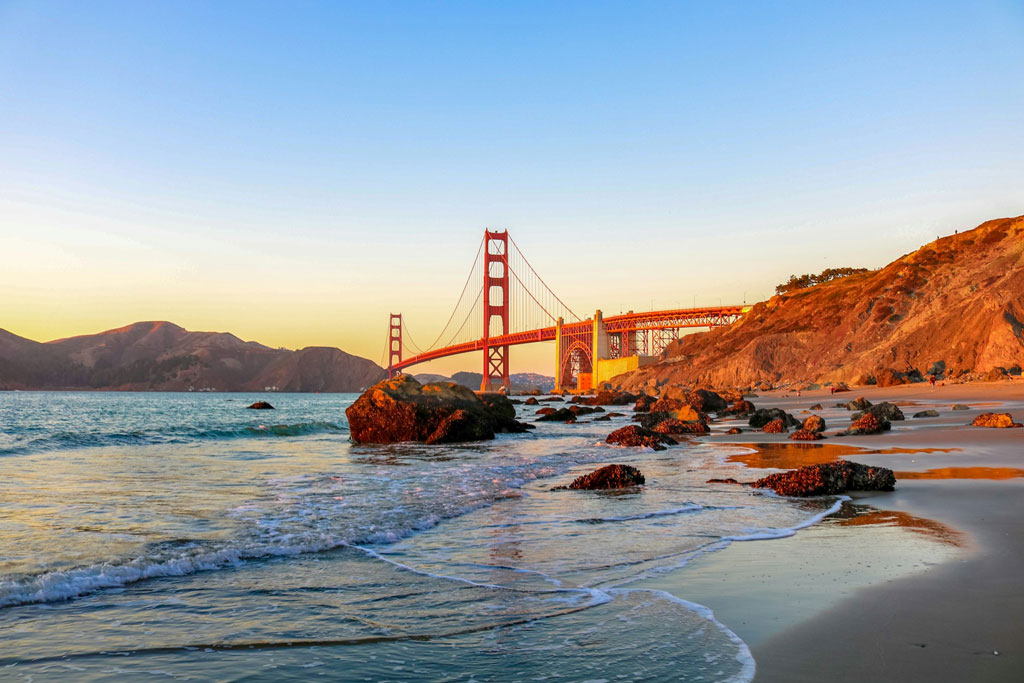
The shorelines of San Francisco Bay have both defined the history of the region and have been subject to degradation, extraction, and neglect, particularly the under-appreciated marshes. Today, very little of the former extents of muddy wetlands remain, but these regions are increasingly valued as spaces for recreation, climate resilience, wildlife habitat, and coastal protection. Efforts to restore vast amounts of salt-harvesting ponds into tidal wetlands in South San Francisco Bay are among the nation’s largest, and they are at the forefront of applied science and coordination between regional, state, and federal agencies. But they are complicated by the longer arc of history of sediment surpluses and shortages in San Francisco Bay. These present-day shortages reflect the hydrological, geographical, and legislative connections between San Francisco Bay, the San Francisco Estuary, the Sacrament-San Joaquin Delta, and all the way up to the headwaters in the Sierra Nevada mountains. This webinar will summarize the history of sediment as a key component of the evolution of the wetlands in San Francisco Bay, and introduce the audience to stakeholders invested in keeping these wetlands functional in a rapidly changing place.
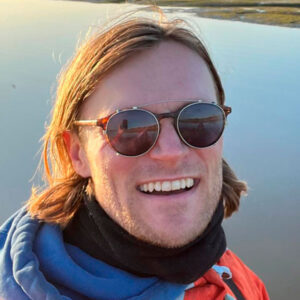 Lukas WinklerPrins (he/him) is a wetlands hydrodynamicist and writer currently working as a postdoctoral researcher at Stockholm University’s Department of Physical Geography. Prior to that, he received his Ph.D in Environmental Engineering at the University of California, Berkeley, followed by a postdoc in the Environmental Systems Dynamics Laboratory at the same university. His specialty is in sediment transport in shallow-water environments, and he spent his Ph.D years working closely with the U.S. Geological Survey to develop research relevant to achieve wetland restoration goals in San Francisco Bay. Prior to moving to Stockholm, he was often involved with coastal science-related outreach programs including City Surf Project and the Wild Oyster Project in San Francisco. He has a B.S. in Applied Mathematics from Brown University.