Disrespect for the Rule of Law Undermines Science and Fundamental Social Norms

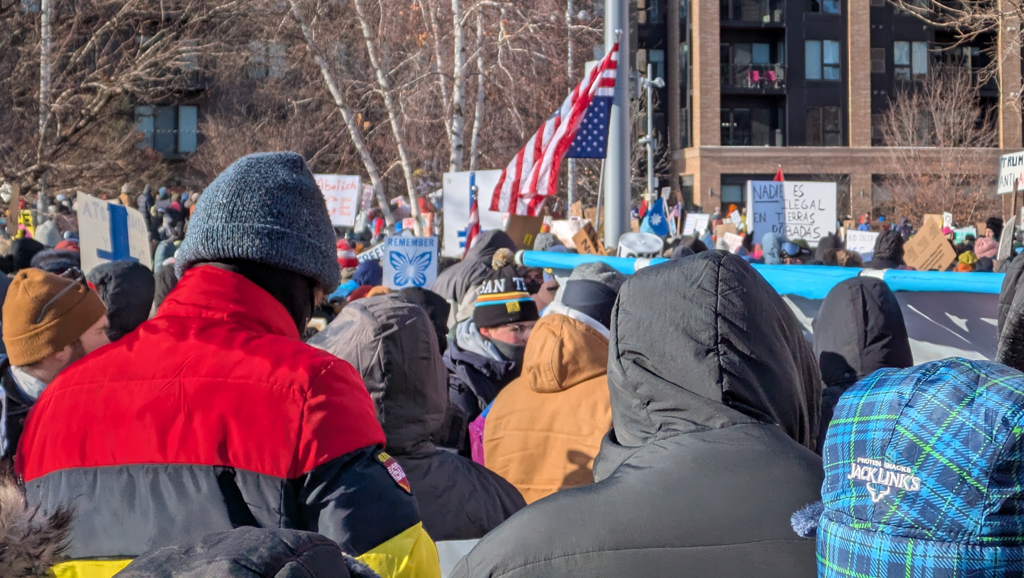
A protester in heavy winter clothing holds up a sign with the message, "This is not normal" in Minneapolis, Minn., in January 2026; © David Bowman
© David Bowman

William Moseley

A world and society ruled through suppression and intimidation is fundamentally incompatible with academic pursuits, both in terms of science-informed policy and the social environment needed for good science. While scholarship ranges from basic to applied, and from deeply critical to more constructive, an explicit end goal, or positive byproduct, is often rules and regulations that are informed by a solid understanding of the world. The academy also does not do well when findings are distorted by politics, or the free flow of ideas and people across borders is impeded. A thriving geography depends on the rule of law at home, and strong norms and multilateral institutions internationally.

The current U.S. administration’s “might makes right” approach to domestic and international politics cannot coexist with or support a thriving academy and discipline of geography. How can it, when it undermines the very basic tenets of society? Daily life in my hometown of Minneapolis-Saint Paul has been deeply disrupted by the presence of 2,000-plus federal Immigrations and Customs Enforcement (ICE) agents in recent weeks. Renee Nicole Good and Alex Jeffrey Pretti were murdered in broad daylight for practicing legitimate and constitutionally protected passive resistance, high school students have been tear-gassed when leaving schools, child day care centers have become targets of aggressive military tactics, and people of color (including Native Americans ironically) have been consistently harassed and detained, regardless of their citizenship status. Among a myriad of other impacts, education is being disrupted, local schools have shifted to online learning, and foreign-born faculty and students at local universities and colleges (including my geography department) are understandably afraid and concerned. This is not okay. A federal security force has been weaponized against a particular geography (a state and city it deems a political enemy), the rule of law is not being respected, and ICE agents feel like foreign occupying forces who have no understanding of good community policing.

The administration’s coercive tactics in Minnesota are mirrored in their approach to international affairs (i.e., they are two sides of the same coin). On January 3, 2026, the U.S. President unleashed a dangerous genie when he authorized a mission to capture Venezuelan president Nicolás Maduro in Caracas, Venezuela, violating international law and another country’s territorial sovereignty. This attack signals a return to a 19th century multipolar world where great powers do as they please in their own backyards. While I am not naïve enough to believe that late 20th century multilateralism was perfect, at least there was a promise of strong international institutions, the rule of law, and fact-based policymaking. Geographers of all stripes, and from around the world, have made key contributions in studying the problems of our colonial past and foreign adventurism, as well the strengths and weaknesses of post WWII multilateralism and science-based policymaking. While I am clearly an idealist as opposed to a realist (in international relations terms), I believe geographers have an interest in promoting global cooperation and respect for human rights and international law.

Whatever you may think of Nicolás Maduro, the U.S. violated international law, and another country’s territorial sovereignty, when it sent troops into Caracas to capture him. Worse yet, these actions essentially give other military powers a green light to exact their wills on their neighbors, be it China in Taiwan or Russia in Ukraine. We have been here before and it does not end well. While the U.S. was not a formal colonial power like its European counterparts, its own territorial expansion, and 19th/20th century foreign adventurism, essentially constituted a U.S. imperial era. The atrocities of 20th century wars created a space for multilateralism, the rise of international institutions like the United Nations, the forging of international agreements on basic human rights, and scientific commissions on climate change, food security, and natural disaster mitigation. These hard-fought gains for a more peaceful, humane and sustainable world, in which many geographers played a critical role, must not be relinquished.

The atrocities of 20th century wars created a space for multilateralism, the rise of international institutions like the United Nations, the forging of international agreements on basic human rights, and scientific commissions on climate change, food security, and natural disaster mitigation. These hard-fought gains for a more peaceful, humane and sustainable world, in which many geographers played a critical role, must not be relinquished.

The aggression of the U.S. against its own citizens and residents, as well as the emerging multi-polar world being cemented by recent U.S. actions, are bad for science for at least two reasons. First, authoritarian politics contort scholarly priorities, emphasizing some areas (defense, surveillance and control) and downplaying others (healthy critique of government programs and actions, examination of troublesome histories, self-reflection on colonial assumptions in our disciplines). Second, the fear-based and isolationist tactics of authoritarianism undermine the international institutions that develop science-based policies and facilitate scientific collaboration and exchange.

Mapping the Path Forward

At some point, this moment will pass, and we will be faced with creating a post-Trump world. In the U.S., basic civic education and an appreciation for the rule of law are fundamental to a well-functioning society. While Trump has done much to weaken democratic norms, the vocational drift in U.S. education arguably contributed to the problem with a decline in the development of critical thinking skills and civic engagement. The growing economic divide in the U.S., brought on by neoliberalism, also did much to undermine public trust in higher education and research. In addition to important governance reforms to address campaign finance and the overreach of executive power, we need to address underlying structural problems (eroding public support for democracy and declining access to education) and think big about opening up quality K-12 and higher education in the U.S. to all income groups if we are to have a durable democracy.

On the international stage, multilateralism is clearly not dead, but it has been ailing for some time and the Trump Administration’s actions have wounded it further. Strong international institutions and norms are an antidote to a multipolar world that is a danger to science. While I acknowledge that the United Nations is in need of serious reform, something like it must persist and evolve into a more robust and participatory global forum which supports fundamental rights and brokers international agreements on the environment, health, nutrition and peace-building to name a few. Despite domestic political pressures, geographers must avoid nationalist traps and continue to engage with and support international institutions and exchange.

I don’t like bullies, I never have. It is hard to be thoughtful and productive when you are concerned about your own safety. Furthermore, it is challenging to have a generative scholarly exchange when people are concerned about political censorship or repression. In order to better the human condition and build a more sustainable world, we need strong democratic norms and institutions at home and abroad, i.e., civic nationalism and internationalism.


Please note: The ideas expressed in the AAG President’s column are not necessarily the views of the AAG as a whole. This column is traditionally a space in which the president may talk about their views or focus during their tenure as president of AAG, or spotlight their areas of professional work. Please feel free to email the president directly at [email protected] to enable a constructive discussion.
 

    Share

Regional Meeting Lollapalooza: Remarkable Spaces for Grassroots Innovation and Discussion

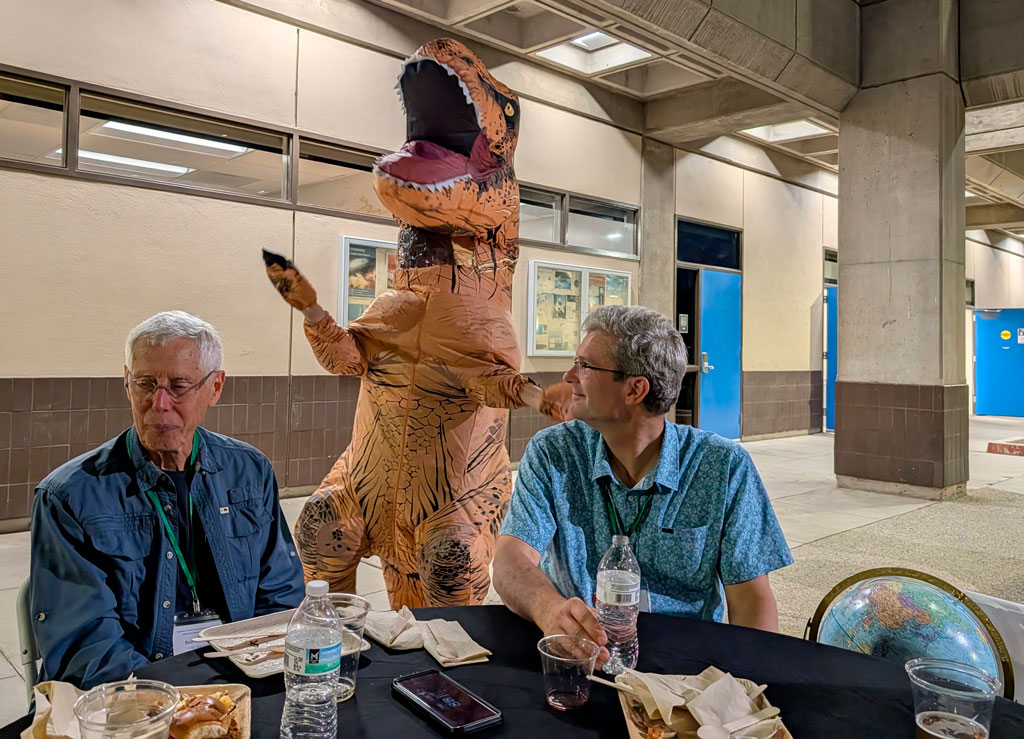
An person dressed in a dinosaur costume entertains attendees at the APCG regional division meeting
Dancing dinosaur at the Annual Meeting of the Association of Pacific Coast Geographers (APCG) in Santa Clarita, CA. Credit: Michael Pretes

William Moseley

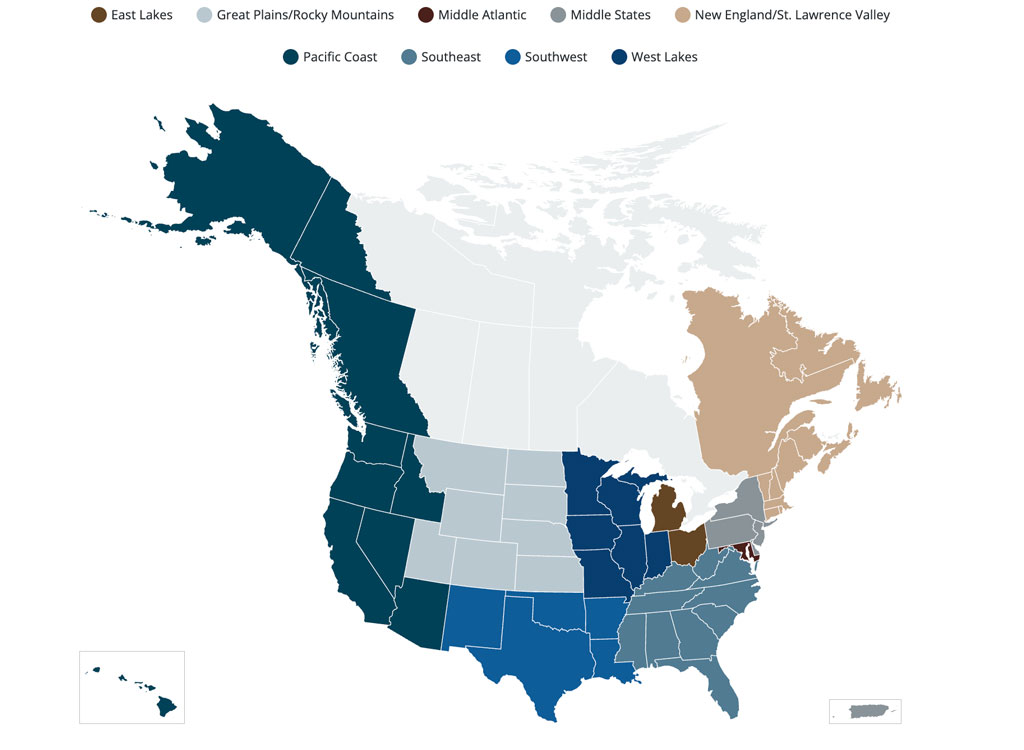
I grew up in the Chicago area, where we have an annual lakefront, summer music festival known as Lollapalooza, featuring an eclectic collection of genres and artists. This event is fun, experimental, inflected with regional traditions, and brimming with youthful, creative energy. More generically, lollapalooza refers to something extraordinary and a way I have come to think about our AAG regional meetings. This fall I had the pleasure of attending four AAG regional division meetings: Pacific Coast, Great Plains and Rocky Mountains, Southwest, and Middle States (see figure). These encounters have been tremendous opportunities for me to meet and learn from our members. Here I reflect on some broad themes across all of the meetings, as well as some key take home messages that I gleaned from each region.

Map showing color-coded shapes including states and provinces in AAG's nine Regional Divisions
AAG Regional Divisions


Cutting across all of the regions, I was deeply impressed by the presence, energy and insights of geography students, both graduate and undergraduate. If you are ever feeling down about the headwinds facing our discipline, just spend time with our students and you will come away feeling inspired and optimistic about the future. From their scholarly endeavors shared in talks and posters, to their competitive zeal at geography bowls, to their willingness to engage in hallway conversations, I was captivated.  I also have even greater appreciation for the contributions of international students to our discipline (even beyond what I have written about previously). Their presence was notable in all of the regional meetings and they help ensure that a broad range of life experiences are brought to bear on the emerging research produced by our discipline.

I also continue to be struck by the limited presence of R1 faculty at many regional meetings. Of course, there are notable exceptions to this broader trend and I also understand that this is a not a new phenomenon. I further understand some of the reasons for this (and I am also guilty of such transgressions). Many faculty are stretched in terms of time and/or resources to attend a second or third academic conference. As such, they prioritize a national meeting where the largest number of people in their subfield are sharing their latest research findings. What is lost is stronger bonds between different types of institutions in a region as well as an opportunity for undergraduate and master’s level students to potentially meet a future advisor.

Beyond these broader themes, I was really struck by the individual character of each region and some unique lessons I learned in each place. The meeting of the Association of Pacific Coast Geographers (APCG) took place at the College of the Canyons in Santa Clarita, CA. There our outdoor barbecue on the second evening was graced by the presence of a dancing dinosaur (see Figure 2) and later that night a person in a gorilla costume briefly entered the auditorium for the keynote lecture (attesting to the fun and quirky ambiance of APCG meetings). More seriously, I was really struck by role that community colleges play in this region as a critical pipeline for future geographers (and something the discipline could build on more broadly). Some of the fastest growing geography programs in the region, such as San Diego State University, source many of their majors from surrounding community colleges. The APCG meeting also took place on a community college campus, College of the Canyons.

An person dressed in a dinosaur costume entertains attendees at the APCG regional division meeting
Dancing dinosaur at the Annual Meeting of the Association of Pacific Coast Geographers (APCG) in Santa Clarita, CA. Credit: Michael Pretes


This year’s Great Plains Rocky Mountain (GPRM) regional meeting in Omaha, NE was a joint meeting with the National Council for Geographic Educations (NCGE), our sister organization that counts many high school geography teachers among its ranks. This innovative experiment of two meetings in the same place with some cross over events created a space for bridges to be built between the parallel universes of high school and college geographers. It allowed myself and two members of the AAG taskforce on geography undergraduate education to run a workshop on the high school-to-college geography pipeline for secondary school teachers and university instructors, to speak to a mixed audience at an evening banquet, and to have dinner with the leadership of the NCGE. I could see the NCGE meeting joining with other regions in the future and I believe we could do even more to bring college faculty and high school teachers together.

The meeting of the Southwest Division of the AAG (SWAAG) took place in Las Cruces, New Mexico and was hosted by New Mexico State University. In addition to a keynote address, I participated in several panel discussions, including one on academic freedom. There I learned of state government initiatives in Texas and Oklahoma to audit course syllabi and reading lists. I further came to understand that certain words and topics are being advised against in course titles, such as decolonizing, liberation and resistance. This situation is alarming to me both personally and professionally (e.g., I have publications using several of these ‘trigger’ words). More significantly, maintaining academic freedom is a core value of the AAG and something it fights for on the national level. Nonetheless, at this regional meeting, I was deeply impressed by the way faculty were sharing experiences and advice on how to navigate such challenging circumstances. It also served as a reminder that our local experiences of speech suppression, censorship or freedom can vary greatly (and we need to be sensitive to the fact that the actions and decisions of the AAG might play out differently across regional contexts).

Lastly, the Middle States Division of the AAG (MSAAG) met at Montclair State University in Montclair, NJ. There I was impressed by the presence of deeply engaged high school teachers and their students, many of whom presented research posters. The quality of their research was striking and I believe this is an innovation that could be experimented with in other regions. What could be a better recruitment tool than to have high school students attend research presentations by grad students, or to have a professor engage with a high schooler about their project and encourage them to think about a geography degree in college.

My journey across these events left me feeling inspired by the energy and insights of our students, encouraged by the experimentation in each division, and better in-touch with political currents and challenges. This is not to say the fall AAG regional meetings are flawless, some suffer from low attendance or limited organization, but I see these as vital encounters to be improved up, not dismissed or marginalized. Fortunately, the support of AAG staff for the regions has begun to bear fruit, building on the recommendations of an AAG task force report released on the topic some five years ago. Just like a summer music festival, these are fun spaces to experience the diversity, energy and creativity of our discipline.


Please note: The ideas expressed in the AAG President’s column are not necessarily the views of the AAG as a whole. This column is traditionally a space in which the president may talk about their views or focus during their tenure as president of AAG, or spotlight their areas of professional work. Please feel free to email the president directly at [email protected] to enable a constructive discussion.
 

    Share

Academic Freedom and the Need for Geographers as Public Intellectuals

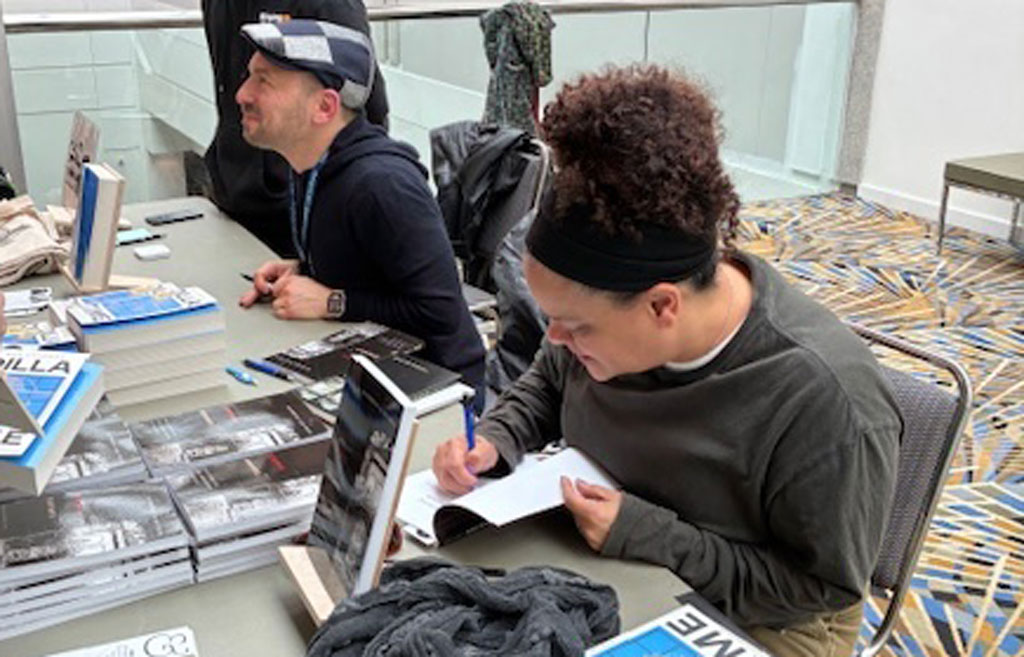
Geographer Katherine McKittrick and colleague Dan Charna participate in a joint book-signing at AAG 2025 in Detroit. Credit: Lisa Schamess, AAG

William Moseley

Free speech and academic freedom are increasingly under siege in the United States, with the scope and scale of speech repression nearly unprecedented. At the same time, the U.S. government is currently engaged in a vast array of domestic and foreign policy shifts, from changes in environmental regulations and naming conventions at home, to the closing of USAID operations and retreat from multilateralism abroad. Despite efforts to silence critics, these policy and program shifts deserve thoughtful public conversations that involve geographers. We need geographers as public intellectuals to continue to voice their perspective on the policies and programs of our government and others.

The tradition of the public intellectual (a form of public geography) may be contrasted with that of the ivory tower academic. Public intellectuals are scholars who take the time to address an important public debate or policy issue when they have relevant expertise and an informed perspective to offer. The public intellectual practice is more well developed in Europe, where academics regularly participate in policy discussions and are considered normal actors in public discourse. In fact, many European universities expect their faculty to comment on public issues and acknowledge this is in tenure and promotion criteria. In contrast, this practice is less well developed in the United States, with such engagement sometimes viewed as inappropriate. This distance between the American academy and public policy discussions has contributed to the ivory tower phenomenon, arguably making it more challenging for the U.S. public to feel connected to universities, their faculty and students.

To the extent that academics do participate in public policy discussions in the U.S., some disciplines tend to be over-represented, most notably economics and political science. That said, analysis that a student and I undertook over a decade ago showed that for a small discipline, geography was punching above its weight, outpacing allied disciplines such as anthropology, geology, and biology in terms of op-ed productivity per member. The geographic perspective is critical for adding to public policy discussions, be it in terms of nuance regarding spatial patterns, scale, coupled-human-environment systems or deep regional knowledge. As former AAG president Alec Murphy has argued: “our understanding of issues and problems will be impoverished if geographical perspectives are not part of the mix.”

The AAG considers the support of free speech and academic freedom to be core to its mission and has offered programming to this end. For example, in 2023, the AAG initiated the Elevate the Discipline cohort of 15 geographers to receive year-long support and training in techniques for public scholarship to inform public policy. In late October of this year, the AAG hosted a panel for department and program chairs seeking to support their faculty in terms of academic freedom. Furthermore, I am happy to report that we still have many geographers who continue to offer their perspectives on the issues of the day. Herewith three examples.

In early October, Christopher F. Meindl, associate professor of geography at the University of South Florida, published a commentary entitled “Florida’s 1,100 natural springs are under threat — a geographer explains how to restore them.” In this piece, Meindl drew on his own research as a human-environment geographer, and recent book on Florida springs, to provide context and recommendations for restoring these important natural assets.

Second, while we often think of public scholarship appearing in the form of commentaries, some geographers also write books that are more accessible to a public audience. A good example of this is Yolonda Youngs’ recent book, Framing Nature, about the social construction of nature in Grand Canyon National Park. Hearing Youngs present on her book at the recent meeting of the Association of Pacific Coast Geographers, I appreciated how she explained deliberately writing the book for a public audience, even tearing up portions of a previous draft and re-writing it in a way that would be more accessible.

Lastly, geographer and cartographer Margaret Wickens Pearce was recently recognized as a MacArthur Foundation Fellow (aka genius award) for her groundbreaking work “creating maps that foreground Indigenous Peoples’ understanding of land and place.” Her approach highlights another form of public scholarship, working respectfully with communities to bring their perspectives into conversation with broader publics. As a Potawatomi Nation tribal member, Pearce was well positioned to undertake this work.

Today, we need the geographer as public intellectual more than ever. Engaging in this manner requires a certain amount of backbone and privilege, the ability to write for broader publics, and good timing.

Writing for a general audience has always required some willingness to endure negative feedback. Now we have an added layer of hostility and professional risk to anything perceived as critical. In mid-September, the U.S. president argued that television coverage that is critical of him or his administration’s policies is illegal (a point that was unsubstantiated and challenged). Several academics, including geographers, have also lost their jobs or been put on administrative leave for comments they made on social media following Charlie Kirk’s murder. While the climate of fear these comments and actions have engendered is palpable, and some members of our community are in more precarious positions than others, now is not the time for those in privileged positions to be silent.

The unfortunate reality is that tenured and U.S.-born professors in blue states are often in less precarious positions than others. As such, at this time I would especially encourage those with privilege to contribute as public intellectuals where appropriate. When writing, it is always important to stick to positions and perspectives that are informed by one’s scholarship. Doing so makes one’s arguments more defensible.

Writing for broader publics is also quite different than writing for academic audiences. While we generally learn to write for academic audiences as graduate students, most of us are not taught to write for non-specialists. Writing for a general audience is a skill that needs to be developed. As mentioned previously, the AAG’s “Elevate the Discipline” program offered media and advocacy training to a group of geographers working on climate change and society. Some departments and faculty members have also been more proactive than others in mentoring and collaborating with students in this approach to writing. For example, former AAG president Derek Alderman, as well as Jordan Brasher, worked alongside Ph.D. candidate Seth Kannar, who was first author on a 2025 commentary for The Conversation entitled “From Greenland to Fort Bragg, America is caught in a name game where place names become political tools.” This was no doubt a valuable experience for an early career geographer, showing that it is possible to make connections between our research and current policy discussions.

Lastly, unlike most academic articles, the timing of many (but not all) commentaries is critical so they dovetail with the news cycle. This is challenging for many academics, as it means dropping what you are doing and writing something quickly so that it is relevant to a burning, public debate. Reporters may also call for background information or perspective on an issue, and one needs to set aside their current work to think through a thoughtful response. Even more challenging are live media interviews on radio or television. A good example of this is former AAG president Glen MacDonald who was interviewed widely by major news outlets, including on the nightly news in 2018 in L.A. about the Camp Fire ravaging the state at that time. This is hard but important work, and geographers almost always add critical depth and perspective to the conversation.

While academic freedom is under siege in the United States today, we now need geographers as public intellectuals more than ever. Fear is a powerful weapon and those in less precarious positions need to push back in support of a robust civil society and the power of the fourth and fifth estates. In so doing, geographers bring valuable perspectives to the debate, bridge the gap between academia and the public, and demonstrate the vitality and relevance of our discipline.


Please note: The ideas expressed in the AAG President’s column are not necessarily the views of the AAG as a whole. This column is traditionally a space in which the president may talk about their views or focus during their tenure as president of AAG, or spotlight their areas of professional work. Please feel free to email the president directly at [email protected] to enable a constructive discussion.
    Share

The War in Gaza and an Inclusive AAG Process for a Thoughtful Response

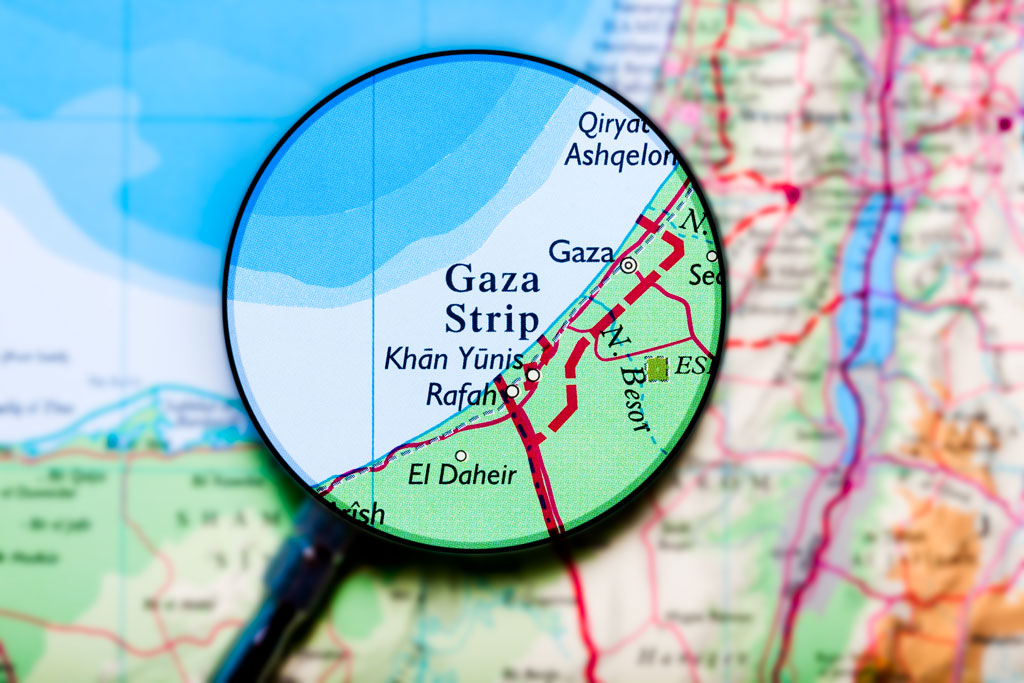
Magnifying glass highlighting Gaza on a larger map.

William Moseley

The AAG will hold a special meeting on October 3 in response to a membership petition asking the association “to endorse the BDS campaign for an academic boycott of Israeli academic institutions, and for financial disclosure and divestment of any AAG funds invested in corporations or state institutions profiting from the ongoing oppression of the Palestinian people.” Our bylaws state that if more than 10% of members sign a petition with a valid call, then the AAG will host such a special meeting. As this is a divisive issue, I write to clarify three points: 1) my personal perspective on the war in Gaza (which you deserve to know, but is irrelevant to the position of the AAG), 2) the AAG process for responding to troubling world events, and 3) some of the factors the AAG Council will need to consider before arriving at a decision on an appropriate AAG response to the situation in Gaza.

First, my own views. The situation in Gaza is deeply concerning and distressing to me personally. As some of you may know, much of my scholarship and United Nations (UN) policy work has dealt with food security and agricultural development in the Global South, often from a political ecology perspective. As per the Integrated Food Security Phase Classification (IPC) system, famine was officially declared in Gaza on August 22, 2025, confirming what many had long argued was an unfolding humanitarian crisis. It is significant and sobering that this respected and cautious UN-backed food security monitoring group concluded that all three thresholds that define a famine had been crossed. It calls the famine in Gaza “entirely man-made.” It further notes that there are “half a million people facing catastrophic conditions characterized by starvation, destitution and death.” The IPC report on Gaza comes nearly two years into an armed conflict with Israel that was triggered by the October 7, 2023 attack by Hamas. Israeli restrictions have limited the flow of food and aid into Gaza. I believe in the right to food as enshrined in the Universal Declaration of Human Rights and I stand against using food as a weapon of war. I also recognize the right of Israel to exist, condemn the October 7 attack and support a two-state solution. However, let it be clear that my own personal views matter no more than anyone else’s in our community and that the central question is whether and how the AAG might respond to this terrible situation. The AAG Council must make the best possible decision in relation to its mission and values, with the fullest possible input of our membership and according to our bylaws.

Second, what is the AAG’s process for considering a response to such a crisis? The AAG Council, the democratically elected representatives of the membership, has a legal and ethical obligation to consider actions called for in a membership petition or — in some cases — to decide how to respond to a crisis or government decision. In considering potential responses, the AAG Council must do so in a way that is in the best interest of the organization (also known as fiduciary responsibility). Typically, Council deliberations on potential actions include an analysis of relevant background information and occur without the active participation of the broader membership. However, because this deliberation was triggered by a membership petition, the AAG will engage in an open and transparent information collection process before the AAG Council arrives at a decision. The synchronous meeting of the membership on October 3 is intended to answer questions and kick-off an inclusive information collection process that provides the greatest potential for all members to participate. The process will involve a 60-day period in which any AAG member may asynchronously comment on a draft background document that will inform Council decision-making in regard to a potential AAG response to the situation in Gaza. This written comment option will be complemented by two AAG Council listening sessions (one closed session and one open to all members), both during the 60-day period. Members can sign up to share their perspectives on this matter with Council, starting on October 3. Once the background information collection period is complete, the AAG Council will deliberate on the best course of action, taking into account the concerns and perspectives of the membership as well as the mission and wellbeing of the organization.

Contrary to some views circulating, the October 3 zoom meeting will not entail an open debate among the AAG membership on the best course of action, nor a presentation by the petitioners or other groups (although this could happen in a subsequent listening session), nor a live vote of the membership. To undertake an open debate would be challenging (imagine an open zoom meeting with hundreds of members asking to speak). Furthermore, privileging some perspectives in featured presentations would be less than inclusive. Lastly, while I have received dozens of emails asking for a membership vote on the BDS proposal, this approach is not called for in our bylaws. Previous AAG membership votes have never been directly undertaken in response to a petition, but rather for an election, a bylaw change (such as the AAG name change) or on an issue at the request of the AAG Council.

Third, once the membership comment phase is complete, what types of issues might the AAG Council need to consider before arriving at a decision on an appropriate AAG response to the situation in Gaza? There are a range of potential responses, including divestment of AAG funds from organizations profiting from the oppression of the Palestinian people, an academic boycott of Israeli universities, endorsing BDS as a political movement, making a public statement about the situation in Gaza, calling for a vote of the membership on an action proposal, or no action. As noted previously, Council will need to consider all facets and nuances of these potential actions and make a decision that is consistent with the values and the well-being of the organization. In terms of our values, the AAG is committed to principles of justice, equity, diversity, and inclusion as outlined in the JEDI strategic plan and adopted by the organization in 2020. The AAG is also opposed to both Islamophobia and antisemitism, and we are dedicated to creating venues for free and open discussion of academic ideas.

While I could not possibly summarize all aspects the Council will need to consider (many of which will be in the aforementioned background document), let me just mention a couple issues that may be of interest to the membership. First, because of the work of the AAG’s climate action committee, we adopted socially responsible investment screening a few years ago. As a result, the AAG’s relatively small endowment (about 1.1% the size of my college’s endowment for example) does not have investments in the fossil fuel industry, arms manufacturing or occupied territories. Second, while the AAG could issue a statement about the situation in Gaza without violating nonprofit laws, endorsing BDS as a political movement may have complications. To wit, nonprofits, or 501(c)3 organizations, in the United States have strict restrictions on political endorsements. Furthermore, given that anti-BDS laws exist in 38 states, a BDS endorsement might inhibit our members in those states from using public funds to attend a regional or national AAG meeting. Lastly, the AAG is committed to academic freedom and we need to think carefully about any actions that might impede the free and open exchange of ideas.

In sum, the war in Gaza is deeply troubling, as were the attacks in Israel on October 7, 2023. While this issue has the potential to divide our membership, I have faith in the transparent and inclusive process that the AAG has embraced in its deliberations on the best potential response. While I understand that some of our members may be frustrated that we are debating this issue at all, or that the decision-making process is not moving quickly enough, it is important that we do this well. Healthy organizations are able to openly and fairly discuss contentious issues if they have a clear process for doing so. I am confident that our community will emerge from these deliberations stronger than ever.


Please note: The ideas expressed in the AAG President’s column are not necessarily the views of the AAG as a whole. This column is traditionally a space in which the president may talk about their views or focus during their tenure as president of AAG, or spotlight their areas of professional work. Please feel free to email the president directly at [email protected] to enable a constructive discussion.
    Share

The Dismantling of Public Research Funding and the Need to Invest in a Better Future

William Moseley

Geographic research has improved the human condition, enhanced long-term environmental sustainability, strengthened the economy, fostered human understanding of the planet, and facilitated learning of those students engaged in the knowledge production process. While some research is funded by the private sector to specific ends, the bulk of scientific inquiry is a public good that benefits the larger society and is supported by governments whose citizenry ideally understand the long-term benefits of scientific research. While what I have presented above is the ideal, it actually works in many cases. Unfortunately, the public funding of scientific research in the United States has been willingly dismantled over the past nine months to the detriment of the academy, geography, and American society.

In 2010, the National Research Council published Understanding the changing planet: Strategic directions for the geographical sciences (written by a committee chaired by former AAG president Alec Murphy). This report set out an ambitious research agenda for the discipline, articulating big questions for geographers to tackle with significant societal impacts. Geographers in the US and around the world have aggressively worked on those questions over the past 15 years (relating to the environment, population, health, food, and migration to name a few) and arguably made the world a better place. I truly believe that a society that supports scholarly research is investing in the future and acting on the belief that we can do better. To arbitrarily defund research is to not look forward, to not have hope for a better world, and to doubt our capacity to enhance human understanding.

A society that supports scholarly research is investing in the future and acting on the belief that we can do better.”


As a fundamentally field-based discipline, geographers often need external funding to do the work we do. For example, in July I was fortunate to be in rural Tanzania with three research students and local university partners trying to better understand the food and nutrition security implications of primary schools that employ agroecological practices on their farms to produce food for their lunch programs. While our findings will hopefully have implications for the way we understand environmental sustainability, agroecology and nutrition security, just as important was the development of future scholars and international scientific exchange that was a byproduct of this process. This was a pilot project supported by seed money from my university and for which I had intended to seek external support, a prospect that now feels increasingly unlikely as the current administration has bludgeoned the National Science Foundation (NSF) and other federal agencies that support scientific research. My story is just one of many that have rippled across our discipline, cutting short the knowledge production process, the training of future scholars, and transnational scientific collaboration.

Cuts to scientific research funding in recent months have been devastating. The White House’s proposed budget for FY26 for the National Science Foundation (NSF) would reduce the agency’s budget by 55 percent, bringing its annual budget down to $3.6 billion from the $9 billion appropriated in FY2024, and a similar range of funds available in 2025. This latest proposed cut was preceded by the termination of hundreds of millions of dollars in research funding that had previously been awarded.

  • In February, the AAG published an open letter decrying the devastating cuts to the NSF’s Human-Environment and Geographical Sciences (HEGS) Program (while geographers have been successful obtaining grants from a number of NSF programs, this is the flagship program for the discipline). Then in early March, the AAG was one of 48 learned societies signing an open letter asking congress to protect science.
  • Proposed cuts to the U.S. State Department’s Fulbright Program will entirely eliminate it and in June the oversight board of this prestigious program resigned after political appointees cancelled the awards of almost 200 American professors who were scheduled to go oversees to undertake research and teaching, and put in jeopardy those of another 1200 foreign scholars who were to receive support for academic exchanges in the US.
  • The U.S. Department of Education has cancelled this year’s Fulbright-Hays Program that has supported the international research of U.S. professors and students for over 60 years. The loss of this program was part of a larger executive action to dismantle the U.S. Department of Education, with the AAG signing on to a joint statement against such actions in March 2025.

These are just some of the cuts to federal programs that support geographic scholarship. Of course, research costs money, and some research projects are more impactful than others, but to indiscriminately cut research funding across the broad undermines the prospect of a better future. Important advances in science are often generational in nature. Rarely do the biggest breakthroughs come in a single year, decade, or even career. Research funding is the fundamental connector that sustains research across generations. It’s not just a feel-good activity to use research funding for training future scholars: it is the lifeline of discovery, innovation, and progress.

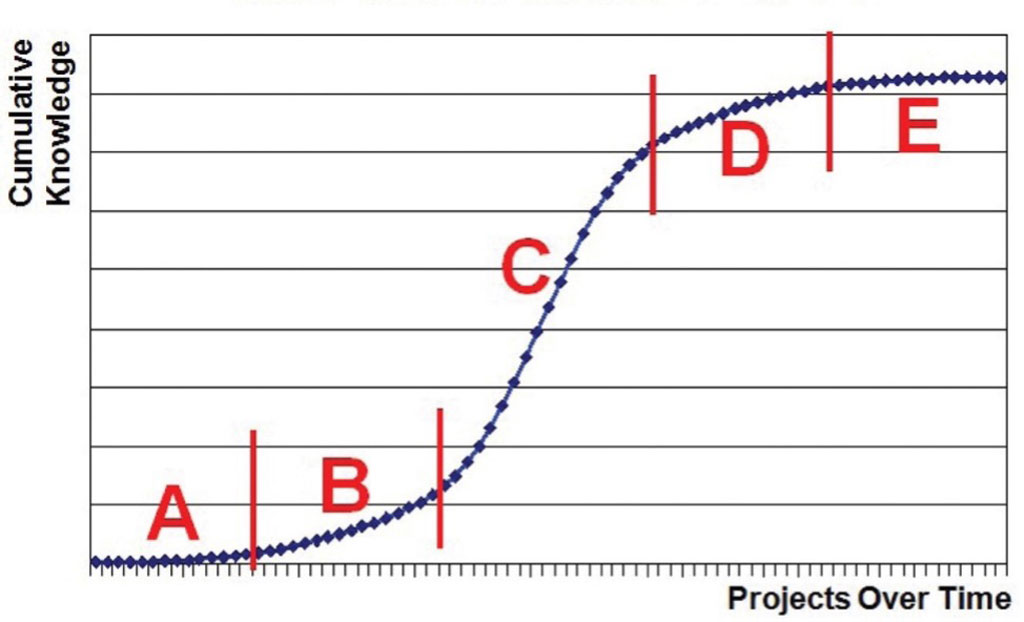
Judiciously allocated public funding is critical to the advancement of scientific understanding, to the careers of geographers and to the training of their students. Over the course of my career, for example, I have benefitted from four federal research grants, two from the NSF and two from the Fulbright-Hays Program (likely placing me somewhere in the middle of what is typical for an academic geographer). When I was younger, these grants helped launch my career and as I grew older, they helped me train future scholars. The competitive application process helped me refine my research questions and methodology, and subsequent service on several NSF panels allowed me to better understanad the care and thought that went into prioritizing which type of research to support with scarce public dollars. From my time on such panels, I still remember Tom Baerwald (former NSF Program Director and AAG past president) and colleagues showing us the research innovation S curve (or the Isserman curve), slowly starting with basic research and the trial and error search for good questions (A and B), to the steep climb and rapid innovation phase (C), to the tapering off and research saturation plateau (D and E) (see figure 1). Our task, as a scientific panel, was to identify sound projects situated at the start of the rapid innovation phase. It was an extremely rigorous process, led by panels of faculty working on a mostly pro-bono basis, and with many more good projects on offer than NSF would be able to fund.

The Isserman (science innovation) Curve illustrates cumulative knowledge vs projects over time.
Figure 1: The Isserman (science innovation) Curve; Source: Baerwald, T. J. (2013). The legacy of Andrew Isserman at the U.S. National Science Foundation. International Regional Science Review, 36(1), 29-35.


Geography needs to more strongly make a case for government support of knowledge production as central to a better future. Communicating the value of scientific research to broader publics is important as scholarship and universities have become targets in the US culture wars. Part of this will be about articulating a geographic research agenda for the future. What are the key questions moving forward that geographers are particularly well equipped to answer and how will geographical perspectives on those challenges help everyday people and the environment? It has been 15 years since the NRC published Understanding the changing planet. Despite the strong anti-intellectual political currents of our time, now is the moment to more forcefully articulate the value of geographic inquiry and a research agenda for a better a better future.


Please note: The ideas expressed in the AAG President’s column are not necessarily the views of the AAG as a whole. This column is traditionally a space in which the president may talk about their views or focus during their tenure as president of AAG, or spotlight their areas of professional work. Please feel free to email the president directly at [email protected] to enable a constructive discussion.
    Share

A Matter of Survival: Building Better Connections Between High School and College Geography

William Moseley

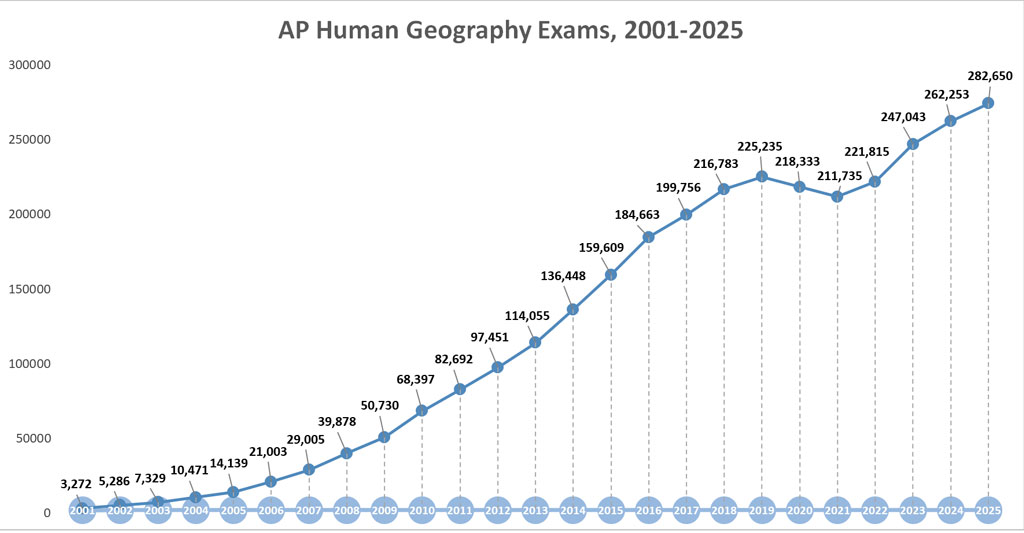
Some 283,000 students took the Advanced Placement Human Geography (APHG) exam this year, according to the College Board. Imagine if we could persuade even five percent of those students to major in geography at the college level. That would be 14,500 students a year, a number that is over 3.5 times the current number of students who graduate with a major in geography each year in the United States. This is untapped potential waiting to be leveraged at a time when many geography departments in the US are facing serious, if not existential, threats. We can and must do more to build better connections between high school and college geography.

In order to survive and thrive, any discipline needs at least two ingredients. The first is dynamic and cutting-edge research. A discipline makes a mark in the intellectual marketplace if it contributes to a better understanding of the world. Geography has arguably done well in this regard, and the AAG supports the scientific enterprise via its annual and regional meetings as well as its journals.

A discipline makes a mark in the intellectual marketplace if it contributes to a better understanding of the world.


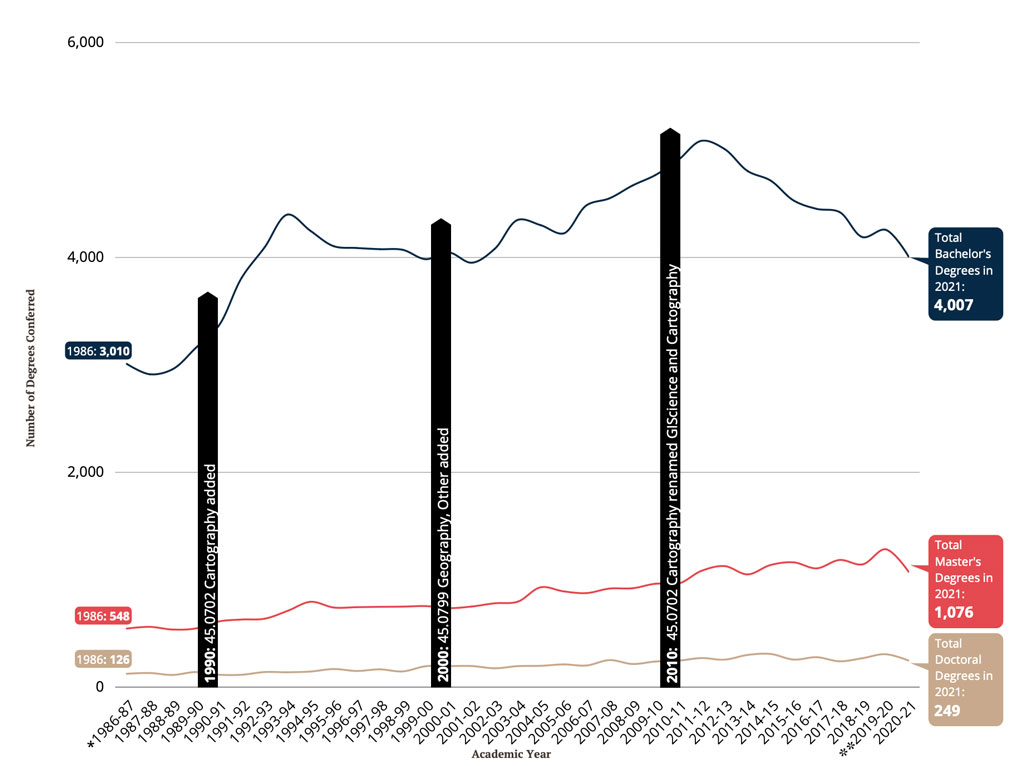
The second ingredient is a robust student body, both at the undergraduate and graduate levels. While US graduate programs in geography attract students from around the world, our undergraduate programs are relatively small and increasingly under threat. This is a problem at both a practical and philosophical level. At a practical level, undergraduate numbers are increasingly seen by administrators as a key indicator of long-term viability, and it is this pool of students that feeds, at least in part, graduate programs and the ranks of professional geographers. At a more philosophical level, many would argue that our population is better equipped to navigate the world and be responsible citizens when they have geographical training. The problem is that the number of undergraduate geography majors has fallen in the US by some 20% since 2011 (see Figure 1). How do we reverse this trend and rebuild and expand the undergraduate geography population in the US?  The AAG is exploring this challenge very seriously and I am pleased to be part of an AAG taskforce on geography undergraduate education.


Bar chart showing the slow, but steady growth of geography degrees conferred between 1986 and 2021. Bachelor's degrees grew at the highest rate, but began to fall in 2012.
Figure 1: Geography Degrees Conferred in the USA, 1986-2021. Note: The * and ** refer to geography-related Classification of Instruction (CIP) codes created in 1980 and 2020, respectively. Source: AAG, 2022.

.

This past June I spent two weeks in Cleveland, Ohio preparing for and then grading AP Human Geography (APHG) exams (along with hundreds of other college and high school geographers). The irony is that I don’t like grading, but this is not why I have attended these events for over ten years. I go for the community, the opportunity to connect with high school and college geographers who teach the courses that introduce students to our discipline. These teachers are the foot soldiers of geography and it is their work that powers the long-term viability of our discipline as a field of study. I wish more university geographers and graduate students would participate in this event and, if you have not already done so, I would encourage you to consider attending in-person in the future.

The APHG story is a remarkable one. Starting with the first exam in 2001, at the behest of a small group of dedicated high school and college geography teachers, and supported by the AAG, the number of APHG exam takers has grown by leaps and bounds over the past 25 years (see Figure 2). The program is not perfect. For example, some 70 percent of high school students take the exam when they are freshmen, a stage when many believe young people are not ready for college level material. But the year-long course is comprehensive and rigorous, often representing the only exposure an American student will have to geography during their high school career.


This line chart shows the rapid growth of AP Human Geograhy Exams from 2001-2025. The chart line starts at 3272 and ends with 282,650.
Figure 2: AP Human Geography Exams, 2001-2025. Source: College Board. Source: Lisa Benton-Short and Dan Snyder, using data from Educational Testing Services, 2025


In my informal conversations with many APHG teachers, I have learned that there are a number of things we could do to better capitalize on the increasingly large number of students who take the APHG exam each year.  Here are some preliminary suggestions for consideration.

First, even if they deeply enjoy geography as a subject, many high school students and their parents simply don’t know what one might do with a geography degree in terms of a potential career. This is a significant roadblock because it prevents students (and their parents) from seriously considering geography when they apply to college. While the AAG provides information on geography-related careers, we could do more to offer information that is accessible and tailored to high schoolers.

Second, many high school social studies teachers have limited university training in geography. As such, one of the key ways they learn how to teach the APHG curriculum is via AP summer institutes (AP sponsored summer training courses offered by certified, veteran high school instructors and college faculty). These courses could also provide teachers with more geography career-related information and tips on how to integrate it into their courses. For example, what types of professions are available to those who specialize in urban geography, GIS and cartography, or environmental geography? I would encourage APSI instructors to start doing more of this on their own accord, but they could also use more support from the College Board and the AAG.

Third, I believe that college geography departments and individual geographers have a responsibility to make connections with high school geography teachers near and far as a critical form of service to the discipline.  As discussed previously, the way I have done this is through my engagement with the annual reading (or scoring) of the APHG exam, but others do this by becoming involved with their state level geography alliances (where they exist) or by reaching out to local high schools. In my case, these connections have led to guest lectures in high school classrooms, the co-authoring of articles with high school teachers and countless informal discussions about geography material. College geography students, perhaps coordinated and facilitated by local chapters of Gamma Theta Upsilon (GTU), the geography honor society, could also connect with local high school geography teachers to speak in their classrooms and share their experiences as geography majors. Let’s be honest, for an audience of high schoolers, college students are likely to be far more persuasive in terms of marketing our discipline.

If we are to survive and thrive as a discipline, geography needs to grow its base of undergraduate geography majors. We would be foolish to not build stronger connections with a rapidly expanding APHG program that represents an enormous pool of potential future students. A strong house needs a solid foundation. Please join me in helping to strengthen ours.


Please note: The ideas expressed in the AAG President’s column are not necessarily the views of the AAG as a whole. This column is traditionally a space in which the president may talk about their views or focus during their tenure as president of AAG, or spotlight their areas of professional work. Please feel free to email the president directly at [email protected] to enable a constructive discussion.
    Share

Embracing geography as an international discipline

William Moseley

In an increasingly multi-polar world, rife with resurgent ethno-nationalist and isolationist tendencies, geography needs to emphasize its international perspectives and connections, not pull back from them or play them down. While geography may be a relatively small discipline in the United States, its strength is its grounded understanding of our intensely interconnected world and its global reach as a field of study.

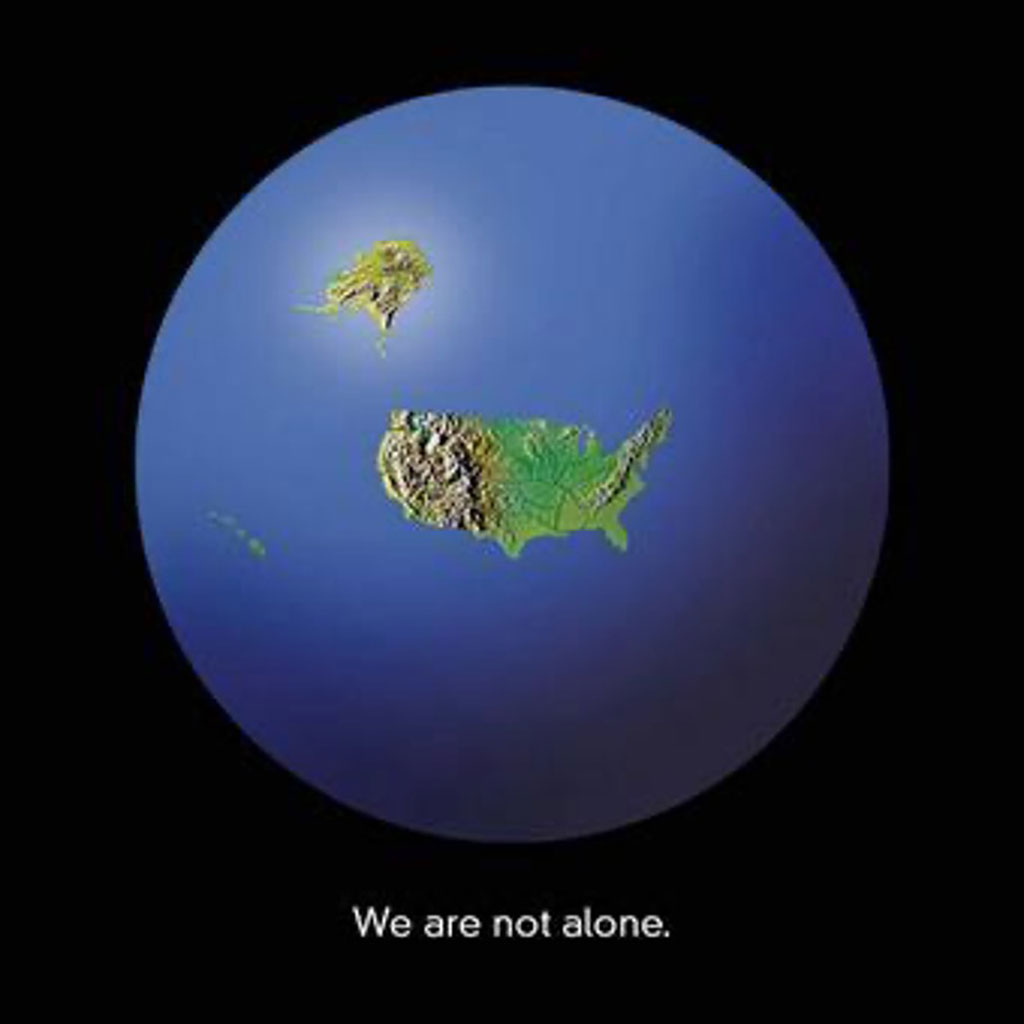
The U.S. has a long history of isolationist tendencies, based in part on the fiction that we can wall ourselves off from the rest of the world (Figure 1). What this ignores are the myriad of ways in which we are connected to other parts of the planet, both historically and in the present. Geographers are exceptionally good at explaining and theorizing these connections and this must remain a bedrock of geographic scholarship and teaching.

3D image of globe showing only the United States mainland and states of Alaska and Hawaii floating on a blue sphere.
Figure 1:  In 2006, National Geographic and its partners launched a five-year campaign, “My Wonderful World,” addressed to students. The campaign challenged the American educational deficits that contribute to Americans’ isolationist views. Source: National Geographic Society


The view that countries can exist in isolation is problematic and counterproductive. It contributes to zero-sum game thinking, the idea that one group or country loses if another wins. A nuanced geographic understanding of the world challenges this view by highlighting the many ways one place on the planet is connected to others in terms of material and cultural flows, as well as shared environmental phenomena. In many cases, the world is a global commons. In seeking to maximize our own return, we often undermine our collective well-being.

I would argue, and researchers have shown, that publics educated in geographic perspectives better understand the inter-connected nature of the world and that we have a shared interest in working together. This has policy implications from the local to the global scale, be it SNAP (formerly known as Food Stamp) benefits for the hungry person next door or emergency food assistance for someone on the other side of the planet. We help our neighbors not just because it is the right thing to do, but ultimately because it is also in our shared self-interest. As the late Minnesota senator Paul Wellstone used to say: “We all do better when we all do better.”

We help our neighbors not just because it is the right thing to do, but ultimately because it is also in our shared self-interest.

American geography has been constantly nourished and re-invigorated by its international connections. International geography faculty and students who come to the United States to work and study contribute to the dynamism of our discipline on so many levels. In my graduate school days, for example, three of the five members of my dissertation committee and half of my student cohort were international. In my liberal arts college geography department today, roughly 30 percent of the faculty and 20 percent of the undergraduate students were born and raised in other parts of the world. Their talents, insights and energy make our discipline a cutting-edge science. This is why the actions of the current U.S. administration vis à vis international students and faculty are so deeply problematic. By harassing our colleagues and students, denying visa applications, deporting people and policing contrarian views, the current U.S. administration is undermining science writ large and especially disciplines like geography that have deep international connections. This is why the AAG signed on to a letter condemning the targeting of foreign scholars in April 2025.

Beyond our colleges and universities, scholarly exchange across national borders is critical for advancing geographic knowledge. This means welcoming foreign scholars into the U.S. for conferences and research, as well as supporting U.S.-based scholars who attend conferences and undertake research abroad.

The AAG annual meeting has long been an important forum where geographers from all over the world gather to exchange ideas and advance geographic understanding. Despite the unwelcoming tone and problematic border procedures of the current administration, some 26 percent of the annual meeting attendees in Detroit came from institutions outside of the U.S. (and have averaged about 40 percent over the past 10 years). I want to personally thank those who came to the meeting and encourage you and others to come back next year. Science must transcend nationalist politics and we (the U.S. geographical community) really need your support and understanding in this difficult political moment. I also want to thank the AAG staff who worked diligently to facilitate the visits of international scholars to attend our annual meeting (by, for example, issuing letters in support of visa applications and monitoring international arrivals at the meeting). I am also proud that the AAG has programs that support international scholars, such as a discounted membership fee for those based in the Global South.

On the flipside, and acknowledging the federal funding cuts that have decimated research and travel budgets, U.S.-based scholars need to keep engaging in scientific forums outside of the U.S. One of the more obvious spaces to engage with the international geographic community is in various meetings organized under the auspices of the International Geographic Union (IGU), an international umbrella organization for national level geographic societies around the world. While the IGU holds big congresses every four years, with regional meetings in-between the congresses, I have found engagement with IGU commissions (akin to AAG specialty groups) to be especially rewarding. Many of these commissions organize smaller conferences where you really get to know other geographers and explore new regions.

Geography prospers when it leans into its international perspectives and connections. Geographers must continue to educate students and broader publics about the interconnected nature of our world. Furthermore, American geography’s secret weapon is its international linkages, from non-U.S. faculty and students, to conferences with diverse participation. The constant mixing of insights and life experiences from the across the U.S. and around the world fuels a formidable scholarly engine. We don’t build walls in geography, we reach across them.


Please note: The ideas expressed in the AAG President’s column are not necessarily the views of the AAG as a whole. This column is traditionally a space in which the president may talk about their views or focus during their tenure as president of AAG, or spotlight their areas of professional work. Please feel free to email the president directly at [email protected] to enable a constructive discussion.
    Share