Meet the AAG Journals Editors: Kent Mathewson and Robert Perham

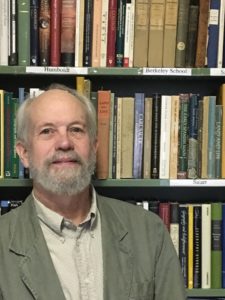
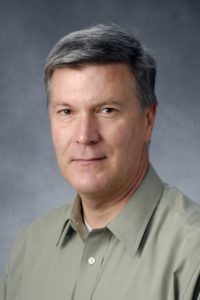
Kent Mathewson is the editor-in-chief of the AAG Review of Books. Published quarterly, the AAG Review of Books is a special journal highlighting recent texts in geography and related disciplines. The journal features book reviews by geographers and other scholars at various points of their academic careers. These reviews are also available from a database located on the AAG website.

Mathewson has lived in a number places in the U.S. Originally from North Carolina and Virginia, he has also lived in the Northwest, Midwest, Northeast, and then back to the South again. He studied geography at Antioch College in Yellow Springs, Ohio for his bachelor’s degree and University of Wisconsin, Madison for his graduate degrees. He is currently Fred B. Kniffen Professor in the Department of Geography and Anthropology at Louisiana State University. Previously he taught geography at a number of campuses in Wisconsin, as well as in Minnesota, Virginia, North Carolina and Ecuador. His travel experience matches his residential life. He has traveled extensively in Latin America, the Caribbean, Europe, and Australia. Courses that he teaches at LSU reflect his geographic travel, focusing on geographies of the Americas and Europe as well as cultural geography and history of geography.

Over the course of his career, Mathewson’s contributions to the geographic discipline include serving as a book review editor. He helped start the AAG Review of Books six years ago and has been a book review editor for other publications such as Historical GeographyGeographical Review, and Cultural Ecology Newsletter for the past 25 years. He enjoys the opportunity through his editorial work to meet many colleagues in geography and related disciplines as well as be at the forefront of surveying recent trends in disciplinary research. As a book reviews editor, Mathewson believes he is in “a privileged position not only for the responsibilities conferred, but also in a vantage point for viewing the shifting research trends in the discipline.” He believes in the importance of understanding the progression of the geographic discipline as reflected in the books geographers publish. For those hoping to publish in geography he offers the following advice: “In writing, strive for short and clear declarative sentences. Use jargon sparingly if at all. Write for a readership well beyond the narrow bounds of your specialty.”


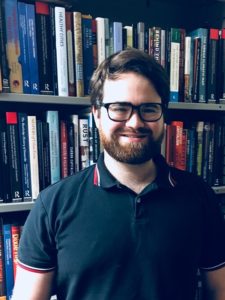
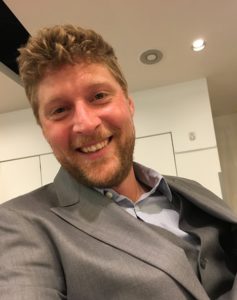
Several graduate students are also a part of the AAG Journals’ editorial team, including Robert Perham who worked as an assistant for the AAG Review of Books. In his own words below, Perham talks about what led him to this position and his experiences working with the AAG publications team.

Hi, I’m Robert Perham. I grew up in Rusper, a small village in the South of England. I recently finished master’s degree in geography at Louisiana State University. I found myself in Baton Rouge by way of a road trip I took across the “deep South,” in 2013! Did I get lost and just decide to stay there, you ask? Kind of, after studying abroad at Rutgers University, NJ, during my undergrad at the University of Manchester, U.K., the road trip provoked my research interests in the U.S. South (particularly Southern identity and Confederate iconography). What better way to fulfil these interests and further my education in geography than pursuing a master’s in Louisiana, I thought. Also, I’d only be just over an hour from New Orleans; a city that as a geographer I find fascinating on so many levels, which is probably why it is one of my favorite cities in the world (Brighton, U.K. is probably my ultimate favorite). When New Orleans was thrusted into the center of national debates over Confederate iconography last Spring, my decision to pursue my academic interests in South Louisiana proved appropriate. Observing the numerous protests that ensued firsthand after the city unveiled its plan to remove four of its Confederate monuments is perhaps my most memorable research experience.

Not long after arriving in Louisiana, I was lucky enough to be offered the chance to work part-time for the AAG Review of Books under Kent Mathewson, the publication’s Editor-in-Chief and my advisor. This was an opportunity I couldn’t pass up and in the two years I spent working in the role, I thoroughly enjoyed commissioning, coordinating, and editing some 250+ book reviews. As an early career scholar, working so closely with Kent and our associate editors was an invaluable experience that taught me so much about editing and the academic publishing process. Personally, I found liaising with many distinguished leaders from across the discipline, commissioning significant books for review, and working with the AAG’s fantastic publications team in D.C. to be the most enjoyable aspects of my work. As I reflect on my stint working for the AAG Review of Books, I’m going to sorely miss being surrounded by bookcase upon bookcase full of new and exciting work that spans the entire discipline.

    Share

AAG Welcomes Three Interns for 2018 Summer

The AAG is pleased to have three interns joining the AAG staff for the summer of 2018!

Alex Lafler is a Junior at Michigan State University pursuing a BS in Geographic Information Science and a BA in Human Geography (along with a Minor in Environment and Health). Alex previously interned at the St. Joseph County Land Resource Centre (Centreville, MI). After Graduation, Alex hopes to pursue a career in GIS or a related field. In his spare time, Alex likes to watch movies and sports (Go Green!), walk as much as he can, and create videos and podcasts.

Christian Meoli is a senior at the University of Mary Washington, double majoring in Geography and Environmental Science with a certificate in GIS. He has interned for the town planning departments in his hometown of Maryland and in his college town in Virginia. Most recently he interned for the Sierra Club in Boston where he explored urban environmental geography. He hopes to bring his academic perspective and enthusiasm for geography to the AAG. In his spare time he enjoys traveling, hiking, and playing tennis.

Jenny Roepe is a rising senior at Virginia Polytechnic Institute and State University, pursuing a B.A. in geography with a minor in geographical information systems and urban and public issues. Last summer Jenny interned for the Fairfax County Park Authority Planning and Development Division. During her time at FCPA, she designed trail maps using GIS software. The maps were posted for public use at various parks in Fairfax County. After graduation, Jenny hopes to pursue a career that combines her passion for the environment with her skills and background in Geographical Information Systems. In her spare time, Jenny likes to read, hike and travel to new places.

    Share

Meet the AAG Journals Editors – David Butler and Nik Heynen

Published six times a year since 1911, the Annals of the American Association of Geographers is one of the world’s foremost geography journals. The articles in the journal are divided into four theme sections that reflect the various scholarship throughout the geographic discipline: Geographic Methods; Human Geography; Nature and Society; and Physical Geography, Earth and Environmental Sciences. There are editors responsible for each of the four themes, two of which are David Butler and Nik Heynen.

The Physical Geography, Earth and Environmental Sciences section editor of the Annals of the American Association of Geographers is David Butler. Butler is a Texas State University System Regents’ Professor in the Department of Geography at Texas State University where he teaches courses on geomorphology, landscape biogeography, biogeomorphology, and Nature and Philosophy of Geography.  With research interests that include geomorphology, biogeography, natural hazards, mountain environments and environmental change, Butler has considerable experience working with physical geography topics. He has also been the recipient of several awards during his career including the Distinguished Career Award from the Biogeography Specialty Group, the Geomorphology Specialty Group, and the Mountain Geography Specialty Group of the AAG as well as a variety of teaching and mentoring awards.

Aside from working with the AAG Journals, Butler has editorial experience that includes serving as Section Editor for Geomorphology for the AAG International Encyclopedia of Geography, as a section editor for the international journal Progress in Physical Geography, and as long-time book review editor for the journal Geomorphology. He has also guest edited/co-edited nine special issues of the journals Physical Geography and Geomorphology.

As an editor for AAG Journals, Butler feels a sense of satisfaction that he is helping to advance physical geography within the discipline. In his mind, the most pressing issue within physical geography right now is “figuring out how to address the concept of the Anthropocene in classical physical geography research and teaching.”  For those who are looking to publish research in physical geography, David says to be sure potential authors completely understand and respect the journal to which they wish to submit research. He adds, “Beyond that, don’t give up! If you feel like you have something important enough to say to be published somewhere, you’re probably right. If your first journal of choice ultimately rejects you, take to heart their critiques and try another journal!”

Nik Heynen is the Human Geography editor for the Annals of the American Association of Geographers, a Professor in the Department of Geography at the University of Georgia, and an adjunct Professor in the Department of Anthropology. At the University of Georgia, Heynen teaches mostly large introductory classes, in addition to graduate seminars.

Heynen’s research, for which he has won several awards including the AAG’s Glenda Laws Award for geographic contributions to social justice research, focuses on urban geography, especially urban social movements and urban political ecology. He is also interested in environmental justice; food/hunger studies; race, class, and gender, and science and technology studies.

While also serving as an AAG Journals editor, over the last seven years Heynen has invested time helping to establish UGA’s Center for Integrative conservation (CICR) and for over three years served as the Director of the Integrative Conservation (ICON) PhD Program that was established by a group who came together through CICR. He recently became the Director of the Geography of the Georgia Coast Domestic Field Study Program based on Sapelo Island.

In addition to the teaching and administrative activities he does at UGA, and he is also currently an editor at a variety of outlets in addition to the Annals. He serves as an editor for Environment and Planning E: Nature and Space and was also the founding editor of UGA’s Geographies of Justice and Social Transformation book series. Since 2006 he has been involved with the journal Antipode, first as the Book Reviews and Interventions editor, than as a general member of the editorial collective and he continues to serve as a trustee of the Antipode Foundation, a U.K. based charity. Part of the work he still does at Antipode is Chair Antipode’s Institute for the Geographies of Justice (IGJ).

Heynen enjoys seeing the work of his colleagues and, as an editor, helping their work develop and be published. He believes that both Black geographies and Feminist geographies are the two most exciting areas of geographic thought at this time, but continues to find great value in Marxist Geography.

Learn more about Nik’s research by visiting his website: nikheynen.com.

    Share

Meet the AAG Journals Editors – Barney Warf and Blake Mayberry

Barney Warf and Blake Mayberry work on The Professional Geographer, one of three academic journals published by the AAG. The Professional Geographer, published four times a year, was initially a publication of the American Society of Professional Geographers but became a journal of the American Association of Geographers in 1949 after the two organisations merged. The focus of this journal is on short articles in academic or applied geography, emphasizing empirical studies and methodologies. These features may range in content and approach from rigorously analytic to broadly philosophical or prescriptive. The journal provides a forum for new ideas and alternative viewpoints.

Barney Warf is the current Editor for The Professional Geographer and a Professor of Geography at the University of Kansas. His professional interests lie within the broad domain of human geography. Much of his research concerns information technology and telecommunications, notably geographies of the internet, including fiber optics, the digital divide, and e-government. He has also written on military spending, electoral geography, religious diversity, cosmopolitanism, and corruption. While most of his research involves secondary data, Barney’s most memorable research experiences have involved doing interviews in Latin America, particularly in Panama and Costa Rica, that added a human depth to the topics he researched. He has authored, co-authored, or co-edited eight research books, three encyclopedias, three textbooks, 50 book chapters and more than 100 refereed journal articles.

In addition to serving as editor of The Professional Geographer, he also currently serves as the editor of Geojournal, co-editor of Growth and Change, and edits a series of geography texts for Rowman and Littlefield publishers. For Barney, the best thing about being a journal editor is “reading about the diverse set of topics that authors write about. It’s truly astonishing the things people choose to research. Being an editor has exposed me to all sorts of issues and worldviews that I didn’t know existed.” For new authors, Barney encourages them to “keep an eye on important issues in the world like poverty and inequality. I worry that at times geography becomes overly ‘academic’ and too concerned with relatively obscure issues that have little bearing on the ‘real world.’”

Barney’s teaching interests include urban and economic geography, the history of geographic thought, globalization, and contemporary social theory. When asked about which area of geographic thought needs the most attention at this point in time, Barney believes “human geography today is at the confluence of several intersecting lines of theory, including poststructuralism, postcolonialism, feminism, queer theory, and the social construction of nature. I think the most interesting works are those that bring these perspectives into a creative tension with one another.”

Blake Mayberry is the editorial assistant for the Professional Geographer where his role is to help screen manuscripts initially for style and then to assign appropriate peer reviewers. Blake is also currently Assistant Professor of Geography at Red Rocks Community College where he edits an on-campus student-oriented scholarly journal, teaches in the Water Quality Management Program (a four-year program), and serves on the City of Golden Planning Commission.

Blake’s path to become a geographer has been appropriately circuitous, but he could start in the beginning: as a child he slept with a globe instead of a teddy bear! At times Blake wanted to be Indiana Jones, and at other times, Leonardo DaVinci. He found that geography was the best way to satisfy the scientific, analytical side of my brain, while also indulging my more romantic, artistic side. As a career, He also found geography to be extremely rewarding. Blake has worked as an urban planner in the Omaha metropolitan area, and with environmental groups conducting ecological restoration and advocating for the protection of native ecosystems.

Blake has done research on topics ranging from urbanization and water resources in the southwestern United States, to the Indian Removal Period during the nineteenth century. However, his real passion is for grasslands. His master’s thesis at the University of Nebraska-Omaha focused on the effort to create a national park in western Iowa’s Loess Hills in the aftermath of the Farm Crisis, specifically, the role that media play in natural resource conservation policy. Expanding on that theme, his dissertation research at the University of Kansas involved an ethnographic study of environmentalists working to restore prairies on the Great Plains and how cultural identity and sense of place influence people’s actions to remake the landscape. In his spare time Blake enjoys reading maps, drawing maps, and exploring places real-life places that he find on maps.

Blake encourages prospective authors to read as much as they can before publishing: “Engage with the literature, all of it, in depth, all the time, all throughout your research… as someone who sees a lot of manuscripts come and go at the PG, the really successful ones, and the ones that end up having the most impact on the discipline, are the those that engage deeply with theory, and from multiple perspectives. Resist the temptation to get into a ‘citation silo,’ where you only engage with the literature on your subject matter from the perspective of your PhD advisor and their former students. There is nothing more I love than to see a manuscript on spatial regression that cites Tuan! I tell my students that your written work reflects your effort, and I’d say the same about being a scholar – your lit review tells us whether you did your homework or not. Doing your homework will go a long way towards preventing revise and resubmits, and outright rejections.”

    Share

AAG Snapshot: Grants & Awards

One of the AAG’s most time-honored programs are the AAG Grants and Awards, annually recognizing students, scholars, and geographers of all types. The AAG has a long history of supporting and recognizing geographers’ accomplishments and contributions through its many prestigious awards presented to AAG members, students, early career, mid-career, and senior faculty.

As of today, AAG administers more than 43 awards to honor and assist members not only to participate in, or attend the Annual Meeting but also in support of their researchinstructionmentoringdiversity-related or anti-racist  work  as well. Some awards, such as the AAG Honors, which are the AAG’s highest awards, serve to recognize significant achievement, while others provide funding for education, projects, or travel. Overall, the AAG Grants and Awards program offers a range of opportunities for members to apply for, nominate others, and help fund various distinctions. Often, the namesakes of awards such as Brunn, Nystrom, Marcus, Rose, Wilbanks and others, represent geographers who had a profound influence on the discipline. Below is a quick overview of just some of the AAG Grants and Awards. A full list of all opportunities is available online.

Student Grants and Awards

There are various student awards and grants to support continuing education or advanced research. The Darrel Hess Community College Geography Scholarship awards two scholarships annually to students from community colleges, junior colleges, city colleges, or similar two-year educational institutions who will be transferring as geography majors to four year colleges and universities. Undergraduates can apply for the Marble-Boyle Undergraduate Achievement Award in Geographic Science which recognizes excellence in academic performance by undergraduate students from the United States and Canada who are putting forth a strong effort to bridge geographic science and computer science.

For graduate students, the AAG offers students the ability to apply for doctoral dissertation research support in the form of small grants up to $1000 to PhD candidates of any geographic specialty. The Nystrom Award is a prestigious annual prize given for a paper based upon a recent dissertation in geography. Several grants and awards are specifically designed to support graduate student attendance at the Annual Meeting such as the AAG Council Award for Outstanding Graduate Student Paper at a Regional Meeting.

Opportunities for Faculty and Programs

The AAG provides Research Gants up to $500 to support research and fieldwork conducted by faculty. For faculty wishing to do research with others, the Marcus Fund for Physical Geography assists faculty who wish to provide their graduate students with a fieldwork experience. Results of research can also be recognized at the AAG Annual Meeting with the AAG Book Awards that celebrate recently published titles in geography.

The AAG recognizes geography departments and programs for their efforts in enhancing the geographic discipline and providing excellent support for students. The AAG Program Excellence Award is given annually to an outstanding geography department or program. The award is granted to baccalaureate programs, to terminal master’s programs, and in 2019 the AAG will add geography programs in community colleges and two-year degree granting  institutions into the rotation for this award. Departments and programs must be nominated by their AAG Regional Division for consideration for this award.

Service to and Support of AAG Grants & Awards

The AAG Grants and Awards represents a fantastic way to become more involved in service to the discipline while also honoring those geographers who have made a difference in your life. Many honors are awarded through nominations from friends and colleagues, a meaningful contribution to the discipline recently stressed by AAG President Derek AldermanAwards Committees, such as the Honors Committee, seek new volunteer members each year to help to identify candidates for the AAG Honors and the AAG Fellows, which recognizes geographers who have made significant contributions to advancing geography. Funding for the AAG Grants and Awards is frequently supported by contributions from members. Many of these awards would not be possible without nominations and also monetary support from AAG members. To donate to an award or grant fund, visit the AAG donation page.

Annual Meeting Funding

For non-geographers who are not students and will be attending the AAG Annual Meeting, the AAG Enrichment Fund covers meeting related expenses through an application process. The Community College Travel Grants also offer students from community colleges, junior colleges, city colleges, or similar two-year educati/cs/grants/college_travelonal institutions the opportunity to receive support for travel to the AAG Annual Meeting.  Beyond the AAG administered grants and awards, the Regional Divisions and more than 70 Specialty Groups also offer numerous opportunities for recognition and funding of over $50,000 per year. No matter who you are, there’s sure to be an AAG award or grant that fits you.

AAG Awards Luncheon

Inaugural class of AAG Fellows receives recognition at the 2018 AAG Awards Ceremony

AAG grants and awards as well as some Specialty Group awards are formally given out during the Awards Luncheon held annually at the AAG Annual Meeting. The AAG Awards Luncheon is an excellent occasion to celebrate and congratulate the award recipients for their achievements and accomplishments in scholarship, service, publishing, and education. Tickets are sold individually or by table each year.

Do you have more questions about grants and awards? Be sure to visit the AAG Awards Calendar for upcoming deadlines and award details. For additional information, email: AAG grants and awards at grantsawards [at] aag [dot] org or Candida Mannozzi at cmannozzi [at] aag [dot] org.

The AAG Snapshots series, first launched at the 2017 Annual Meeting, provides insight on and information about different aspects of the projects, programs, and resources of the association. Do you have suggestions for future Snapshots content from AAG staff? Email cluebbering [at] aag [dot] org.

    Share

Mid Atlantic Division Team Takes 2018 World Geography Bowl Title

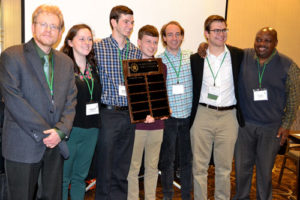
Mid Atlantic Division Team Takes 2018 World Geography Bowl Title. AAG President Derek Alderman (far left) presented the new championship award.

The Mid Atlantic Team won first place in the 2018 World Geography Bowl, an annual quiz competition for teams of college-level geography students representing the AAG’s regional divisions. The 2018 event was a milestone, marking the 25th year for hosting the event during the AAG Annual Meeting.

On April 11, while the International Reception was pumping away upstairs, the World Geography Bowl was underway on the third floor of the Sheraton Hotel in New Orleans. Ten teams representing eight of the regional divisions as well as two ad hoc spoiler teams competed in the 9 round preliminary match up. The eight divisions represented were: Mid Atlantic, East Lakes, West Lakes, Southwest, Southeast, Great Plains/Rocky Mountain, New England-St. Lawrence Valley, and Middle States Divisions. The two spoiler teams were aptly named Longitude and Latitude.

The championship round challenged the top two teams from the round-robin preliminaries: Southeast and Mid Atlantic. After a neck and neck round of toss-up questions, Mid Atlantic pulled out the victory in the team question portion of the final. AAG President Derek Alderman was on hand during the final round to serve as the guest judge and grantor of the prize atlases courtesy of National Geographic Society to the winning team.

Most of the students who participate on the regional teams are chosen during their respective regional division Geography Bowl competition held during their regional division annual meeting each fall. All students who participate receive funding from their regional division as well as the AAG in order to help offset the costs of attending the AAG Annual Meeting.

The winning Mid Atlantic Division team’s roster was:

  • Matthew Cooper, University of Maryland
  • Christine MacKrell, George Washington University
  • Brian Slobotsky, University of Maryland
  • Zachery Radziewicz, Salisbury University
  • Daniel Milbrath, Salisbury University

The first runner-up Southwest Division team’s roster was:

  • Jesse Andrews, Appalachian State University
  • William Canup, University of North Carolina, Greensboro
  • Jacob Cecil, University of Tennessee, Knoxville
  • Darby Libka, University of Mary Washington
  • Randi Robinson, Mississippi State University
  • Jared White, University of West Florida

The second runner-up Great Plains/Rocky Mountain team’s roster was:

  • Tristan Boyd, University of Colorado, Denver
  • Karl Bauer, Kansas State University
  • Sara Newman, University of Colorado, Denver
  • Peter Brandt, North Dakota State University
  • Lindy Westenhoff, University of Wyoming
  • Jonathon Preece, University of Wyoming
  • Sujan Parajuli, South Dakota State University

In addition to team prizes, the top individual scorers are also acknowledged. The Most Valuable Player of the 2018 World Geography Bowl was Jesse Andrews from Appalachian State University (SEDAAG) who was presented with an atlas courtesy of Gamma Theta Upsilon.

The remaining top five individual scorers listed in order of points received were:

  • Matthew Cooper, University of Maryland Graduate Student (MAD)
  • Kate Rigot, University of Colorado, Denver Graduate Student (Team Latitude)
  • Deondre Smiles, Ohio State University Graduate Student (East Lakes)
  • Tristan Boyd, University of Colorado, Denver Undergraduate Student (Great Plains/Rocky Mountain)

Thanks to the 2018 WGB prize donors and volunteers

Organizers of the World Geography Bowl would like to express thanks to the countless volunteer question writers, team sponsors/coaches, moderators, judges, and scorekeepers who make the competition possible, and to the many students who competed across the country. We would like to recognize the volunteers this year as: Paul McDaniel (Kennesaw State University), Wesley Reisser (US Department of State & George Washington University), Rob Edsall (Idaho State University), Dawn Drake (Missouri Western State University), Richard Deal (Edinboro University of Pennsylvania), Zia Salim (California State University at Fullerton), Ronnie Schumann (University of North Texas), Liz Lowe (GIS Technician, New Orleans City Park), Jim Baker (University of Nebraska-Omaha) Patrick May (Plymouth State University), Jase Bernhardt (Hofstra University), Mel Johnson (University of Wisconsin-Manitowoc), Olumide Olufowobi (University of Lagos), Megan Heckert (West Chester University), Tom Bell (University of Tennessee) Peggy Gripshover (Western Kentucky University), Amber Williams (West Virginia University), Lee Ann Nolan (Pennsylvania State University), Jeff Neff (Western Carolina University), Casey Allen (University of Colorado, Denver).

World Geography Bowl organizers thank its supporters, who generously donated atlases, books, gift certificates, software, plaques, and clothing – Texas State University, National Geographic Society, Pearson, Gamma Theta Upsilon, University of Georgia Press, Clark Labs, Esri, Guilford Press, Syracuse University Press, Penguin Random House, American Geosciences Institution, and Expedia – who recognize the important role the competition plays in building a sense of community and generating excitement around geographic learning. Your continued support is truly appreciated.

A special thank you goes out to the World Geography Bowl executive director, Jamison Conley (West Virginia University) for his volunteer efforts at organizing the bowl since 2015.

 2019 World Geography Bowl – Washington, D.C.

The 2019 World Geography Bowl competition will be held in Washington, D.C. in April 2019. Regional competition typically occur during the fall at respective AAG regional meetings, where regional teams for the national competition are usually formed. For more information on organizing a team or volunteering at the national event, contact the World Geography Bowl executive director, Jamison Conley at West Virginia University at Jamison [dot] Conley [at] mail [dot] wvu [dot] edu or the AAG Geography Bowl coordinator, Emily Fekete at efekete [at] aag [dot] org. To learn more about the 2019 World Geography Bowl, follow updates posted here.

In addition, a photo album of the event will be shared soon.

    Share

Meet the AAG Journals Editors – Stephen Hanna

Dr. Stephen Hanna recently joined the AAG Journals’ editorial team as the Cartography Editor for the AAG suite of journals: the Annals of the Association of American Geographers, the Professional Geographer, and GeoHumanities.

Hanna is a full professor of geography and former chair of the Department of Geography at University of Mary Washington. His cartographic editorial experience is extensive, for example, Hanna has served as the cartography editor for two edited volumes on tourism, Mapping Tourism and Social Memory and Heritage Tourism Methodologies, as well as produced dozens of maps for personal publications in both academic and public outlets. As cartography editor, Hanna “enjoys engaging with a wide variety of graphics including some innovative ways of visualizing both qualitative and quantitative information.”

Hanna’s research is focused on critical cartography and heritage tourism, and his expertise is well documented in numerous cartographic projects. Some of his most recent NSF-funded team research involved investigating how slavery is (or is not) addressed in the landscapes, narratives, and performance that constitute southern plantation museums as heritage places.

In addition to ensuring that the maps and figures printed in the AAG suite of journals meet high quality cartographic standards, Hanna envisions his role as editor to include continued mentorship of students, a key component of his current work at an undergraduate focused institution.

Hanna offers the following advice for prospective publishers in geography: “As cartography editor, I’m focused on the maps people create to accompany their articles. Please don’t settle for the default map design options found in most GIS software packages. Take a little time to consider how best to encourage your readers to spend some time examining your maps. After all, you are including them to clearly communicate your findings or to support your argument.”

    Share

Free Webinar on Wildfire Management Strategies, May 16 (CEUs available)

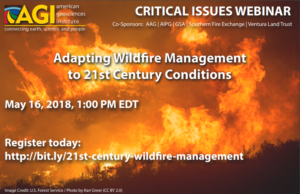
The American Geosciences Institute’s Critical Issues Program is pleased to offer a free webinar in partnership with the American Association of Geographers, “Adapting Wildfire Management to 21st Century Conditions,” on May 16th at 1:00 PM EDT.

Critical Issues Webinar: “Adapting Wildfire Management to 21st Century Conditions”

The combination of frequent droughts, changing climate conditions, and longer fire seasons along with urban development expansion into wildland areas has resulted in more difficult conditions for managing wildfires. Over the last several decades, the size of wildfire burn areas has increased substantially and nine of the 10 years with the largest wildfire burn areas have occurred since 2000. Wildfires are causing more frequent and wider-ranging societal impacts, especially as residential communities continue to expand into wildland areas.  Since 2000, there have been twelve wildfires in the United States that have each caused damages exceeding a billion dollars; cumulatively these twelve wildfires have caused a total of $44 billion dollars in damages. As of 2010, 44 million homes in the conterminous United States were located within the wildland-urban-interface, an area where urban development either intermingles with or is in the vicinity of large areas of dense wildland vegetation. These challenging conditions present a unique opportunity to adapt existing wildfire policy and management strategies to present and future wildfire scenarios.

This Critical Issues webinar explores recent trends in wildfires and changes in contributing factors / drivers of these hazards, and features case studies of wildfire policy and management strategies in the western and southern United States.

The webinar speakers are:

  • Tania Schoennagel, Ph.D., Research Scientist, University of Colorado-Boulder, INSTAAR
  • David Godwin, Ph.D., Southern Fire Exchange / University of Florida
  • Vaughan Miller, Deputy Chief, Ventura County Fire Department

AGI would like to recognize the webinar co-sponsors: American Association of Geographers, American Institute of Professional Geologists, Geological Society of America, Southern Fire Exchange, and the Ventura Land Trust.

To register for this webinar, please visit: https://crm.americangeosciences.org/civicrm/event/register?reset=1&id=112

After registering, a confirmation email containing information about joining the webinar will be sent to you. AGI will post a recording of the webinar on the Critical Issues program’s website after the event. If you cannot make the webinar but would like to be informed about the recording, please register and AGI will notify you as soon as the recording is available.

CEUs:
All registrants who have paid for CEUs from the American Institute of Professional Geologists and attend the entire duration of the live webinar will receive 0.1 CEUs from AIPG.

If you have any questions about this webinar, please contact Leila Gonzales at lmg [at] americangeosciences [dot] org.

Additional upcoming AGI webinars:

May 11th, 1:00 PM EDT: The Current and Mid-21st Century Geoscience Workforce

    Share

2018 AAG Book Awards Announced

The AAG is pleased to announce the recipients of the three 2018 AAG Book Awards: the John Brinckerhoff Jackson Prize, the AAG Globe Book Award for Public Understanding of Geography, and the AAG Meridian Book Award for Outstanding Scholarly Work in Geography. The AAG Book Awards mark distinguished and outstanding works published by geography authors during the previous year, 2017. The awardees will be formally recognized at the Awards Luncheon during the 2018 AAG Annual Meeting in New Orleans.

The John Brinckerhoff Jackson Prize

This award encourages and rewards American geographers who write books about the United States which convey the insights of professional geography in language that is both interesting and attractive to lay readers.

Stephen HornsbyPicturing America: The Golden Age of Pictorial Maps (University of Chicago Press, 2017)

Stephen J. HornsbyPicturing America: The Golden Age of Pictorial Maps (University of Chicago Press). A visual feast, Picturing America combines gorgeously reproduced examples of the many types of pictorial maps with erudite yet deft and graceful text. Hornsby defines this previously underappreciated and understudied genre of popular cartography, which he shows to be a mirror of American society from the exuberant, confident 1920s through World War II and the Cold War. He is particularly attentive to the mapmakers, including women, many of them graphic artists, who defied or skirted cartographic convention to create delightful, clever maps that connected immediately with their audience. This book is likely to make an impact beyond the discipline while it contributes to geographers’ and cartographers’ current interest in story maps and emotional, spatial narrative.

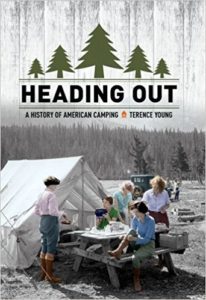
Terence YoungHeading Out: A History of American Camping (Cornell University Press, 2017)

Terence YoungHeading Out: A History of American Camping (Cornell University Press). This very engaging, clearly written book is based on rich archival sources. Young tells the history of Americans’ love of camping in relation to individuals who shaped its changing ideals and practices. Young’s intellectual framework explains camping’s paradoxical relationship to modernity. The escape from cities that camping represented for many Americans also brought the city to what was perceived as wilderness, through the mediation of camping technologies and campers’ impact on the landscape. The book will appeal to readers of many kinds who like to get away by heading out to nature – and it will help them understand their own impulse and its historical roots.

The AAG Globe Book Award for Public Understanding of Geography

This award is given for a book written or co-authored by a geographer that conveys most powerfully the nature and importance of geography to the non-academic world.

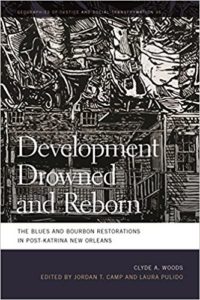
Clyde Woods, Development Drowned and Reborn: the Blues and Bourbon Restorations in Post-Katrina New Orleans edited by Jordan Camp and Laura Pulido, (University of Georgia Press, 2017)

Development Drowned and Reborn, is a stunning re-imagining of black geographies and the immensely complex historical geographies of New Orleans from its origins in the late 18th century to the post-Katrina present. Drawing on a wealth of archival sources to relate the stories of grassroots intellectuals, laborers, farmers, musicians, and leaders of New Orleans’ diverse black communities, this tour-de-force of creativity and scholarship re-interprets the city’s history as a constant interplay between the oppressive, imperialist, and capitalist forces of white supremacist Bourbonism, with what Woods calls the “Blues epistemology,” a worldview and set of practices encompassing freedom, sustainability, community, and beauty through art in the midst of everyday struggles for survival. The resulting book will inspire a new generation of thinking about critical geographies of the past and present.

 The AAG Meridian Book Award for Outstanding Scholarly Work in Geography

This award is given for a book written by a geographer that makes an unusually important contribution to advancing the science and art of geography.

Julie Michelle KlingerRare Earth Frontiers: From Terrestrial Subsoils to Lunar Landscapes (Cornell University Press, 2017)

The 2017 AAG Meridian Book Award goes to Julie Michelle Klinger for her superb new book:  Rare Earth Frontiers:  From Terrestrial Subsoils to Lunar Landscapes.   Clearly written and appealing to a wide, general audience, Rare Earth Frontiers lays bare the complex web of relationships involved in the production and consumption of the rare-earth minerals that power a great many technologies upon which we grow increasingly dependent.  These include miniaturized electronics, telecommunication systems, medical technologies, solar energy technologies, and defense systems.  In short, some of our most vital technological systems today would not be possible without minerals such as Dysprosium.

Intensively researched in multiple locations around the globe, and sourced in multiple languages, Rare Earth Frontiers advances the art and science of geography on several levels.  It provides a firm grounding in the physical elements of the geology and production of the minerals, and at the same time it illustrates their crucial role in geopolitics, especially Sino-American relations.  It also explains their role played in what Klinger terms “scarcity myths.”  Perhaps most important, though, is the way that Klinger is able to represent the massive damage done to the environment in the quest for these minerals, and the concomitant damage done to countless humans caught in the web of production.

Moreover, and rare for an academic monograph, Klinger provides her readers with some concrete suggestions for possible ways to ameliorate the situation and outlines an agenda for future research.  Klinger, in the end, asks us to see past the dominant, manipulative narratives of scarcity to learn from history “to build a more just and sustainable future.”  Rare Earth Frontiers will help us to do just that.

    Share

AAG Announces 2018 AAG Award Recipients

The American Association of Geographers congratulates the individuals and entities named to receive an AAG Award. The awardees represent outstanding contributions to and accomplishments in the geographic field. Formal recognition of the awardees will occur at the 2018 AAG Annual Meeting in New Orleans during the AAG Awards Luncheon on Saturday, April 14, 2018.

2018 AAG Harm de Blij Award for Excellence in Undergraduate Teaching

This annual award recognizes outstanding achievement in teaching undergraduate Geography including the use of innovative teaching methods. The recipients are instructors for whom undergraduate teaching is a primary responsibility.  The award consists of $2,500 in prize money and an additional $500 in travel expenses to attend the AAG Annual Meeting, where the award will be conveyed. This award is generously funded by John Wiley & Sons in memory of their long-standing collaboration with the late Harm de Blij on his seminal Geography textbooks.
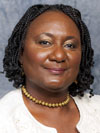
Dr. Fenda Akiwumi, University of South Florida

Fenda Akiwumi is an Associate Professor of Geography at the University of South Florida with affiliations with Africana Studies, the Honor’s College, and the Patel College of Global Sustainability. Her teaching has already been recognized with an Outstanding Undergraduate Teaching Award from USF and a Higher Education Teaching Award from the National Council for Geographic Education, both received in 2017.

Dr. Akiwumi teaches a variety of undergraduate courses, including World Regional Geography, Global Conservation, Sustainability and Development, and Environmental Conservation and Policy. In addition, she has taken students to Ghana and Guyana, and she teaches at USF’s Honors College, where she has directed a number of undergraduate theses. The Assistant Dean of the Honors College, Shawn Bingham, notes that Dr. Akiwumi is, “…the rare faculty member who views teaching, service and research not as discreet categories, but as threads woven into a larger vocation. Her courses link the classroom to the community and the local to the global. She teaches students in their very first semester of college who have in some cases never travelled outside of our Tampa area.”

Students have described Akiwumi as passionate, inspiring and relatable. Former student, Ivana Kajtezovic, writes, “I am confident Professor Akiwumi has impacted many students’ lives, just as she has impacted mine. It is professors like her that make the university experience memorable. It is professors like her that shape young minds and inspire them. It is professors like her who open the door to knowledge and not simply information. I could not think of an educator more worthy of this award.”

Dr. Lawrence Estaville, who nominated her for this award, echoes these sentiments, describing Dr. Akiwumi as, “…a dynamic, articulate teacher who deeply and sincerely cares that her students do well and, at the same time, that they are intellectually challenged.”

2018 AAG E. Willard and Ruby S. Miller Award

This annual award recognizes members of the Association who have made truly outstanding contributions to the geographic field due to their special competence in teaching or research. Funding for the award comes from the estate of Ruby S. Miller. More than one award may be awarded each year. Each award includes $1,000 and a commemorative plaque.

Judith A. Tyner, California State University, Long Beach

The AAG Awards Committee selected Professor Emerita Judith A. Tyner from the Department of Geography, California State University, Long Beach (CSULB) for the 2018 AAG E. Willard and Ruby S. Miller Award. The award recognizes members of the Association who have made truly outstanding contributions to the geographic field due to their special competence in teaching and/or research.

Tyner’s career has been as long as it has been distinguished, and as far-reaching as it has been pioneering. Over nearly five decades, she has made significant contributions to the fields of map design, historical cartography, women in cartography, textile maps, persuasive cartography and lunar cartography. She has made particularly important contributions to the development and teaching of GIS at CSULB, and has been a champion for women in both geography and, more specifically, cartography. Moreover, Tyner’s research into women cartographers during World War II engages directly with the work of Ruby Miller in the Office of Strategic Services during the American war effort. Such parallelism makes her a uniquely deserving recipient of the Miller Award.

Tyner has written and edited seven books, has published 39 journal articles and book chapters, and delivered 86 conference presentations. She has also contributed 36 invited reviews on cartography and GIS. Of particular note are her textbooks, The World of Maps and Mapping and Principles of Map Design, which have provided key texts for the teaching of cartography since the early 1970s. Her published outputs are all the more remarkable given the heavy teaching commitments of the California State University system.

Tyner’s ground-breaking research, excellent teaching record and overarching professionalism render her a clear and deserving winner of the 2018 AAG E. Willard and Ruby S. Miller Award.

2018 Wilbanks Award for Transformational Research in Geography

The AAG Wilbanks Award for Transformational Research in Geography will honor researchers from the public, private, or academic sectors who have made transformative contributions to the fields of Geography or GIScience. Provided there is sufficient availability of funds, the Wilbanks Award will consist of a cash prize of $2,000 and include a memento with the name of the Award and the recipient.
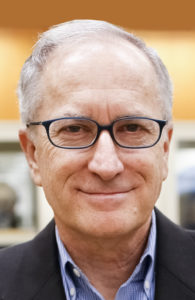
Douglas Richardson, American Association of Geographers

Dr. Douglas Richardson, Executive Director of the American Association of Geographers (AAG), is the inaugural recipient of the AAG Wilbanks Award for Transformational Research in Geography.

His selection is based on his outstanding and far-reaching research contributions to Geography, GIScience, and geographic technologies, which have impacted and transformed nearly every aspect of the discipline of geography, as well as science and society more broadly. Dr. Richardson was Founder and President of GeoResearch, Inc., which invented, developed and patented the first real-time interactive GPS/GIS mapping and data collection technology in the late 1980s and early 1990s. This breakthrough innovation enabled for the first time ever, the continuous and mobile creation of highly accurate real-time geospatial location, attribute, and temporal data, and its simultaneous integration with GIS for interactive real-time use for innumerable applications as the user moves through various environments. This technology is also central to the explosive and pervasive growth and availability of new spatio-temporal data, now generally referred to as Big Data.

As part of his leadership at the AAG, Dr. Richardson has developed the ability to undertake major strategic research programs that advance the discipline broadly, for example, in areas such as Geography and Health Research, Geographic Technologies and Sustainable Development, Space-Time Integration in GIScience, and on the interactions between Geography and the Humanities. Dr. Richardson also has very successfully promoted geospatial approaches to health research and opened up pathways for health research and discovery, and has created new opportunities for geographers and GIScientists to play a major role in health and medical research. Dr. Richardson published these results as the lead-author in an article entitled “Spatial turn in health research” in Science in 2013.

Doug Richardson embodies the ideals of Tom Wilbanks’ own research, which also spanned the public, private, and academic spheres. For all these reasons Dr. Richardson is an ideal and exemplary inaugural awardee for the AAG Wilbanks Award for Transformational Research in Geography.

2018 Glenda Laws Award

The Glenda Laws Award is administered by the American Association of Geographers and endorsed by members of the Institute of Australian Geographers, the Canadian Association of Geographers, and the Institute of British Geographers. The annual award and honorarium recognize outstanding contributions to geographic research on social issues. This award is named in memory of Glenda Laws—a geographer who brought energy and enthusiasm to her work on issues of social justice and social policy.
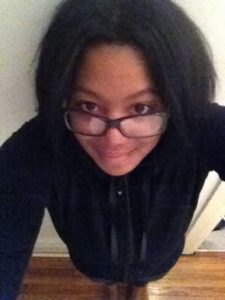
Sharlene Mollett, University of Toronto Scarborough

Dr. Sharlene Mollett of the University of Toronto Scarborough’s Department of Human Geography and Centre for Critical Development Studies is being recognized with the AAG 2018 Glenda Laws Award, as she is an outstanding critical social geographer, who has made a significant impact on feminist political ecologies. She has been influential in establishing the study of postcolonial intersectionality through her work on Latin America.

Dr. Mollett’s work has always been critical and cutting edge. She began her career studying race, gender and property rights in Honduras. In doing so, her work brought critical race theory into discussion with political ecology, something few scholars were considering at the time. She draws from postcolonial political geographies, historical geographies of race, as well as policy documents to reveal how modern day ex-patriot tourism development reinforces historically-produced racial regimes in the region. More recently, Dr. Mollett has turned her attention to space, power, rights and development. Specifically, she is exploring how power-laden historical geographies shape present day land claims and citizen rights. She argues that development discourses continue to dehumanize Afro-descendants and Indigenous peoples in Latin America, particularly women. Notably, Dr. Mollett was invited to speak about this work as the plenary speaker for the Jan Monk Distinguished Lecture at the 2016 AAG Annual Meeting.

With her work, Dr. Mollett intends to inspire justice-oriented debates in geography and contribute to on-the ground change in development practice. Importantly, she is increasingly bringing her research and writing to audiences beyond academia, through media publications and policy documents. Overall, her work has made significant contributions to discussions of race and gender in geography. Dr. Sharlene Mollett is a most deserving recipient of the AAG 2018 Glenda Laws Award.

2018 AAG Award for BA/BS Program Excellence  

This annual award and cash prize honors Geography departments and Geography programs within blended departments that have significantly enhanced the prominence and reputation of Geography as a discipline and demonstrated the characteristics of a strong and engaged academic unit. The award honors non-PhD granting Geography programs at both the baccalaureate and master levels.

Department of Geography SUNY – Geneseo

Founded in 1967 and currently celebrating its 50th anniversary as a degree-granting Bachelors program, SUNY-Geneseo is committed to curricular innovation, active student organizations and alumni relations, faculty research, and disciplinary engagement both on and off campus, regionally and nationally. The SUNY-Geneseo program has grown robustly over the past fifteen years, from less than thirty undergraduate majors in 2002-2003, to over a hundred majors in the fall  of 2017. This increase in student interest in geography has been generated by an exciting curriculum that blends human and physical geography and offers undergraduates study abroad experiences to Canada, Argentina, the Netherlands, and elsewhere.

On campus, SUNY-Geneseo offers both GIS and physical geography laboratories, field courses, and institutional support to invest in facilities such as a ‘wet lab’ with flumes and other hydrological simulation features. The Department also offers minors in Geography, Environmental Studies, and Urban Studies, alongside a concentration designed specifically to support the institution’s Education degree.

With eight tenure-track faculty, the Department hosted the 2017 meeting of the AAG’s Middle States Division and has a strong track record of encouraging undergraduate students to present their own scholarship at this conference and others.  The AAG Program Excellence Award Committee applauded the Department’s social media efforts through its active Facebook page, and the manner in which it has reached out on campus to augment curricula offered by programs ranging from Africana Studies and Conflict Studies to International Relations.

Off campus, SUNY-Geneseo offers students opportunities to develop their research at the nearby Letchworth State Park; to work with organizations like YouthMappers and the local chapter of Friends of Recreation, Conservation, and Environmental Stewardship; and to pursue service-learning and internships in the Rochester-Geneseo area of upstate New York. Also notable is the Department’s commitment to supporting faculty research, faculty co-authoring with students, and successful applications for external grants and research awards that have enabled faculty to fund undergraduate student research assistantships. The Committee was particularly impressed by SUNY-Geneseo’s engagement with its alumni, bringing them back to campus annually to meet current undergraduate students, and raising funds to support fieldwork and other departmental extra-curricular activities.

In sum, SUNY-Geneseo is a Department where collaboration between faculty, students, and the local community delivers an exemplary learning experience for undergraduate geographers.

Honorable Mention

Department of Geography, Macalester College

The AAG recognizes Macalester College, in St. Paul, Minnesota with an honorable mention for the quality of its Bachelors program, which delivers to undergraduate students a curriculum centered on civic engagement, and a faculty that is active in numerous research endeavors and in service to the discipline.

2018 AAG Dissertation Research Grants

The AAG provides support for doctoral dissertation research in the form of small grants of up to $1000 to PhD candidates of any geographic specialty.

Nerve Macaspac, UCLA

Maegen Rochner, University of Tennessee

Mayra Roman-Rivera, University of South Carolina

Dara Seidl, San Diego State University

Md Azmeary Ferdoush, University of Hawaii at Manoa

Mark Rhodes, Kent State University

Kevin Mwenda, University of California at Santa Barbara

2018 AAG Research Grant

AAG Research Grants are competitively awarded to provide direct expenses of research or fieldwork that address questions of major importance to the discipline excluding master’s or doctoral dissertation research.

Nathan Gill, Clark University

2018 AAG Community College Travel Grants

Provides financial support for students from community colleges, junior colleges, city colleges, of two-year educational institutions to attend the Annual Meeting and enjoy a complimentary year of AAG membership.

Cameron Arceneaux, Lone Star College-Kingwood, Texas

Perla Veloz, Rio Hondo College, California

2018 AAG Darrel Hess Community College Geography Scholarships

Outstanding students from community colleges, junior colleges, city colleges, or two-year educational institutions who will be transferring as geography majors to four-year universities receive support and recognition from this scholarship program, including $1,500 for educational expenses.  The scholarship has been generously provided by Darrel Hess of the City College of San Francisco to 31 students since 2006.

Julie Burcham transferring from Grossmont Community College to San Diego State University

Jacob Gagnon transferring from Sinclair Community College to the University of Cincinnati

Mario Perez and Tony Vo transferring from Montgomery College to the University of Maryland

    Share