2026 AAG Awards Recognition

AAG recognizes geographers for their work and achievements in geography. We will continue to add our awardees as soon as they are announced.
AAG Honors
AAG Honors are offered annually to recognize outstanding accomplishments by members in research and scholarship, teaching, education, service to the discipline, public service outside academe and for lifetime achievement.
The AAG Honors are selected by the AAG Honors Committee, which is elected by the AAG Membership. The committee for the 2026 AAG Honors is comprised of Yongmei Lu, Texas State University (chair); Cindi Katz, The City University of New York; Chandana Mitra, Auburn University; Joann Mossa, University of Florida; LaToya Eaves, University of Tennessee; Kara E. Dempsey, Appalachian State University; Joseph Oppong, University of North Texas; Dawna Cerney, Youngstown State University; Michaela Buenemann, New Mexico State University; Ashley Wallace, AAG (staff liaison).
AAG Distinguished Scholarship Honors
Mark D. Schwartz
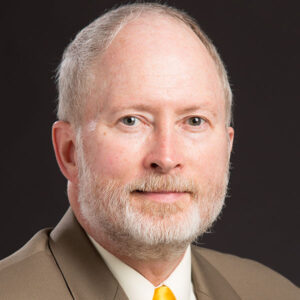 Distinguished Professor Mark D. Schwartz, of the University of Wisconsin–Milwaukee, is internationally recognized for founding the subdiscipline of phenoclimatology—the integrative study of relationships between seasonal biological activity and climate. Over four decades, his pioneering work has transformed understanding of vegetation phenology and its central role in assessing and predicting global environmental change. A prolific and influential scholar, Dr. Schwartz has authored more than one hundred peer-reviewed publications, edited three landmark editions of Phenology: An Integrative Environmental Science, and sustained continuous support from the National Science Foundation. His development of the “Spring Indices” revolutionized how scientists and agencies track the onset of the growing season, establishing indicators now used by the U.S. Global Change Research Program, the Environmental Protection Agency, and the USA National Phenology Network, which he co-founded. Through visionary research, mentorship, and leadership, Dr. Schwartz has elevated phenology from a niche topic to a core dimension of climate science. His work exemplifies geography’s power to bridge disciplines and connect data-driven inquiry with environmental understanding.
Distinguished Teaching Honors
Seth Appiah-Opoku
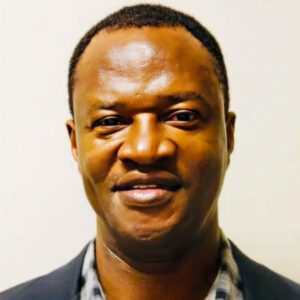 Dr. Seth Appiah-Opoku is honored with the AAG Distinguished Teaching Award for his exceptional contributions to geographic education over nearly three decades. A professor at the University of Alabama since 2002, he has demonstrated a deep commitment to student learning, curriculum innovation, and mentorship. His teaching blends interdisciplinary perspectives with experiential learning, including international field programs in Ghana.
Dr. Appiah-Opoku’s impact is reflected in the success of his students, many of whom have become certified planners and leaders in academia and public service. His excellence in teaching has been recognized through multiple awards, including academic merit honors from the University of Waterloo and Ryerson Polytechnic University, and the Rural Research Development Award from the University of Guelph.
Beyond the classroom, he is a prolific scholar with over 40 peer-reviewed publications and editorial roles in leading journals. He is the author of two books and has edited six others. His work enriches his teaching and exemplifies the integration of research and pedagogy.
Through his dedication to inclusive, globally engaged, and student-centered education, Dr. Appiah-Opoku embodies the highest ideals of geographic teaching. His enduring influence on students and the discipline makes him a truly deserving recipient of the AAG Distinguished Teaching Honors.
AAG Gilbert F. White Distinguished Public Service Award
Derek Alderman
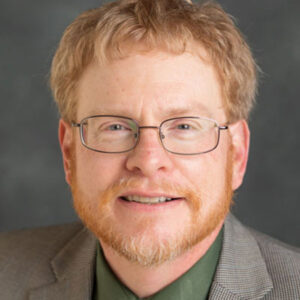 Dr. Derek H. Alderman, Chancellor’s Professor of Geography at the University of Tennessee, has received this year’s Gilbert F. White Distinguished Public Service Award. Dr. Alderman has three decades of experience advancing the field of social and cultural geography through public engagement and transformative leadership. He is a Fellow and former President (2017-18) of the AAG, having used his presidency to advocate for outreach, media engagement, and community partnerships as core professional responsibilities. He is equally dedicated to geographic education, earning the George J. Miller Award for Distinguished Service to Geographic Education (2023) and the Susan Hardwick Excellence in Mentoring Award (2024) for his extraordinary work mentoring graduate students and supporting K–12 teachers.
Dr. Alderman has (co)authored 3 books, 55 book chapters, 122 journal papers, as well as several public-facing essays that make geography scholarship accessible to broad audiences. He has been cited, quoted in/or contributed to 330 news stories, documentaries, radio & TV broadcasts, blogs, and podcasts. He has partnered with civil rights organizations, museums, and numerous city governments to ensure historically marginalized voices and experiences are represented in public memorial spaces.
His work on the politics of street naming, especially honoring Martin Luther King Jr.—has become a model of publicly engaged scholarship, widely cited in the media and referenced by local policymakers. Dr. Alderman’s public service extends to the federal level. As an appointed member of the U.S. Department of the Interior’s Federal Advisory Committee on Reconciliation in Place Names (2022-2025), he served as a lead co-author of the nation’s first set of principles for articulating a reparative, participatory approach to addressing derogatory place names.
Public and Engaged Scholarship Honors
Karen Barton
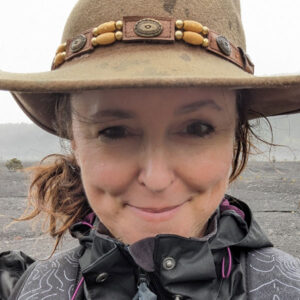 Dr. Karen Barton, Professor of Geography, GIS, and Sustainability at the University of Northern Colorado, is the inaugural awardee of the Public and Engaged Scholarship Honors. Given her outstanding community engagements, Professor Barton exemplifies the qualities celebrated by this honor—collaborative knowledge production; the integration of research, teaching, and service; and long-standing relationships with community partners around the world. Her community-engaged research is rooted in and extends the values shared by geographers and humanitarian scholars, cultivating environmental sustainability with community partners in places as varied as Senegal, Nepal, Nicaragua, and Norway. Whether teaching or engaged in community-based research and practice, Karen Barton embodies the ideals of Public and Engaged Scholarship. Her collaborative, inclusive, and responsive approach to research and teaching is exemplary of how geographers can create knowledge with, not merely about, communities. For more than two decades, Dr. Barton’s research on humanitarian disasters, environmental issues, and social challenges has earned international recognition and the deep respect of those with whom she works. Through numerous grants, including twelve Fulbright awards, she ensures that research translates into tangible, lasting benefits for the communities, students, and colleagues involved. This combination of initiative and stewardship has propelled innovation in her own teaching and spurred the purposeful evolution of the Geography, GIS, and Sustainability program at the University of Northern Colorado.
AAG Lifetime Achievement Honors
Nina Lam
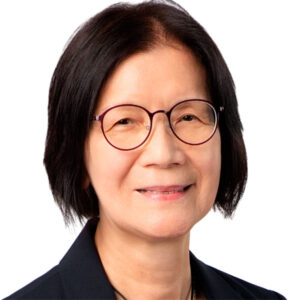 Dr. Nina Siu-Ngan Lam is the E. L. Abraham Distinguished Professor at Louisiana State University, and Wei Lun Professor at the Chinese University of Hong Kong. She has made transformative and enduring contributions to the field of geography for over four decades. As pioneering scholar in Geographic Information Science, spatial analysis, and environmental studies, Dr. Lam’s seminal research on spatial interpolation, scale, and fractal analysis established foundational principles that continue to shape contemporary GIScience and spatial modeling. Her innovative applications of these methods to topics of environmental health, disaster resilience, and sustainability have significantly advanced the understanding of human–environment systems. Notably, her Resilience Inference Measurement (RIM) framework provides a rigorous, data-driven approach for assessing community resilience to natural hazards.
Dr. Lam has also demonstrated extraordinary leadership and service, including as program director at the National Science Foundation and as president of the University Consortium for Geographic Information Science. Dr. Lam has been a dedicated mentor and advocate for diversity, equity, and inclusion, and guided generations of students and colleagues whose contributions further her work and influence across the discipline. Dr. Lam’s lifetime of scholarship, leadership, and mentorship exemplifies the highest ideals of the American Association of Geographers’ Lifetime Achievement Honors Award.
Paul Robbins
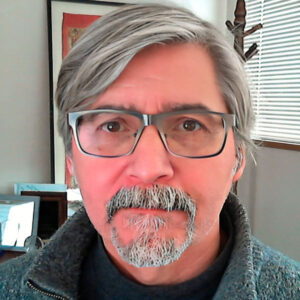 Dr. Paul Robbins has profoundly shaped geography through his transformative scholarship, exceptional academic leadership, and sustained public engagement. His pioneering work in political ecology has redefined how geographers understand human–environment relationships. His book Political Ecology: A Critical Introduction remains a foundational text in geography and beyond—spanning wildlife ecology, urban planning, and sustainability science—with more than 6,700 citations. His Lawn People—a highly original and witty exploration of the everyday political ecology of suburban landscapes—was honored with the AAG James Blaut Award and cited nearly 1,000 times.
As Dean of the Nelson Institute for Environmental Studies at the University of Wisconsin–Madison, Robbins has elevated geography as a cornerstone of interdisciplinary environmental research and education. He has expanded faculty, launched innovative programs, and championed access for underrepresented students. He has also mentored generations of geographers and environmental scientists who now lead in academia and public institutions worldwide.
Through frequent appearances in NPR, The New York Times, and Scientific American, Robbins has brought geographic thought to broad public audiences. His eloquent advocacy for the social relevance of geography has strengthened the discipline’s visibility and influence. His career bridges theory, method, administration, and outreach—embodying the multidimensional excellence the AAG Lifetime Achievement Honors celebrates.
AAG Media Achievement Award
GLaD Podcast

The 2026 Media Achievement Award is presented to Drs. Daniel Arribas-Bel, Rachel Franklin and Levi Wolf, the co-creators and hosts of the Geography, Life + Data (GLaD) Podcast. This podcast is celebrated for enhancing the understanding of geography by exploring the intersection of our discipline with data science, public life, and academia—or, as their episode intro says, “geography, life, geography life, and data. Launched in 2023, the GLaD Podcast and its predecessor series have produced over 50 episodes, amassing over 8,000 downloads, over 15,000 views on YouTube, and attracting more than 5,000 listeners worldwide. The podcast is renowned for its ability to simplify complex topics—such as spatial data science and urban analytics—through an engaging and accessible conversational style. It effectively breaks down barriers for students, early-career researchers, and non-specialists. Recognized as an invaluable educational resource, it has been integrated into graduate seminars and serves as a platform to humanize leading scholars. The podcast offers candid, practical advice on academic challenges like job searching and conference navigation, fostering a supportive community. GLaD’s continued independent production underscores the creators’ commitment to bridging the gap between academic research and the wider public.
He Yin
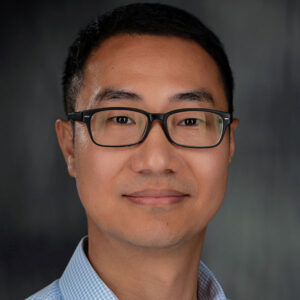 Dr. He Yin, Associate Professor of Geography at Kent State University, is honored with the AAG Media Achievement Award for his impactful and globally reaching research on the environmental consequences of armed conflicts and land abandonment. Dr. He Yin successfully translated sophisticated geospatial analysis into actionable insights that guide both humanitarian response and financial decision making.
Dr. Yin’s groundbreaking analyses of war-induced agricultural destruction in Gaza have been featured by some of the world’s most influential outlets—including CNN, BBC, The New York Times, The Washington Post, The Wall Street Journal, Al Jazeera, The Guardian, France 24, Deutsche Welle, and Bloomberg. These appearances were substantive and helped governments, humanitarian agencies, and the public grasp the scale of environmental devastation and its humanitarian implications. His work has directly informed policy and humanitarian action. The United Nations Environment Program (UNEP), leading think tanks and NGOs, such as the Center for Strategic and International Studies (CSIS) and PAX, have cited his satellite-based damage assessments, while J.P. Morgan referenced his research in its “Eye on the Market” report. His work on land abandonment—highly relevant to biodiversity conservation, food security, and carbon sequestration—has also attracted broad international attention, including coverage in The Guardian, The Hill, and Haaretz.
Dr. Yin has been coordinating the Global Land Programme (GLP) working groups on the topics of agricultural land abandonment, and remote sensing for land system science since 2021. GLP is affiliated with Future Earth.
AAG Fellows
The AAG Fellows is a recognition and service program that applauds geographers who have made significant contributions to advancing geography.
The 2025-2026 AAG Fellows selection committee: Budhu Badhuri, Oak Ridge National Laboratory; Steven Manson, University of Minnesota Twin Cities; Corene Matyas, University of Florida; Ishan Ashutosh, Indiana University, Bloomington; Sara McLafferty, University of Illinois; and Alex Moulton, CUNY – Hunter College.
Early Career Fellows
Qunying Huang
 Dr. Qunying Huang is known for exceptional scholarship, exemplary dedication to training the next generation of geographers, significant contributions to the field of geography, and a strong commitment to diversity, equity, and inclusion. She leads an internationally recognized research program on geospatial big data and GeoAI at the University of Wisconsin-Madison and has established herself as a leading scholar in geocomputation and big-data sensing techniques for real-time emergency response and Earth observation. Dr. Huang is committed to high-quality teaching and mentorship, as evidenced by her recognition as a Madison Teaching and Learning Excellence Faculty Fellow at the University of Wisconsin, where she has made her courses accessible to over 700 students annually from diverse academic and cultural backgrounds. She is a sought-after advisor and has shepherded dozens of master’s and doctoral graduate students who have gone on to academia, government, and industry. She has served in various capacities for the AAG, including multiple roles within the AAG Cyberinfrastructure Specialty Group (CISG), and has organized and chaired numerous sessions at the AAG annual meeting. Her scholarly work has been dedicated to revealing and addressing social issues of underrepresented and marginalized groups, exploring access inequality, and developing evidence-based strategies for increasing equity and inclusion.
Peter Kedron
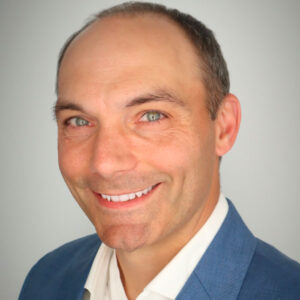 Dr. Peter Kedron is a leading geographer whose work advances fundamental understanding of spatial processes, innovation diffusion, and the dynamics of human-environment systems. As a faculty member at the University of California Santa Barbara, he is recognized for his methodological rigor and theoretical contributions to spatial data science and economic geography. Dr. Kedron’s research integrates spatial econometrics, geographic information science, and various forms of geospatial analytics to examine how ideas, technologies, and policies evolve across space and time. His pioneering studies on replication and reproducibility in geographic research have elevated the discipline’s commitment to scientific transparency and open scholarship. An active leader in the American Association of Geographers (AAG), Dr. Kedron has strengthened the link between geographic theory and data-driven policy solutions. His scholarship exemplifies the fusion of spatial thinking, computational innovation, and interdisciplinary collaboration that defines geography’s expanding role in addressing complex societal challenges.
Abigail Neely
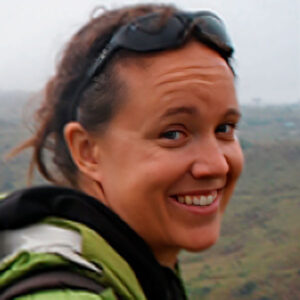 Dr. Abigail H. Neely is associate professor of geography at Dartmouth College, where she is recognized for her scholarship in political ecology, health, and social justice in sub-Saharan Africa. Her award-winning book Reimagining Social Medicine from the South (Duke University Press, 2021) reframes social medicine through ethnographic and archival work in rural South Africa, examining how human and more-than-human forces shape health and inequality. She has published widely in leading journals such as Social Science & Medicine and Progress in Human Geography, with research supported by major NSF and Yale fellowships. Dr. Neely has also played a key role in disciplinary service, including editorial work for Environment and Planning E and leadership of the AAG Working Group on Research Partnerships for Targeted Mentoring Networks. At Dartmouth, she advances socially engaged scholarship as the School House Professor, leading one of Dartmouth’s six house communities, as a former Senior Fellow in the Society of Fellows and as a committed mentor to students and early career scholars.
Later Career Fellows
Godwin Arku
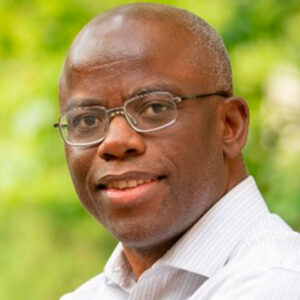 Dr. Godwin Arku has made significant contributions to the discipline of geography and to the AAG community through impactful scholarship, dedicated mentoring, and wide-ranging service. As professor and Western Faculty Scholar at Western University in Canada, he works in the field of urban geography, including examining the planning and management of cities, and assessing the lived experiences of urban residents, consistently foregrounding equity, institutional accountability, and the need for context-sensitive planning. Dr. Arku is deeply committed to mentorship and capacity building, having supervised many doctoral students who now hold academic and professional positions around the globe. Dr. Arku has made sustained contributions in foregrounding marginalized voices, including work on informal urban communities in Africa and racialized essential workers in Canada, and has been recognized with the Robbins-Ollivier Excellence in Equity Award. Dr. Arku served as the Chief Editor of the African Geographical Review, an official journal of the AAG published on behalf of its Africa Specialty Group. He has served the AAG in multiple other capacities, including as vice chair of the Africa Specialty Group, member of the Government Data and Employment Committee, and current member of the AAG Honors Committee.
Marilyn Brown
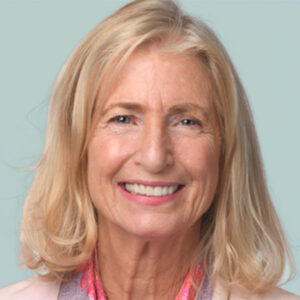 Dr. Marilyn A. Brown is a leading geographer and energy policy expert whose work has shaped national and global approaches to sustainable energy and climate solutions. A Regents’ Professor at the Georgia Institute of Technology’s School of Public Policy, she integrates geographic analysis with technology and policy research to advance understanding of energy transitions, innovation, and environmental equity. Previously at Oak Ridge National Laboratory, Dr. Brown led pioneering studies on renewable energy, efficiency, and the spatial dynamics of technological change. Her service on National Academies’ committees and contributions to the Intergovernmental Panel on Climate Change (IPCC) highlight her leadership in linking geography, science, and policy. Elected to the National Academy of Engineering (NAE) and the National Academies of Science, Engineering and Medicine (NASEM), and a Fellow of the American Academy of Arts and Sciences, Dr. Brown’s research continues to inform pathways toward a low-carbon, resilient, and equitable energy future.
K. Maria Lane
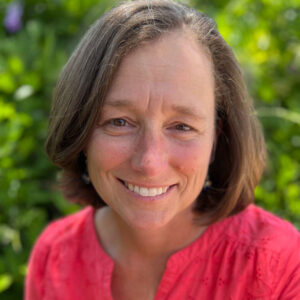 Dr. K. Maria D. Lane is a professor of Geography and Environmental Studies and Dean of Graduate Studies at the University of New Mexico, where she has advanced the discipline through innovative scholarship, institutional leadership, and community engagement. An internationally recognized historical geographer, she is the author of Geographies of Mars: Seeing and Knowing the Red Planet (2011) and Fluid Geographies: Water, Science, and Settler Colonialism in New Mexico (2024), both with the University of Chicago Press. These books illuminate how scientific and cartographic practices shape environmental knowledge and power. As department chair from 2014 to 2019, Dr. Lane launched the state’s first joint PhD in Geography, founded the R.H. Mallory Center for Community Geography, expanded faculty ranks, and redesigned the undergraduate curriculum. Her leadership in securing major NSF funding has strengthened graduate education, supported community-engaged research, and advanced climate change and geovisualization initiatives. She has also served as editor of both Historical Geography and the Journal of Historical Geography and continues to lead public scholarship projects such as the Indigenous Cartographies Symposium and the Native Trails geovisualization collaboration with the National Park Service.
David López-Carr
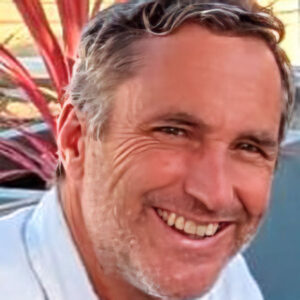 Dr. David López-Carr has conducted ground-breaking research on the intersecting issues of poverty, hunger, deforestation, and health in the Americas. A professor at University of California Santa Barbara, López-Carr’s pioneering work in land change science has deepened our understanding of the relationships between population dynamics and tropical deforestation, and the complicating influences of gender, local economics and remittances, and climate-driven impacts. International agencies and community organizations have benefited from his work documenting place-based ecological and socioeconomic drivers of environmental injustices faced by diverse communities across the globe. An inspiring teacher and visionary leader, Dr. López-Carr has mentored underrepresented scholars, advocated for equitable hiring, and shaped institutional practice by improving representation, recruitment, and retention.
Jerry Mitchell
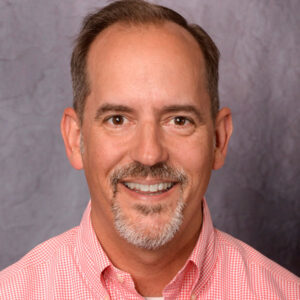 Dr. Jerry Mitchell, department chair and professor at the University of South Carolina, is a renowned expert in, and advocate for, geographic education. His extensive leadership, community outreach, and scholarly contributions combine a rigorous understanding of what geographic learning and teaching should aim for with creativity and entrepreneurial spirit to promote that intellectual vision. Through his two decade-long coordination of the South Carolina Geographic Alliance (SCGA), more than 40,000 teachers have received training, networking opportunities, and pedagogical support, making SCGA one of the most successful and innovative alliances in the U.S. As editor of the Journal of Geography, and president of the National Council for Geographic Education, he spearheaded efforts to strengthen and diversify geographic education scholarship; to increase involvement of early-career scholars; and to advance inclusion within the discipline. His many honors and awards, including the AAG’s Gilbert H. Grosvenor Honors in Geographic Education, are a testament to his transformative efforts to advance geographic education at all levels and to shape its future nationally and internationally.
Joann Mossa
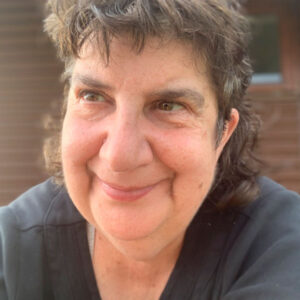 Dr. Joann Mossa is a highly productive fluvial geomorphologist who researches physical geography through a lens of human environment dynamics. Dr. Mossa has produced influential studies that examine coastal plain river systems as sources of water and assess the geomorphic consequences of mining, hydropower, floodplain alterations, and dredging. This work provides not only a scientific understanding of these processes but also a framework for evaluating their social and environmental tradeoffs. As an award-winning teacher and mentor at the University of Florida, her unwavering commitment to advancing discipline and mentoring the next generation of geographers is truly exemplary. She has been active in the AAG, SEDAAG, her state, university, and department, including service as president of SEDAAG and the Florida Society of Geographers. Dr. Mossa has received the AAG Geomorphology Specialty Group’s Mel Marcus Distinguished Career Award, the Richard J. Russell Award from the AAG’s Coastal and Marine Geography Specialty Group, SEDAAG’s Lifetime Achievement Award, SEDAAG Research Honors in 2022, and the inaugural Lifetime Achievement Award from the UF Geography department. The AAG is honored to recognize Dr. Joann Mossa as a Fellow.
Michael Pretes
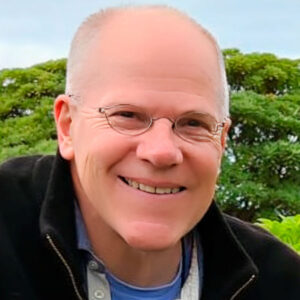 Dr. Michael Pretes, University of North Alabama, has balanced heavy teaching and mentoring responsibilities with impactful scholarship, extensive service to AAG and the profession, and meaningful public outreach, while still actively publishing research across a broad range of topics. He has taught more than fifty different courses covering human geography, physical geography, regional geography, and geographical methods. He has demonstrated a sustained commitment to advance justice, diversity, equity, and inclusion in the discipline, including recruiting colleagues and supporting students from varied backgrounds. Dr. Pretes has received numerous major teaching, advising, service, and scholarship honors including those from AAG, SEDAAG, APCG, NCGE, and his home university, and he served as the Distinguished Visiting Professor of Geosciences at the United States Air Force Academy in 2024-25. He has demonstrated exemplary service to the AAG, actively participating in the leadership of both SEDAAG in the region where he currently teaches, and APCG, his original home region, where he is serving as their Regional Councilor to AAG and has contributed as President, Awards Committee Chair, Archivist, and Chair of the Latina/o/e American Travel Scholarship Committee. With his incredible creativity and unwavering commitment to teaching, research, and service, the AAG proudly recognizes Dr. Michael Pretes as a Fellow.
Patricia Solís
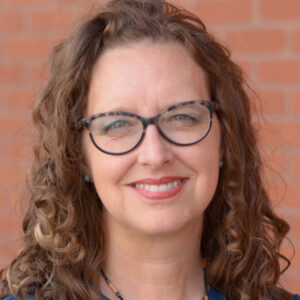 Dr. Patricia Solís is an influential geographer whose career bridges research, education, and global collaboration to advance the applied and socially engaged dimensions of geography. As research professor in the School of Geographical Sciences and Urban Planning and executive director of the Knowledge Exchange for Resilience (KER) at Arizona State University and co-founder of Youth Mappers, she has created innovative platforms connecting geographic scholarship with community resilience, open data, and youth empowerment worldwide. Dr. Solís’s work exemplifies how geospatial technologies and participatory mapping can address pressing challenges such as disaster preparedness, migration, sustainability, and social equity. Through leadership in the AAG and international initiatives, she has expanded opportunities for geographic learning and global engagement. A recognized advocate for inclusive and transformative geography, Dr. Solís has inspired a new generation of geographers to apply spatial thinking for social good—making geography a vital force for resilience, justice, and collective problem-solving in communities around the world.
Barney Warf
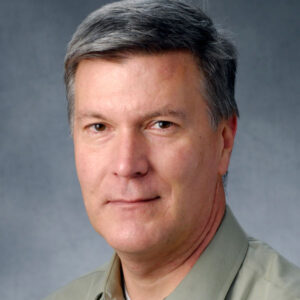 Dr. Barney Warf is a prolific scholar whose work probes and reveals the dynamic forces of change in political and economic geographies. His many books and articles have expanded the field to instill geographic insights into social and economic dimensions of modern life, including the transformative impacts of digital technologies and media, and the emergence of cosmopolitanism and post-truth geographies. A professor at the University of Kansas, Dr. Warf’s diverse contributions, including a prize-winning encyclopedia, have made geographical concepts and research findings accessible to academic and policy audiences, while increasing participation of early-career scholars who have benefited from his mentorship and editorial skills. In editorial positions at the Professional Geographer, GeoJournal, and other leading publications, and through longstanding AAG committee service, Dr. Warf has shaped the future of our discipline by expanding participation of diverse scholars, advancing a steadfast commitment to academic freedom and freedom of speech, and highlighting the responsibility that geographers bear in the public sphere.
Presidential Achievement Award
Chosen by the AAG Past President, recognizing individuals who have made long-standing and distinguished contributions to the discipline of geography
Sarah Elwood
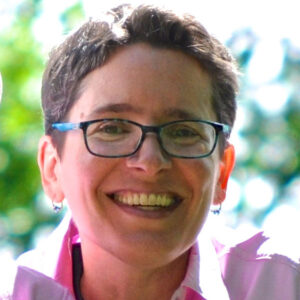 This award is presented in recognition of Sarah Elwood’s outstanding and sustained scholarly contributions, specifically her work on participatory, collaborative, and community-based GIS, relational poverty, and the broader dedication of her research and scholarship to social justice in the contemporary world. She is professor and chair of Geography at the University of Washington, doing research that focuses on digital technologies, urban geographies, and creative politics forged by structurally disadvantaged peoples fighting for equity, self-determination, and everyday thriving. Dr. Elwood has studied the use of geographic information systems (GIS) by neighborhood groups fighting gentrification and racial dispossession, interactive online mapping by children whose spatial knowledge and agency often go unseen, digital apps used in low-barrier employment by unsheltered people living and working in public space, and visual poverty politics advanced by unsheltered people and their allies. Works published from these lines of research have opened theoretical and methodological horizons in urban and digital geographies, relational poverty studies, critical and qualitative GIS, visual politics and mixed methods.
Dr. Elwood co-founded and co-directed the Relational Poverty Network (2013-2023) with Vicky Lawson. She is past editor of Progress in Human Geography, co-author of Abolishing Poverty: Toward Pluriverse Politics and Futures (University of Georgia, 2023), and co-editor of Relational Poverty Politics (University of Georgia, 2018) and Qualitative GIS (Sage 2009). Dr. Elwood’s undergraduate and graduate courses focus on spatial technologies and urban geographies, with emphasis on impoverishment, and feminist, critical race, and queer theory. At the University of Washington and prior faculty appointments at the University of Arizona and DePaul University, her pedagogies are rooted in a commitment to experiential learning and collaboration as ways that students can carry out intellectually and socially significant scholarship, incorporating peer-based teaching and learning with spatial technologies, student-designed course readers, ethnographic data collection, student-led field research, and mapping collaborations with community partners.
Nik Heynen
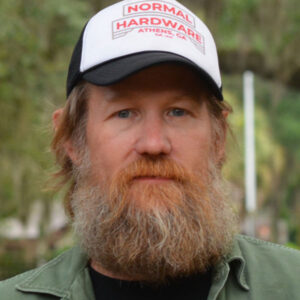 Nik Heynen has earned the Presidential Achievement Award in recognition of his work on urban social justice, ecological restoration, and his collaborative work with the Geechee community on Sapelo Island in Georgia, all of which reflect the broader dedication of his research and scholarship to social justice in the contemporary world. He is a Distinguished Research Professor in the Department of Geography at the University of Georgia, a visiting scholar in Food Studies at Spelman College, and the director of education for the Athens-based nonprofit organization Shell to Shore. His research interests sit at the intersection of economic, environmental, climate, and racial justice. For just over a decade, he has been working with members of the Saltwater Geechee in the Hogg Hummock community on Sapelo Island on the restoration of traditional agricultural practices and flood mitigation made necessary as a result of descendants losing their land to development pressure and increasing sea-level rise leading to more frequent flooding. Through this work he co-directs UGA’s Cornelia Walker Bailey Program on Land, Sea and Agriculture with Maurice Bailey.
Dr. Heynen has served as part of the editorial collective at Antipode and was the founding Chair of the Institute for the Geographies of Justice. He has served as an editor for Annals of the AAG and is the founding editor of the University of Georgia Press book series Geographies of Justice and Social Transformation, as well as a co-founding editor of Environment and Planning E: Nature and Space. In recognition of Dr. Heynen’s sustained contributions to the discipline, the AAG recently recognized Dr. Nik Heynen as an AAG Fellow and awarded him the Harold M. Rose Award for Anti-Racism Research and Practice.
AAG Atlas Award
The Atlas Award recognizes outstanding accomplishments that advance world understanding in exceptional ways. Atlas Award recipients are those who have taken the weight of the world on their shoulders and moved it forward, whether in science, politics, scholarship, the arts, or in war and peace.
Jonathan Foley
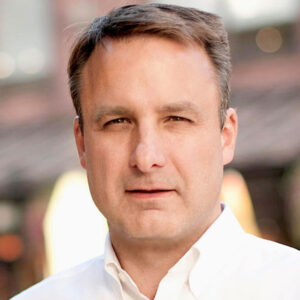 Dr. Jonathan (Jon) Foley is the Executive Director of Project Drawdown, and independent and internationally trusted organization that provides science-based guidance to climate solutions and strategies. A world-renowned environmental scientist, sustainability expert, and public speaker, Foley focuses on understanding our changing planet and finding new solutions to sustain the climate, ecosystems, and natural resources we all depend on.
AAG recognizes Foley with its highest award for his groundbreaking research and advisory support to leaders and groups in all sectors, around the world. His work has contributed to the understanding of global ecosystems, food security and the environment, climate change, and sustainability. His more than 130 peer-reviewed scientific articles that have been widely cited. In 2014, Thomson Reuters named him a Highly Cited Researcher in ecology and environmental science, placing him among the top 1 percent most-cited global scientists.
Foley is a gifted science communicator whose presentations have been featured at hundreds of international venues such as the Aspen Institute, the World Bank, the National Geographic Society, the Chautauqua Institution, the Commonwealth Club, the National Science March in Washington, D.C., and TED.com. He has taught at major universities on topics ranging from climate change and global sustainability solutions to the future of the food system and addressing the world’s “grand challenges.” He has written popular pieces for National Geographic, the New York Times, the Guardian, and Scientific American, and others; and is frequently interviewed by international media outlets, such as National Public Radio, the PBS NewsHour, the BBC, CNN, and more. Foley appeared in the HBO documentary on climate change “Too Hot Not to Handle,” and the film series “Let Science Speak.” Foley’s leadership before Project Drawdown launching the Climate, People, and Environment Program (CPEP) while at the University of Wisconsin from 1993 to 2008, where he also founded the Center for Sustainability and the Global Environment (SAGE) and served as the first Gaylord Nelson Distinguished Professor of Environmental Studies. From 2008 to 2014, he served as the founding director of the Institute on the Environment (IonE) at the University of Minnesota, where he also held the McKnight Presidential Chair of Global Environment and Sustainability. Between 2014 and 2018, he was the executive director of the California Academy of Sciences, the world’s greenest and most forward-thinking science museum.
His numerous awards and honors include the Presidential Early Career Award for Scientists and Engineers, awarded by President Clinton; the J.S. McDonnell Foundation’s 21st Century Science Award; an Aldo Leopold Leadership Fellowship; the Sustainability Science Award from the Ecological Society of America; the National Science Foundation’s Faculty Early Career Development Award; and the Founders’ Medal from the Native Plant Society. He also received the prestigious Heinz Award for the Environment.
AAG commends Dr. Jonathan Foley, the 2026 AAG Atlas Award honoree.
AAG Honorary Geographer
Recognizes excellence in research, teaching, or writing on geographic topics by non-geographers.
Jennifer Clapp
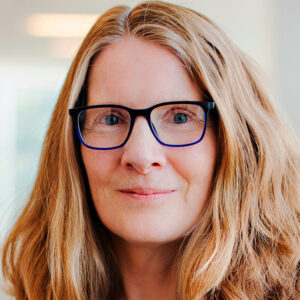
She is recognized for her groundbreaking work at the intersection of global economy, food systems, and food security, along with her commitment to praxis, including her current service as a member of the International Panel of Experts on Sustainable Food Systems (IPES-Food), and her previous service on the Steering Committee of the High-Level Panel of Experts on Food Security and Nutrition (HLPE-FSN) of the United Nations Committee on World Food Security (CFS) from 2019-2023 (vice chair 2021-2023).
She is a professor and Canada Research Chair in Global Food Security and Sustainability in the School of Environment, Resources and Sustainability at the University of Waterloo. Her recent books include Titans of Industrial Agriculture: How a Few Giant Corporations Came to Dominate the Farm Sector and Why it Matters (MIT Press, 2025), Food, 3rd edition (Polity, 2020), Speculative Harvests: Financialization, Food, and Agriculture (Fernwood Press, 2018), and Hunger in the Balance: The New Politics of International Food Aid (Cornell University Press, 2012).
Dr. Clapp is a Fellow of the Royal Society of Canada and an International Fellow of the Swedish Royal Academy of Agriculture and Forestry. She has also received numerous awards for her interdisciplinary research, including a Killam Research Fellowship, the Innis-Gérin Medal for contributions to Social Sciences from the Royal Society of Canada, a Pierre Elliott Trudeau Foundation Fellowship, the Canada Council for the Arts Molson Prize, and the Canadian Association for Food Studies Award for Excellence in Research.
We are honored to recognize Dr. Jennifer Clapp as Honorary Geographer, 2026.
Learn more about the AAG Honorary Geographer Award
AAG Stanley Brunn Award for Creativity in Geography
Presented annually to an individual geographer or team who has demonstrated originality, creativity, and significant intellectual breakthroughs in geography.
Judith Carney

She is Distinguished Research Professor emerita of Geography at UCLA, and an early practitioner of political ecology whose fieldwork focused on human-environmental issues in West Africa and Latin America. Her publications over the past four decades examine the effects of agrarian transformations on gendered agricultural systems in Senegambia, the female-managed shellfishery of Atlantic mangrove ecologies, the role of enslaved Africans in establishing African plant domesticates in New World slave societies, and the significance of subaltern agroecologies for food futures in the tropics. Professor Carney’s research on African expertise in rice culture resulted in her book, Black Rice: The African Origins of Rice Cultivation in the Americas (Harvard University Press, 2001), which won the Melville Herskovits award. Her second volume, In the Shadow of Slavery: Africa’s Botanical Legacy in the Atlantic World (University of California Press, 2009), which illuminates the role of enslaved Africans in shaping New World food systems, was awarded the Frederick Douglass Book Prize.
Professor Carney is an elected member of the British Academy, the American Academy of Arts and Sciences, and a Fellow of the Association of American Geographers from whom she also received its Distinguished Scholarship Honor, the Historical Geography Award, the Netting Award for Geography and Anthropology, and the Sauer Distinguished Scholarship Award. Her research has been supported by the National Geographic Society, John Simon Guggenheim Memorial Foundation, American Council of Learned Societies, the Rockefeller Foundation, the Wenner-Gren Foundation, and the Rachel Carson Center for Environment and Society.
We commend Dr. Carney for her recognition for the Stanley Brunn Award for Creativity in Geography.
Learn more about the AAG Stanley Brunn Award
Susan Hardwick Excellence in Mentoring Award
Given to an individual geographer, group, or department who has demonstrated extraordinary leadership in building supportive academic and professional environments in their departments, associations, and institutions and guiding the academic and or professional growth of their students and junior colleagues.
Sarah Holloway
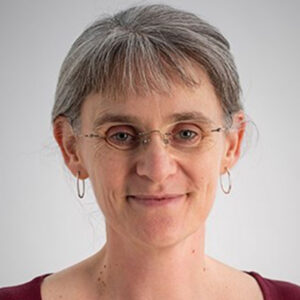 The American Association of Geographers recognizes Professor Sarah Holloway with the Susan Hardwick Excellence in Mentoring Award for her longstanding commitment to supporting students and colleagues, and her role in fostering a positive, inclusive academic environment. Over more than 30 years at Loughborough University, she has contributed to meaningful improvements in departmental and institutional culture through her teaching, mentorship, and dedication to equitable practices.
Professor Holloway has provided guidance to individuals at many career stages, including undergraduate and graduate students as well as early and midcareer faculty. Her thoughtful, individualized approach has helped many scholars grow in confidence, navigate key career transitions, and develop leadership skills. Her mentorship has supported people from a wide range of backgrounds, including first-generation students, international scholars, and those facing social or economic barriers.
Her work has also contributed to broader structural change. Professor Holloway played an important role in advancing maternity leave and part-time employment policies at her university and supported the first researchers to benefit from these improvements. She introduced new topics into the curriculum early in her career and helped shape courses that broaden students’ perspectives and strengthen the learning environment. Her contributions to equity and inclusion were further acknowledged when she received her School’s inaugural EDI Champion Award.
Across her career, Professor Holloway has helped build a more supportive and inclusive academic community. Her sustained contributions have positively influenced individuals, programs, and the wider field. The American Association of Geographers is pleased to honor her with the 2026 Susan Hardwick Excellence in Mentoring Award.
Glenda Laws Award
Recognizes outstanding early to mid-career scholars’ contributions to geographic research on social issues.
Rachel Goffe
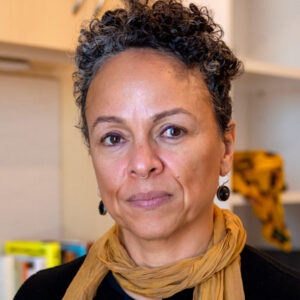 Dr. Rachel Goffe is a human geographer whose work sits at the intersection of social reproduction, carceral geographies, Caribbean Studies and Black Geographies. In a time when these issues are absolutely vital, Dr. Goffe is concerned with the state regulation of minoritized lives. While her work is situated in her native Jamaica, the work applies to us all, particularly via the global ramifications of considering racial capitalism, gentrification, placemaking, boundary writing, and how policy and the state dictate claims to the idea of home apply to us all. Dr. Goffe also has a strong record of community engagement and service both in and out of the academy., including organizing writing circles for graduate students from conflict zones and supporting grassroots organizations that fight for Justice in Jamaica. As someone emphasizing the effects of today’s inequities and fighting to lessen them, Dr. Rachel Goffe should be recognized for continuing the legacy of Dr. Glenda Laws and her exemplary commitment to social justice and social policy.
Xiao Huang
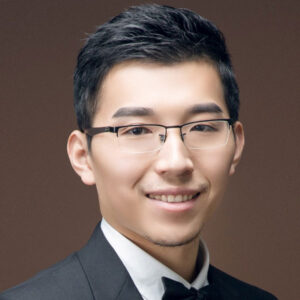 Dr. Xiao Huang is a data and environmental scientist who combines these two interests into work on disaster mitigation, human-environment interactions, disaster remote sensing, urban studies, and other areas. Rather than study data for data’s sake, he wants to put data to work studying and solving human problems. He shows that research, public service, and community engagement are not mutually exclusive endeavors. His research dossier advocates that “computational urban science needs to go beyond computational”: he considers how human mobility affects people’s lives how we can map floods in real time with social media, heat risk assessment in urban areas, and much more. His work has been featured in the popular media, showing the public how important geography is for solving social problems. Dr. Huang also has an extensive record of leadership in and service to the discipline. A true public scholar, Dr. Xiao Huang should be recognized for continuing the legacy of Dr. Glenda Laws’s exemplary commitment to social justice and social policy.
E. Willard and Ruby S. Miller Award
Recognizing members of AAG who have made truly outstanding contributions to the geographic field due to their special competence in teaching or research.
Jayajit Chakraborty
 Dr. Jayajit Chakraborty is a Professor and Mellichamp Chair in Racial Environmental Justice at the Bren School of Environmental Science and Management in the University of California, Santa Barbara, whose research has analyzed spatial and social inequalities associated with environmental hazards and disasters, as well as informed public policies that address environmental injustices. His extensive body of scholarly work, which includes many co-authored publications with graduate students, is well-cited both within and outside the academy. He has contributed to science research, writing, and advocacy, often as the only geographer, as a member of multiple US Environmental Protection Agency advisory committees. Dr. Chakraborty was recently included in the Stanford-Elsevier ranking of the world’s most cited researchers who are in the top 2% in their academic subfield (geography). He has mentored dozens of graduate and undergraduate students (including first-generation and minority students), taught undergraduate and graduate courses across various geographic subfields, served on the editorial boards of several Geography and Environmental Science journals, and chaired AAG committees.
CindyAnn Rose-Redwood
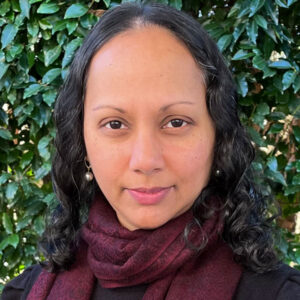 Dr. CindyAnn Rose-Redwood, Teaching Professor of Geography at the University of Victoria, is recognized for her exceptional dedication to teaching excellence, inclusive pedagogy, and student mentorship. Widely recognized as an inspiring instructor and innovative educational researcher, she has received prestigious awards from the Canadian Association of Geographers, the University of Victoria, and the American Association of Geographers, as well as several teaching and learning grants. Dr. Rose-Redwood’s pedagogical creativity is evident through her course design and leadership in integrating anti-racism and social justice into geography curricula, advancing the discipline’s capacity to engage urgent contemporary issues. Beyond the classroom, she has been a transformative mentor to undergraduate and graduate students, serving as a dedicated faculty advisor for student organizations and creating empowering environments for international and first-generation students. Her mentorship has nurtured the next generation of geographers, activists, and community leaders. Also significant are her scholarly contributions to understanding international student experiences. In addition to several refereed articles, her two widely recognized co-edited books reposition international students as critical social actors in shaping higher education, migration, and cultural politics.
J. Warren Nystrom Award
Recognizes a distinguished paper based upon a recent dissertation in geography.
Garima Jain, Ph.D.
 Dissertation: “From adaptation to entrapment: Evidence of aquaculture-induced salinity feedback in coastal India”
Learn more about the J. Warren Nystrom Award
AAG Meridian Book Award for Outstanding Scholarly Work in Geography
Awarded for a book written by a geographer that makes an unusually important contribution to advancing the science and art of geography.
Alison Mountz and Kira Williams
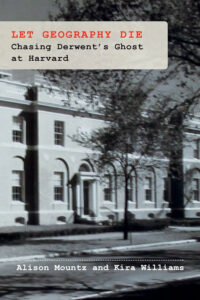 Alison Mountz and Kira Williams offer a dramatic and important reworking of the disciplinary history of geography itself with Let Geography Die: Chasing Derwent’s Ghost at Harvard (MIT Press, 2025). Not only does this important book re-examine a crucial story in the discipline’s institutional trajectory within the U.S. academy, it also offers a creative and compelling model for blending together scholarly history with the reflexive practices of contemporary disciplinary critique. Combining a new reading of archival sources with new questions about queer identity and academic politics, Let Geography Die isn’t just an exhumation of a particular painful moment in geography’s past, but also an inquiry into the discipline’s present and future. It makes compelling reading for any geographers who wish to reflect on how scholarly effort and personal longing fit into the broader systems of disciplines and institutions.
AAG Globe Book Award for Public Understanding of Geography
Given for a book written or co-authored by a geographer that conveys most powerfully the nature and importance of geography to the non-academic world.
David L. Prytherch
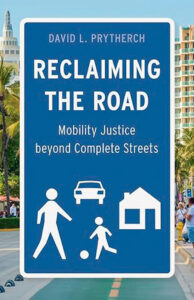 What would our streets, cities, and neighborhoods look like if urban plans took geographers and their studies seriously? With Reclaiming the Road (University of Minnesota Press), David Prytherch shows us the promise of communities planned, designed, and built for humans, rather than solely cars. Through rich case studies, extensive historical-geographical contexts, and delightful prose, the book offers an indispensable guide for re-engineering urban space through best practices, human-centered designs and policies, and abiding attention to intersectional concepts of equity and justice. In-depth interviews with transportation advocates, city planners, and community leaders across nine U.S. cities meld with interdisciplinary yet accessible theoretical discussions to ground the analysis in both lived experience and insightful scholarship. Immersed in dialogues linking practice, advocacy, and scholarship, Reclaiming the Road wields the powers of geography to ask more of urban design and to reimagine our communities as spaces of mobility and justice.
AAG John Brinkerhoff Jackson Prize
Encourages and rewards American geographers who write books about the United States which convey the insights of professional geography in language that is both interesting and attractive to lay readers.
Jennifer Mapes
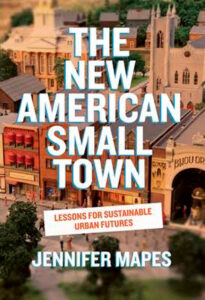 Jennifer Mapes is the recipient of this year’s John Brinckerhoff Jackson Prize from the AAG. Mapes is an astute reader of the cultural landscape, deploying her skills in reading and interpreting the American small town and its evolution. Attentive to the social and political forces that shape places and landscapes, The New American Small Town (West Virginia University Press) challenges stereotypical perceptions and offers a new interpretation by highlighting the diversity among American towns, based in part on the lived experience of their residents. Mapes introduces a typology to show differences among small towns and discusses images ranging from the nostalgic ideal of the “real” America to stale and declining places to towns struggling to respond to rapid growth. With approachable and engaging writing, the book should be interesting to a wide range of readers, equally appealing for a graduate seminar and a general audience. The New American Small Town addresses a big theme in American geography and will encourage readers to think about these places in new ways.
AAG Council Award for Best Student Paper at a Regional Division Meeting
Encourages student participation at AAG Regional Division meetings and supports their attendance at the AAG Annual Meeting.
Undergraduate
- Carolina Cambron (SWAAG)
- Katie Dusek (SWAAG)
- Margarete Brady (ELDAAG)
- Jake Plasky (WLDAAG)
- Delaney Gardner (NESTVAL)
- Valerie Davidheiser (Middle States)
Graduate
- Adriana Montoya (SWAAG)
- Theodora Mary Fletcher (ELDAAG)
- Kei Kato (WLDAAG)
- Caitlyn Linehan (APCG)
- Stephen Adebisi (GPRM)
- Gianna Dejoy (NESTVAL)
- Naznin Nahar Sultana (Middle States)
- Nicko Tovar (SEDAAG)
- Maxwell Gundling (Middle Atlantic)
- Haijun Li (Middle Atlantic)
AAG Best Paper Awards in Geography & Entrepreneurship
Sponsored by the Ewing Marion Kauffman Foundation, these two annual awards recognize promising research studying geography and entrepreneurship. Research that has direct practical implications and addresses pressing environmental, economic and/or social problems is especially appropriate for these awards. One award is given to a student, practitioner or faculty member, and one award is given to an undergraduate or graduate student.
- Pengfei Li, Best Paper
- Alexandra Harden, Best Student Paper
- Marisa Raya, Runner-Up
Marble Fund Award for Innovative Master’s Research in Quantitative Geography
This award recognizes excellence in academic performance for the best research in quantitative geography leading to the master’s degree. Two awards will be issued each year. The award, which is not limited to degrees awarded in the United States, is named for Dr. Duane Marble, creator of the Marble Fund, and instrumental in the development of GIS as a scientific academic endeavor.
Lily Heidger, University of California Santa Barbara
Learn more about the Marble Fund Award
Marble-Boyle Undergraduate Achievement Award in Geographic Science
Recognizes excellence in academic performance by undergraduate students from the U.S. and Canada who are putting forth a strong effort to bridge geographic science and computer science as well as to encourage other students to embark upon similar programs.
Rachel Loftus, University of Illinois Urbana-Champaign
Learn more about the Marble-Boyle Undergraduate Achievement Award
AAG Darrel Hess Community College Geography Scholarships
Awarded to outstanding students from community colleges, junior colleges, city colleges, or two-year educational institutions who will be transferring as geography majors to four-year universities receive support and recognition from this scholarship program, provided by Darrel Hess of the City College of San Francisco since 2006.
Colin Montoya, transferring from Pasadena City College to California State University Los Angeles
Erin Dickey, transferring from Front Range Community College to Colorado State University
Learn more about the Hess Community College Scholarships
AAG Research Grants
Supports direct costs for fieldwork and research.
- Kim Diver
- Annick Essoh
- Jianying Wang
- Edward C. Holland
- Ting Liu
- Orhon Myadar
- Michelle E. Zuñiga
- Hanlin Zhou
AAG Dissertation Research Grants
Supports for doctoral dissertation Research for Ph.D. candidates of any geographic specialty
- Holland Haverkamp
- Sanghamitra Sengupta
- Esmee Mulder
- Pearl Fichtel
- Ledeebari Banuna
- Brian Boyce
- Frederick Atkins
- Annika Hirmke
- Weishan Bai
50 Year Members
AAG honors its members who have been active in AAG for 50 concurrent years.
- Mary Adamson
- Kent Barnes
- Warren Davis
- Phillip Kolbe
- Jo Margaret Mano
- Virginia O’Neill (posthumous)
- Lizbeth Pyle
- Jeffrey Roet
- Nigel Smith
AAG International Geographic Information Awards
This program supports college and university student career development in the academic areas of applied spatial analysis or geographic information science or systems (SA/GISS). It was established by generous gifts from Laura and Jack Dangermond and the Environmental Systems Research Institute (Esri).
IGIF Scholarship
- Alamin Molla
- Anna Monson
- Bewuket Tefera
- Jessica Embury
- Jiahua Chen
- Jiayin Zhang
- Lauren Hollinger
- Marjan Behnia
- Pingping Wang
- Qianheng Zhang
- Sheida Ghahremani
- Wenjing Gong
- Wenyu Zhang
- Yanbing Chen
- Yifan Yang
- Ying Nie
- Youshuang Hu
- Yuyan Che
- Zeping Liu
- Zhaoxu Sui
- Zongrong Li
IGIF Graduate Research
- Ailing Jin
- Haofeng Tan
- Haojie Cao
- Jiwon Jang
- Mohammad Safaei
- Seung Jae Lieu
- Syeda Tasneem
- Tanvir Hossain
- Xinyang Zhang
- Yuxin Cao
- Yuyang Wu
- Zhang Chen
IGIF Student Paper
- Chen Chu
- Chen Wei
- Emily Zhou
- Gabriel Agostini
- Hao Tian